

















Equal employment and anti-discrimination policy template
Published
Equal employment and anti-discrimination policy template
What is in this Equal Employment Opportunity template?
This policy template sets out guidelines to ensure these are followed in the workplace including:- Rights and responsibilities
- Unacceptable workplace behaviours
- Discrimination
- Bullying and more!
Disclaimer: The information in this article is current as at 11 Dec 2024, and has been prepared by Employment Hero Pty Ltd (ABN 11 160 047 709) and its related bodies corporate (Employment Hero). The views expressed in this article are general information only, are provided in good faith to assist employers and their employees, and should not be relied on as professional advice. The Information is based on data supplied by third parties. While such data is believed to be accurate, it has not been independently verified and no warranties are given that it is complete, accurate, up to date or fit for the purpose for which it is required. Employment Hero does not accept responsibility for any inaccuracy in such data and is not liable for any loss or damages arising either directly or indirectly as a result of reliance on, use of or inability to use any information provided in this article. You should undertake your own research and to seek professional advice before making any decisions or relying on the information in this article.
Download this template now.What does Equal Employment Opportunity mean?
Equal Employment Opportunity (EEO) is the Australian legal framework to protect job seekers and employees from discrimination in all areas of work. A common misconception is that EEO refers only to recruitment – with people from all backgrounds and identities being given a fair opportunity to apply for roles at an organisation. This is true, however, the framework also extends to an employee’s entire lifecycle at a company.Who does the Equal Employment Opportunity Act protect?
Under EEO, employers can be criminally penalised if they discriminate against or disadvantage workers on the basis of:- race
- colour
- gender
- sexual orientation
- age
- physical or mental disability
- marital status
- family or carer’s responsibilities
- pregnancy
- religion
- political opinion
- national extraction (place of birth or ancestry)
- social origin (class, caste or socio-occupational category)
- industrial activities (such as belonging to a trade union)
What happens if an employer breaches Equal Employment Opportunity?
If an employer does not comply with the EEO and takes steps to reduce the possibility of discrimination within their company, they may receive complaints from job seekers or staff. If not resolved, these complaints can be taken to the Fair Work Ombudsman and employers may find themselves in court and facing fines – we’ll take a look at some examples of this happening below. Additionally to these official penalties, implementing measures to ensure EEO will generally result in a fairer and more enjoyable workplace for all staff. ⚖️ Trying to stay on top of Australian employment law? Here are the employment law updates that you need to know in 2023. For comprehensive guidance on handling workplace grievances, download our free Workplace Grievance Handling Policy Template. This template ensures your organisation is covered with clear processes for addressing complaints.
How do you ensure equal opportunity in the workplace?
1. Create an official policy
The best way to comply with Equal Employment Opportunity includes writing an equal opportunity policy into your company’s official policies. Create an EEO policy for all of your employees to sign and acknowledge. By doing so, you let your employees know – in writing – that the company values and promotes equal opportunities throughout each level of the business. When formatting, make sure to provide an overview of the policy first, then describe how it operates. It may also be helpful to provide examples of the policy in action. Make sure you’re clear and specific and avoid ambiguous language. Your EEO policy will go hand-in-hand with your anti-discrimination policy. It should include clear details on how staff members can submit a complaint and offer a blueprint for how complaints will be escalated and resolved. This leads us to our next point. 💡 Not sure where to start with writing your policy? Use our free Equal Employment Opportunity and Anti Discrimination Policy Template – it has everything you need to put together the perfect policy.2. Implement a process for complaints
When your HR department or managers receive a complaint about Equal Employment Opportunity, take it seriously by responding quickly with a clear process. Here’s a suggested course of action:- Meet with the staff member who made the complaint and actively listen as they explain their perspective of the event.
- Take notes for formal documentation and read your understanding of the situation back to the employee when they’re finished. Ask questions if the complaint is not clear.
- Investigate the complaint with the involved parties. Gather as much information as possible about the incident or event, and keep a record of your investigation.
- Make a decision to resolve the issue, informed by the information you’ve gathered, plus your EEO and anti-discrimination policies. The next steps you decide on may include taking disciplinary action against the employee to whom the complaint was directed or organising a mediation session to discuss the issue with those involved.
- Follow up with the employee who made the complaint after the next steps have been taken to ensure they’re satisfied with the complaint outcomes.
- Disregard the employee’s complaint because you assume you understand the situation
- Wait to take action and let time go by
- Forget to take notes at each step of the complaint process
3. Make sure your hiring teams are unbiased
There can be a lot of bias, conscious and subconscious, that can disrupt a fair hiring process that breaches Equal Employment Opportunity. As they’re at the front of your candidate experience, it’s so important that your hiring teams do not bring any bias to their roles to disadvantage diverse candidates. Bias in hiring can exist at all stages of recruiting such as:- Using discouraging language in job descriptions
- Not fairly considering all applicants based on their backgrounds
- Not advertising widely enough
- Not recognising great talent to progress to the next stages
 While you’re working through this with your hiring teams, review the language in your job ads. When presenting each role, consider different types of applicants who may be applying.
For more insights on hiring practices, explore our Small business guide to hiring new employees.
Be conscious of framing your workplace as an accepting and inclusive place to be. Consider putting a statement at the end of your job ads that invite people of all backgrounds and identities to apply.
While you’re working through this with your hiring teams, review the language in your job ads. When presenting each role, consider different types of applicants who may be applying.
For more insights on hiring practices, explore our Small business guide to hiring new employees.
Be conscious of framing your workplace as an accepting and inclusive place to be. Consider putting a statement at the end of your job ads that invite people of all backgrounds and identities to apply.
Which laws govern equal employment opportunity?
There is a selection of laws which underpin EEO. Let’s walk through how each law does this and check out some real-world examples.Sex Discrimination Act 1984
This Act makes it unlawful to discriminate or disadvantage on the basis of sex, marital or relationship status, pregnancy or potential pregnancy, breastfeeding, family responsibilities, sexual orientation, gender identity, and intersex status. This act also protects employees from sexual harassment in the workplace. Examples of discrimination on the basis of sex could include:- Asking someone if they are pregnant or looking to become pregnant in a job interview
- Not paying a woman the same salary as a man for doing the same work
- Refusing to offer flexible working arrangements for new parents
Racial Discrimination Act 1975 (RDA)
This legislation makes discrimination on the basis of race, colour, descent or ethnic origin unlawful. Section 18C addresses hate speech and behaviour – prohibiting “racial hatred, defined as a public act/s likely to offend, insult, humiliate or intimidate on the basis of race.” Examples of discrimination on the basis of race could include:- Insisting that all employees speak English at all times, even during their breaks or during personal time
- Not employing someone from a particular racial group because of discriminatory stereotypes
Disability Discrimination Act 1992
This Act makes it illegal to discriminate on the basis of physical, intellectual, psychiatric, neurological disability, physical disfigurement, disorder, illness or disease and presence in the body of organisms causing disease or illness (e.g. HIV virus). Examples of discrimination on the basis of disability could include:- Not offering a person with a disability development opportunities
- Not organising a disabled car spot for a physically impaired employee in the company carpark

Age Discrimination Act 2004
This Act (also referred to as the ADA) deems discrimination in employment, plus workplace bullying or harassment, on the basis of age unlawful. It applies to workers of all ages. Examples of age discrimination could include:- not employing certain people because they won’t ‘fit in’ with other employees because of their age
- advertising a position for someone aged ‘under 30′ to join a ‘dynamic, young team’
- making choices around redundancy, or forcing someone to retire, because of his or her age
Learn more about workplace diversity and inclusion
Are you ready to create a great Diversity and Inclusion strategy in 2025? We’ve put together the complete guide to D&I with everything employers and HR need to know about the subject. To ensure your employees understand the best practices for social media use, download our Workplace Social Media Policy Template. This template helps educate and protect your organisation in the digital age. Download this template now.Download the policy
Related Resources
-
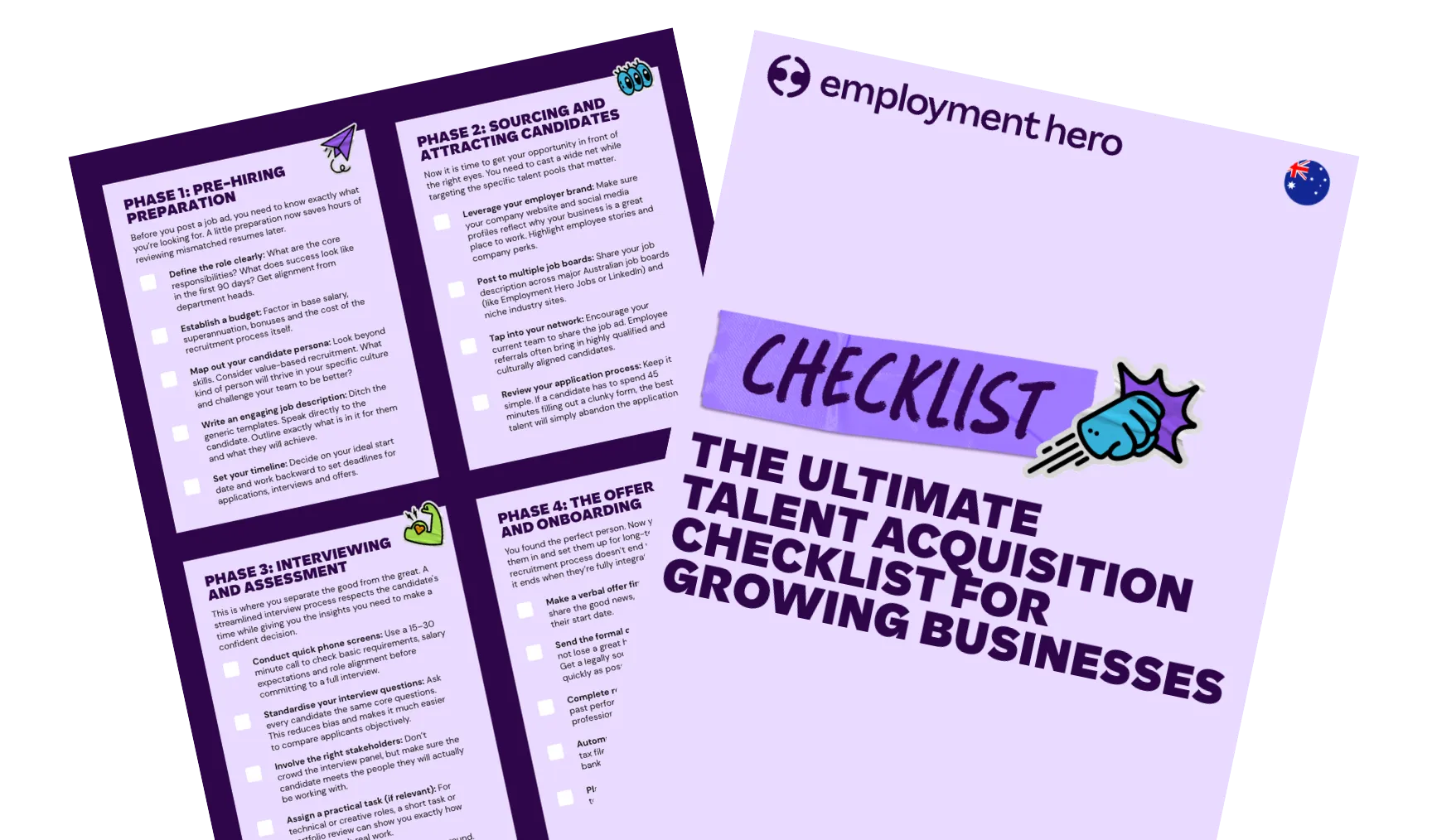 Read more: Talent acquisition audit checklist
Talent acquisition audit checklist
A talent acquisition audit is your secret weapon to cut costs, find better candidates and build the team of your…
-
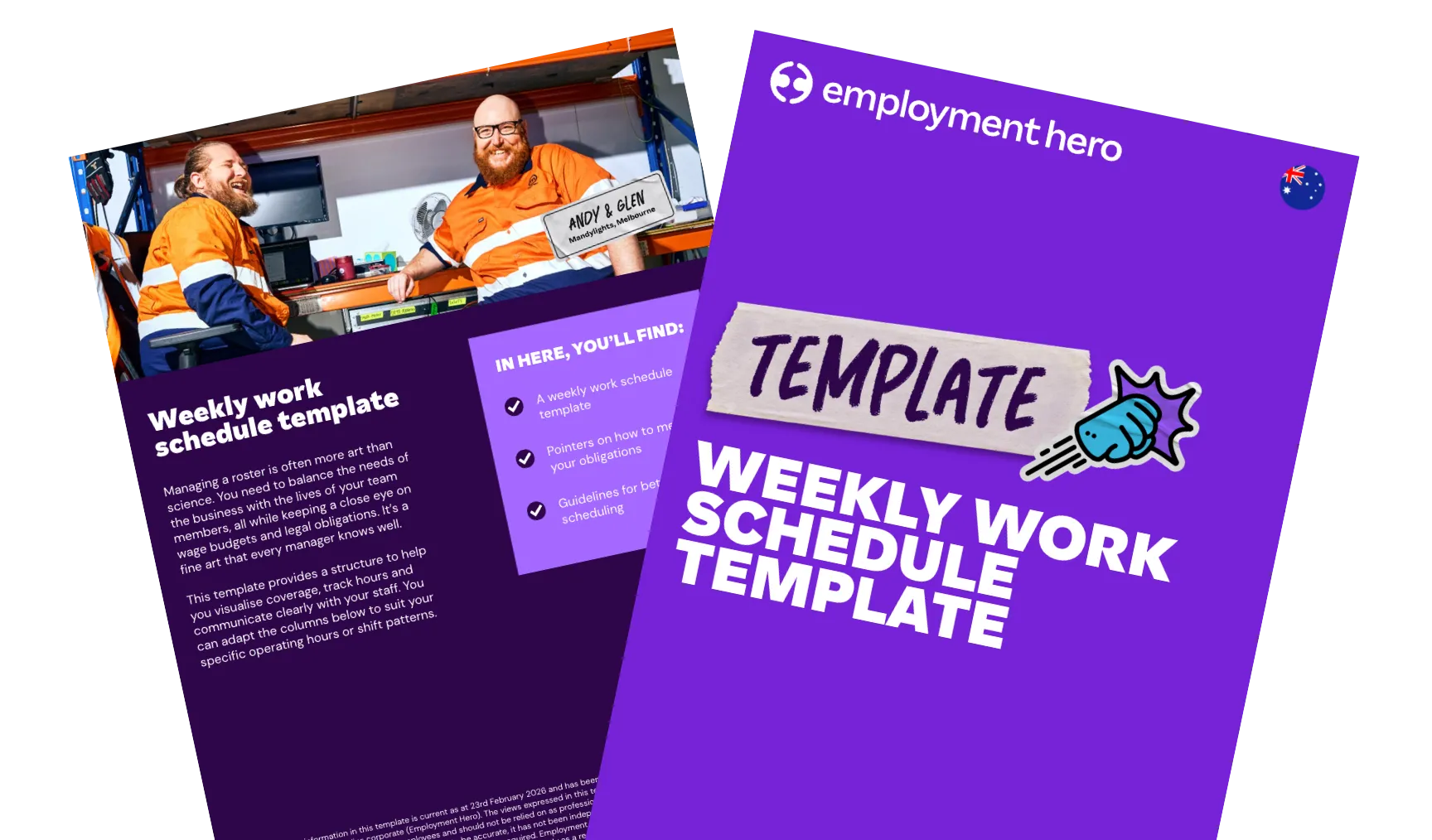 Read more: Designing an employee work schedule: template and guide
Designing an employee work schedule: template and guide
Learn how to create a flexible work schedule that can boost productivity among your employees.
-
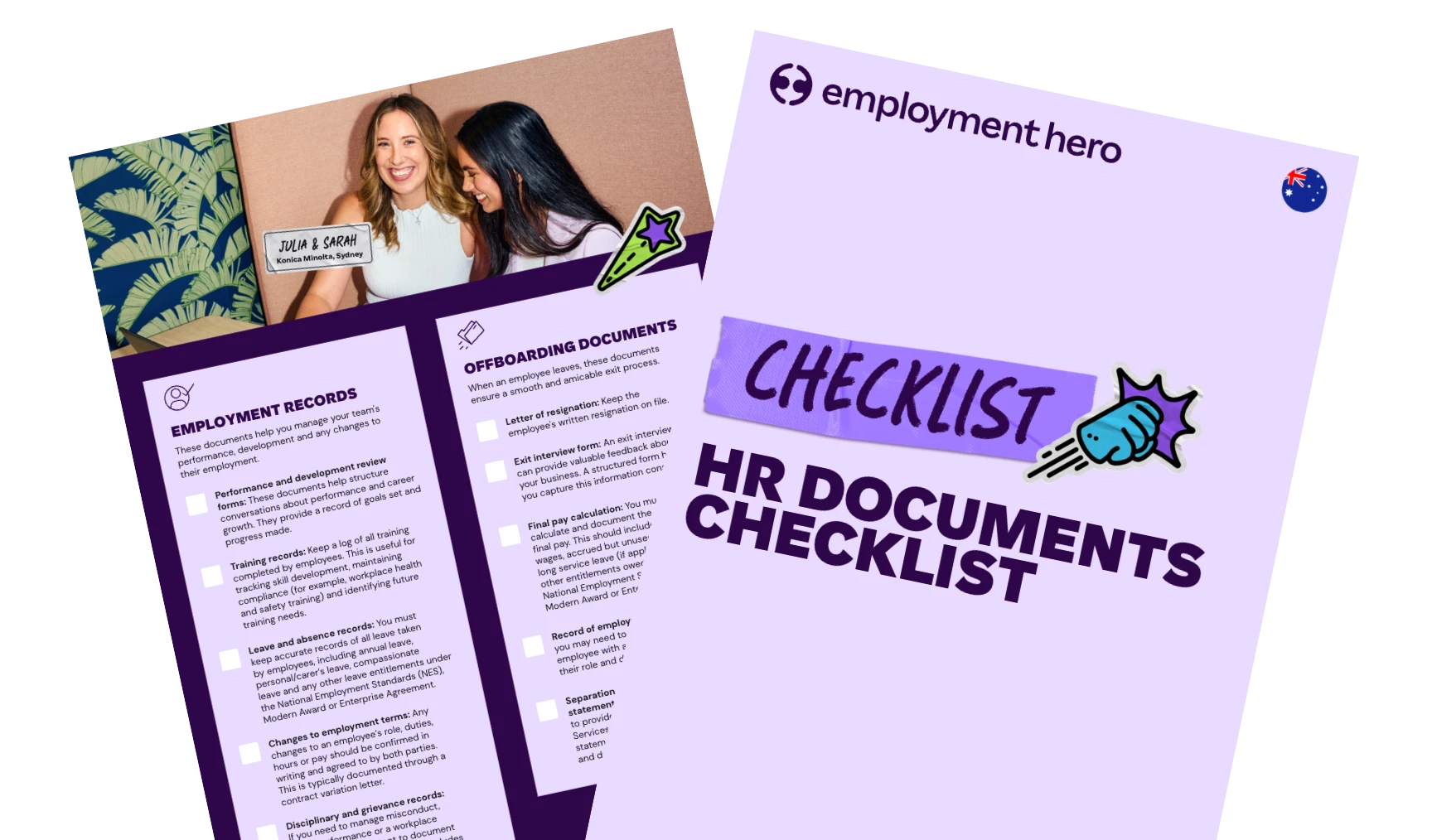 Read more: Essential HR documentation checklist for employee management
Essential HR documentation checklist for employee management
Use our HR documentation checklist to figure out what you’re missing, then download our free templates to close the gaps.

