 New Zealand
  United Kingdom
  Singapore
  Malaysia
  Canada (Français)
 Australia



Australia’s headline inflation rate dipped in May, but small businesses costs continue to climb and another interest rate hike remains on the table.
The Australian Bureau of Statistics has announced a Consumer Price Index reading of 4.0 per cent in the year to May, down from 4.2 per cent in April and lower than many economists had forecast.
However, the trimmed mean inflation, which strips out the most volatile price movements to reveal the underlying trend, has risen, reflecting higher prices in key sectors and increasing the likelihood the Reserve Bank will raise interest rates at its next board meeting.
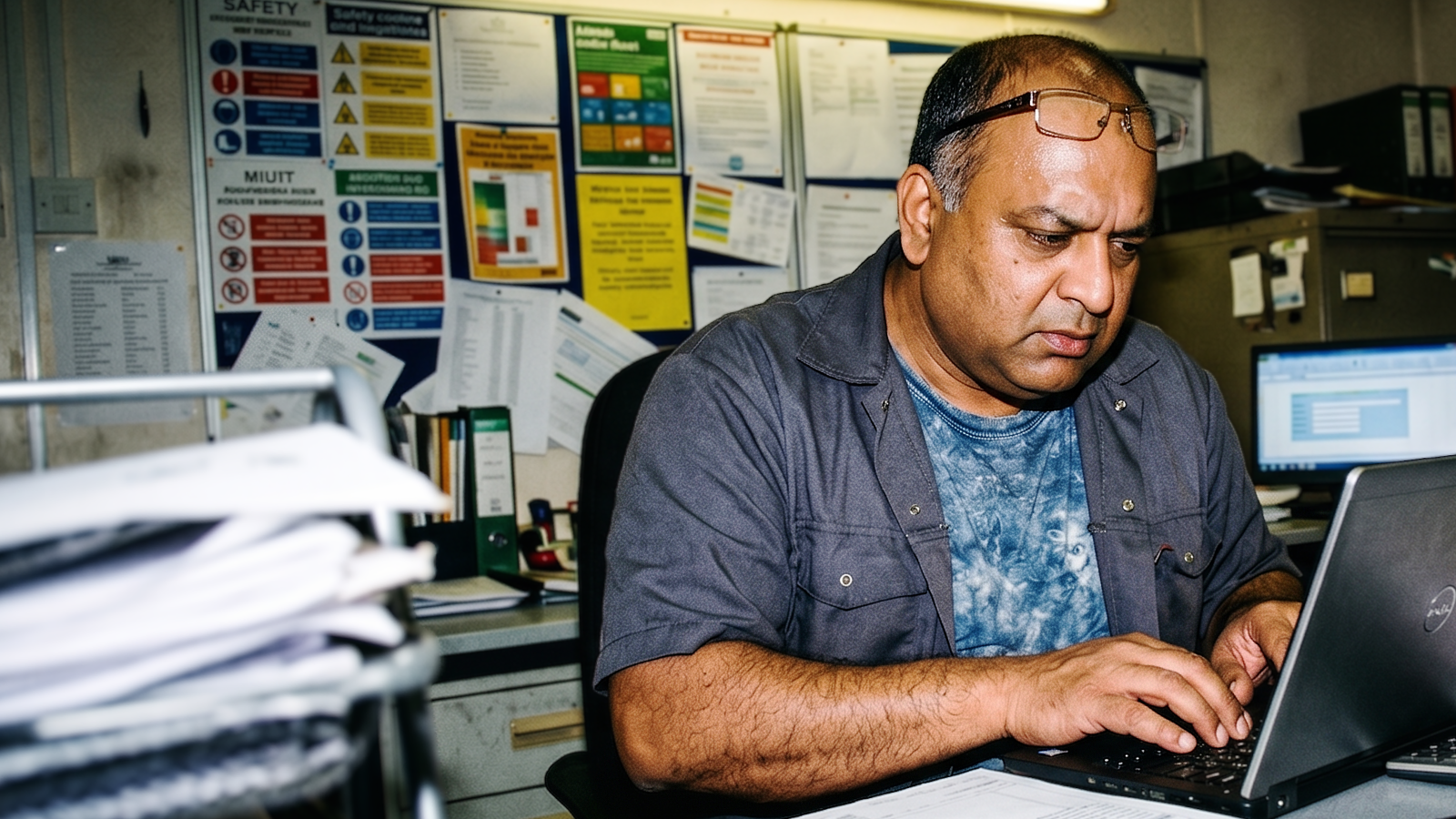
For SME employers already dealing with cautious customers and thin margins, this signals additional strain on the horizon.
“Today’s Consumer Price Index figures offer little immediate comfort to small businesses navigating what remains a demanding operating environment, with cost pressures, a shifting tax landscape and ongoing rate uncertainty all weighing on confidence,” says James Keene, Managing Director APAC at Employment Hero.
The Concerning Trend Is In The Underlying Number
The 4.0 per cent for headline inflation has surprised some economists, with markets forecasting up to 4.3 per cent. Falling oil prices have contributed to the decrease, with automotive fuel down 11.9 per cent in May and well below the peaks seen in the early days of the Middle East conflict.
The greatest contributor to May’s headline figure is housing, jumping 6.5 per cent due to higher electricity, rent and new dwelling costs. Food and transport prices are also up.
Most relevant to small businesses is the trimmed mean or underlying inflation rate, which has increased to 3.6 per cent, up from 3.4 per cent in the year to April. This is the measure that features in the RBA interest rate decisions, and, significantly, it remains above the Bank’s target range of 2-3 per cent.
With volatile movements out of the picture, there have still been significant price increases in core sectors: electricity is 21.1 per cent dearer than 12 months ago, due to the end of government rebates; transport is up 3.3 per cent; and food and non-alcoholic beverages have climbed 3.3 per cent. ‘Meals out and takeaway’ prices, often seen as a barometer of both hospitality-sector costs and consumer spending behaviour, are 4.0 per cent higher.
The higher trimmed mean and the sector-specific figures sitting above the RBA’s target band are seen as a sign inflation is ‘sticky’ and may persist for longer than previously expected.
SMEs Are Adjusting To Challenging Conditions
The persistence of higher costs alongside softening consumer spending has raised concerns about stagflation, a scenario where inflation stays high even as economic activity slows. For SMEs, this would mean even tighter margins and tougher decisions on pricing, hiring and investment.
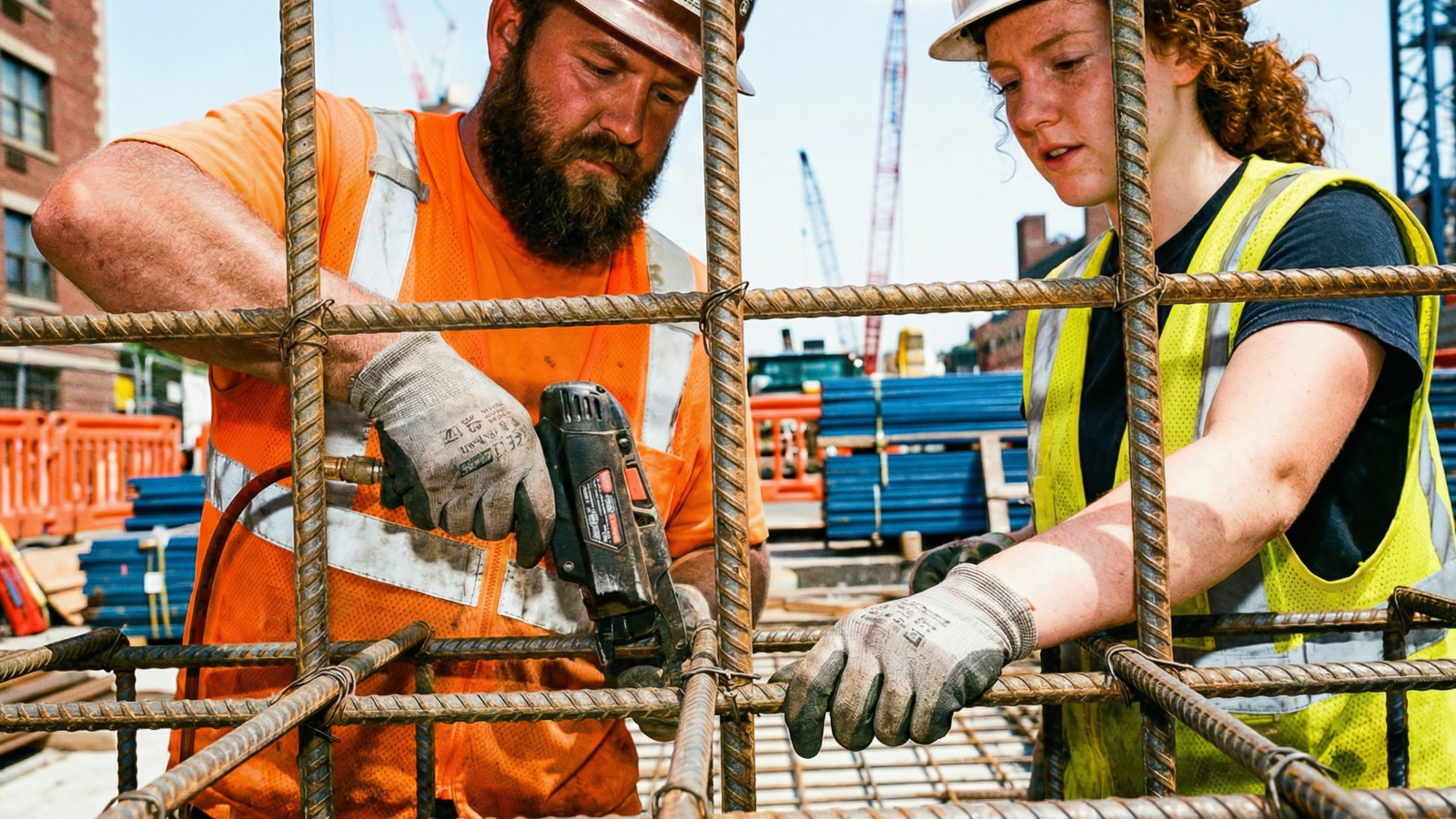
Indeed, the economic slowdown appears to be trickling through to the SME workforce, as employers seek flexibility in their workforces. “From what we are seeing in our most recent Jobs Report data, casual employment continues to be the biggest driver of the labour market, up 10.8 per cent year-on-year, more than double the rate of full-time employment growth at 5.2 per cent,” says Keene.
However, some businesses may not be able to offer as many shifts as staff would like. “Hours worked by casuals fell quarter-on-quarter, which may indicate that flexibility is coming at the cost of stability for some workers,” Keene explains.
Wages are holding their own amid the economic slowdown, according to the cohort of SMEs within Employment Hero’s dataset. “Our Jobs Report data also shows wage growth sitting at 4.5 per cent annually, nudging ahead of inflation,” Keene says.
He adds that economic uncertainty is weighing on leaders heading into the new financial year. “For small business owners, the picture is further complicated by the May Budget changes that are forcing structural planning decisions that many were not prepared for and that require professional advice to navigate safely,” he says.
Small Businesses Will Await August Rate Update
The Reserve Bank will next meet to discuss interest rates in August. By then, quarterly CPI data will be available, which should provide a better picture of trends and carries more weight in the RBA’s decision-making.
Before today, markets put the likelihood of an August rate hike at 28 per cent, but some economists now say consistently-high underlying inflation further increases the chances. Among the big banks, Westpac predicts an uptick. “We retain our view that further cash rate increases are coming, with the next hike likely at the August meeting,” say economists Neha Sharma and Sian Fenner. “The May data reinforce the RBA’s concern that inflation remains too high and that a period of slower growth will be needed to return inflation to target.”
Higher interest rates in August would mean increased borrowing costs for small and medium businesses at a time when they will still be adjusting to the July 1 introduction of Payday Super and higher minimum wages.
“The cumulative weight of these pressures, rate uncertainty, wage costs and new tax complexity, is making it harder for small businesses to invest, hire and plan with confidence. For the sake of small businesses heading into the new financial year, we hope the Reserve Bank takes the full picture into account in next month’s decision,” says Keene.