 New Zealand
  United Kingdom
  Singapore
  Malaysia
  Canada (Français)
 Australia



“The RBA’s decision to hold reflects the balancing act facing the Australian economy right now, and our latest data gives us a clear view of what that looks like on the ground for SMBs. Business expansion rebounded 1.1% month-on-month in May after a slight dip in April, with annual growth holding at 8.4%. But look beneath the headline and you can see how carefully businesses are managing that growth. Casual employment is up 10.8% year-on-year, more than double the rate of full-time roles. Wage growth has eased to 4.5% annually, a 10-month low.
Businesses aren’t pulling back. They’re being deliberate. Growing where they can, controlling costs where they need to, and avoiding long-term commitments until they have greater certainty around the economic outlook.
In this environment, we’re seeing a growing focus on productivity and AI-enabled tools that can help businesses reduce administrative burden, improve efficiency and maintain growth without significantly increasing costs.
A sustained period of stability from the RBA would be welcomed so businesses can plan more confidently, but what many employers are ultimately looking for is a clearer path towards lower rates and stronger economic momentum.”
The Reserve Bank of Australia held the cash rate steady at its June meeting, a decision widely expected by economists but one that leaves Australian small businesses without the forward momentum to plan confidently for the second half of 2026.
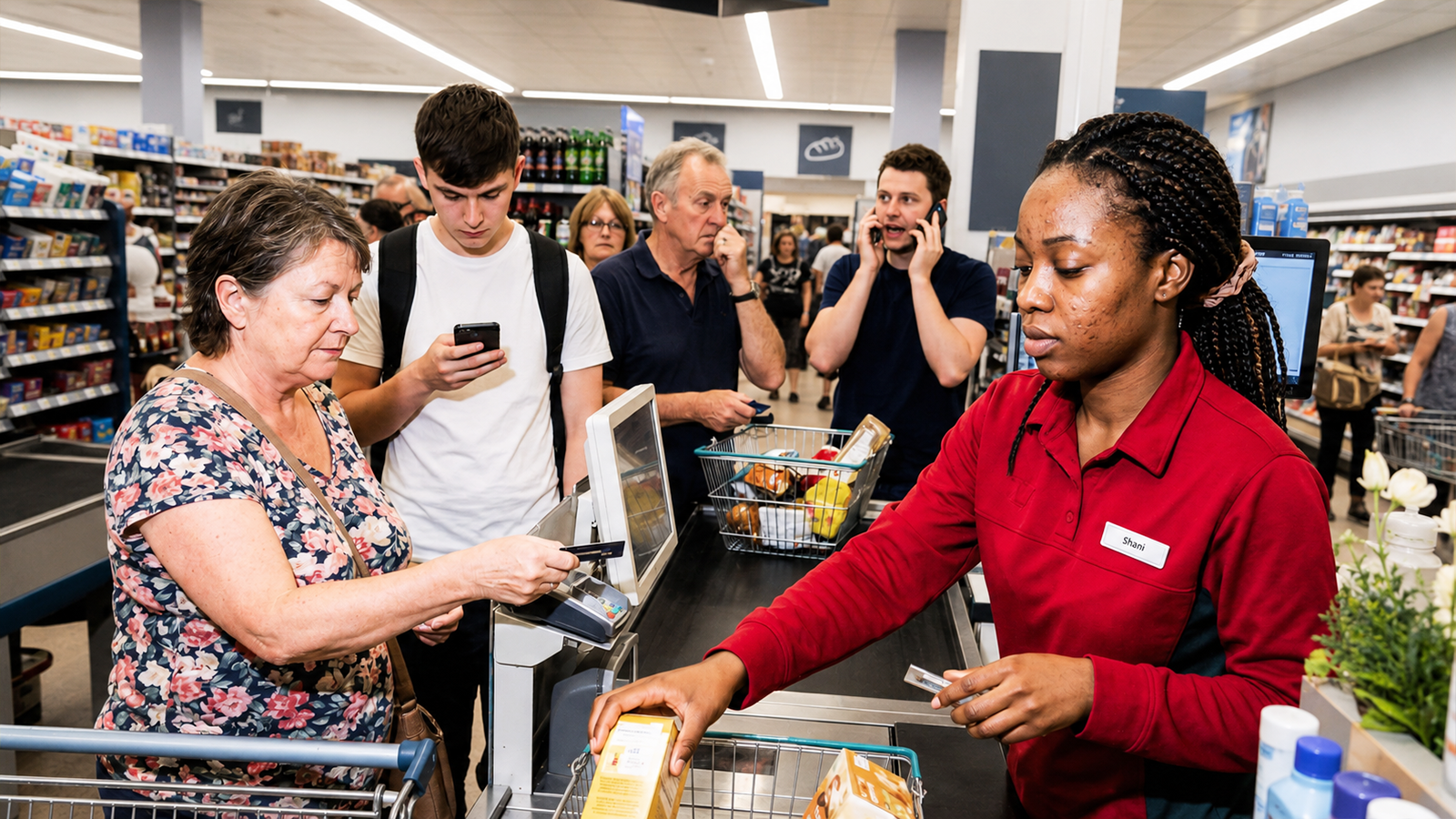
While rate stability removes one variable from the equation, it does not ease the cost pressures weighing on hiring decisions, wage budgets and expansion plans. For employers already navigating persistent inflation and a tight labour market, a hold offers confirmation of where rates sit today but not where they are heading. That distinction matters for every SME owner weighing whether to take on a new lease, add headcount or invest in equipment.
James Keene, Managing Director APAC at Employment Hero, said the data from the platform’s network of small and medium businesses showed employers adapting in real time. “The RBA’s hold isn’t a surprise, but it’s a reminder that small businesses are still making growth decisions without a clear signal on where rates are heading,” Keene said. “What we’re seeing in our data is employers finding ways to grow deliberately. They’re not pulling back, but they’re not going all-in either.”
Why the Reserve Bank Chose to Hold
Several factors underpinned the Board’s decision to keep rates unchanged.
Services inflation remains persistent, keeping headline inflation above the Reserve Bank’s 2-3 per cent target band. The latest Australian Bureau of Statistics (ABS) Monthly Consumer Price Index (CPI) Indicator showed underlying price pressures continuing to ease, but the pace has been gradual rather than decisive. For a central bank that has repeatedly emphasised it needs to be confident inflation is moving sustainably toward target, “gradual” is not enough to justify a cut.
The labour market has also continued to run tight. Unemployment remains low by historical standards and participation is elevated, conditions that typically sustain wage growth and add to inflationary pressure. For the RBA, that combination argues for patience rather than action.
Global uncertainty has added another layer of caution. Trade tensions, uneven growth across major economies and volatile commodity prices have made central banks worldwide more hesitant to move. Australia’s exposure to shifting trade dynamics, particularly with key partners in Asia, gives the Board additional reason to wait for clearer data.
According to a Reuters poll published ahead of the meeting, a minority of economists still see a potential rate hike in the third quarter. That finding underscores how wide the range of possible outcomes remains. The RBA has maintained its data-dependent posture, declining to signal a forward path and leaving businesses to plan around ambiguity.
Small Businesses Are Growing but Keeping Commitments Lean
While the macro signals point to caution, Employment Hero’s workforce data offers a ground-level view of how employers are actually responding.
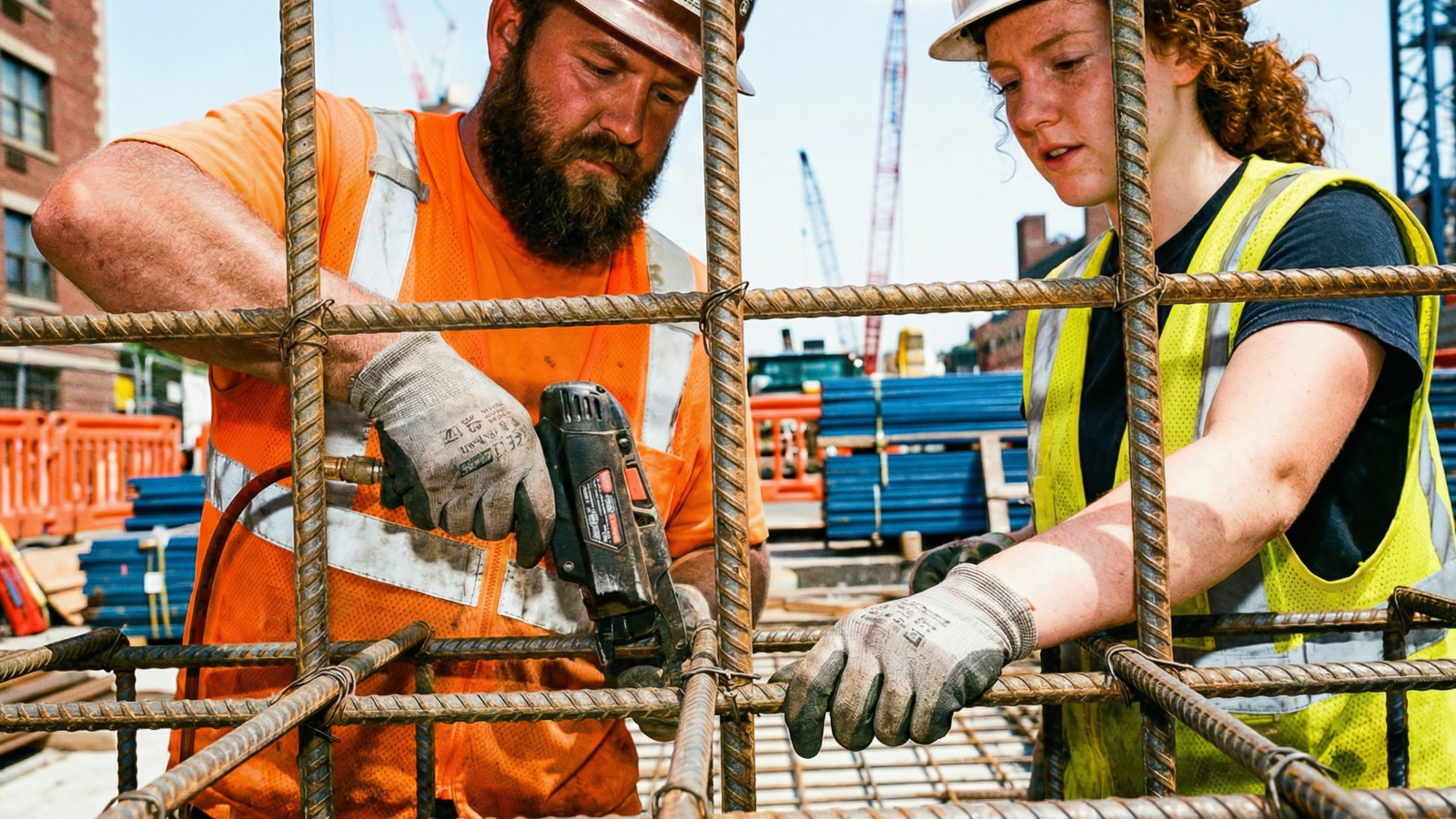
Keene pointed to several indicators from the platform’s network of more than 350,000 businesses. “Business expansion is up 8.4 per cent year on year, so employers are still growing, but the shape of that growth tells the real story,” he said. “Casual employment is up 10.8 per cent year on year, more than double the growth rate of full-time roles. That tells us employers want flexibility. They’re adding capacity without locking in long-term cost commitments.”
Wage growth across the platform has also moderated, easing to a 10-month low of 4.5 per cent.
“Wage growth cooling to 4.5 per cent is a sign that businesses are being more measured in how they manage payroll costs,” Keene said. “That doesn’t mean employees are worse off. It means employers are finding a sustainable pace rather than chasing talent with unsustainable pay rises.”
The pattern points to deliberate, cautious expansion rather than retreat. Small businesses are still hiring, but they are structuring their workforce to preserve flexibility in an uncertain rate environment. The preference for casual over permanent roles signals that employers want the ability to scale up or pull back without the fixed cost exposure of ongoing headcount.
Productivity Tools Are Replacing Headcount Growth
In a holding pattern on rates, a growing number of SMEs are turning to technology to grow output without proportionally growing costs.
Keene said the trend was visible across Employment Hero’s platform usage. “When you can’t be certain about the cost of capital six months from now, you look for ways to do more with what you’ve got,” he said. “We’re seeing more employers invest in AI and automation tools to handle administrative workload, freeing up their people for higher-value tasks.”
This shift from headcount growth to productivity-led growth reflects a broader change in how small businesses approach scaling. Rather than adding staff to manage growing complexity, employers are adopting tools that absorb routine work, from payroll processing to employee onboarding and compliance administration.
For SMEs with fewer than 200 employees, the efficiency gains can be meaningful. Administrative tasks that once required dedicated staff hours can increasingly be handled through AI-enabled systems, allowing owners and managers to redirect time toward revenue-generating work. In an environment where every dollar of cost is scrutinised, spending on tools that reduce ongoing labour costs is an easier commitment than adding a permanent salary to the books.
What Comes Next for Rates and Business Planning
The outlook for the rest of 2026 remains contested.
Australia’s major banks have published varying forecasts for the cash rate trajectory through the second half of the year. Expectations are split between those anticipating one or two further cuts before December and those cautioning that sticky inflation could delay any easing well into 2027. The Reuters poll’s finding that some economists still see a potential hike reinforces how wide the range of possible outcomes is.
Key signals for SME owners and payroll managers to watch include the next quarterly CPI release, monthly employment figures from the ABS, and any shifts in the RBA’s language around inflation expectations. Each data point will shape whether the Board moves to cut later in the year or continues to hold.
For now, the decision provides one form of certainty: rates are staying where they are. But stability is not the same as momentum. Small businesses across Australia are finding ways to grow within the constraints, favouring flexibility over fixed commitments, moderating wages to sustainable levels, and investing in tools that stretch every dollar further. The bolder growth many employers are waiting to pursue may depend on a clearer rate path emerging before the year is out.