 New Zealand
  United Kingdom
  Singapore
  Malaysia
  Canada (Français)
 Australia







Australian small and medium businesses have put the brakes on hiring and are paying more to retain part-timers as a two-speed divide emerges between states and sectors.
Fresh data from Employment Hero’s August Jobs Report – drawn from more than 23,000 businesses and 1.7 million employees – shows headcount growth of 0.1 per cent month-on-month and 0.6 per cent since May. While the monthly figure has rebounded slightly after sitting at -0.1 per cent in June and July, the quarterly figure is the lowest recorded in the platform’s 13-month reporting window and confirms growth is slowing.
But the trend is not universal, with sluggish activity in the two largest metropolitan markets dragging down national figures and masking brighter spots in resource-rich states and in key industries. Across the board, wage growth remains resilient, as SME employers who are reluctant to hire permanent staff pay more to retain part-timers.
“What we’re seeing in August is an SME sector moving at different speeds depending on geography and workforce structure,” says Employment Hero APAC Managing Director James Keene.
NSW and Victoria Fare Worst As Regional Gap Appears
Small and medium businesses are expanding or contracting according to location, as strong swings emerge between eastern population centres and the remainder of the country. New South Wales is experiencing the most notable decline, with employment shrinking by 0.3 per cent in August and 0.6 per cent in three months. Monthly growth is flat in Victoria and only 0.5 per cent higher than in May. Tasmania has the biggest battle, recording a 2.0 per cent slide in monthly growth and a similar quarterly contraction.
“The geographic split is striking,” says Keene. “The drag from eastern metro markets like New South Wales and Victoria shows that larger city businesses are operating under significant cost strain and scrutinising every new role.”
In contrast, a star performance from South Australia sees employment growth up 1.8 per cent month-on-month and 3.2 per cent on three months ago. Western Australia is also performing above the national benchmark, with 0.4 per cent month-on-month and 0.8 per cent May-August growth. Queensland has slipped into the negative month-by-month, with -0.3 per cent, but has a healthier three-month figure of 1.4 per cent.
Metropolitan-heavy states most exposed to services, white-collar work and consumer spending are bearing the brunt of the slowdown, while SMEs in states that are rich in resources and commodities appear to have more confidence in growing headcount. Indeed, NAB‘s monthly business survey records a strong uptick in confidence in South Australia and Western Australia over the same period.
There’s No Uniform Picture On Expansion Or Wages
While hiring activity varies between states, cost pressures caused by above-inflation wage growth is universal for small and medium businesses. Wages have grown by 1.6 per cent in August, with the median hourly rate reaching $41.17.
This bump has contributed to a small increase in annual wage growth, which now sits at 4.5 per cent. The year-on-year figure has been slowly declining through 2026 but remains a significant input for SMEs also hit with higher material, rent and fuel costs.
Tighter margins and a lack of hiring confidence may be a factor in higher wage growth for part-time workers. These employees are being paid 6 per cent more than the same time last year. The data does not provide a reason for the spike, but one inference could be that employers with limited budgets are choosing to retain high-performing part-timers as a cheaper alternative to recruiting full-time staff. It may also be that SMEs are hiring senior fractional workers who sit higher on the pay scale.
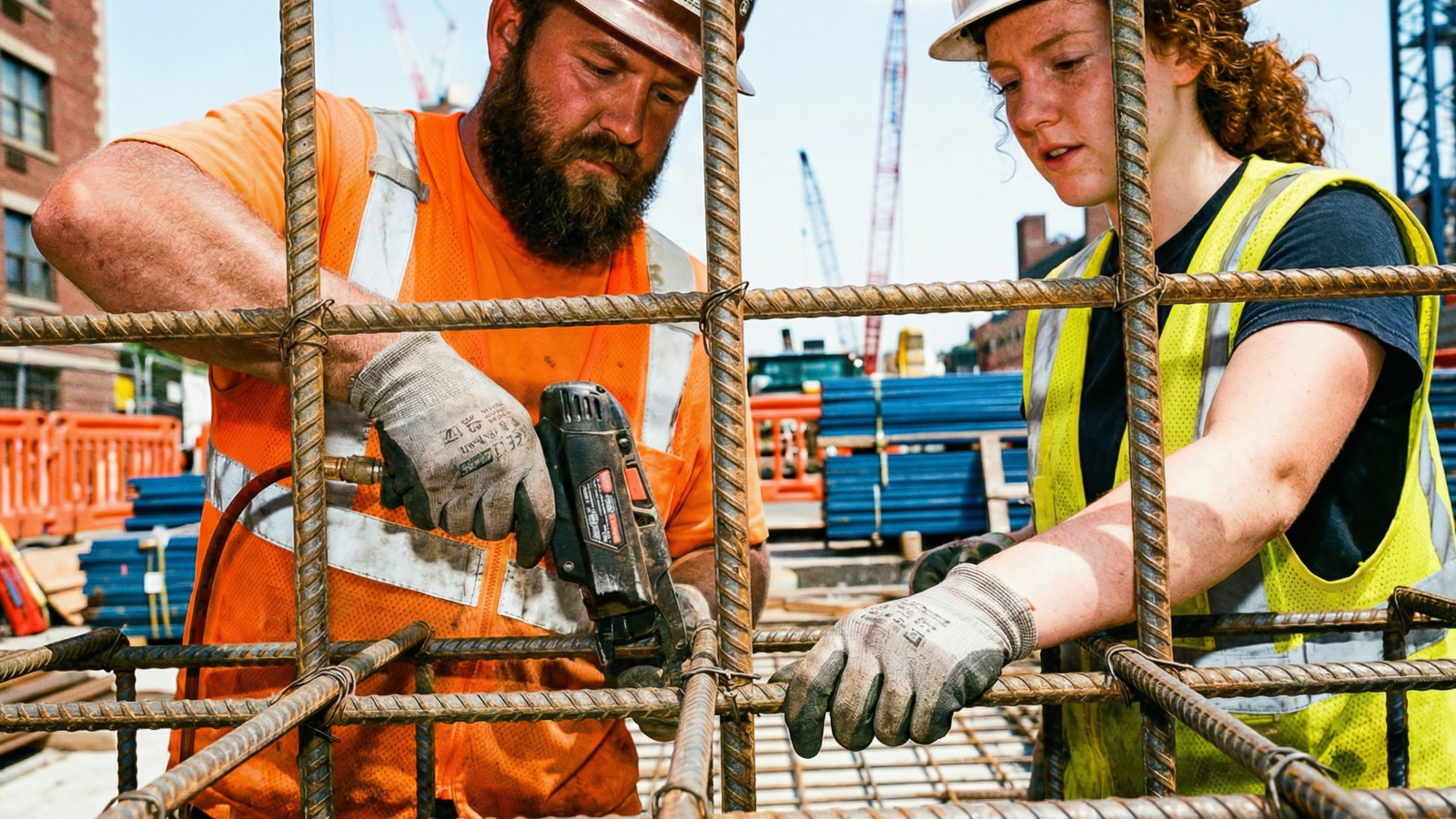
A patchwork of wage and employment growth can be seen across sectors. Strong demand remains for on-the-ground and operational roles, as evidenced by 4.6 per cent quarterly growth for Administration and Office Support roles and a 2.4 per cent increase in Construction and Trade Services jobs.
At the other end of the scale, the sharpest decline in employment growth is in Science and Technology positions, down 2.9 per cent in the past three months. Education and Training and Consulting and Strategy are also trending towards contraction. But while they’re hiring less, the latter sectors are paying more, with 7.7 per cent and 4.2 per cent wage growth respectively since May. Information and Communication Technology is the only industry to experience negative quarterly employment growth (-0.1 per cent) and wage growth (-0.4 per cent). This is noteworthy, considering Information and Communication Technology is the highest-paying SME sector, with an hourly rate of $91.09.
Stagnation Highlights Need For Productivity Boost
As employment growth slows and wages remain high, attention turns once again to productivity, which remains stubbornly flat. This means small and medium businesses are paying staff more for the same amount of work they were performing at this time last year.
“SME leaders aren’t losing ambition, but they are turning to technology, automation and AI to help their existing teams do more before committing to major headcount expansions,” Keene says.
Employers may also be relying on junior staff instead of paying more for senior employees. The strongest gains in growth in SMEs are in the youth demographic, with employment expansion up 2.5 per cent versus three months ago and wages 8.2 per cent higher year on year.