New Zealand
 United Kingdom
 Singapore
 Malaysia
 Canada (Français)

 Australia


The annual performance review has a reputation problem — and honestly, it’s earned. Sitting down once a year to evaluate 12 months of work in a single meeting isn’t development. It’s a retrospective. And if your team member is hearing critical feedback for the first time in that room, you’ve already waited too long.
The shift is moving from performance reviews as an event to performance management as a habit. Regular one-to-ones, goal check-ins, and ongoing feedback are what actually drive performance. The formal review is just the checkpoint, not the whole system.
HOW TO RUN A PERFORMANCE REVIEW THAT WORKS
BEFORE THE REVIEW
▸ Schedule at least 2 weeks in advance — this is not a drop-in
▸ Send a self-evaluation form beforehand so the conversation isn’t purely top-down
▸ Review their goals, KPIs, and actual data — not impressions
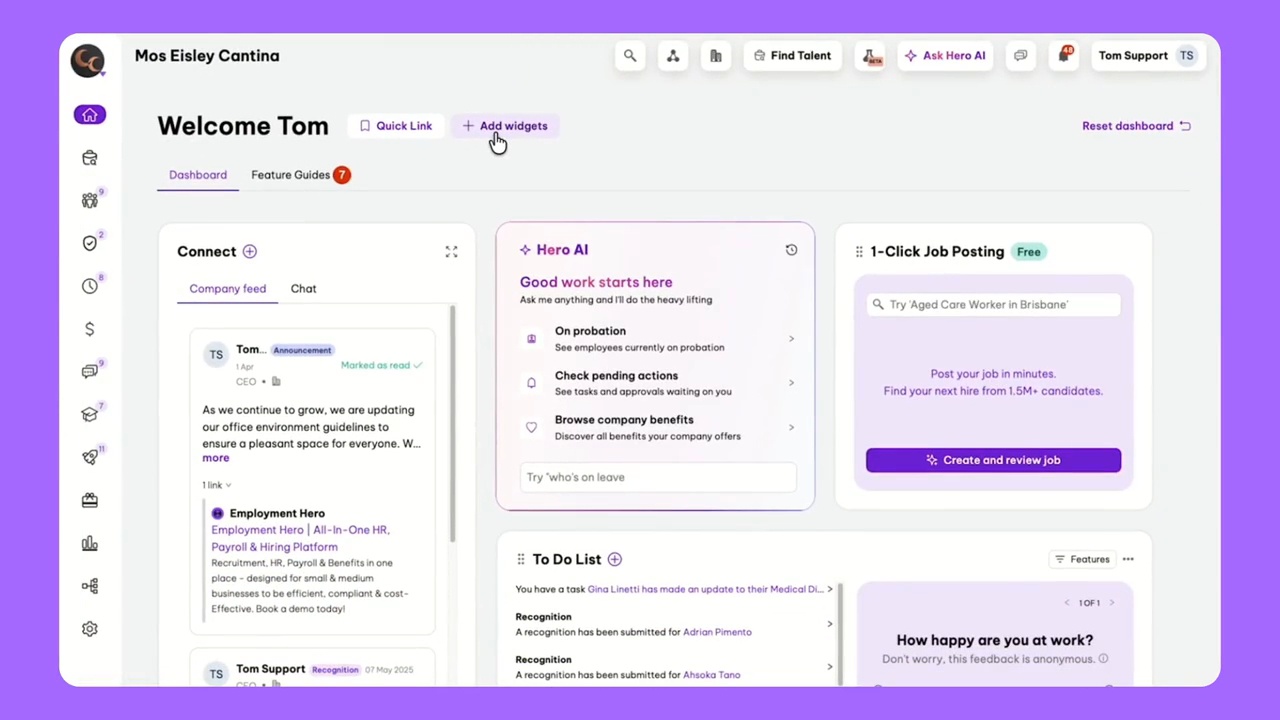
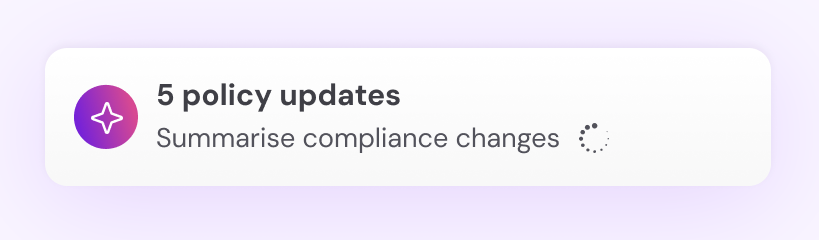
▸ Use Hero AI to surface recurring themes, key strengths, and development areas across review cycles in seconds — no manual reading required
IN THE REVIEW
▸ Start by creating space — let your employee share first
▸ Walk through their self-evaluation together and listen before you respond
▸ Lead with strengths, then areas for improvement — and be specific (“you could communicate better” is not feedback)
▸ Bring in 360 feedback from peers and direct reports for a complete picture
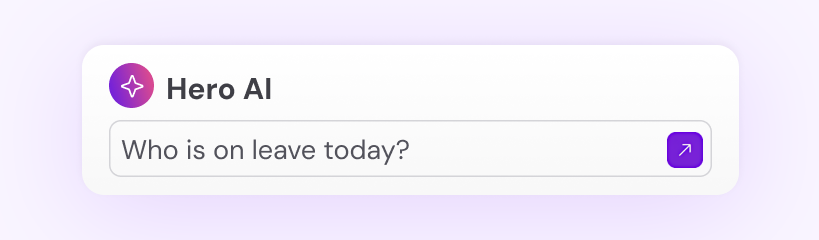
▸ Use Hero AI mid-meeting to check goal status, overdue training, or happiness survey trends — permission-safe, without breaking the flow
AFTER THE REVIEW
▸ Document the discussion and share a summary with your employee
▸ Set goals for the next 3, 6, and 12 months
▸ Schedule follow-up one-to-ones to track progress
The performance review is only as valuable as the action it drives. When you build this into a rhythm — regular one-to-ones, quarterly goal check-ins, and a formal review twice a year — the dread disappears.
Employment Hero brings review cycles, self-evaluations, 360 feedback, goal tracking, and one-to-ones into one place. And with Hero AI, the synthesis work happens in seconds, not hours.
Video transcript
Minimise
The annual performance review has a reputation problem, and honestly, it's earned. Sitting down once a year to evaluate twelve months of work in a single meeting isn't development, it's a retrospective. And if your team member is hearing critical feedback for the first time in that room, you've already waited too long. The good news is that performance reviews can be made to feel more like performance discussions. The shift is moving from performance reviews as an event to performance management as a habit.
Regular one to ones, goal check ins and ongoing feedback are what actually drive performance. The formal review is just the checkpoint, not the whole system. When you get that right, the review itself becomes a conversation your team looks forward to, not dreads. Before we get into the how, it's worth being clear on what a performance review actually is because it often gets confused with other things. A performance review is a formal scheduled assessment of an employee's performance over a set period. It's different from a one to one, which is an informal regular catch up focused on day to day progress and removing blockers, and is very different from a performance improvement plan, which addresses specific underperformance concerns.
Using the wrong language really matters. There's a big difference between telling your team you're reviewing their performance and telling them you're performance managing them. So how do you actually run a good performance review? Let's start with the preparation because this is where most managers fall short.
Here's where Hero AI changes the preparation game. Instead of reading through every review response manually, which is time consuming and easy to miss things, you can ask Hero AI to surface recurring themes, key strength and development areas across your team's review cycles. You can even ask it to pull together talking points before a coaching conversation. So you walk in prepared, not scrambling.
First, schedule it well in advance, at least two weeks notice. This isn't a drop in. Both of you need time to prepare. Second, send your employee a self evaluation form beforehand.
Ask them to reflect on their goals, their achievements, and where they want to grow. This gives you both a starting point and prevents the review from being purely top down.
Third, review their goals and KPIs for the period. Collect actual data and examples, not impressions. What did they achieve? Where did they fall short?
What context matters? Matters? The more specific you are, the more useful the conversation will be. And when you open Hero AI directly from a one to one session, it already knows who you're preparing for.
No need to specify the employee. It focuses automatically, so there's less friction between deciding to prepare and actually doing it. Now the review itself. Start by creating space.
This is their time to share their thoughts and feelings, not a monologue from you. Walk through their self evaluation together and listen before you respond. Share your assessment of their achievements and strengths first, then areas for improvement. Be specific.
You could communicate better is not feedback. In the Q2 project, decisions were made without the wider team being informed, which caused delays. That's effective feedback. If you're running three sixty reviews, bring those insights in here too.
Peers and direct reports often see things a manager misses, and that perspective is genuinely valuable for the employee's development. Close the meeting with agreed next steps, not just observations. What will they focus on next quarter? What support do they need from you?
And what does success look like?
During the conversation, if questions come up, say whether they've completed mandatory training or where they stand on a goal, you can ask Hero AI directly. Type at to tag the specific employee and ask. Their learning progress, overdue courses and goal status. It's all there, permission safe, without breaking the flow of the meeting to go digging.
If you run happiness surveys, Hero AI can surface sentiment trends and pull out themes in comments. This gives useful context to understand how someone has been feeling across the period, not just how they performed. This still respects their privacy and is accessible right when you need it. Once you've completed your performance discussion, don't stop there.
Document the discussion and share a summary with your employee. Both of you should have a clear record of what was said, what was agreed and what the next steps are. Set goals for the next three, six and twelve months and schedule follow-up one to ones to track progress against them. The performance review is only as valuable as the action it drives.
If nothing changes after the meeting, nothing changes in performance. When you build this into a rhythm, regular one to ones, quarterly goal check ins, and a formal review twice a year, the performance review dread really disappears. Your team knows where they stand, they feel supported, and the formal review becomes a conversation you're both ready for. If you're running this process manually, chasing self evaluations over email, tracking goals in spreadsheets, storing review notes in folders, Employment Hero brings all of it into one place.
Review cycles, self evaluations, three sixty feedback, goal tracking and one to ones are built in. And with Hero AI, the synthesis work happens in seconds, not hours. That includes finding patterns, preparing for conversations and answering questions mid meeting. Performance reviews don't have to be hard work.
Done well, they're one of the most valuable conversations you can have with your team. Book a demo at employmenthero.com to see how you can supercharge your performance reviews and your employee experience.