 Australia
 New Zealand
 Singapore
 Malaysia
 Canada (Français)

 United Kingdom






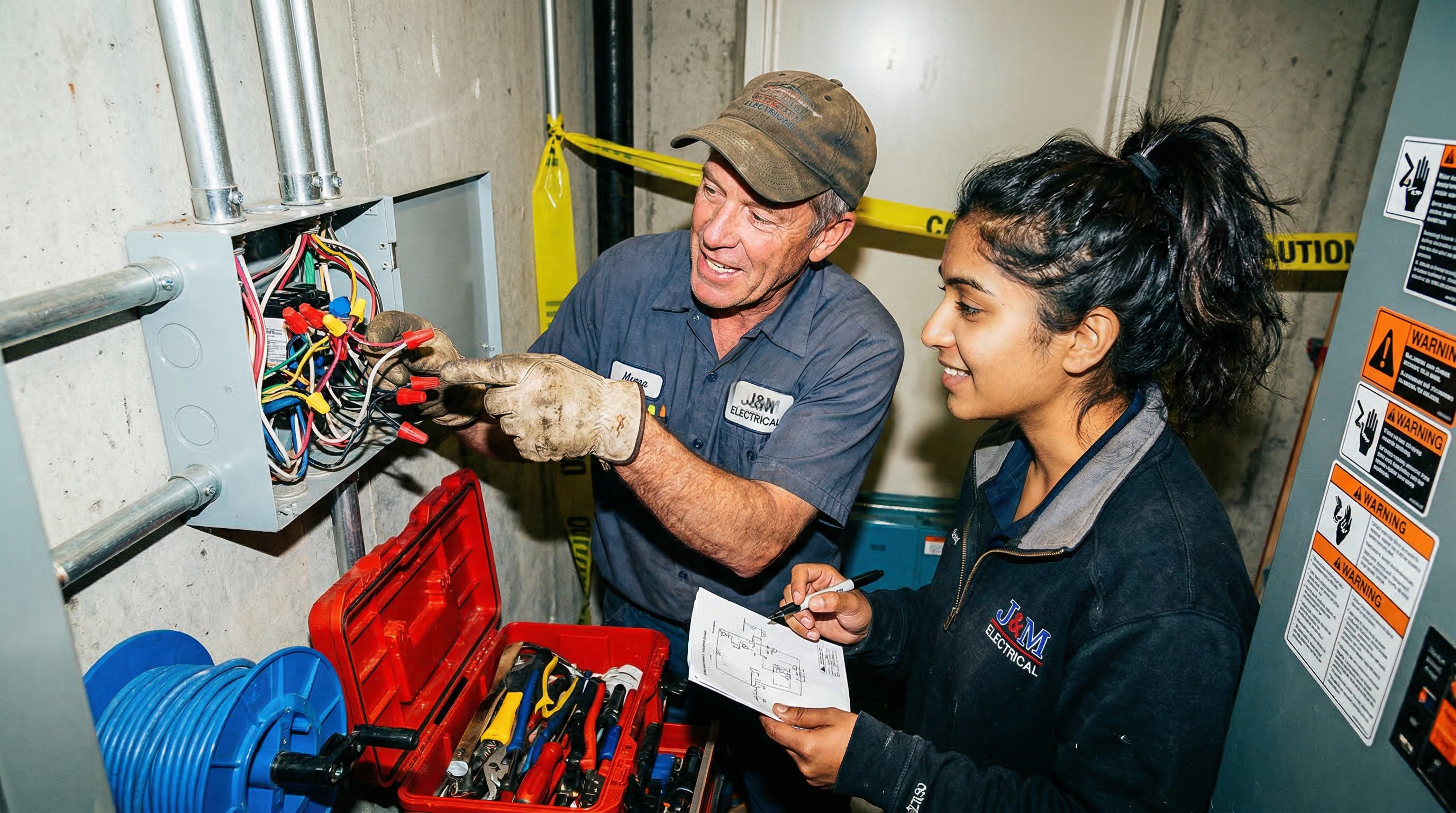
More young people moved into work over the summer, according to the latest figures from the Office for National Statistics (ONS), even as some employers say the cost of hiring them has made degree apprenticeships harder to justify.
The ONS Labour Market Overview, published on 20 October, shows youth unemployment fell by 28,000 to 715,000 in the three months to August. Over the same period, the number of 16 to 24-year-olds in work rose by 83,000 on the previous quarter to 3.88 million.
Payroll data from Employment Hero’s September Employment Index, covering 169,661 employees at 4,842 small and medium-sized businesses (SMEs), points the same way, with Gen Z employment up 4.8% over the quarter – the highest growth of any generation in the Index.
Fiona Conor, managing director of Trust Electric Heating, a 55-person radiator manufacturer in Leeds that has brought four young people through degree apprenticeships, told the Financial Times she has paused further recruitment, adding that “we cannot risk that now because of the increased cost”.
Youth Unemployment in the Latest ONS Figures
The quarterly improvement still leaves young people in a weaker position than a year ago. The youth unemployment rate fell to 15.6% in June to August from 16.4% in the three months to May, but it remains above the 14.6% recorded a year earlier, with 54,000 more young people out of work than 12 months ago. The ONS’s latest count of young people not in education, employment or training (NEET) follows a similar pattern: 981,000 in April to June, down 30,000 on the quarter but up 30,000 on the year.
Because youth figures rest on smaller samples, the ONS cautions that they are more prone to volatility. It advises reading short-term changes alongside “corresponding movements in other sources, to give a fuller picture”. Employment Hero’s payroll data is one of those sources, and it shows Gen Z employment at SMEs rising 1.9% in September alone, and 4.7% in science and technology.
Degree Apprenticeship Costs for UK Employers
Statutory pay for young workers has risen faster than for older staff. From April, the minimum wage for 18 to 20-year-olds rose 8.5% to £10.85 an hour, roughly double the 4.1% increase in the National Living Wage, while the apprentice rate rose 6% to £8. In Employment Hero’s Employment Index, Gen Z median pay was 9.4% higher in September than a year earlier.
Kiran Fothergill, director of Stockton-based Pickerings Lifts, which employs 600 people, told the FT that the cost of hiring a younger worker has risen by a fifth since the 2025 Budget. Robert Halfon, executive director of Make UK and a former Conservative skills minister, also speaking to the FT, said that employment costs and red tape are weighing on members keen to offer degree apprenticeships.
That reluctance hasn’t yet shown up in national totals. Official apprenticeship statistics show Level 6, or degree-level, apprenticeship starts across all ages in England rose 4.9% to 25,140 between August 2025 and April 2026, compared with the same period a year earlier, more slowly than the 8.7% rise in apprenticeship starts overall. In a statement reported by the FT, the Department for Work and Pensions pointed to the tax breaks businesses already receive, including a national insurance exemption for apprentices under 25.
SME Hiring and Youth Jobs Before the Budget
Under the Government’s Professional and Business Services Jobs Plan, published on 19 October, businesses in the sector committed to hiring 22,400 apprentices aged under 25 each year for five years at Level 6 and below. Smaller employers that don’t pay the apprenticeship levy can also claim a new £2,000 hiring payment from this month when they take on an apprentice aged 16-24 as a new employee.
Smaller employers are also where the ONS locates this quarter’s fall in vacancies, down 21,000 to 691,000, with those businesses continuing to suggest they may not be recruiting because of increased labour costs. Employment Hero’s data shows small business hiring slowing among the same group, and Kevin Fitzgerald, UK Managing Director at Employment Hero, connects that caution to the Budget:
“Today’s figures reflect what we’re seeing on the ground among the UK’s small businesses. Our latest Employment Index shows that hiring momentum among small businesses is slowing, with employment growth falling from 4.9% in March to 2.9% in September.
“With the Autumn Budget approaching, SMEs are understandably holding fire. And who can blame them? Over the past two years, they’ve had to navigate successive changes to employment costs and legislation, with our data showing just how long it’s taken for hiring to recover.
“Small businesses have shown remarkable resilience, but with hiring only now returning to early-2024 levels, the Chancellor needs to recognise that there is a limit to how much uncertainty they can absorb.”