

















How to create an employee training plan: Free template
Published
How to create an employee training plan: Free template
Published
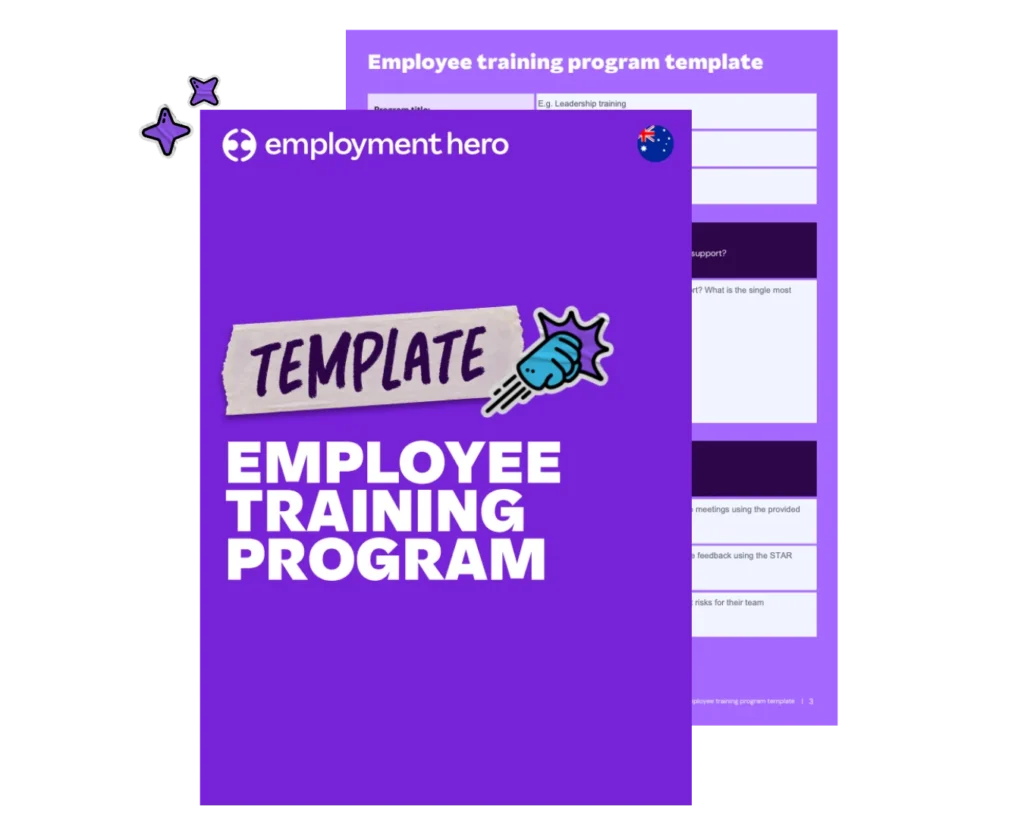
Building a business is one thing, but building a team that can carry it forward is where the real magic happens. As an employer, you know that your people are your greatest asset. Investing in their growth has the potential to be a strategic move that fuels productivity, boosts morale and keeps your best talent from walking out the door.
But where do you start? The idea of creating an end to end training program can feel overwhelming. This guide will walk you through creating an effective employee training plan that aligns with your business goals and delivers real results.
Download the template now by filling out the form on the right.

What should a training program outline include?
A robust training program needs a strong foundation. Think of the outline as the blueprint for your team’s development journey. It makes sure that every piece of training is purposeful, relevant and measurable.
Here are the essential components of a well-designed training roadmap.
Learning objectives
What should employees know or be able to do after the training? Start with the end in mind. Objectives must be clear, specific and measurable. For example, instead of “Improve communication,” a better objective is “Team members will be able to use the STAR method to give constructive feedback in one-on-one meetings.”
Target audience
Who is this training for? New hires, aspiring managers or the entire sales team? Defining your audience helps you tailor the content, language and delivery method to their specific needs and existing skill levels.
Content and topics
Break down the training into key modules or topics. What specific subjects will you cover to achieve your learning objectives? This section should detail the curriculum, from high-level concepts to the practical skills you’ll teach.
Delivery methods
How will you deliver the content? Options range from in-person workshops and one-on-one coaching to self-paced online courses and virtual reality simulations. The best approach often involves a blended model that combines different methods for maximum impact.
Timeline and duration
How long will the training take? Specify the duration of each session and the overall timeframe for the program. A realistic timeline helps employees manage their workload and keeps the training on track.
Assessment and measurement
How will you know if the training worked? You need methods to assess learning and measure success. This could include quizzes, practical assignments, peer reviews or tracking Key Performance Indicators (KPIs) before and after the training.
Required resources
List everything you’ll need to run the program, including trainers, software, training materials, physical space and budget.
Having these elements clearly defined in your outline provides a clear path forward, making the entire process more manageable and effective.
How do you create an employee training program that works?
Creating a program that genuinely delivers results needs to be an engaging experience that resonates with your team and translates into tangible skills.
Here’s how to build a program that delivers real value:
- Start with a needs analysis: Before you build anything, figure out what you need. A training needs analysis helps you identify the specific skills gaps in your team. We’ll dive deeper into this later, but it involves looking at business goals, team performance and individual career aspirations.
- Align with business goals: Your training initiatives should never exist in a vacuum. Connect every program directly to a wider business objective. Want to increase customer satisfaction by 15%? Design training focused on communication and problem-solving skills for your customer service team. This alignment makes sure your training investment delivers a clear return.
- Involve your people in the process: The best way to create training that people actually want to take is to ask them what they need. Involve employees and their managers in the planning process. They have the on-the-ground insights into the challenges they face and the skills they need to overcome them. This co-creation fosters a sense of ownership and boosts engagement from the start.
- Focus on practical application: Theory is good, but application is best. Design your training around real-world scenarios and hands-on activities. The goal is for employees to walk away with skills they can apply to their job the very next day.
- Measure, gather feedback and iterate: A training program is not something that’s one-and-done. Continuously measure its effectiveness against your initial objectives. Collect feedback from participants to understand what worked and what didn’t. Use these insights to refine and improve your programs over time.
By focusing on these principles, you can create a learning culture that not only closes skill gaps but also enhances the overall employee experience, making your company a place where people are excited to grow.
Why is employee training important for your business?
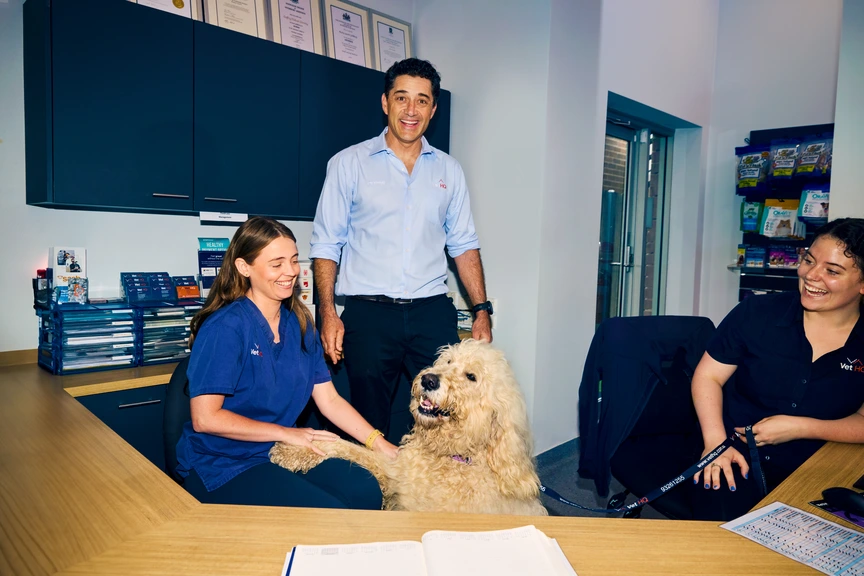
Investing in your team’s skills is one of the smartest decisions you can make for your business. It’s a direct investment in your company’s future success. When you empower your employees with the right knowledge and tools, the benefits ripple across the entire organisation, impacting everything from your bottom line to your company culture.
Here’s why employee training is so critical for business growth.
Improved productivity and performance
This is the most direct benefit. Well-trained employees are more confident and competent in their roles. They make fewer mistakes, work more efficiently and produce higher-quality work. This boost in individual performance naturally leads to improved team and company-wide productivity.
Increased employee morale and engagement
When you invest in your employees’ learning and development, you’re sending a powerful message: “We value you and we’re committed to your success.” This recognition boosts morale and makes employees feel more connected to the company. Engaged employees are more motivated, passionate and committed to your business goals.
Enhanced staff retention
In Australia, the cost of losing a team member is a major blow to the bottom line, with the average SME spending approximately $13,545 per year on hiring. Beyond initial recruitment fees, the total impact of turnover is even more significant, with the cost of an employee’s departure generally equating to about 33% of their annual salary when accounting for lost productivity and training periods.
The good news is that you can actively avoid these costs by investing in your people, as providing robust training and development opportunities is a proven retention power move. Our Employee Movement and Retention Report found that a lack of career opportunities is actually the number one reason Australians look for the exit, with 31% of workers citing it as their top driver for leaving.
If you’re looking for a way to keep your best talent from jumping ship, the answer lies in the data. It shows that 21% of employees say that more training and development would be the key initiative to encourage them to stay put.
Attraction of top talent
A strong training program can be a major differentiator in a competitive job market. Top candidates are looking for more than just a salary; they want opportunities to learn and grow. Highlighting your commitment to employee development in your job postings and interviews can help you attract the best talent.
Adaptability and innovation
The world of work is constantly changing. Training helps your team stay ahead of the curve by developing new skills and adapting to new technologies and processes. A skilled workforce is an agile workforce, better equipped to embrace change and drive innovation, especially in the age of AI.
For a deeper dive into the benefits of employee training, check out our guide to training employees.
What makes leadership training effective?
While some people may have natural leadership tendencies, the practical skills required to lead a team effectively, like coaching, giving feedback and strategic thinking, need to be developed. Effective leadership training moves beyond theory and equips your managers with the tools they need to inspire, motivate and guide their teams to success.
So, what are the key ingredients of leadership development that truly build great managers?
- Focus on practical, actionable skills: Effective training focuses on practical skills that managers can use immediately. This includes workshops on conducting effective one-on-ones, navigating difficult conversations, coaching team members for performance and delegating tasks effectively.
- Real-world scenarios: The best way to learn is by doing. Use role-playing exercises to simulate common management challenges, such as addressing underperformance or mediating a conflict between team members. This allows managers to practise their new skills in a safe, supportive environment before applying them in the real world.
- Ongoing coaching and mentorship: A one-off workshop is rarely enough to create lasting change. Effective leadership development is an ongoing process. Pair formal training with ongoing coaching or mentorship from experienced leaders. This provides a continuous feedback loop and helps managers navigate the unique challenges they face in their roles.
- Measuring impact on team performance: The ultimate test of leadership training is its impact on the team. Track key metrics like employee engagement, team productivity and staff turnover for the teams of managers who have undergone training. This helps you measure the ROI of your program and identify areas for improvement.

How can you design an effective employee training program?
Designing an effective programme is a strategic process that requires careful planning. You want to break down your goals into manageable steps and use varied formats to create a learning journey that is both engaging and impactful.
Here’s a step-by-step process for designing a programme that works:
1. Define clear and measurable goals:
Start by revisiting your needs analysis. What specific problem are you trying to solve? Your training goals should follow the SMART framework.
For example, a goal might be: “By the end of Q3, 90% of our sales team will be able to conduct a product demo that scores at least 8/10 on our internal quality rubric.”
2. Break down content into modules
Once you have your goals, break down the required knowledge and skills into logical modules or lessons. This makes the content more digestible for learners and easier for you to create. For each module, outline the key learning objectives, activities and assessment methods.
3. Choose the right delivery formats
There’s no one-size-fits-all solution for content delivery. The best approach often involves a blended learning model that combines different formats.
Consider:
- eLearning modules: Great for foundational knowledge and self-paced learning.
- Live workshops (in-person or virtual): Ideal for interactive activities, group discussions and role-playing.
- Coaching and mentoring: Provides personalised guidance and support.
- On-the-job training: Allows employees to apply new skills in a real-world context.
- Social learning: Encourage knowledge sharing through team chats or internal forums.
4. Develop engaging training materials
Create materials that are clear, concise and visually appealing. Use a mix of text, images, videos and interactive elements to keep learners engaged.
If you’re creating your own training content, an Employee Learning Management System (LMS) can be invaluable. Employment Hero’s LMS, for instance, allows you to build custom courses, upload materials and track employee progress all in one place.
5. Create a pilot program
Before you roll out the training to the entire target audience, test it with a small group of employees. This pilot program allows you to gather feedback and make any necessary adjustments to the content, format or timing.
This strategic design process makes sure that every element of your training program is purposeful and aligned with your ultimate objectives, setting you up for success from the start.
What’s the best way to create an employee training plan?
Creating a forward-thinking training plan is about aligning your team’s development with your long-term business goals. The process starts with understanding where your business is going and what skills your team will need to get there.
The best way to build this plan is to conduct a thorough skills gap analysis and use the findings to prioritise your training needs.
A skills gap analysis is the process of comparing your current workforce’s skills against the skills your company needs to achieve its objectives. It helps you answer three critical questions:
- Where are we now? (Current skills).
- Where do we want to be? (Required skills).
- How do we bridge the gap? (Training needs).
By systematically identifying these gaps, you can be confident your training budget is spent on initiatives that will have the greatest impact on your business. This strategic approach prevents you from wasting resources on training that isn’t aligned with your most pressing needs.
How do you assess training needs in your team?
Assessing training needs is the crucial first step in building a plan that hits the mark. It makes sure you’re solving the right problems. To do this effectively, you need to gather information from multiple sources to get a complete picture of where your team needs support.
Here are some practical methods for identifying training needs:
- Review business goals and roadmaps
- Analyse performance data
- Conduct surveys and questionnaires
- Hold conversations with managers and employees
- Observe employees in action
By combining these methods, you can build a comprehensive understanding of your team’s training needs, allowing you to create a targeted and effective training plan.
How do you gather feedback and iterate on training?
Creating a great training programme isn’t a one-time effort. The key to long-term success is to build a continuous loop of feedback and improvement. Gathering insights from participants after each session helps you understand what’s working, what isn’t and how you can make future training even more effective.
Here’s a few ways to gather feedback and iterate on your training:
- Use post-training survey
- Conduct follow-up interviews
- Talk to managers
- Analyse performance data
- Schedule regular reviews
By treating feedback as a gift, you can turn a good training programme into a great one, ensuring it continues to deliver value for your employees and your business.
Get your training plan started the smart way with Employment Hero
Ready to stop guessing and start building a training program that drives real results? An effective training plan is your roadmap to a more skilled, engaged and productive team.
Don’t let the planning process hold you back. Download our free employee training plan template to get a head start. This customisable template provides the structure you need to outline your objectives, content and success metrics, making it easier than ever to turn your training vision into a reality.
Download the template now by filling out the form on the right.
Register for the template
Related Resources
-
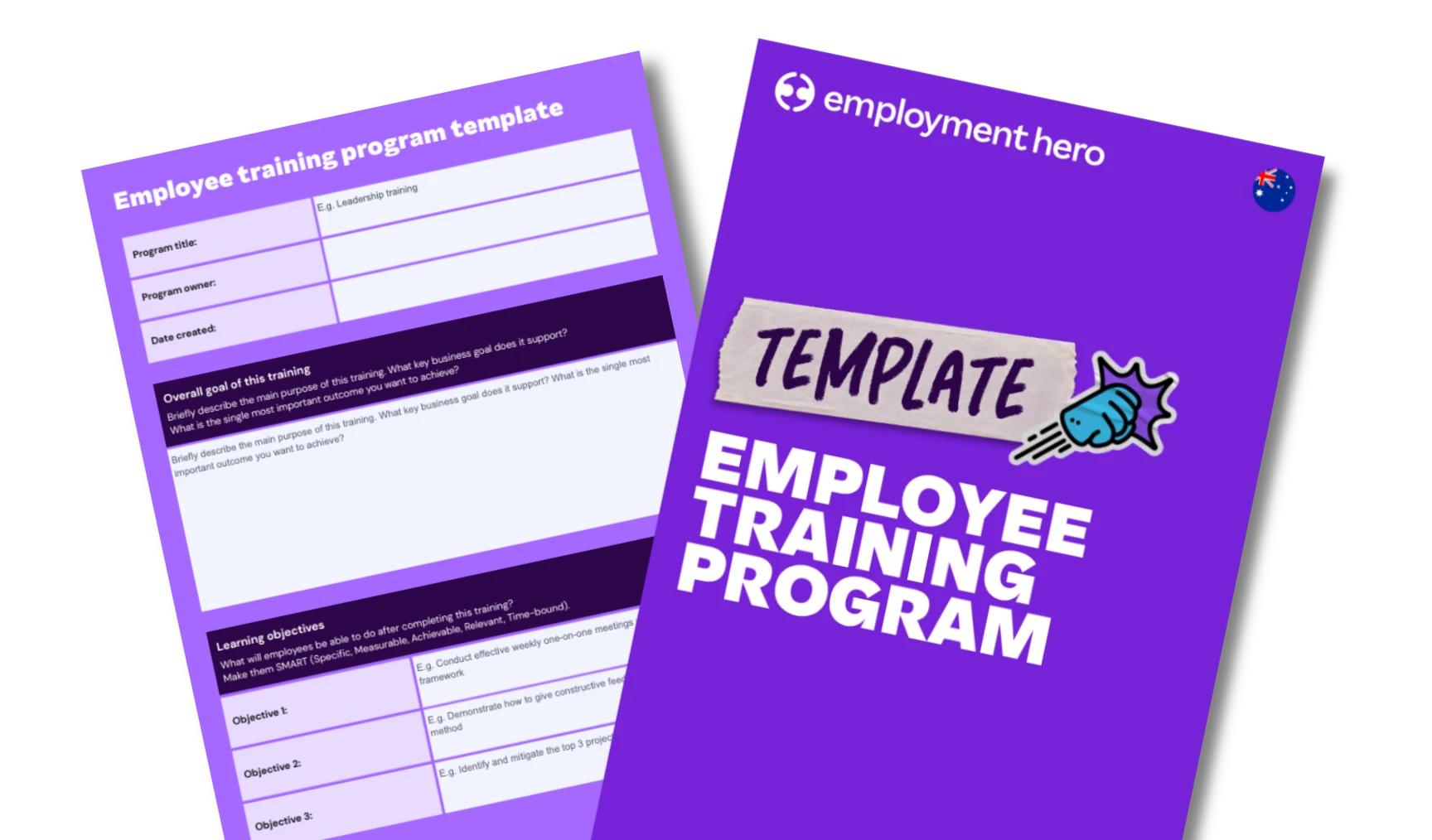 Read more: How to create an employee training plan: Free template
How to create an employee training plan: Free template
Ready to build a training program that drives results? Learn how to create an effective employee training outline that aligns…
-
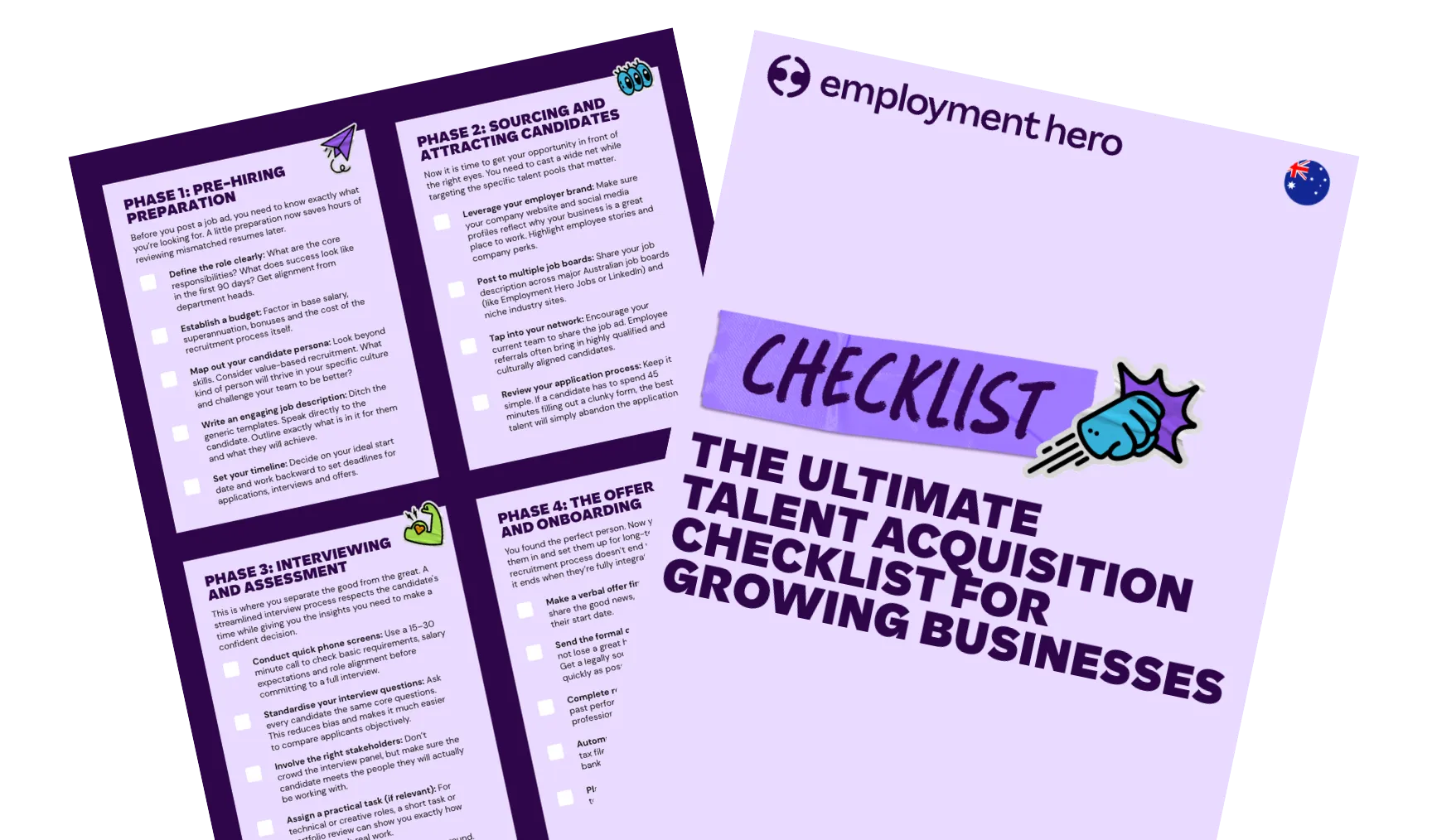 Read more: Talent acquisition audit checklist
Talent acquisition audit checklist
A talent acquisition audit is your secret weapon to cut costs, find better candidates and build the team of your…
-
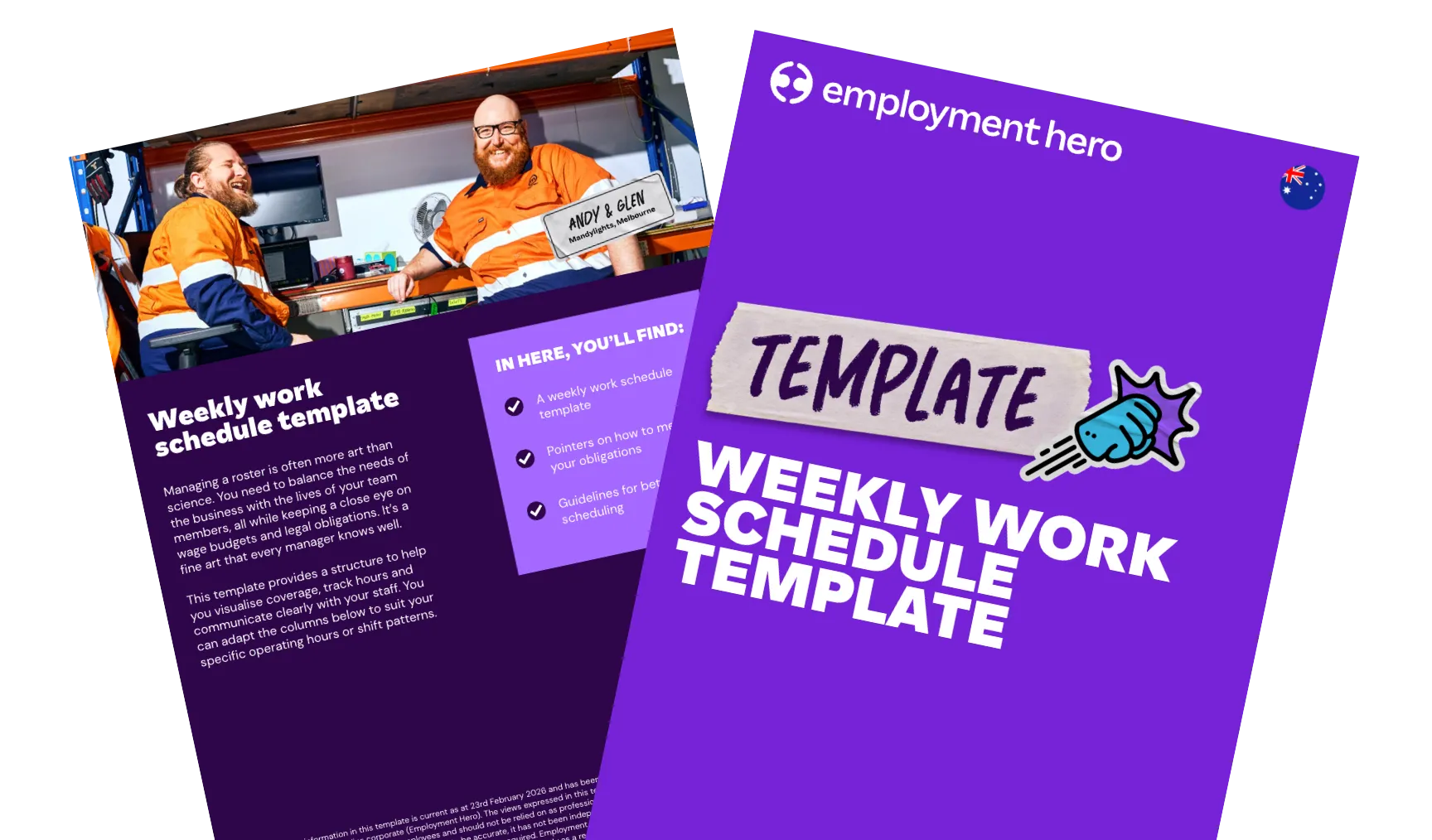 Read more: Designing an employee work schedule: template and guide
Designing an employee work schedule: template and guide
Learn how to create a flexible work schedule that can boost productivity among your employees.

