 Australia
  New Zealand
  Singapore
  Malaysia
  Canada (Français)
 United Kingdom



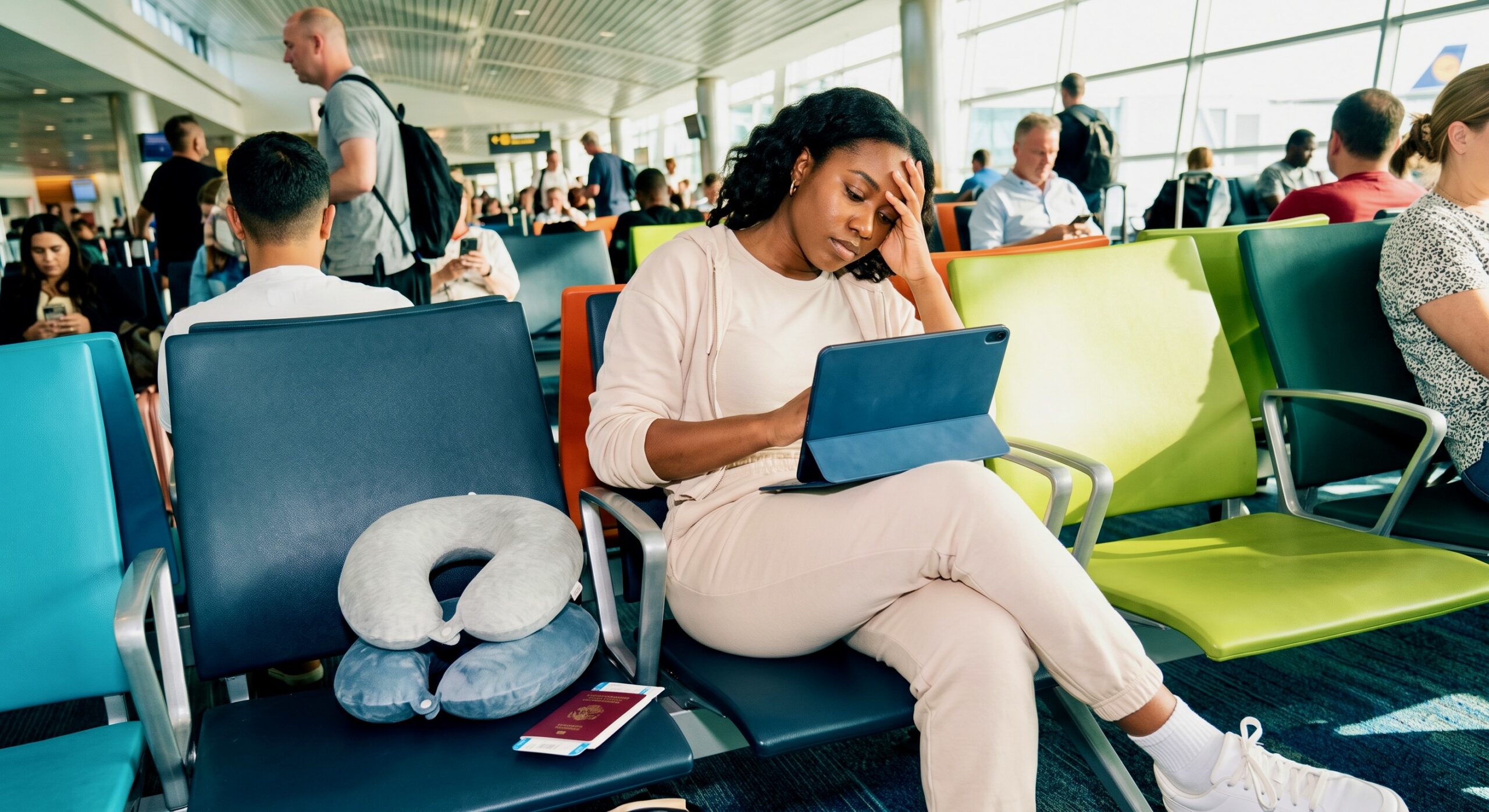
While the Prime Minister faces scrutiny over going on holiday weeks into the job, new research reveals the UK’s youngest workers are wrestling with switching off too.
Out of step with stereotypes about young people, which have often painted Gen-Z as “lazy” or “entitled”, it appears this generation isn’t immune to buying into the busy workplace cultures that older people have long complied with – especially when it comes to their time off.
In fact, according to Employment Hero’s data, as many as four in 10 (41%) Gen-Z employees say they work every single day of their annual leave compared to 27% nationally.
The research draws on a survey of 1,000 UK employed adults commissioned by Employment Hero with OnePoll in July, alongside the company’s analysis of around 40,000 anonymised UK employee leave records processed on its platform in June.
The state of the economy goes a long way towards explaining why this generation disproportionately experiences this “fear of switching off” (Foso). UK unemployment reached its highest level since 2020 earlier this year, with the number of 16-24-year-olds classified as not in education, employment or training hitting 960,000 by the end of 2025, up from 830,000 three years earlier. And vacancies have also fallen, meaning 2.6 unemployed people are now competing for every available role, up from 1.9 a year ago.
Twenty-eight-year-old Financial Adviser and Founder Ola Majekodunmi created All Things Money, a personal finance platform designed to help young people financially navigate adulthood, in 2020. She quickly found that many of the young people she provides guidance for are anxious about job security amid a tough economy – especially when it comes to voicing those concerns in the workplace.
“Sometimes employers forget that employees need reassurances, and I think marketing materials, updated newsletters to inform employees what’s going on in the workplace and workshops that help empower and support employees, whether that’s with their finances or with how to feel more empowered in the workplace, would be really helpful.”
That same need for better and more open dialogue extends to employees too. She says:
“There are people that are managing to get really good pay rises at the moment through salary renegotiations. And so I think [it’s] about having the boldness to have those kind of conversations to increase your income or multiply your streams of income in different ways as well.”
Highlighting how the research cuts against familiar stereotypes, Kevin Fitzgerald, UK Managing Director at Employment Hero, said: “Gen Z are often labelled as lazy, disengaged or unwilling to work hard but our data suggests the opposite. Younger workers are under pressure to constantly prove that they are committed, present and productive, and that pressure is now showing up in how they take holidays, how they switch off and even how they use AI at work.”
The UK is swapping full weeks off for single days
The length of time employees are taking off is changing too. Fragmented leave – in which employees take their annual leave in small chunks here and there – also seems to be popular, the data shows. However, it’s not a trend that’s strictly limited to Gen-Z.
Employment Hero’s leave data, drawn from roughly 40,000 anonymised UK employee records, shows that among all age groups single days of annual leave are now almost five times more common than booking a full week off this summer.
Survey respondents linked part of the pattern to “holidaymaxxing” – strategically booking single days around bank holidays – but financial pressure (52%) and burnout prevention (29%) were cited as bigger drivers behind the shift to spreading leave throughout the year rather than taking longer breaks.

“I think people are starting to learn that job security isn’t really necessarily a thing anymore,” says Ola.
“The cost of living is so expensive at the moment that I think people are just really fearful for their current job security. Long gone are the days where you can just cut out a coffee and feel richer again.”
Gen-Z feel the guilt most acutely
Employment Hero’s figures are sharper still once narrowed to Gen-Z. Some 39% say they find it difficult to disconnect while on holiday, compared with 21% of the workforce nationally, and almost a quarter (23%) say their manager or colleagues expect them to remain available while they’re away.
Almost a third (32%) have delayed or cancelled a holiday altogether because of anxiety about being away from work, against 21% nationally, while nearly half (49%) feel anxious about returning to work once their leave ends, compared with 40% of the workforce as a whole.
As Kevin highlights, the scale of that anxiety points to a deeper cultural problem:
“When four in ten Gen Z workers find it difficult to disconnect on holiday and almost half worry about returning to work afterwards, it’s a sign that many workplace cultures aren’t giving people permission to properly take a break.”
The cost of living is limiting how much leave Gen-Z can take
Those financial pressures behind the shift to single-day leave are most acutely felt by younger workers. The same survey shows 79% of Gen-Z say rising costs have already affected how much annual leave they can take this year.
“Whether it is taking proper rest or using AI responsibly, employers need to set clear expectations and create a culture where people do not feel they have to prove their value by being permanently switched on,” Kevin adds.
With such an overwhelming majority already outlining out much rising costs have limited their leave, and more than half the workforce citing the same financial pressure behind their move to single days off, the question facing UK businesses this summer isn’t simply whether staff can afford a holiday – it’s whether they feel able to take one guilt-free.