 Australia
  New Zealand
  Singapore
  Malaysia
  Canada (Français)
 United Kingdom






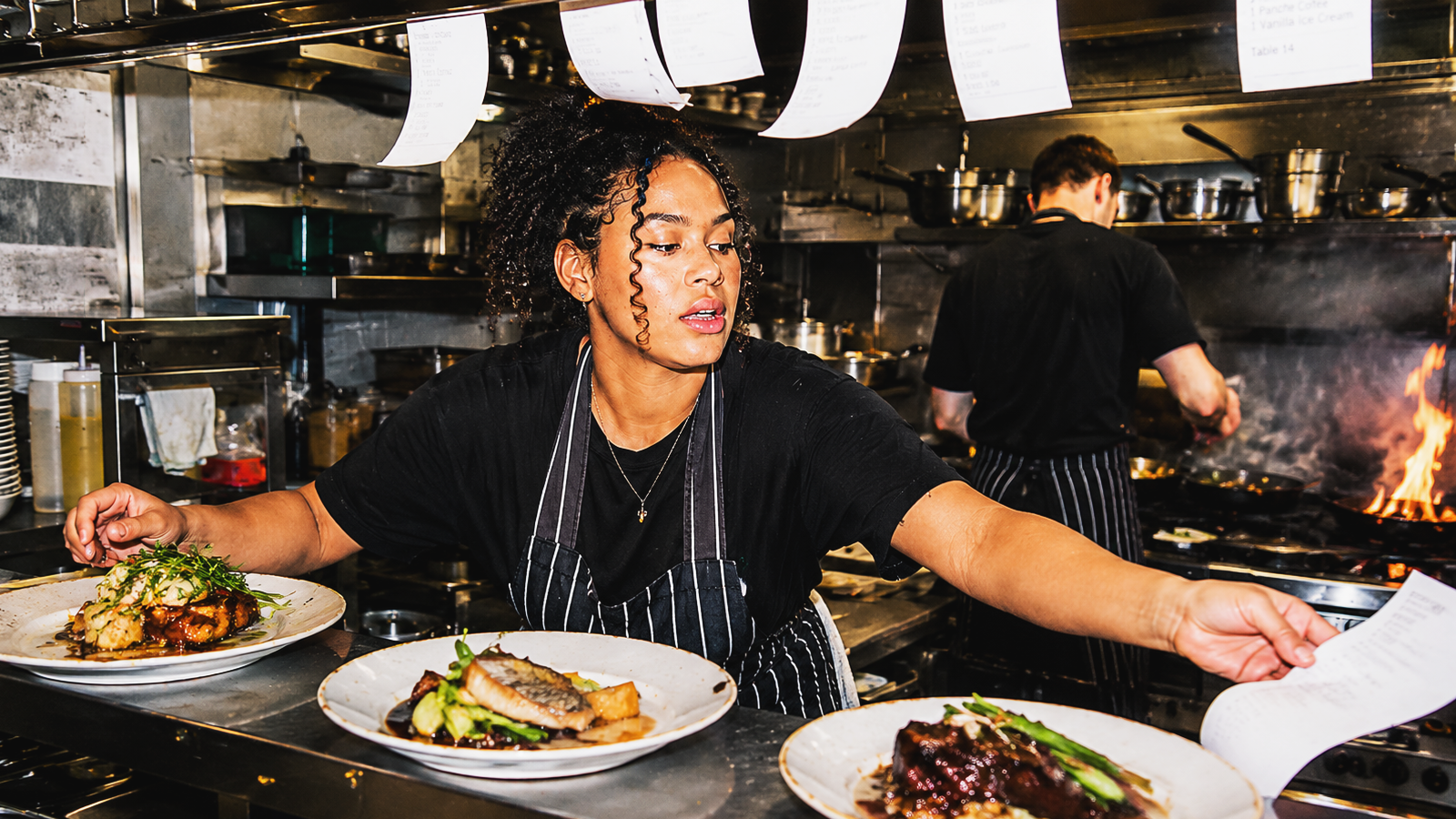
Chancellor John Healey has called in retail and hospitality chiefs for talks weeks before his first Autumn Budget on 28 October, with both sectors pressing him not to raise their tax bills.
According to Whitehall sources that spoke to Sky News, J Sainsbury, Marks & Spencer and Tesco were among those invited to the Tuesday meeting.
Details of the talks emerged as trade body UKHospitality encouraged the Government to walk back the Government’s reduced National Insurance Contribution threshold, which was announced in the 2024 Budget by former Chancellor Rachel Reeves.
Allen Simpson, chief executive of UKHospitality, said hospitality’s “job creation superpower has been put in jeopardy over the past two years, with hospitality hit by more than £5bn in extra costs”. He added: “The result: 100,000 jobs lost and a tax burden double that of a bank.” (The Caterer)
Business Rates and Employer National Insurance Before the Autumn Budget
Retail and hospitality bosses fear a Budget that could bring another round of higher business rates, with larger retailers worried the multiplier could rise for bigger outlets. B&Q, Marks & Spencer, Primark, Sainsbury’s and Tesco, along with the shopworkers’ union Usdaw, had already written to prime minister Andy Burnham about business rates in early September.
Pubs, social clubs and live music venues in England have already been promised a 20% business rates cut from April 2027, on top of a 15% cut earlier this year, with details of which businesses are eligible due at the Budget, the BBC reported in July. Allen said at the time: “Neither hotels nor restaurants have had the help they need.”
New analysis from the British Retail Consortium (BRC), as set out by UKHospitality, found that retailers paid 72p in business taxes for every £1 of pre-tax profit in 2025-26, and hospitality businesses 82p, the highest of the 11 sectors compared, against an average of 50p. The BRC and UKHospitality are jointly calling on the chancellor to reduce the cost burden on both sectors.
The reduced threshold, which fell from £9,100 to £5,000, has been criticised for disproportionately increasing the employer costs of hiring young and part-time workers, The Caterer reported. UKHospitality says the sector hires around 300,000 16- to 24-year-olds a year and employs 18.2% of all young people in work, and wants the threshold raised progressively to £10,000 by the end of the Parliament.
Analysis from the British Beer and Pub Association (BBPA) published on 5 October also estimates that the beer and pub sector supported almost 1 million jobs in 2025 and contributed £37.8bn to the UK economy. It found that 48% of direct jobs, or 341,900, are held by 16- to 24-year-olds, and that 60% of workers are part-time, raising sustained concerns over whether the Budget will introduce policy that will jeopardise employment for young people.
Calling for permanent business rates reform, a beer duty freeze, a larger draught discount and a review of employment costs, Emma McClarkin, chief executive of the BBPA, said: “We are fortunate that the Prime Minister and Chancellor recognise this and are strong supporters of the sector, as demonstrated by the vital 20% cut in business rates recently announced as a first step to support the sector.” She added: “We now need to see permanent business rates reform, a freeze in beer duty and an increased draught discount, along with a review of employment costs to ensure we can continue to keep people in work, boost the economy, and remain as the heart and soul of communities.”
Small Business Pressure Ahead of the Autumn Budget
Taxation is a worry for more than half of businesses, the British Chambers of Commerce’s Quarterly Economic Survey, published on 7 October, has found. Inflation was the top concern, cited by 60% of the more than 4,300 businesses surveyed (92% of them SMEs), followed by taxation at 52%. Labour costs were cited as the main price pressure for 69% of respondents, rising to 78% in hospitality.
A separate survey of 500 small business owners across sectors, run by OnePoll for money.co.uk between 23 September and 1 October, also found that 65% fear a tax rise in the Budget could force them to close within a year, with 29% saying they would freeze hiring.
Hospitality Jobs and Pay Growth at UK Small Businesses
Payroll records in Employment Hero’s Employment Index for September show SMEs in all sectors could already be bracing for potential hikes in costs. The figures, drawn from payroll records at thousands of UK small businesses, show employment growth over three months has cooled from 4.9% in March, the highest reading in the 25-month series, and quarterly salary growth of 0.6% sits close to its 25-month low.
In retail, hospitality and tourism, the picture is slightly different. The numbers suggest businesses in these sectors are still adding staff, though more slowly than the wider economy over the quarter. Average headcount per business in retail, hospitality and tourism rose 2.54% on three months earlier, against 2.9% across all sectors, while salaries rose 0.47%, against 0.6%. September was a stronger month, with headcount in these sectors up 2.61%, against 1.4% overall.
The Chancellor will hear a number of asks from industry bosses on Tuesday morning. His Budget on 28 October will show which, if any, he has the capacity to meet.