













A dietitian-turned-entrepreneur says employers are paying the price for overlooking a critical HR function: health leadership.
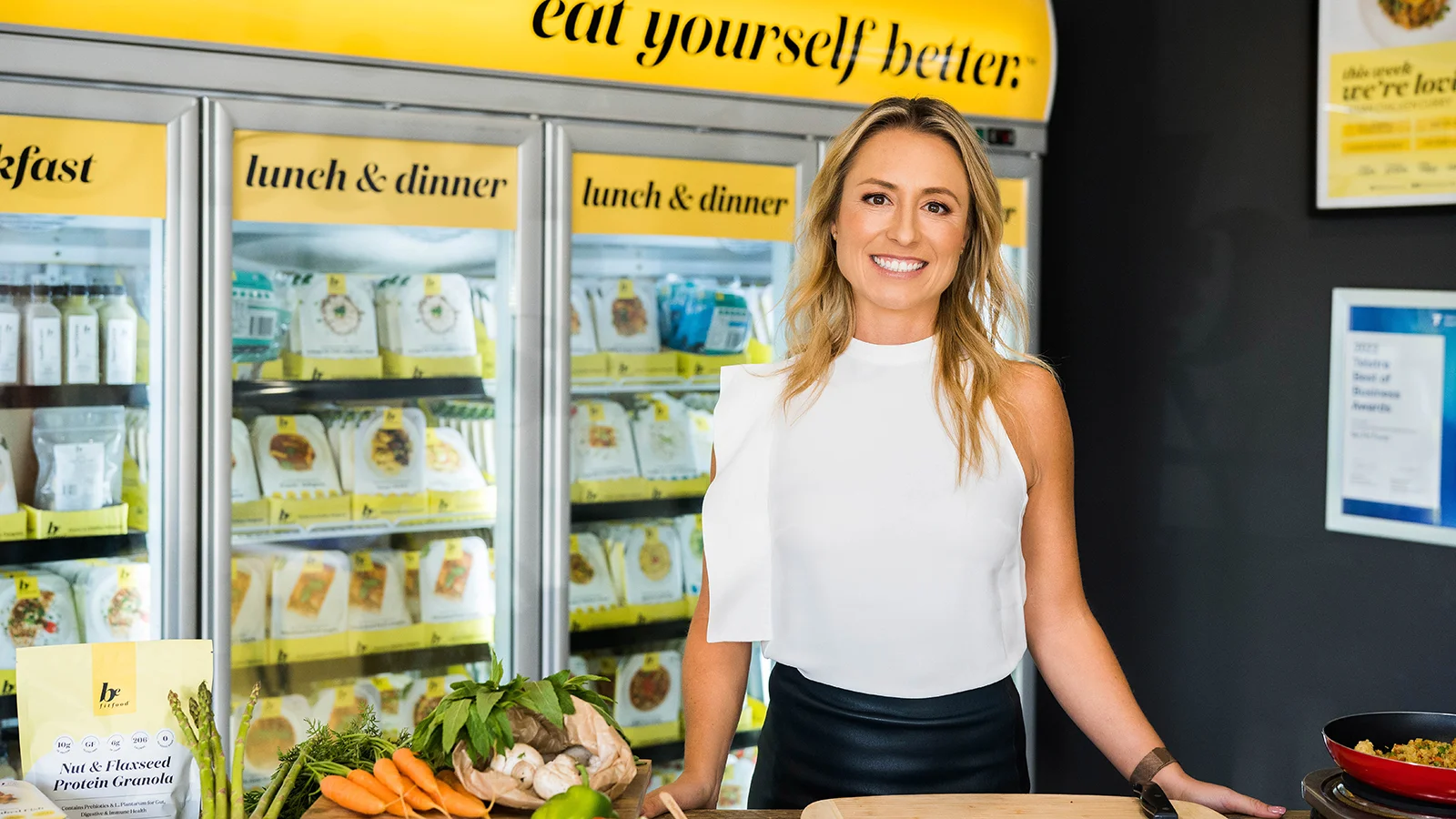
Kate Save is adamant that nourishing food saves lives. The CEO of ready-made meal company Be Fit Food has built a career around helping Australians eat their way to better health and weight loss. So, it astounds her to see nutrition framed as an out-of-hours interest, when people spend a third of their day – and generally eat a meal – at work.
“In workplaces, there’s no strategy around people’s health or around their food or nutrition,” she says, shaking her head. “It is the single most important thing we have in our lives. Without our health, we have nothing. You could have $10 billion but if you don’t have your health you can’t enjoy that. Not $1 of it.”
As Save runs her multi-million dollar business from Victoria’s Mornington Peninsula – shipping scientifically-formulated frozen dishes to every Australian state – she’s split her focus to lobby for what she calls ‘health leadership’: encouraging businesses to support employees’ inner health to achieve better performance.
Why Workplaces Need a Health Leadership Role
Kate Save is passionate as she makes her case for nutrition support and education in the workplace. The accredited dietitian doesn’t see it as overstepping. “We have human resource managers that manage all sorts of things: stepping up the career ladder, entering and exiting, onboarding. But there is no position for helping people to manage their health,” she points out. “It’s interesting, because mental health is starting to be more of a focus in workplaces, but not physical health.”
Save believes the two are intrinsically linked, citing Australian research that found 32 per cent of depression patients who switched to a healthy diet achieved remission compared to 8 per cent in a control group.
“There’s a connection between the gut and the brain,” she explains, “so if you have a healthy gut, you’ll have a healthier brain, which can help with mood regulation and energy levels, and stop energy crashes. It improves immunity and motivation. 90 per cent of our serotonin production happens in the gut, and serotonin is important for our sleep and stress modulation. So, if we’re not eating well, we’re not going to be effective employees.”
Turning A Personal Crisis Into A Career
Health has been a lifelong obsession for Save and not by choice.
She lived with a debilitating mystery illness from 18 months to age 20. “It would leave me vomiting for up to two weeks, not able to walk, talk,” she says. Doctors would tell my parents it was what I was eating.” She was eventually diagnosed with a bile duct tumour and while surgery cured her illness, she remained hooked on health. She launched her first business, a health consultancy, at age 23, and started Be Fit Food after noticing a gap in the market for dietitian-led, wholefood weight loss meals.
“There is no other food company that is as honest about what they put in their food as we are,” she proclaims. “What we’ve created is bigger than just a product to go to market. It’s really a solution for preventative health and treatment of chronic health conditions.”
Growing Be Fit Food has delivered a rollercoaster ride of successes and challenges. Initially supplying meals to a health clinic, Save bought a fish-and-chip for $1 and transformed it into a commercial kitchen. Fortunes skyrocketed when, against her business partner’s advice, she successfully pitched to Boost Juice founder Janine Allis on the TV show Shark Tank.
“The business grew 1500 per cent after that episode went to air,” she recalls. “There were 685,000 viewers and 60,000 tried to add-to-cart at the same time. I went from a team of 5 people in the kitchen to 63 in 4 weeks. Within 6 months, we’d gone national.”
Save says she valued having Allis as an investor, relishing her advice on managing supply chains and being a female founder in a male-dominated sector. But two years ago, she bought out Allis and her original business partner to enable greater control. “As much as I love to run a profitable business, that is not my first priority. My first priority is to actually stick true to our vision and our mission, I guess, to change the health of Australia.”
The same philosophy led her to pull her products out of Woolworths. “It’s a price war,” she laments. “You’ve got people with no nutrition education yet they’re choosing what 90 per cent of Australians eat every day. I’m quite passionate about that space because there’s no government regulation as to what a supermarket can sell.” She feels more aligned with a new partnership with Chemist Warehouse, selling food from freezers in select pharmacies.
A Warehouse Experiment Serves Up Positive Results
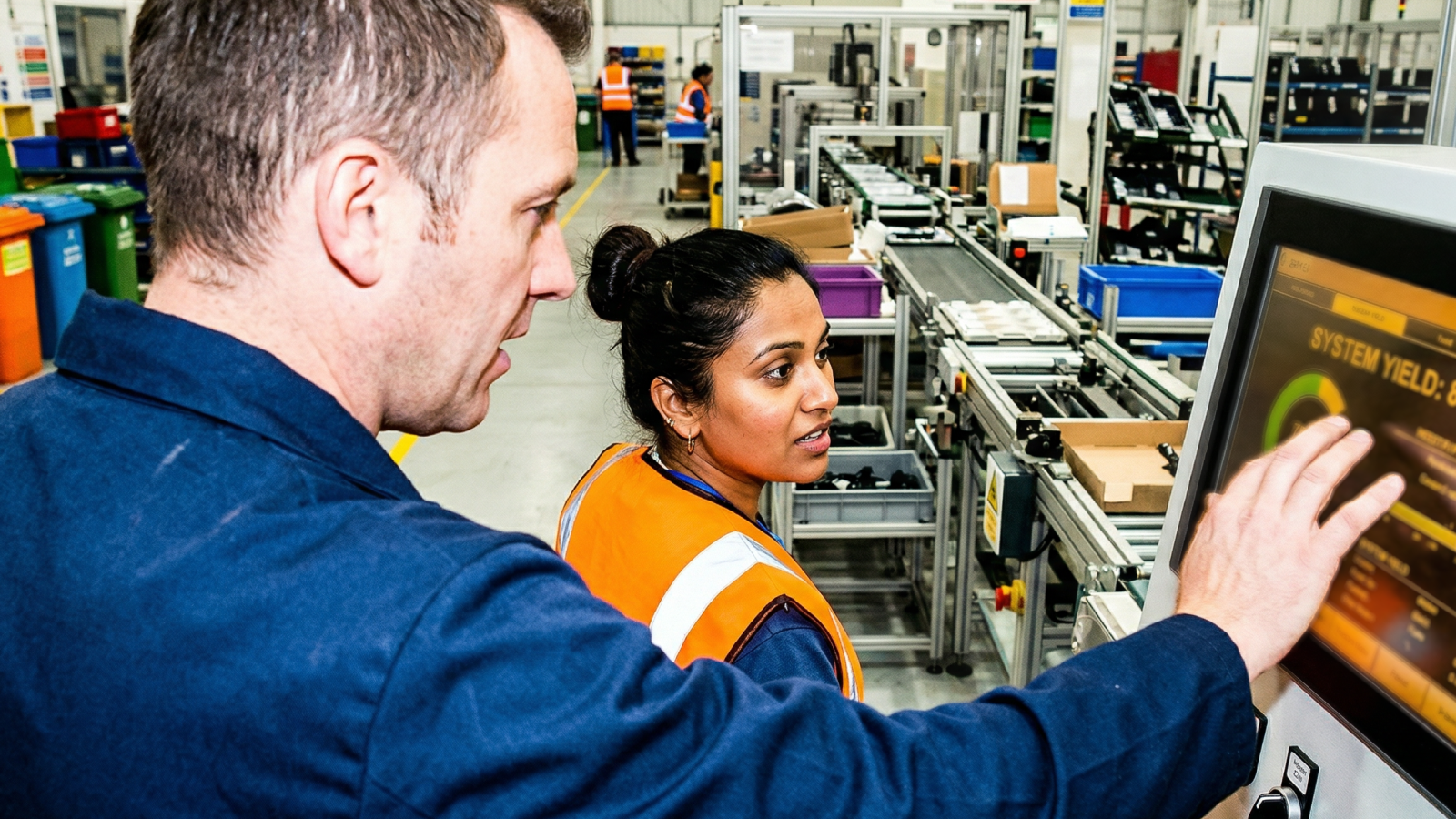
Another partnership has given Save real-time data that cements her belief in workplace food interventions. Under the Healthy Heads In Trucks and Sheds trial, her meals were supplied to Australia Post and Linfox truckies and warehouse staff, who traditionally work long hours without access to nutritious food. In 6 weeks, employees lost an average of 3.28kg and three-quarters declared their overall quality of life had improved.
“They were getting ten meals a week from us, and it was enough to motivate and inspire individuals to take change, to eat real food and care about what they’re eating,” Save reports proudly.
Three-quarters reported increased knowledge of healthy eating and portion control.
Says Healthy Heads CEO Naomi Frauenfelder: “If every truck driver and person working in a warehouse across the country had easy access to this type of meal program, we would have a happier, healthier and more energetic workforce on our hands.”
Don’t Lose Sight Of The Bigger Picture
Save concedes that operating in the space adds yet another layer of complexity to running an SME. Backing up weight loss claims with science requires compliance with strict regulations – rules she notes do not apply when junk food is advertised as ‘energy-boosting.’ But her advice to business owners in any industry is to persevere if pursuing their purpose.
“We know we’ve created something nobody else has before,” she says. “We’re years ahead of other brands with our studies to show the health outcomes. And then there isn’t a day that goes by that we don’t have customers on the phone telling us how we’ve changed their life. So it is the bigger picture. What is our point of being on this planet, if it’s not to help? The more you give, the more you get, and the more satisfied you are.”