














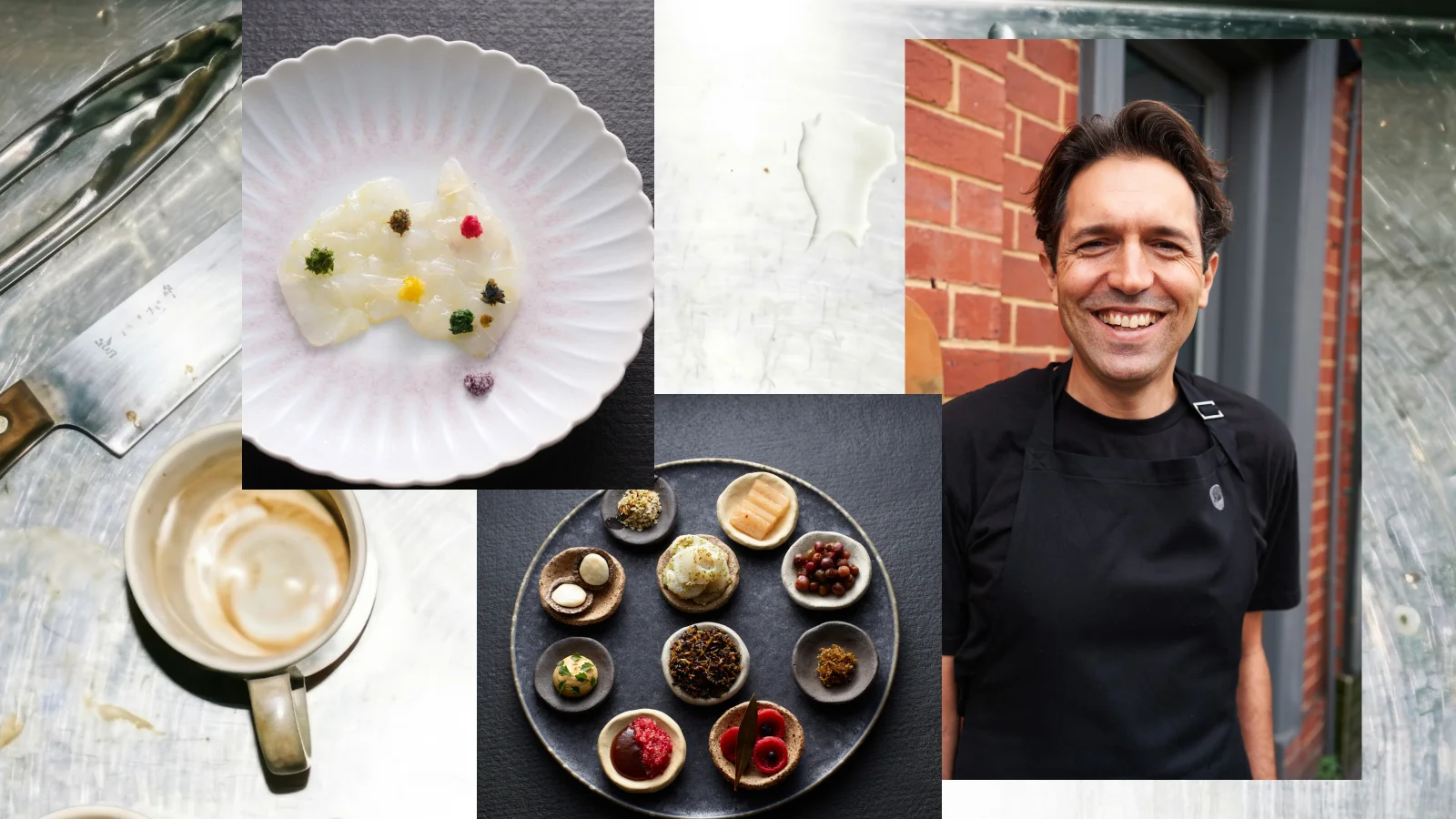
From world-renowned chef to resilient businessman, Ben Shewry shares the recipe to SME success.
Ben Shewry created the most celebrated fine-dining eatery in Australian history. Attica has been repeatedly named one of the World’s Best 50 Restaurants, while Shewry starred alongside other culinary rockstars in Netflix’s Chef Table. He’s famous for fashioning intricate dishes from native and foraged ingredients but Shewry believes the secret to his success as a businessman lies beyond the plate.
“I’ve stayed in business now for 20 years, in one of the hardest industries in the world,” he says, not because of the accolades but because he prioritises “the culture above all else.”
It’s hard to define but for Shewry ‘culture’ encompasses everything from his leadership style to his approach to excellence. He believes small business owners in any industry can learn from and adopt his philosophy.
“Culture is absolutely 100% linked to the performance of the company as well,” he explains. “Most people doing poorly in business have a poor culture, and that’s unfortunate but that’s normal too, because it’s not something that we as a business community prioritise.”
You Don’t Need To Be A Nightmare In The Kitchen Or Office
As a skateboarding punk music fan from New Zealand, Ben Shewry wasn’t an obvious fit for a fine dining restaurant. “I was a bit scared of business and a bit scared of trying to make money, or feeling like a sell-out,” he explains. When he became owner of Attica in his late-thirties, he turned his outsider status into an advantage.
“I knew I had to do it my own way. I absolutely did not want to do it the way that I’d seen, especially the worst case examples of people running their own businesses. I knew that it was my opportunity to make a mark, to take a stand, to think about the business as an employee more than an owner; to remember the employees first and foremost with all the decision making.”
He knew from experience that hot-headed chefs, like Marco Pierre White or Gordon Ramsay, existed in too many kitchens. “Just having experienced things that were less than ideal early in my career, and thinking, well, now you’re responsible for this company. You’ve got to do the best to stop this from happening to the people that are in your care, your employees.”
Shewry insists kindness and tolerance can exist within high-pressure environments. He says leaders must foster a culture where staff can own their mistakes instead of hiding them. “My people will feel it when there’s a mistake made. There’s always mistakes made. So it’s really about using all of my experience and my expert knowledge to support them, to say, hey, here’s the way that we should do it because this is going to be the best balance of excellence and also wellbeing.”
The Truth Will Make You A Strong Leader
Shewry points out that caring for staff doesn’t always mean keeping them happy. One of his least popular leadership moments came when – in a business that serves alcohol – he banned after-work drinks. “It’s been a huge problem for our industry globally, not just in Australia,” he explains.
“I had to have the courage, because I knew in my heart that’s the right thing to do for the safety of our people. And you know what? From that grew a healthier culture where people were organising different things to do rather than going drinking, like, a running club or a book club.”
Whatever the decision, Shewry says SME owners must go out of their way to get staff on board. “You have to thoroughly explain the reason for it. Sometimes it might not be popular, but later it will be proven that it was a good thing.”
Clarity is key. Shewry says a pursuit of truth in food – examining and understanding an ingredient from every angle – has left him with no time for pretense in the workplace.
“If everybody knows that you’re a direct person and that you know that you’re looking for the truth in your work and that’s the priority, then it’s a very, very easy way to communicate with people.”
Lose Your Obsession With Perfection At Any Cost
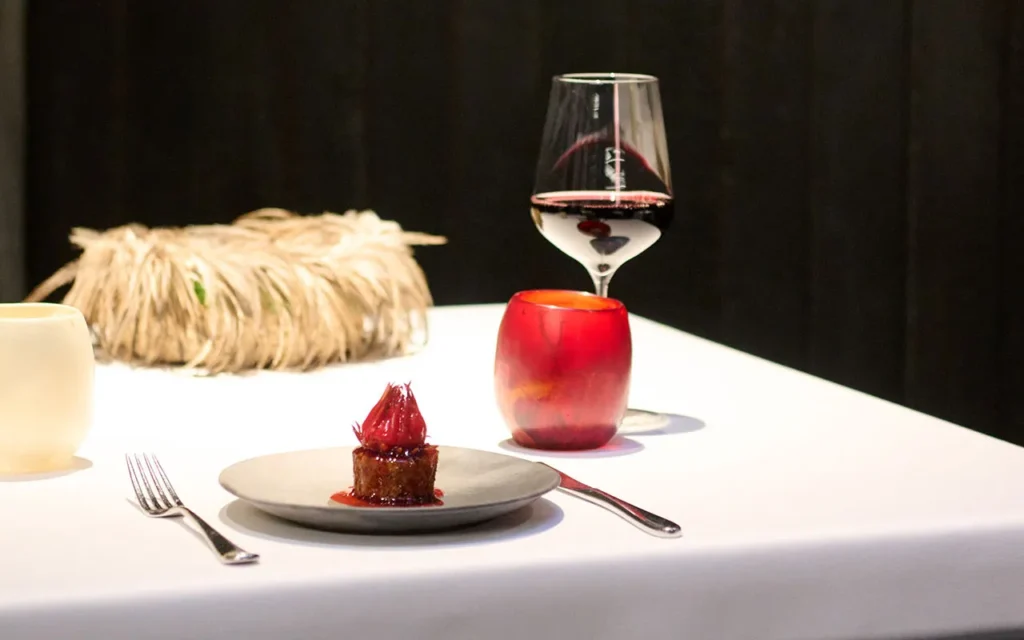
At Attica, excellence is evident in the artistry of its dishes. In the intimate, dark-toned dining room, guests are served a seasonal menu of modern Australian cuisine showcasing native ingredients. Whether it’s the classic Potato Cooked In Earth or the Australia-shaped sliver of King George Whiting topped with tastes of every state, staff craft meals with precision.
“If you fostered and built a culture of excellence, and you set a very high standard yourself, naturally people are following that, sometimes exceeding it,” Shewry says. “They come here because they are self-motivated, because they want to learn and because they want to do a good job.”
The pursuit of excellence stems from two of Shewry’s self-confessed personality traits: perfectionism and obsession.
So central is obsession to Shewry’s character, it’s the title of his book: Uses For Obsession. He believes owners need a level of obsession to succeed in any business, but not at all costs and not if imposed on others.
“I definitely have a perfectionist streak. But I’ve learned to temper that and moderate it. You can’t be in constant pursuit of perfection because people can destroy themselves trying to reach something that’s unattainable. It’s about finding the balance between excellence and wellbeing.”
The need for balance is illustrated in Attica’s approach to painstaking kitchen tasks, like shelling peas. “It might take an individual eight hours to do one job, and if I have to do that time and time and time again, then that’s not fun. It’s not really good for your mental health. But if we got 8 to 10 people, it would take 30 minutes and it becomes a safer way of doing it. It shows we’re thinking about people’s wellbeing while maintaining our standards.”

Hats Off To People Who’ve Found the Real Meaning of Success
If the true measure of excellence for Attica was once rankings and awards – like World’s Best 50 Restaurants and Gourmet Traveller – it isn’t now. After amassing an enviable collection of titles and Good Food Guide chef’s hats, Shewry now eschews what he regards as a broken system. He recalls waking up the morning after one awards ceremony feeling hollow. “Although that was a really lovely moment, pretty quickly I realized that those sort of ornaments are not the thing to seek,” he says. “You can’t put all your stock and value in that as a creative person or as a business owner.”
He acknowledges it’s hard in an age of social media likes and Google reviews, but Shewry says SME owners should define their own success.
“Define what’s best as far as your business is concerned. It’s your business. You know what I mean? You have to do the work. You have to find the joy in it. You have to have your own set of values. You have to carry that forward. It’s a long, bloody life. It’s way too short to not be doing that super early.”
Shewry now defines success as what happens back of house, not on balance sheets or stages.
“A lot of people are going to say that sounds so dismissive, but it’s not. I think it’s the moments of teamwork and kindness that we look back on and remember, not whether we made an extra 5% profit that month, or something. That’s what matters.”