

















PEO vs. EOR: A guide to global hiring

Contents
Expanding your business into new markets is a powerful growth strategy. But hiring talent globally introduces a maze of new employment laws, payroll complexities and risks. Many businesses turn to partners like a Professional Employer Organisation (PEO) or an Employer of Record (EOR) like HeroForce to help navigate this.
While both services handle HR functions, they operate differently and the distinction is critical. Understanding the difference between a PEO and an EOR can be the key to unlocking seamless global growth while protecting your business from significant risk.
This guide breaks down the differences and explains why an EOR is the smarter, safer way to build your HeroForce EoR.
What is a Professional Employer Organisation (PEO)?
A Professional Employer Organisation (PEO) offers outsourced HR services like payroll processing, benefits administration and compliance assistance. When you partner with a PEO, you enter into a co-employment relationship.
In this model, the PEO becomes the administrative employer for your staff, while you remain the day-to-day employer responsible for managing their work and performance.
The catch? To use a PEO in a new country, your business must have its own local legal entity established there. This requirement adds significant cost, time and administrative burden to your expansion plans, often defeating the purpose of seeking a simple solution.
What is an Employer of Record (EOR)?
An Employer of Record (EOR) offers a more direct and secure path to hiring international talent. An EOR allows you to hire employees in another country without needing to set up a local entity.
The EOR acts as the legal employer for your team members in that country. They handle all aspects of the employment relationship, from contracts and payroll to taxes, benefits and adherence to local labour laws. You still manage your employees’ daily tasks, projects and performance, maintaining full operational control.
By taking on the full legal responsibility, an EOR eliminates the complexities and risks of global employment, empowering you to hire the best talent, anywhere.
Key differences: PEO vs. EOR
Understanding the key differences between PEO and EOR will help you to determine which solution is right for your business. We’ve developed a comparison table below to help to decide.
| Feature | Employer of Record (EOR) | Professional Employer Organisation (PEO) |
| Local entity | Not required. The EOR uses its own entity. | Required. You must set up your own legal entity. |
| Employment model | EOR is the sole legal employer. | Co-employment model. You and the PEO share liability. |
| Risk and liability | EOR assumes full legal employment liability. | Liability is shared, creating a “co-employment” risk. |
| Best for | Global expansion and hiring talent in new countries. | Outsourcing HR for existing employees in a country where you have an entity. |
| Compliance | Compliance management handled by the EOR. | Compliance support, but ultimate responsibility is shared. |
| Speed | Hire and onboard talent in days. | Slow process due to entity setup requirements. |
The co-employment risk and why it matters
The co-employment model used by PEOs is one of the biggest differentiators—and a source of significant risk. In a co-employment arrangement, both your company and the PEO are considered employers. This shared status means you also share legal liability for employment matters.
If the PEO makes a mistake with payroll, misinterprets a local law or fails to provide statutory benefits, your business can be held responsible. This exposes you to potential fines, legal disputes and reputational damage in a foreign jurisdiction.
An EOR eliminates this risk. As the sole legal employer, the EOR takes on 100% of the employment liability. They are the ones responsible for ensuring every contract is compliant, every payslip is accurate and every local regulation is met. This clear division of responsibility gives you peace of mind and lets you focus on running your business.
Why an EOR is the smarter choice for global growth
For businesses looking to scale with confidence, an EOR provides a clear advantage. It’s a model built for speed, simplicity and security.
1. Avoid the cost and complexity of entity setup
Establishing a legal entity in a new country is a monumental task. It can take months, sometimes even over a year, and cost tens of thousands of dollars in legal and administrative fees. It requires navigating unfamiliar corporate laws, tax systems and banking regulations.
An EOR bypasses this entire process. You can tap into their existing global infrastructure to hire talent immediately. This saves you an enormous amount of time and money, allowing you to be agile and responsive to market opportunities. Instead of waiting to get set up, you can have your first international employee onboarded in a matter of days.
2. Minimise risk with watertight compliance
Global employment laws are complex and constantly changing. From termination rules and leave entitlements to mandatory benefits and data privacy, staying compliant across multiple countries is a full-time job. A single misstep can lead to severe penalties.
A trusted EOR partner has teams of local experts that live and breathe the employment laws in their respective countries. They ensure every aspect of employment is handled, from drafting contracts to managing statutory contributions and navigating complex termination procedures. This reduces the compliance burden from your shoulders.
3. Hire the best talent, no matter where they are
The modern workforce is global. Restricting your hiring to your local market means missing out on a world of exceptional talent. An EOR breaks down geographical barriers, giving you the freedom to hire the perfect candidate for the role, regardless of their location.This allows you to:
- Access specialised skills: Find experts in their field who may not be available in your home country.
- Build a diverse team: Foster innovation and a stronger company culture with a globally diverse workforce.
- Retain top performers: Keep valuable employees who need to relocate, ensuring you don’t lose institutional knowledge.
When a PEO might still make sense
While an EOR is the strong solution for global expansion, a PEO can still be useful in specific situations. If your business already has an established legal entity in a country and simply wants to outsource HR administration for your existing employees there, a PEO can be a viable option.
In this scenario, you are not looking to expand, but rather to streamline operations in a market where you are already established. However, for any business looking to enter a new market, the EOR model is unequivocally the faster, safer and more efficient choice.
Scale confidently with Employment Hero
Hiring great people is the foundation of business growth. Don’t let borders and bureaucracy stand in your way. An Employer of Record removes the barriers to global hiring, transforming a complex challenge into a simple, streamlined process.
Our HeroForce EOR service empowers you to hire top talent across the globe without the risk and administrative headache. We handle the complexities of international employment so you can build your dream team and scale your business with confidence.
PEO vs EOR: Frequently asked questions
The biggest difference is the requirement for a local business entity. To use a Professional Employer Organisation (PEO), you must first set up your own legal entity in that country. An Employer of Record (EOR) lets you hire talent without this step, using their own local entity to employ staff on your behalf. This makes an EOR a much faster and simpler solution for global expansion.
Co-employment means both you and the PEO share legal responsibility for the employee. If the PEO makes a mistake with payroll, benefits or compliance, your business can be held liable for the error. An EOR avoids this completely by acting as the sole legal employer, taking on 100% of the employment liability and risk. This protects your business and gives you peace of mind.
Businesses use an EOR when they want to hire employees in a new country where they don’t have a legal entity. It’s the ideal solution for fast, compliant global expansion. A PEO is better suited for businesses that already have a legal entity in a country and simply want to outsource HR administration for their existing local team.
An EOR partner has dedicated local experts who are deeply familiar with the employment laws, tax regulations and statutory benefits of their specific country. They manage everything from employment contracts and payroll processing to termination procedures. This reduces the compliance burden from your team.
Yes, absolutely. While the EOR handles the legal and administrative side of employment, you maintain full operational control. You manage your employee’s daily tasks, set their projects, guide their performance and integrate them into your company culture, just as you would with any other team member. The EOR simply takes care of the HR complexities behind the scenes.
Related Resources
-
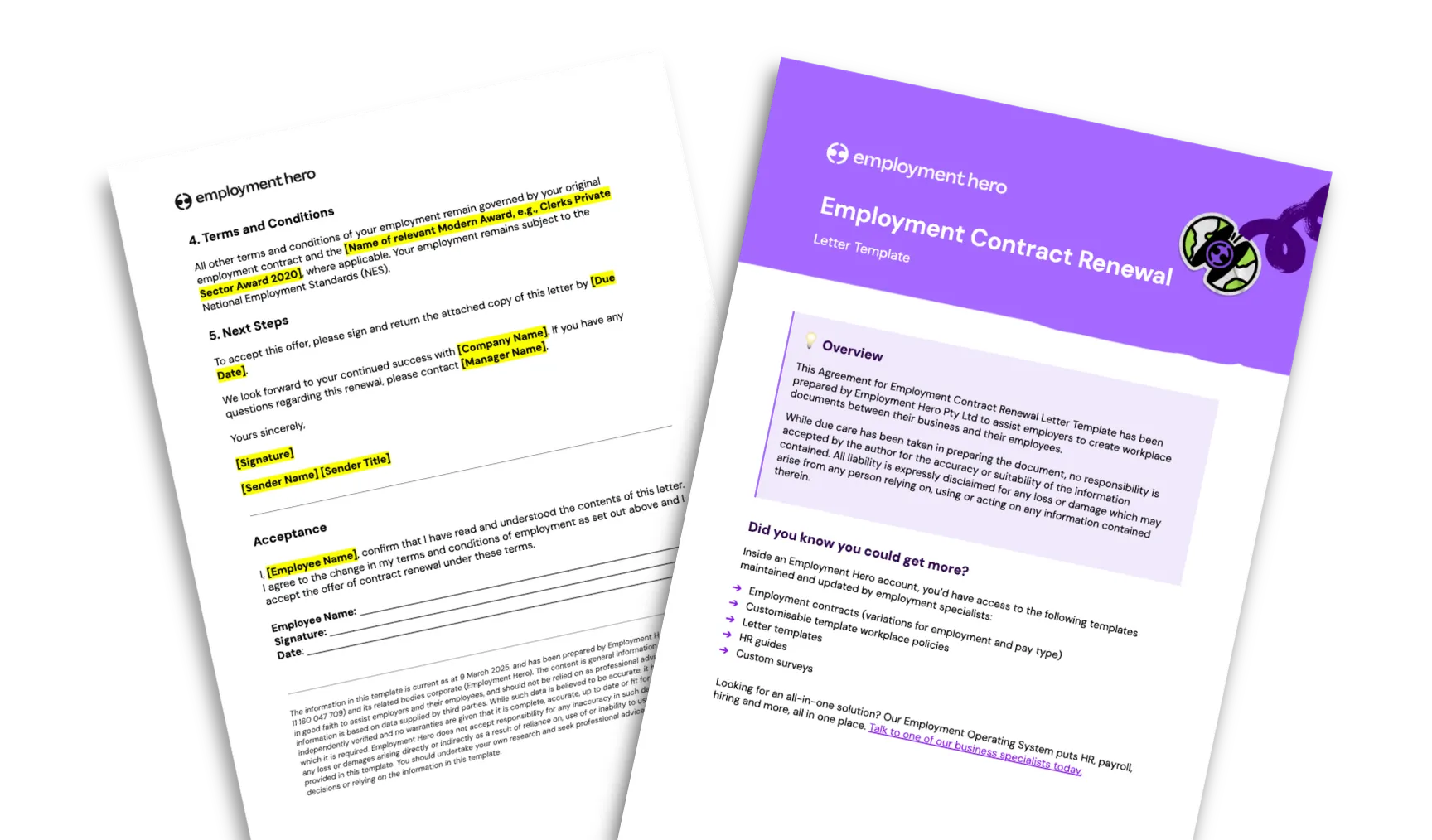 Read more: Employment contract renewal letter sample and template
Employment contract renewal letter sample and template
Need an employment contract renewal letter sample? Learn how to manage the contract renewal process, update terms and support compliance…
-
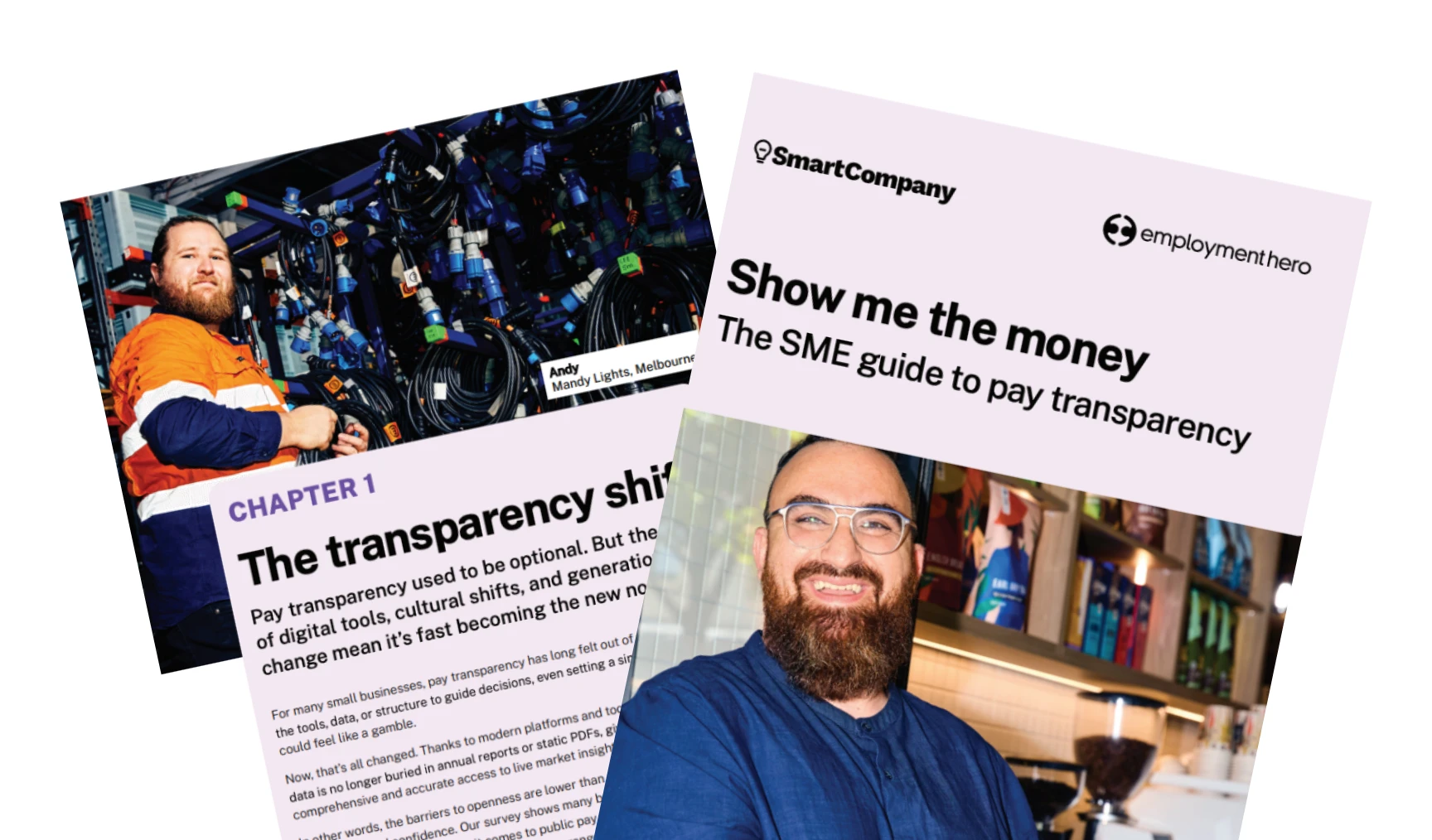 Read more: The SME guide to pay transparency
The SME guide to pay transparency
Are you ready for the end of pay secrecy? Download our free guide to navigate the legal shifts and cultural…
-
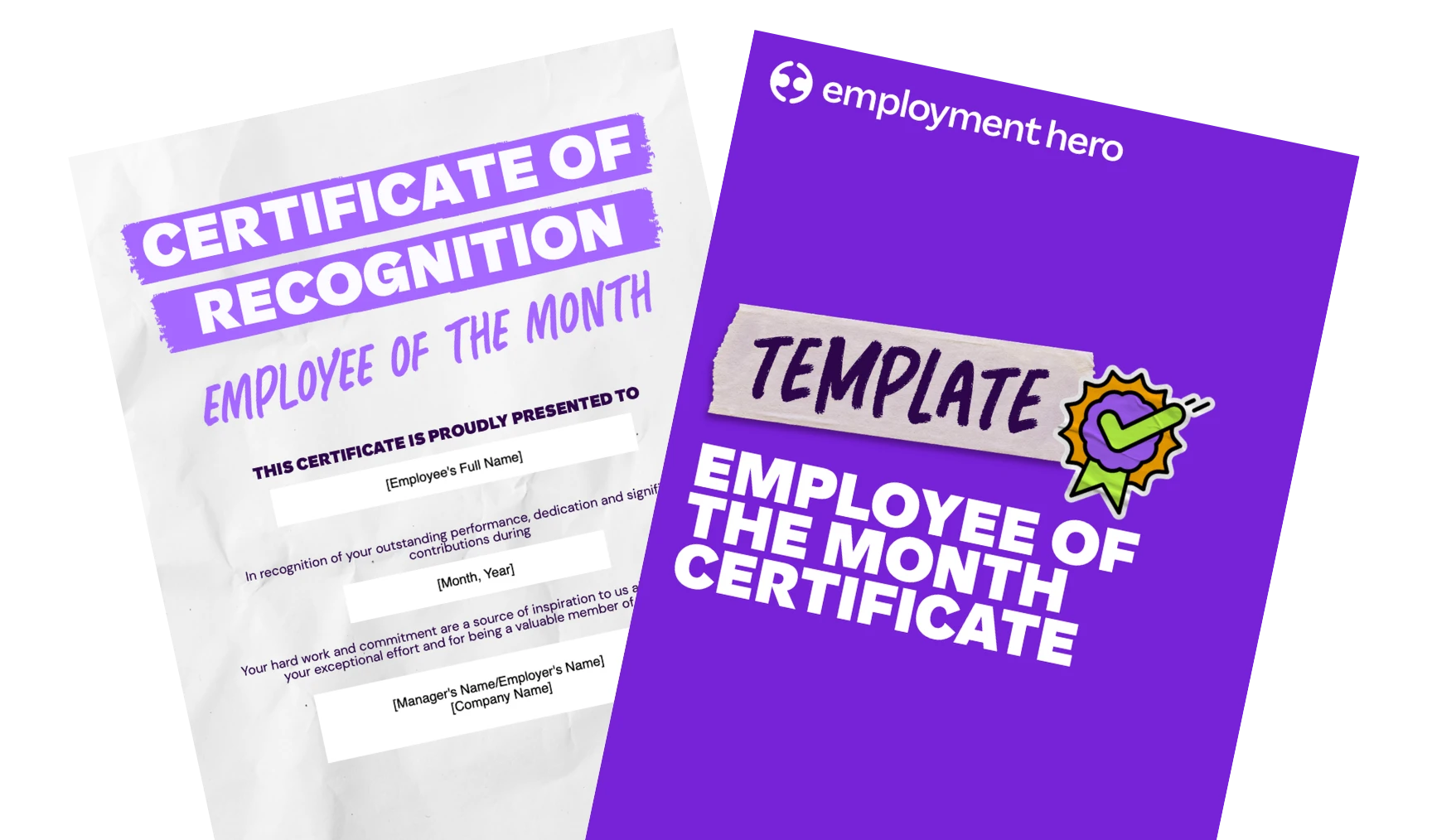 Read more: Employee of the month program: Certificate and guide
Employee of the month program: Certificate and guide
Learn how to launch an employee-of-the-month program, recognise great work, motivate teams and use certificates and incentives effectively.


