











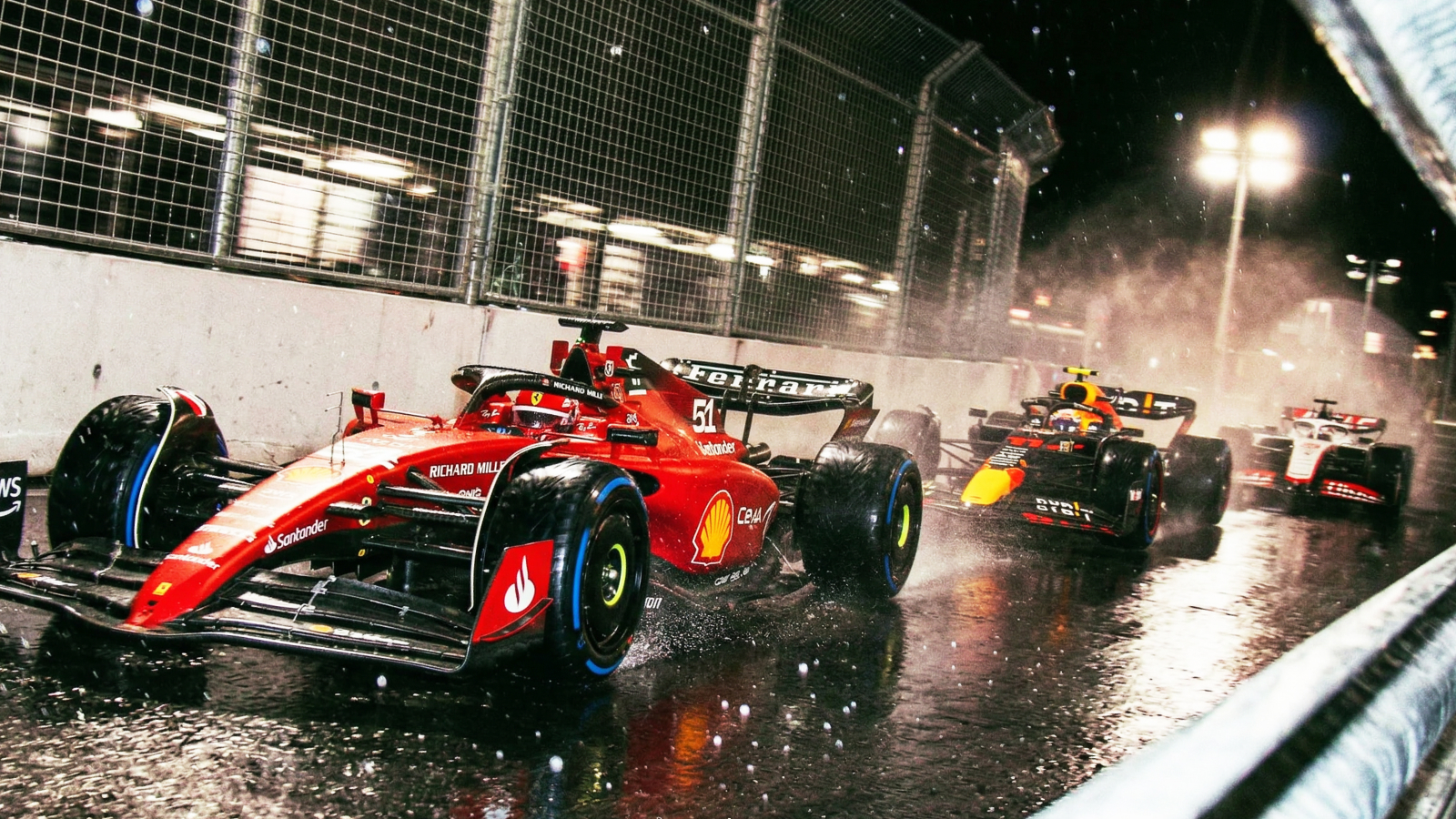
This weekend, the familiar high-octane hum returns to Albert Park. For Melburnians, the Australian Grand Prix is more than just a race; it is the city’s annual heartbeat, a four-day festival of cash and speed that marks the unofficial start of autumn.
But as the 2026 season-opener kicks off, the cars roaring past the lakeside grandstands might look like typical F1 cars, but they are fundamentally different from anything we’ve seen before. And this is important.
This isn’t just a new season; it’s being touted as a “total reset.” Formula 1 has overhauled its technical, sporting and financial regulations simultaneously. For the Australian business leader watching from the corporate suites, or from their living room in Richmond, the parallels are impossible to ignore. In 2026, F1 is providing a high-speed masterclass in how to pivot, adapt and thrive under intense economic and regulatory pressure.
The most radical change sits under the bodywork. F1 has moved to a near 50-50 power split between the internal combustion engine and electric battery power. It is a bold, 100 per cent sustainable-fuelled bet on the future.
In the boardroom, this is the ultimate lesson in “dual-path” strategy. Many Australian firms struggle with the “innovator’s dilemma,” clinging to legacy revenue streams while treating new tech, like AI or green energy, as a secondary experiment. F1’s 2026 regulations prove that for a pivot to be successful, the “new” must eventually carry as much weight as the “old.”
For years, F1 cars have been criticised for becoming too large and “boat-like.” The 2026 “Nimble Car” concept reverses this trend, mandating cars that are 30kg lighter, 100mm narrower and 200mm shorter.
Essentially, more fun.
This shift mirrors the current Australian economic landscape. With sticky inflation and the tail end of a high-interest-rate cycle squeezing margins, the era of “growth at any cost” has hit a wall. Whether you’re a mid-market manufacturer in Dandenong or a tech firm in Surry Hills, the mandate for 2026 is operational efficiency.
F1 engineers didn’t just decide to be smaller; they were forced to by the rules. Similarly, today’s economic constraints should be viewed as a catalyst for agility. A “shorter wheelbase” in business means reducing the distance between an idea and its execution. Velocity is everything when you’re innovating. It means shedding non-core assets and “dead weight” processes that slow down your response to market shifts.
The 2026 grid sees the arrival of Audi and Cadillac, two giants with vastly different entry strategies. Cadillac has entered as a “start-up,” leveraging an existing Ferrari power unit to gain immediate “platform” stability. Audi, meanwhile, has taken the “full-stack” route, designing itsown engine from scratch in Germany. No surprises there.
This is a classic “Build vs Buy” dilemma. For an Australian business looking to enter a new vertical, perhaps integrating Generative AI into their supply chain or hiring process, the choice is identical. Do you partner with an established provider to get to market “this weekend” (The Cadillac Path)? Or do you invest heavily to own the underlying IP and infrastructure (The Audi Path)? As seen in the teething issues during Bahrain testing, the “Build” path offers the highest ceiling but carries the greatest risk of a “DNF” in the first quarter. Sometimes it’s best to lump a Ferrari engine into your business.
Perhaps the most nuanced change is the introduction of “Overtake Mode” and the removal of the traditional DRS. Success in 2026 will be determined by Energy Management. Drivers must strategically decide when to “harvest” energy and when to deploy their limited electrical boost for a tactical advantage.
You cannot run your business at 100 per cent throttle every day of the financial year. The most successful CEOs in 2026 will be those who master the art of the “harvest,” building reserves of capital and talent during stable periods, so they have the boost available when a competitor falters or a new market opportunity opens up.
As the lights go out at Albert Park this Sunday, the cars will be “ridiculously complex,” as Lewis Hamilton put it, but they will also be more sustainable and more competitive.
The 2026 F1 reset reminds us that standing still is the fastest way to fall behind. Whether you’re navigating the tight turn at Lakeside or the complexities of the Australian Tax Office and shifting consumer sentiment, the goal is the same: stay agile, manage your energy and don’t be afraid to redesign the engine while you’re still on the track.
Cadillac for the win.