 Australia
  New Zealand
  Singapore
  Malaysia
  Canada (Français)
 United Kingdom







Graduate jobs in 2026 have fallen to their lowest level in a decade, analysis from a recruitment website reveals.
With just 8,383 vacancies advertised in July, down 45% on the same month last year, it’s the lowest number recorded since Adzuna started tracking graduate jobs in 2016.
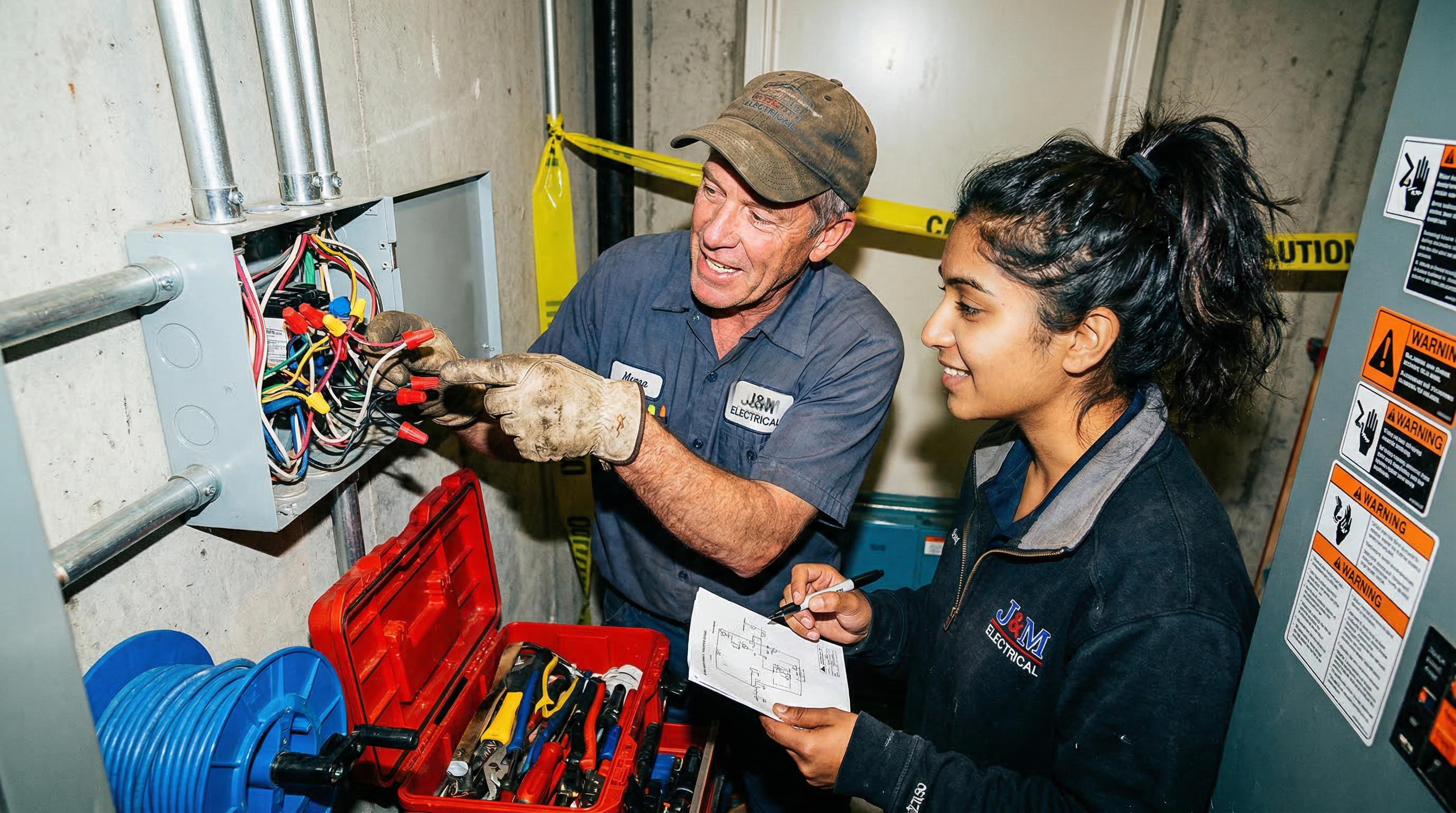
While the same research showed some sectors weren’t quite as lacking, with construction, travel, teaching and manufacturing the only areas to show an uplift in vacancies for graduates, the figures capture a snapshot of a broader issue with competition in the workforce.
Employment Hero’s platform data, analysing employment growth among 18-24-year-olds also reflects similar trends.
Out of retail, healthcare, education, manufacturing and construction, quarterly employment growth in construction is triple the rate for education (12.3% versus 4.1%), while quarter-on-quarter manufacturing growth, the best performing sector in the selection, is 12.9%.
Employment Growth has Climbed Consistently Since the Start of 2026
Employers too, have had to navigate choppy waters in the jobs market, with sectors like banking and finance seeing a 3.7% decline in employment versus three months ago and May 2026 YouGov data commissioned by Employment Hero revealing the cost of a full-time hire was 10% higher than last year.
Given that a record 262,820 people are due to start university this September, demand for entry-level and graduate jobs is also rising considerably.
Kevin Fitzgerald, UK Managing Director at Employment Hero believes “the issue is more structural than the coverage suggests.”
“Employers aren’t just being cautious, they’re being rational,” he says.
“Traditional graduate roles always involved taking a risk. You’d hire someone with potential, train them and expect a slower return. But when the cost of getting it wrong goes up, employers are less likely to take on people who’ve never done the job before.”
Speaking to Employment Hero, Felicity Halstead, CEO of youth employment charity GoodWork, believes that rise in caution cuts both ways.
“When employers are genuinely looking for candidates who are applying for their very first job, they’re typically concerned with behaviours such as proactivity and resilience, as well as basic communication, digital literacy and things like timekeeping,” she says.
“What’s hard is for young people to know how to give evidence of those skills through a job application or CV, and unfortunately we see a lot of people relying on very generic, AI-generated statements because they think it’s what employers want to hear. Employers are then inundated by almost identical job applications and it makes it even harder for them to avoid hiring overqualified candidates, because there’s such a high volume and not much to differentiate between applications.”
Graduate Jobs in 2026 Have Fallen to a Decade Low
Around a million young people weren’t in education, employment or training in the first quarter of 2026 (Neet), official figures from the Office for National Statistics show. It’s a market that rewards persistence as much as having the right qualifications, young jobseekers say.
Shola West, a career coach for young creatives, tells Employment Hero the mood among her clients reflects that tension.
“There’s a real mix of ambition and anxiety,” she says.
“The young people I speak to still have big goals, they want to work in media, fashion, music, tech, creative industries, but there’s definitely a feeling of, ‘How am I supposed to get experience if every job asks for experience?’”
Research by Employment Hero highlights the extent of this issue. It shows three in four (77%) of 18-24 year-olds in the UK have taken on unpaid work to get the experience employers now expect for entry-level roles.
Shola says young people are adapting their approach as a result. “I’m seeing young people become much more strategic about the routes they take into creative industries,” she says.
“Some are looking at apprenticeships and alternative routes because university no longer feels like the automatic answer. Others are building their own personal brands, freelancing, creating content or taking on projects alongside applying for jobs so they’re not completely dependent on getting that first role.”
Salome Tirado Okeze, founder of Tones, a production, media and events company and YouTube podcast series, took the apprenticeship route herself, which she thinks gave her a level of certainty that many graduates aren’t guaranteed today.
“I think I was quite lucky in the sense that when I joined, it was always very clear we were going to get a job offer at the end,” she says. She points to networking directly with employers, rather than relying on applications alone, as what made the difference.
“It was that whole networking piece being so important, and those practical ways of not even applying to jobs but rather contacting recruitment managers directly.”
Felicity believes that’s consistent with what she sees at GoodWork, where finding any opening at all has become more difficult for young job applicants this year.
“It’s been harder than ever for us to help young people into the roles they want to be in this year. Competition for roles is so fierce and there just isn’t enough opportunity out there,” she says.
“I really encourage young people to be open-minded about what sort of roles they’re interested in and how they build transferable skills and experience.”
UK Degree Apprenticeships Are Harder to Land
Competition for the apprenticeship route Salome took has intensified too.
There were 11.3 applications for every Level 6 degree apprenticeship position in the current academic year, up from 2.8 in 2023-24, according to Freedom of Information data obtained by the BBC. The probe also revealed that positions fell from 7,300 to 3,700 over the same three years, while applicants rose from 8,100 to 21,800.
Speaking to the BBC in response to the news, Hannah Larsen, a policy officer at business group the British Chambers of Commerce, pointed to existing challenges for employers as the economy stands.
She said demand for degree apprenticeships was rising “at a time when businesses’ operating margins are under increasing pressure”, with “higher employment costs, alongside wider economic uncertainty, mean recruitment is being paused, with younger and less experienced workers hit hardest”.
But not every route is narrowing at the same pace. Employment Hero data from June shows Gen Z-led growth in construction (up 5.5% month-on-month) as young workers reroute toward sectors less exposed to the graduate squeeze. It’s a shift that suggests some young people are already adapting to the market as it stands, rather than waiting for graduate hiring to recover.
Entry-Level Jobs Are Being Reshaped by AI Hiring Expectations
The impact of Artificial Intelligence (AI) shouldn’t be underestimated in terms of its impact on the jobs market and graduate roles in particular. But the nature of that impact is still not as clear cut as some may assume.
Not only have 73 per cent of students and graduates used AI at some stage during the job application process (an 18% increase from last year) Prospects at Jisc’s Early Careers Survey 2026, but AI-proficient companies appear to see employment growth too. As research from researchers at US tech start-ups Ramp and Revelio Labs showed in June, white-collar worker numbers increased 10.2% at companies that used generative AI most intensely in the first two years after they first adopted the technology.
Employment Hero’s AI Paradox report from July 2026 also points to a landscape where employers are embracing a new normal when it comes to AI. Sixty-four percent of UK employers said AI has changed what they look for when hiring, with “AI skills” entering the top 5 attributes they screen for (ranking above previous experience).
Kevin, UK Managing Director of Employment Hero, says that while AI technology is impacting what employers expect from prospective new hires, it’s “not in the way it’s usually framed”.
“Access to knowledge and AI tools has raised expectations of what a new hire should already know,” says Kevin.
“So an employer who used to think ‘I’ll teach them’ now thinks ‘I need someone who can run’.”
With the cost of a full-time hire already up 10% on last year, businesses have little incentive to loosen their approach to graduate recruitment before those costs ease. While the jobs market may stabilise further, the current picture suggests this year’s record cohort of new graduates aren’t in for an easy ride.