 Australia
  New Zealand
  Singapore
  Malaysia
  Canada (Français)
 United Kingdom




Hiring growth in small businesses has continued in spite of UK job vacancies falling to their lowest pre-pandemic levels in 12 years, Employment Hero’s monthly Employment Index shows.
The Office for National Statistics’ Labour Market Overview, published on Tuesday 15 September, put vacancies at 702,000 in the three months to August, down 8,000 (1.1%) on the previous quarter and down 36,000 (4.9%) on the year – the lowest reading since August to October 2014, outside the pandemic period.
Elsewhere in the labour market release, the employment rate held at 75.1%, unemployment at 4.9% and inactivity at 20.9%, each little changed on the previous quarter, while the number of payrolled employees fell by 145,000 over the year to 30.2 million.
Small businesses responding to the bulletin’s vacancy survey cite rising labour costs as one of the reasons why.
Small Business Hiring Held Up Regardless
In spite of this flat quarter, Employment Hero’s data shows that there have been some glimmers of positivity. Rather than stalling, quarter-on-quarter headcount for SMEs grew 3.3% into August.
Pointing to these “green shoots,” Kevin Fitzgerald, UK Managing Director of Employment Hero, said: “Our data shows small business employment was up 3.3% in August compared with May. June and July did much of the heavy lifting, with businesses ramping up hiring over the summer months, while growth in August itself was minimal.”
That’s not to suggest there haven’t been challenges. Referencing the pressure shown in the ONS’s latest figures, he added: “For small businesses operating on tight margins, these costs add up quickly. When the cost of employing someone continues to rise, it inevitably makes some employers think twice about taking on another member of staff.”
Wage Growth Is Still Outpacing Inflation
According to the ONS, pay across the economy as a whole grew 3.5% in the year to July, while pay adjusted for inflation grew just 0.6% – an implied inflation rate of roughly 2.9%. Employment Hero’s payroll data points to where some of that pressure is coming from. Full-time salaries at SMEs on Employment Hero’s platform rose 5.4% in the year to August, nearly double that rate. That gap suggests small businesses are absorbing a sharper wage increase than the wider economy, adding directly to the labour cost pressure the ONS says is behind today’s fall in vacancies.
Where the Losses – and the Growth – Are Concentrated
ONS figures show the sectors where the national employment picture is weakest: payrolled employment losses were concentrated in wholesale and retail, down 76,000 employees year-on-year, the largest fall of any sector, and in accommodation and food service activities, down 3.3%, the steepest percentage fall of any sector.
In a statement accompanying the release, Liz McKeown, the ONS’s Director of Economic Statistics, said: “Payrolled employee numbers continue to edge down, with falls over the past year particularly evident in the retail and hospitality sectors. Vacancies remain at their lowest level outside the pandemic period for more than a decade, with smaller businesses continuing to report that increased labour costs are affecting hiring decisions.”
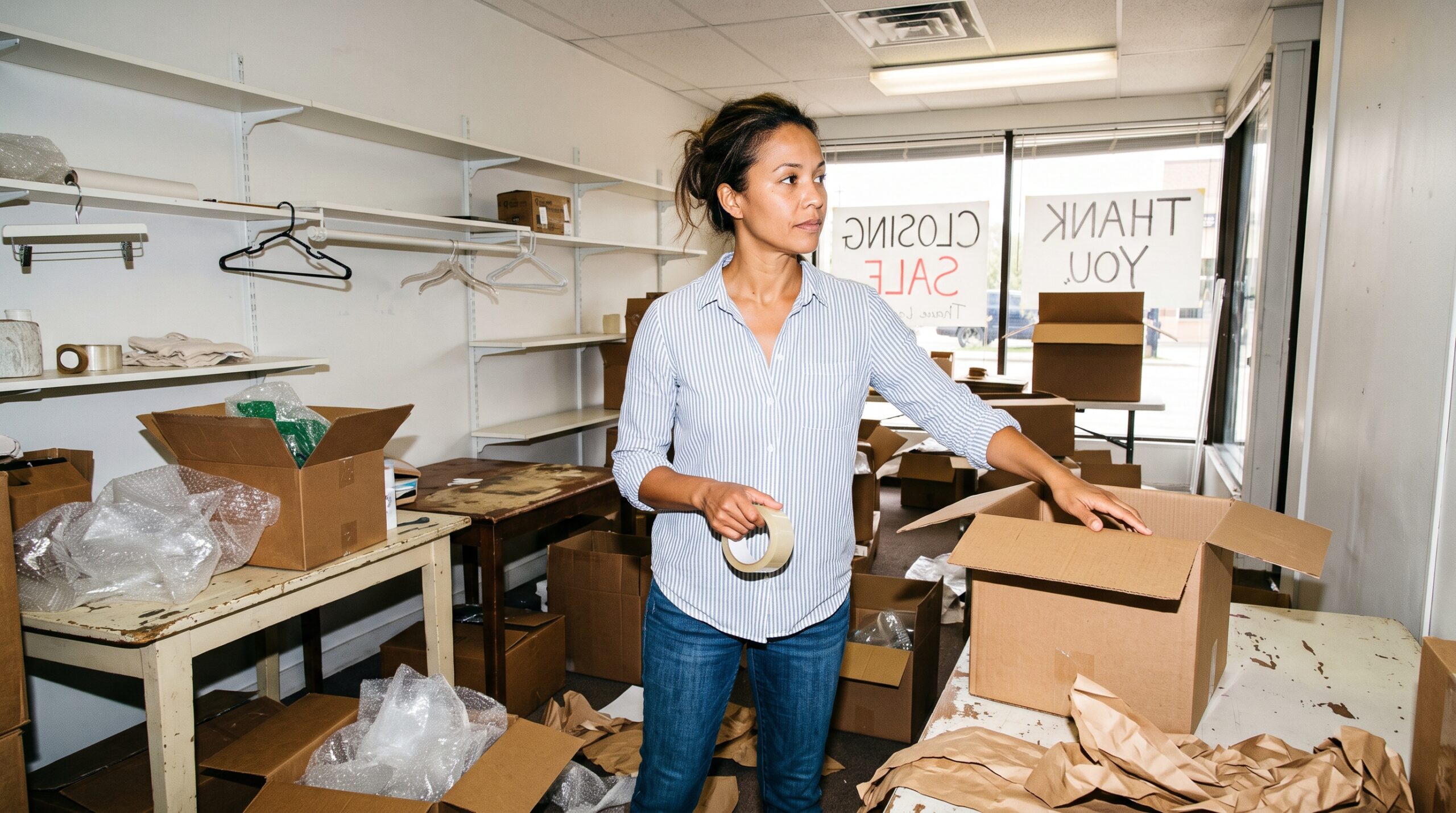
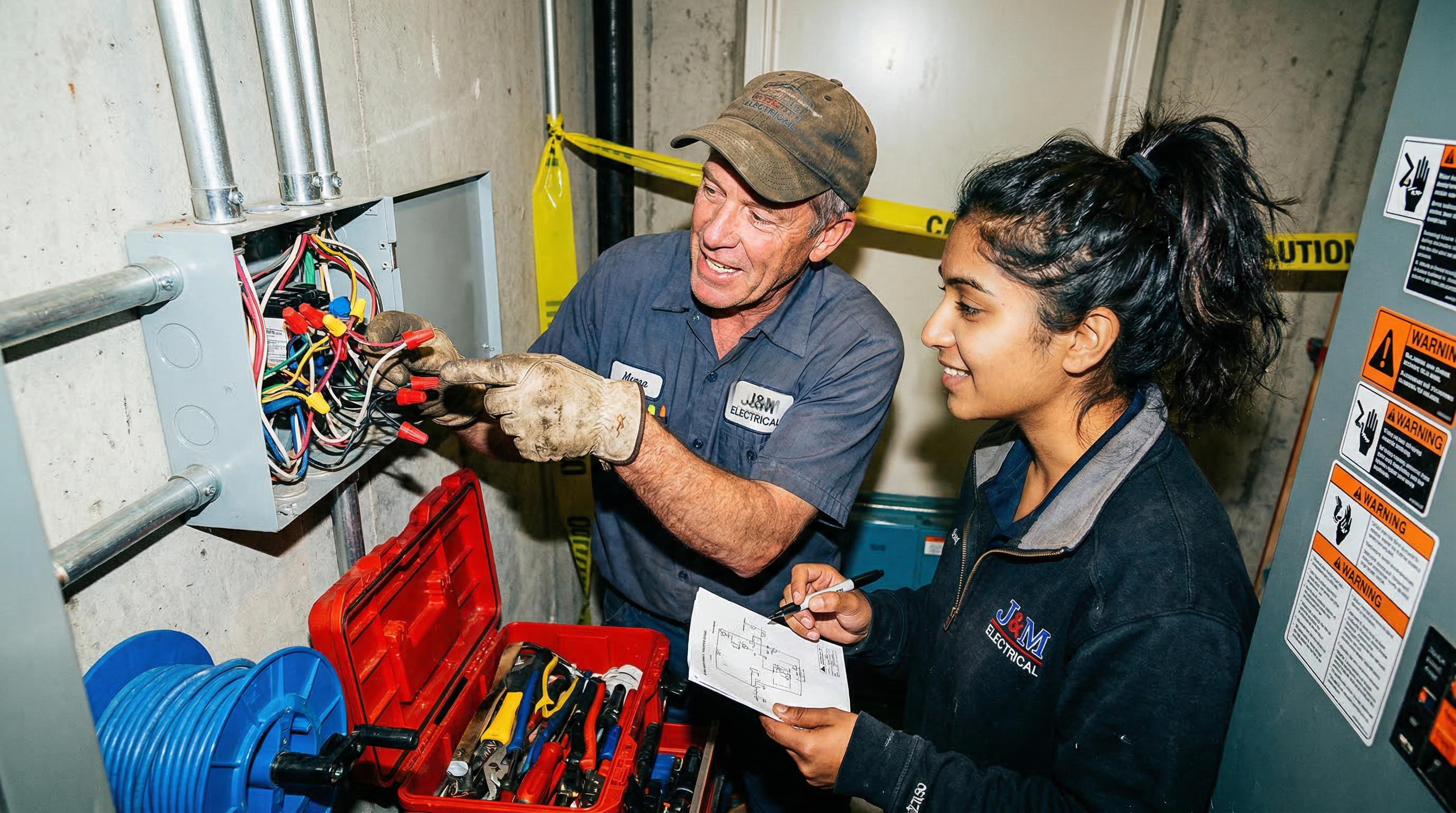
The ONS’s sector data on pay does reveal growth in some sectors. In construction, median pay grew 5.5% year-on-year to August, the fastest of any sector nationally.
In light of the ONS’s figures, Naomi Clayton, Chief Executive at the Institute for Employment Studies, told Employment Hero: “The UK labour market remains flat. There has been little movement in the headline employment, unemployment and inactivity rates over the last quarter. Payrolled employment continues to fall, with the largest falls in the last quarter in retail and hospitality.
“Beneath the headlines, youth unemployment remains at its highest rate in more than a decade. With the Alan Milburn review due to report on solutions, our research emphasises the importance of investing in trusted relationships, tailored support and effective pathways for young people to improve long-term employment outcomes.”
What Happens Next Is Down to the Budget
Pointing out the danger of continuing to take on this wage pressure, Kevin said: “Small businesses have shown remarkable resilience, but we can’t keep expecting them to absorb higher costs from every direction. The upcoming Budget needs to give employers the confidence and breathing room to keep hiring and growing.”
With just over a month to go before the Autumn Budget is delivered on 28 October, the Government’s next move on business costs will play a large role in dictating whether small businesses get that breathing room, or whether today’s wage costs lead to vacancies falling further still.