 Australia
  New Zealand
  Singapore
  Malaysia
  Canada (Français)
 United Kingdom




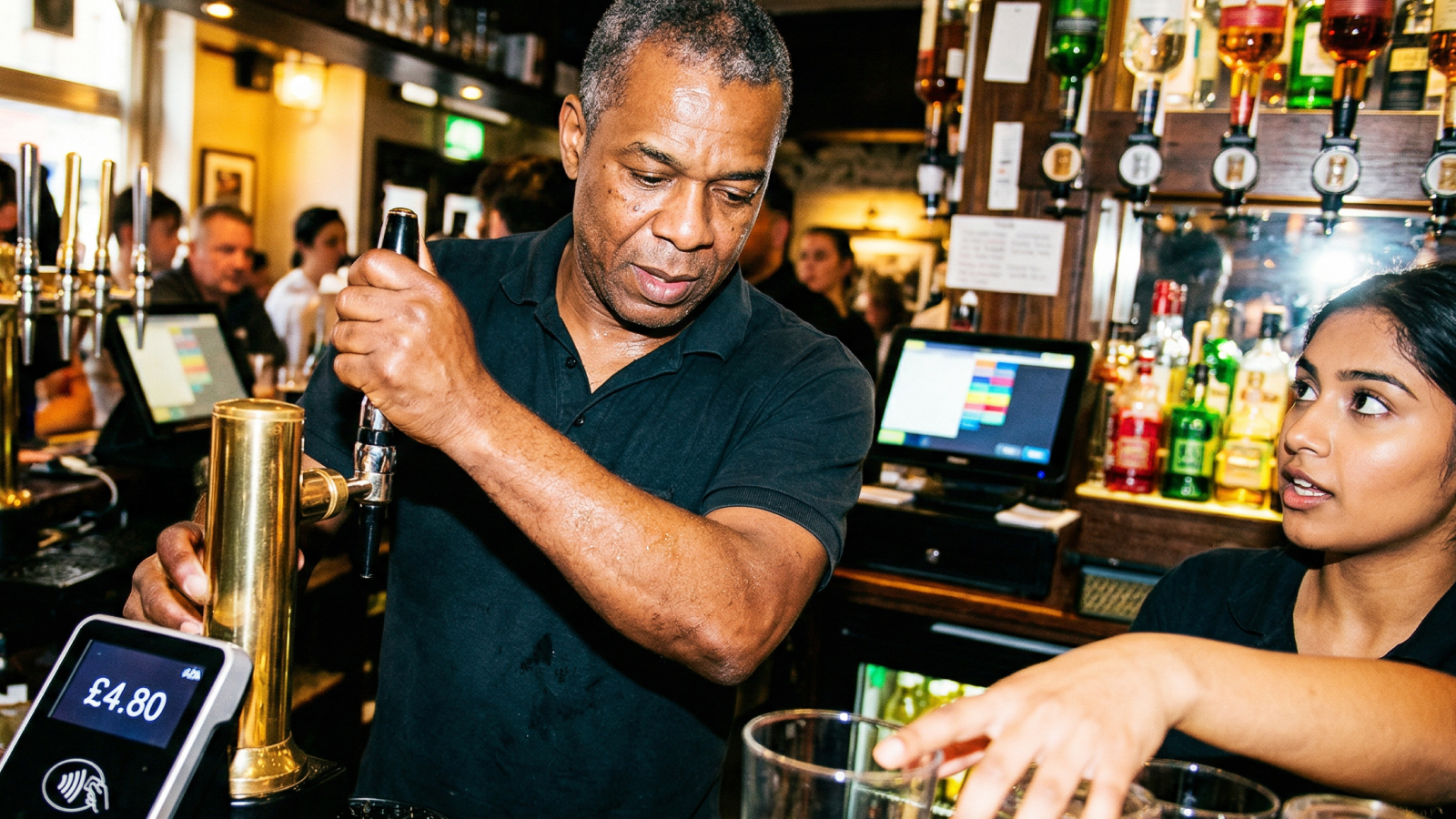
Almost two pubs a day shut their doors in the first three months of 2026, a new report reveals. Figures from industry body the British Beer and Pub Association (BBPA) show that a total of 161 establishments were forced to close across England, Scotland and Wales, up 26% on last year’s numbers.
The news comes as the hospitality sector continues to struggle to withstand the aftershocks of the 2025 Autumn Budget as well as broader economic and legislative shocks that have brought businesses to their knees in recent years. And with around 2,400 jobs impacted, a significant proportion of which impacts younger workers, it’s no surprise the publicans who are still standing are sounding the alarm about much-needed support for their businesses.
Speaking about the closures, BBPA Chief Executive Emma McClarkin called on the UK Government to “establish a permanent long-term plan that will deliver permanently lower bills, a fairer system and ultimately protect this treasured sector”, adding: “The scale of these closures is avoidable because pubs are doing a brisk trade, but their profits are wiped out by a disproportionate tax burden and huge costs.
“For too many, the sheer weight of taxes and regulatory costs [has] forced them to shut up shop, which will only hurt communities, workers and the wider economy.”
The rising employment costs driving UK pub closures
The scale of the cost increases bearing down on pubs in the last 18 months has left many operators unable to stay profitable even while trade held up. The 2025 Autumn Budget landed an estimated £322.5 million in additional employment costs on the hospitality sector, according to the BBPA. That was on top of changes to employer National Insurance contributions that had already come into force in April 2025, and before the 4.1% increase to the National Living Wage in April 2026, rising from £12.21 to £12.71 per hour.
Business rates have been a source of particular friction. The 40% retail, hospitality and leisure relief that cushioned many pubs’ bills throughout 2025-26 was discontinued on 31 March 2026 and replaced with new lower business rates multipliers for hospitality properties, now set permanently in law. Pubs also receive an additional 15% discount on their bills, but only for the 2026/27 financial year, with no commitment beyond that. McClarkin has called on the government to “move beyond sticking plasters”, adding that without a permanent, long-term commitment to business rates reform, closures will continue at this pace.
It’s a struggle that has been evident for some time, and among pub owners with relatively successful establishments too. Speaking to Employment Hero ahead of last year’s Budget, Clement Ogbonnaya, the founder of South London’s award-winning Prince of Peckham and Queen of the South pubs, was frank about the pressure his business was already under: “We’re one of few sectors providing jobs for young people and local communities and yet we’re squeezed and squeezed. My corporation tax came out last week and I tell you what, it was a lot… but what can you do? You have to pay it. It’s one of those funny ones where it’s on your radar, but it’s just something you have to watch and adjust to.”
The October 2024 Autumn Budget, which raised employer NIC contributions from 13.8% to 15% while cutting the secondary threshold from £9,100 to £5,000 from April 2025, made that pressure considerably worse.
What does the Employment Rights Act mean for pubs?
Hospitality businesses are now navigating the early stages of the Employment Rights Act alongside these cost increases, legislation that, by the Government’s admission, is the most significant overhaul of employment law in a generation.
From day-one rights for unfair dismissal protection to the incoming guaranteed hours provisions that UK Hospitality and three other major trade bodies have warned “could cost UK jobs,” the compliance burden landing on the sector appears to be ballooning. The rules being written to protect hospitality workers are, in several cases, making it harder to employ them on the flexible terms that both operators and many workers have historically relied on.
According to Employment Hero’s survey data from March 2026, 84% of small business leaders anticipated having to make operational changes to manage the risks of the ERA reforms, with nearly a third, 30%, planning to increase prices to absorb the costs.
What the Government has offered, and what the sector says it needs
The industry’s specific asks are clear: a permanent hospitality-specific business rates multiplier rather than year-by-year relief; a review of the employer NIC threshold changes as they apply to the part-time workers who make up a disproportionate share of pub workforces, and a sector-specific impact assessment of the guaranteed hours provisions before they take full effect.
The Government’s response so far has been to make permanently lower business rates for hospitality properties a matter of law, and to add a 15% pub-specific discount for 2026/27. The BBPA’s position is that the cumulative gap between what has been offered and what the sector needs to arrest the closure rate remains significant.
At the current pace, the UK is in course to lose another 500 pubs before the year is out. Whether the next Budget treats that as an emergency or accepts it as a trend may determine whether many of them ever reopen.