













“One day we came to Bristol and it felt like freedom,” recalls Alex Troncoso, looking back to 2016 and the beginnings of brewery Lost and Grounded.
Struck by the city’s creative and independent spirit during a pit-stop visit, he and his partner (in life and business) Annie Clements knew almost instantly this was where they wanted to start their brewery.
It’s an understandable first impression. Once an important port trading city, Bristol’s industrial decline has been countered by creative and entrepreneurial regeneration in recent decades. Store fronts are covered in street art, Michelin-rated restaurants sit inside shipping containers at a once derelict shipbuilding yard, and queues regularly flow out the door at independent bakeries and coffee shops.
Building a Values-Led Brewery in Bristol’s Creative Business Scene
Lost and Grounded fits right in.
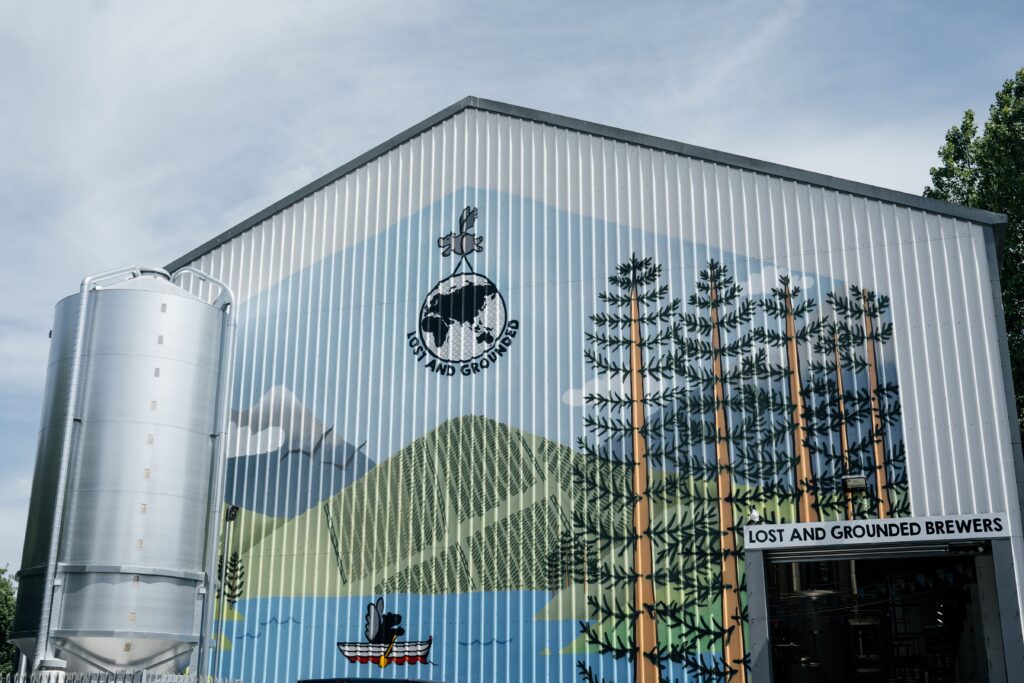
One of their signature artworks, designed by a local illustrator, covers the side of their brewhouse, a bold backdrop to punters sipping pints from the taproom on sunny days. Inside, Alex and Annie have built a business with an ethos that naturally aligns with the social consciousness running through Bristol.
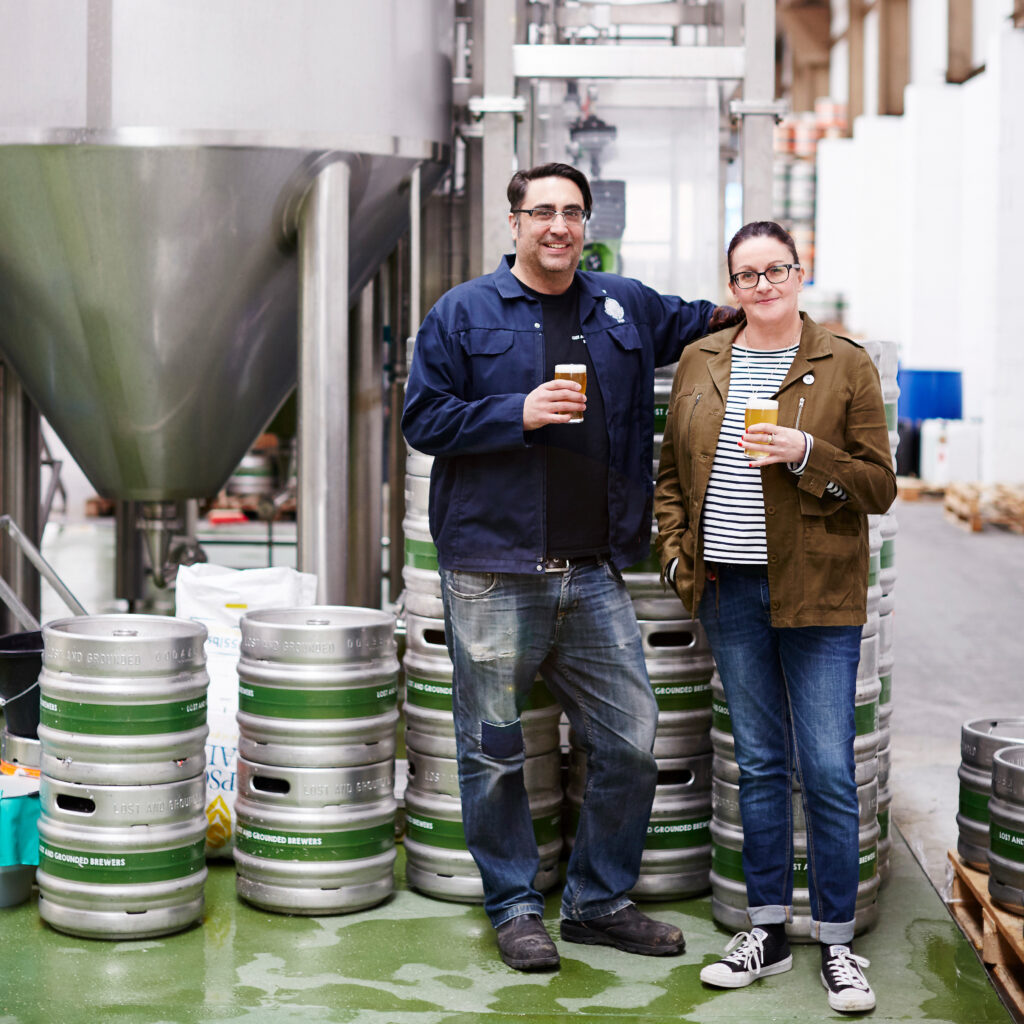
“It was always about setting up a values-led business,” says Alex.
He cites inclusivity as one non-negotiable value.
“That can look like covering expenses for anyone who wants to join when we’re attending a big event in London,” explains Alex. “Or making sure delivery people don’t only hang out with delivery people, or brewers only hang out with brewers. If our Head of Sales comes down from Brighton, for example, he’ll put out to the whole company, who wants to catch up for a beer?”
Proof this has made Lost and Grounded a place people love to work shines through in the fact around half the team has been there for more than five years.
That’s also helped, no doubt, by their day-one commitment to paying the living wage – a rarity among breweries back in 2016. “There were only about 10 Living Wage Foundation breweries out of around 2000,” Alex shares proudly. “We were one of the few.”
How Bristol SMEs Become Community Assets: The West Country Water Park Story
Employment Hero research found two in three business leaders would recommend their city or region as the best place to start a business – and for Alex and Annie, Bristol delivered on that promise. Across the South West, that confidence holds strong, with 61% recommending the region as the best place to start a business. To a greater extent, 68% say they can meet their hiring needs locally – a crucial advantage for growing SMEs like Lost and Grounded.
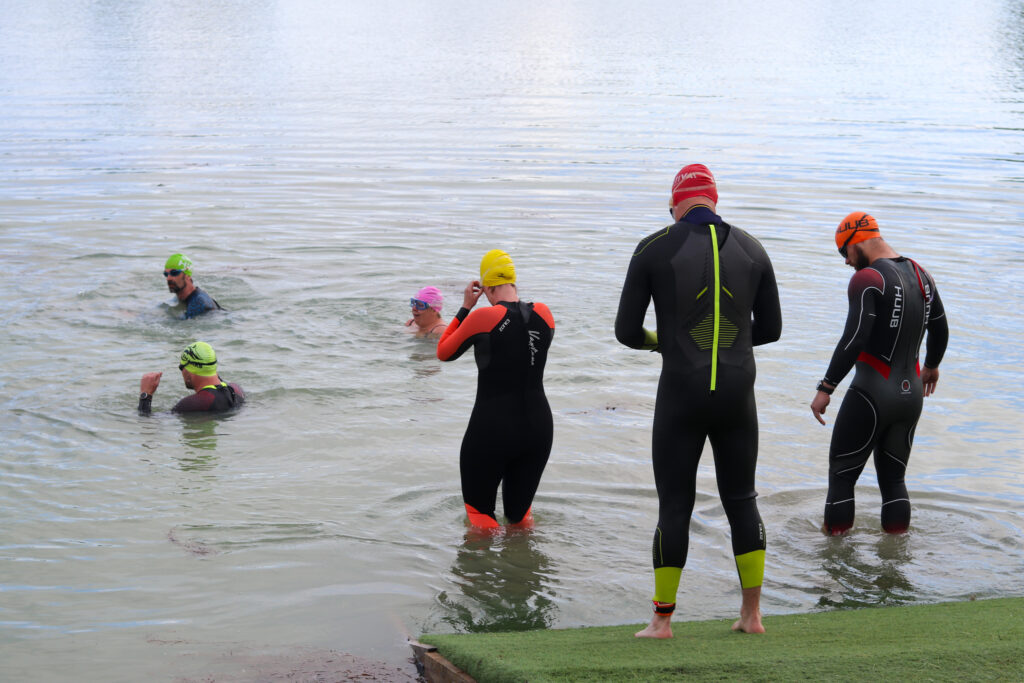
Over on the city’s green fringes at West Country Water Park, an open-water swimming and watersports hub, co-owner Jenny Holmes echoes the brewers’ enthusiasm for Bristol.
She has particular gratitude for how the business has been supported by their regular customers.
“We definitely see ourselves as a local asset to the community, which is a privilege,” she says. “Especially the cold water swimmers – they call us their home, their happy place.”
One particularly poignant encounter sums this up. “One of our regular swimmers came in and explained it had been a tough time: his son had died four days ago,” remembers Jenny. “I was speechless, stood there in reception trying not to cry for him. He said he’d been in to swim every day since, and that it was the only time he felt some peace.
“Knowing we’re offering people something that genuinely impacts their mental health and makes their day worth getting through is phenomenal.”
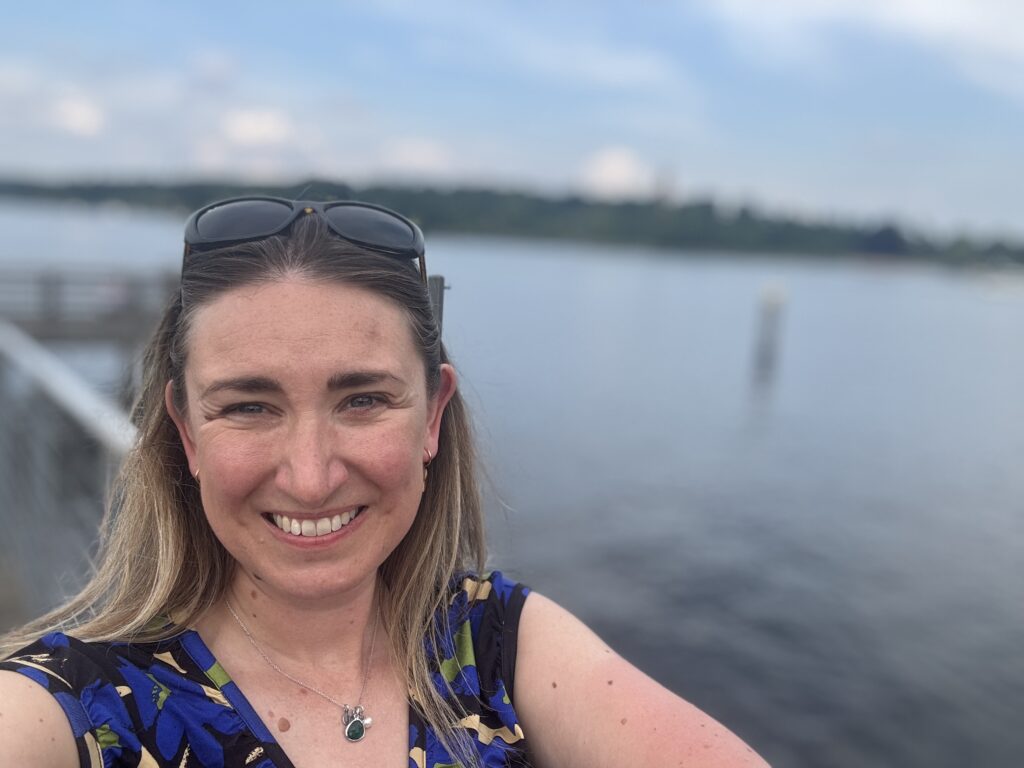
It’s this type of feedback and connection that helps Jenny stay motivated through the winter months. With the majority of the park’s visitors arriving when the weather warms up – dedicated cold-water swimmers aside – her on-site team shrinks from its summer peak of around 50 to just 12.
“It’s really quite a lonely place at this time of year,” she confides. “When the others return, they breathe new energy and life into the business.”
Seasonality can have its advantages, though. Many of Jenny’s team members use the quiet period to take extended travelling breaks, knowing there’ll be work for them to return to.
Even when training up one team member for a permanent role, Jenny strived to maintain some of the flexibility that allowed them to travel. “I asked myself, how much time could they take off that I can live with? I reckon six weeks. So they were able to go away and hopefully also come back rejuvenated, excited,” she explains.
“Also, they’re fulfilling what they want out of life, which is really important, and I can help support them and make that happen.”
Supporting Local Bristol Suppliers: Why SME Owners Prioritise Community Partnerships
Back at Lost and Grounded, one way they similarly create a fulfilling company culture is through their commitment to championing creativity and compassion in the local community.
This strand of the business reflects Employment Hero data that 7 in 10 founders were influenced by a desire to contribute to their local area.
“We’re kind of reluctant capitalists,” laughs Alex. “We know we need to grow the brewery and be financially sustainable, but we also like to try and give back as best we can.”
“That’s why we support the Martin Parr Foundation, which helps emerging photographers. Last year we sponsored Forwards Festival, Bristol Pride and Brislington Women’s Football Club.”
On top of that, the brewery runs an annual Dog Day Afternoon, raising money for the charity Street Vet, and hosts music events in support of War Child.
In Bristol, it’s common to find local businesses partnering up to support a good cause or solve city-wide challenges. Take the Bristol Climate and Nature Partnership and Bristol Good Food, for instance, which bring organisations together to work on climate action and create sustainable food systems respectively.
Beyond formal initiatives, community support often shows up in everyday decisions, like buying from local suppliers. That’s something both Alex and Jenny prioritise where possible, a choice in keeping with the 78% of business leaders who reported using local suppliers over national and international suppliers in Employment Hero’s recent survey.
That sentiment was stronger still among South West business owners, with 84% having picked a local supplier over cheaper alternatives, making it the leading region for backing local businesses.
For Jenny and her co-owner and husband Shaun at West Country Water Park, relationships with local suppliers have often saved the day in challenging situations. The park is off-grid and runs on solar panels, an operational decision for sustainability that Jenny firmly believes is the right thing to do, but has resulted in an occasional power cut during busy shifts.
“A local guy supplied us with solar panels and he comes on site all the time to fix it, or he’ll be on the phone helping us, day or night,” says Jenny. “And we’ve got a mechanic down the road who supports us to get back online as quickly as possible.”
“Those small local suppliers, they have your back. They’re willing to step in when you need it. We love that personal connection and supporting other small businesses around us.”
Creative Problem-Solving and Collaboration in Bristol’s Business Community
Many SME owners will identify with those moments when problem-solving requires all hands on deck. This was especially true for Alex in the early days of the business, when he was more often spinning multiple plates.
“I would be brewing one day, then driving around dropping off beer the next, if the only other guy with a driving licence was off,” he recalls. “Then in the background I’d be fretting about numbers and money. Sometimes I was comforting myself by doing the familiar brewery work instead of trying to solve the puzzle of how to sell more beer.”
As the business has grown though, Alex has begun to value operational challenges as opportunities to be creative – a perhaps under-discussed skill for founders.
“Creativity isn’t just about graphic design or illustration or photography,” he says. “It’s also, how do our brewers solve a technical problem? How does the logistics team solve a distribution problem?”
As well as with teammates or suppliers, that creative problem-solving often happens in conversation with industry peers. Other brewers, in this case, of which Bristol has plenty.
Competition inevitably exists within this community, but so does camaraderie.
“After Covid things got more fragmented,” says Alex.
”But now there’s a movement to try and bring us all back closer again,” he explains. “We all want to support each other.”
That’s something Lost and Grounded are keen to facilitate through a future networking event where brewers can swap notes and solutions: “We all end up having similar problems, and everybody has slightly different ways of doing things. So you can always pick up helpful bits and bobs.”
The Bristol Approach to Running a Successful SME
Whether you’re working around the clock to make your business a success, or figuring out how to weather the quiet winter months as a seasonal company, running an SME always has its ups and downs.
Add in challenging economic times, from rising costs to labour shortages, and the pressure intensifies.
Yet 43% of business leaders in Bristol see the city as doing better, economically, compared to the national UK economy – a sentiment echoed across the wider South West, where 38% of business owners say their region is outperforming the national average.
And nearly half (47%) of business owners in the region disagree that London offers a more supportive business environment than their own – a testament to the collaborative, community-first culture that Alex and Jenny have experienced firsthand.
Perhaps, then, there’s something to learn from the community-minded, values-led approaches of Lost and Grounded and West Country Water Park.
As Jenny reflects, “As human beings, we love that personal connection, and so building that into our business just makes sense.”