













Tax season is already a busy time for SMEs, but there’s another shift on the horizon: the government’s Making Tax Digital for Income Tax (MTD) rules.
Announced as part of a long-term digital tax programme, the policy will require sole traders and landlords with qualifying income above £50,000 to submit quarterly digital updates from 6 April 2026, with further phases planned for 2027 and 2028.
On paper, most incorporated SMEs aren’t directly in scope. But in practice, the move towards digital record keeping and quarterly reporting is likely to influence how small businesses (SMEs) handle accounting, contractors and financial workflows across the UK.
A Limited Mandate With Wider Implications
MTD isn’t aimed at limited companies, but the UK tax ecosystem rarely changes in isolation. Contractors, freelancers and sole traders sit inside SME supply chains, and once they’re required to keep digital records and send quarterly updates through approved software, accountants and software vendors will adjust processes across the board.
That raises a practical question for SMEs: are they ready for a finance environment built around digital bookkeeping, quarterly updates and year-round visibility?
According to Davinia McGann, founder of accounting company Dam Good Business, awareness among affected groups varies significantly. She says there are “two camps”: those preparing early and those avoiding it. As she puts it, “I’ve got some clients who are very aware of it and are keen to make sure they’re ready or start early, and then you have the other group who’ve generally avoided software or the regularness of bookkeeping as much as possible and are now being forced to change their ways.”
Accounting Workloads Will Shift
The move to quarterly digital updates spreads compliance across the year rather than concentrating workloads in January and late summer when Self Assessment peaks. It’s a shift that could reshape how accountants interact with SMEs, pushing them towards cleaner data, compatible software and more frequent financial reviews.
But McGann argues this doesn’t have to be a disruptive process. For organised clients, she says “this is just about a change in rhythm rather than a change in process.”
She also encourages SMEs to treat it as good practice rather than an inconvenience: “When you’re running a small business, looking at your numbers even quarterly isn’t enough. I work with business owners to encourage them to do some sort of check-in monthly anyway, because then they’ve got information they can actually make decisions with.
“Compliance is often talked about as the necessary evil, but ultimately you pay tax when you make a profit, which means you’ve got a good business. All this does is support those more regular check-ins that help people feel a bit more in control.”
Contractors Will Feel It First
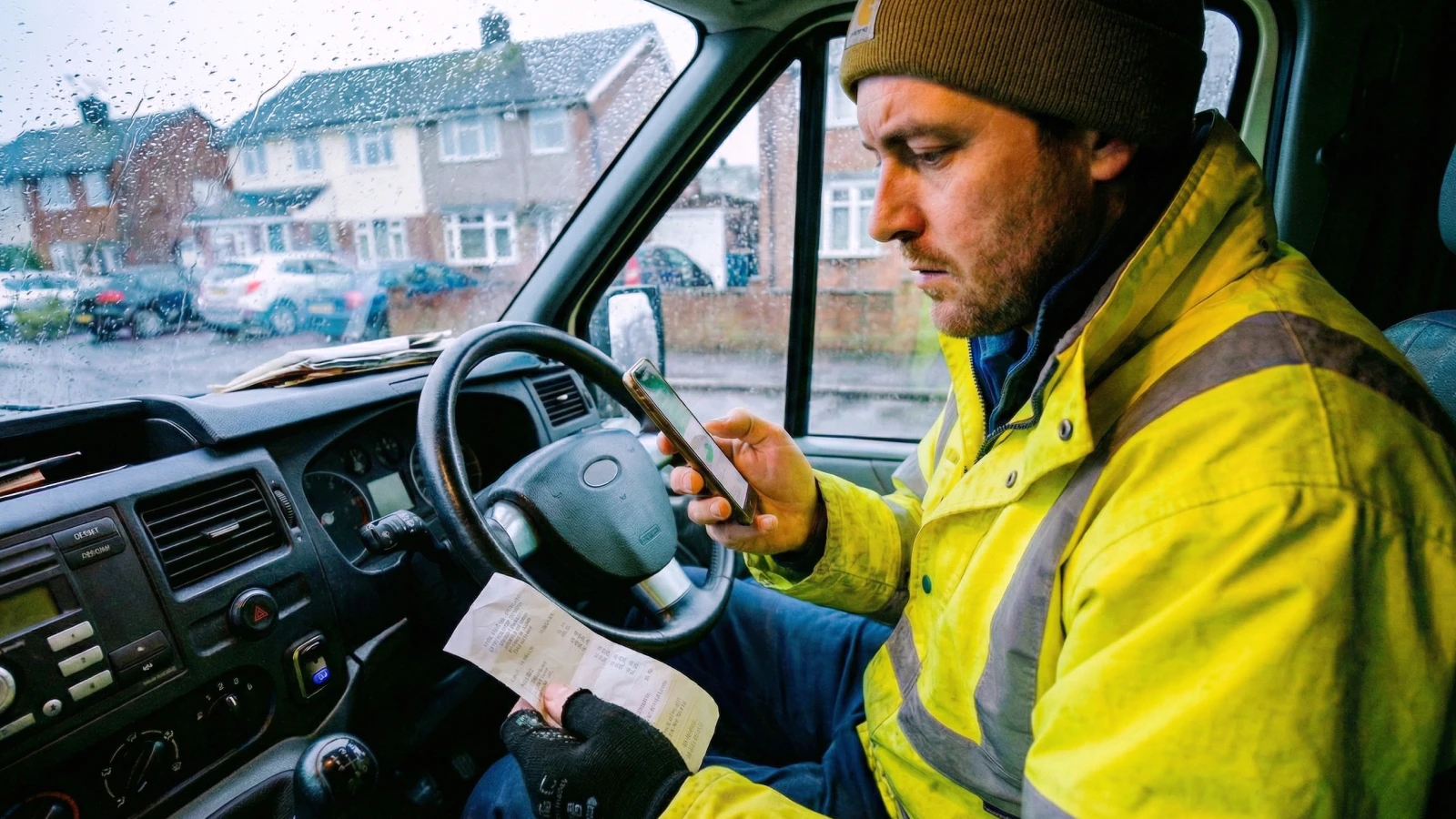
Many SMEs operate with workforces that include contractors. Under MTD, those contractors will need digital record keeping and compatible software. SMEs that rely heavily on freelancers may need to adapt their workflows around invoicing, expenses and documentation earlier than expected.
McGann notes that the shift is already happening quietly: “Lots of people have already got into the habit of sending invoices digitally. A lot of business bank accounts for sole traders and freelancers incorporate invoicing or some kind of expense categorisation and payment matching, so a lot of the digital record keeping is happening already, even if people don’t call it that.”
For many SMEs, the change will be less about adopting brand new tools and more about tightening the admin that already exists.
Cost, Software and Confidence
Some SMEs assume MTD will push everyone into paid software. McGann says that’s not always the case:
“There are definitely people who are worried about the costs involved because accounting software can seem expensive. For those who have really simple businesses, it’s important they realise there are free options from big providers.”
That’s not to say software confidence doesn’t remain a barrier for some SMEs. As she puts it, “If accounting software is used incorrectly or not set up right, you can get yourself in a real muddle. It’s garbage in, garbage out.”
Rather than burying your head in the sand about your lack of confidence, she recommends getting as much support as possible.
“Software providers have been really good. There’s lots of free support out there”, Davinia adds. “You’ve got to invest your time, but not necessarily your money.”
What Should SMEs Do Now?
SMEs aren’t being mandated into quarterly digital reporting in 2026, but ignoring the shift entirely carries risk, particularly for businesses with contractor-heavy workforces.
Practical next steps include:
- Testing digital bookkeeping instead of spreadsheets
- Asking contractors for clearer documentation
- Checking accountant and software compatibility
- Trialling systems before deadlines arrive
McGann’s advice is simple: “Number one, start early. Don’t wait until 1 April to start looking at this.” She also stresses that panic isn’t necessary.
“It honestly isn’t that scary. It’s just about changing the rhythm. There are loads of free demos people can play around with, and if they get stuck they can contact HMRC directly or reach out to a trusted finance professional.”
MTD may start with individuals, but it sets a clear direction of travel for the UK tax system: digital records, more regular submissions and fewer end-of-year scrambles.
Those that start aligning now are likely to feel the full range of benefits that level of preparation will bring, and long before the rules impact them directly.