


















Payroll Integration: A Comprehensive Guide for UK Employers
Published
Payroll Integration: A Comprehensive Guide for UK Employers
Published
Is your business growing with new employees and a bigger payroll? Doing payroll manually can be a daunting task and it only gets harder as an organisation grows. With so many calculations, compliance and critical data involved, making mistakes can be costly and damaging.
Payroll integration can be the answer, streamlining the process and eliminating the potential for expensive mistakes with reliable software and automation.
Let’s take a look at what payroll integration involves and how it could benefit your business.
What is payroll integration?
Payroll integration brings together the different tools and systems you might use to manage employee data and wages, making the process of payroll much simpler and more efficient. There are so many factors that affect payroll and tracking and inputting them manually takes up a lot of time. Not to mention the potential for errors to be introduced.
Automating the process with an integrated solution reduces the workload and takes away so much of the risk of human error. This means you can get payroll done in minutes rather than days. Reliability in payroll is also essential, with salaries needing to be paid accurately and on time each cycle.
Making use of payroll integration software can help you create a unified system that syncs data such as attendance and holidays, as well as checking compliance with UK employment laws and regulations.
With Employment Hero’s payroll integration, you can make use of existing accounting systems, including Xero, Sage, Quickfile and many more. Your current employee data and history can be imported so you’re not starting from scratch.
The advantages of payroll integration
So, what are the advantages of payroll integration? These are some of the benefits a streamlined and automated payroll system can bring:
- Time saving – It can take hours and sometimes days to calculate and check payroll manually, so payroll integration can give you time back to focus on other tasks.
- Accuracy – Just over half of businesses agree that payroll errors are a significant and recurring challenge. An automated system can manage all factors that influence payroll each month, ensuring accuracy and vastly reducing the potential for errors.
- Compliance – 4 in 10 businesses have incurred fines or penalties for payroll compliance. But integrated payroll can help to reduce the risks of non-compliance, through checking pay against compliance as set out by UK employment law and regulations, including things like PAYE and Auto Enrolment pensions.
- Automation – Payslips will be sent out automatically through an integrated payroll system, providing reliable and consistent information for your team.
- Real-time reporting – Get real-time insights into finances, from profitability to pension contributions, generating useful reports that can influence company policy and direction.
Key considerations for payroll integration
Not every system will suit every business, so we’ll also cover some of the potential drawbacks and costs of implementing payroll integration:
- Initial set-up cost – Naturally, investing in a new system presents a big up-front cost, so take some time investigating whether payroll integration is right for your business, or go for a free payroll system.
- Complexity – Taking on a new system will come with a learning curve and it can take a little time to transition all your data and procedures. However, once you’re up and running, it can provide a more manageable system in the long run.
- Reliance on providers – If you fork out for fancy payroll integration software, you’re relying on that provider for the foreseeable future. There’s nothing inherently wrong with this, but it’s worth taking time to consider your options before committing to a provider.
Common challenges of manual payroll processing
If you’re a business owner or an HR professional managing payroll manually, you know how complicated and time-consuming the task can be. From accuracy to compliance, there are so many factors to consider when tackling payroll.
With so many moving parts contributing to each payslip, even small mistakes in data entry or record-keeping can lead to delays, incorrect payments and compliance issues. Ultimately, manual payroll increases the risk of errors, added costs and unnecessary stress for both HR teams and business owners.
Download our Payroll Guide for SMEs
How to integrate payroll with accounting software
Integrating payroll with your accounting systems isn’t as big a hurdle as you might think. It’s generally pretty simple, so long as you pick a payroll system that’s compatible with your existing accounting software.
Here are a few steps to follow:
- Choose your payroll system – Pick your payroll software and make sure it will work with your current systems. Employment Hero payroll software is fully compliant with UK regulations and syncs with HMRC.
- Integrate your systems – Getting set up with the new system means installing it and connecting it with your accounting software and other systems. Our payroll system integrates seamlessly with all our HR tools, connecting leave management, timesheets and employee data. We’ll also help you with the set-up process to make sure everything is running smoothly.
- Test and train – A new system means implementing some training and testing time to ensure everything is working as it should and that staff and leaders can get used to it. Employees will need training on accessing their side of the system to see payslips and check their information, while HR will need time to get familiar with their new tools.
- Implement – Now everything is set up successfully, it’s time to enjoy the streamlined and automated payroll process and make use of your new reporting tools to review data and keep everything running smoothly.
Best practice for handling payroll data
Setting up an integrated payroll system will certainly make life easier for any HR professional, but it doesn’t mean you can completely sit back and relax. There are a few important things to remember when handling the data and maintaining your new integrated systems.
Keep your data up to date – While your integrated payroll system will make things so much easier when it comes to employee data, it’s still your responsibility to ensure it’s accurate and up to date. Make sure you’re regularly checking data for accuracy and that it’s properly synced across your different systems.
Back up your data – Every system can fail, so make sure you’re backing up your data in multiple safe locations in case of a software issue.
Secure your data – With so much sensitive data in the payroll and other HR systems, security is vital. Set up rigorous security to protect this data and limit who is able to access it to reduce the risk.
Download our payroll integration guide
If you’re currently doing your payroll manually, by now you’ll be chomping at the bit to try payroll integration. As any business grows, there will come a time when important tasks like payroll need to be streamlined and automated, freeing up vital resources for other tasks. You’ve read the many benefits of payroll integration, but the time you save is one of the biggest advantages. There’s so much to focus on as an organisation grows, with new systems and policies to create and so many plans to dream up.
If you want to find out more about payroll integration, download our free guide for a more in-depth look at this process and its benefits.
To download the guide, we just need a few quick details.
Related Resources
-
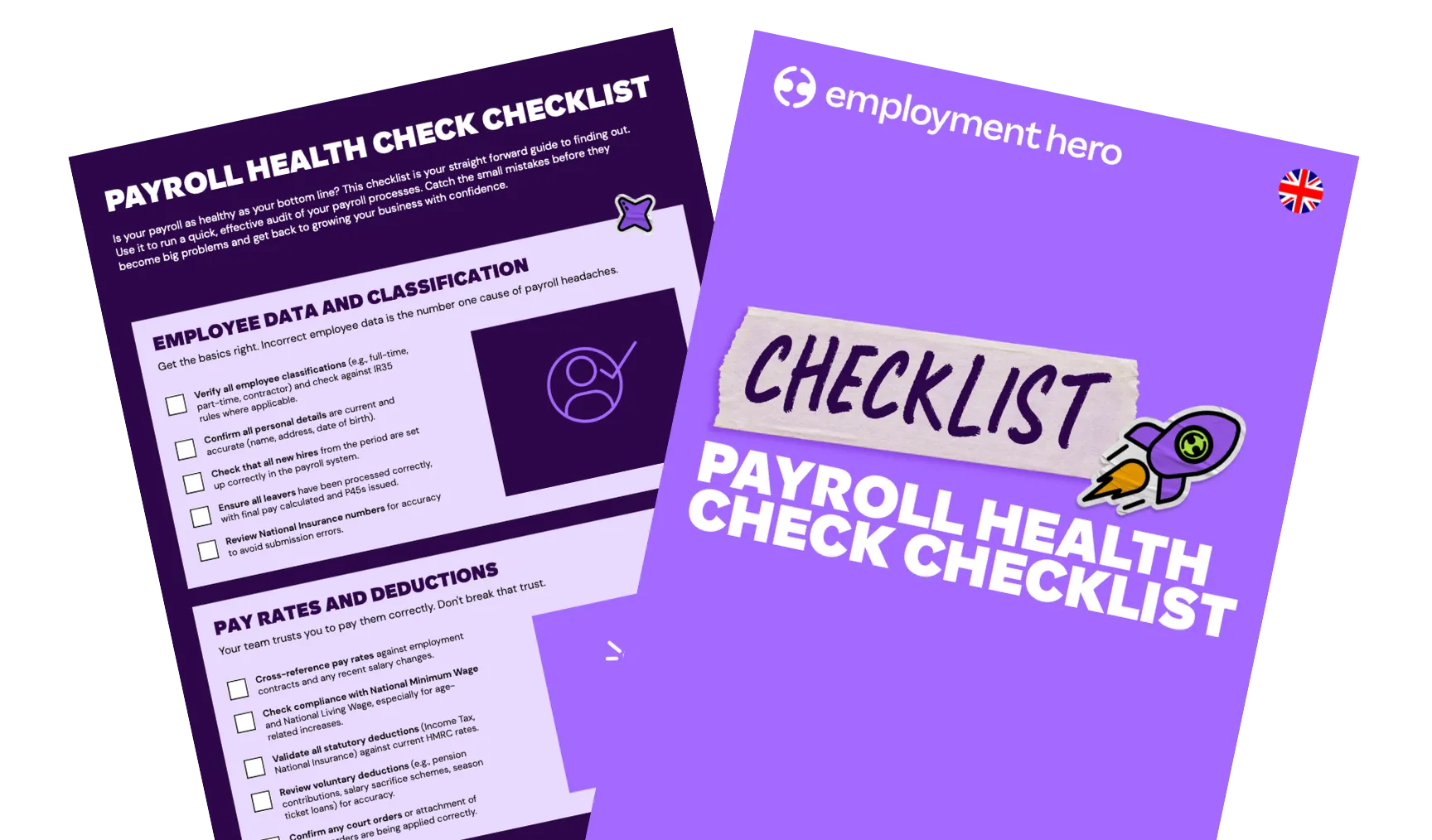 Read more: Payroll Health Check Checklist: Audit, Compliance and Review
Payroll Health Check Checklist: Audit, Compliance and Review
Is your payroll as healthy as your bottom line? Use our payroll audit, compliance, and review checklist to catch errors,…
-
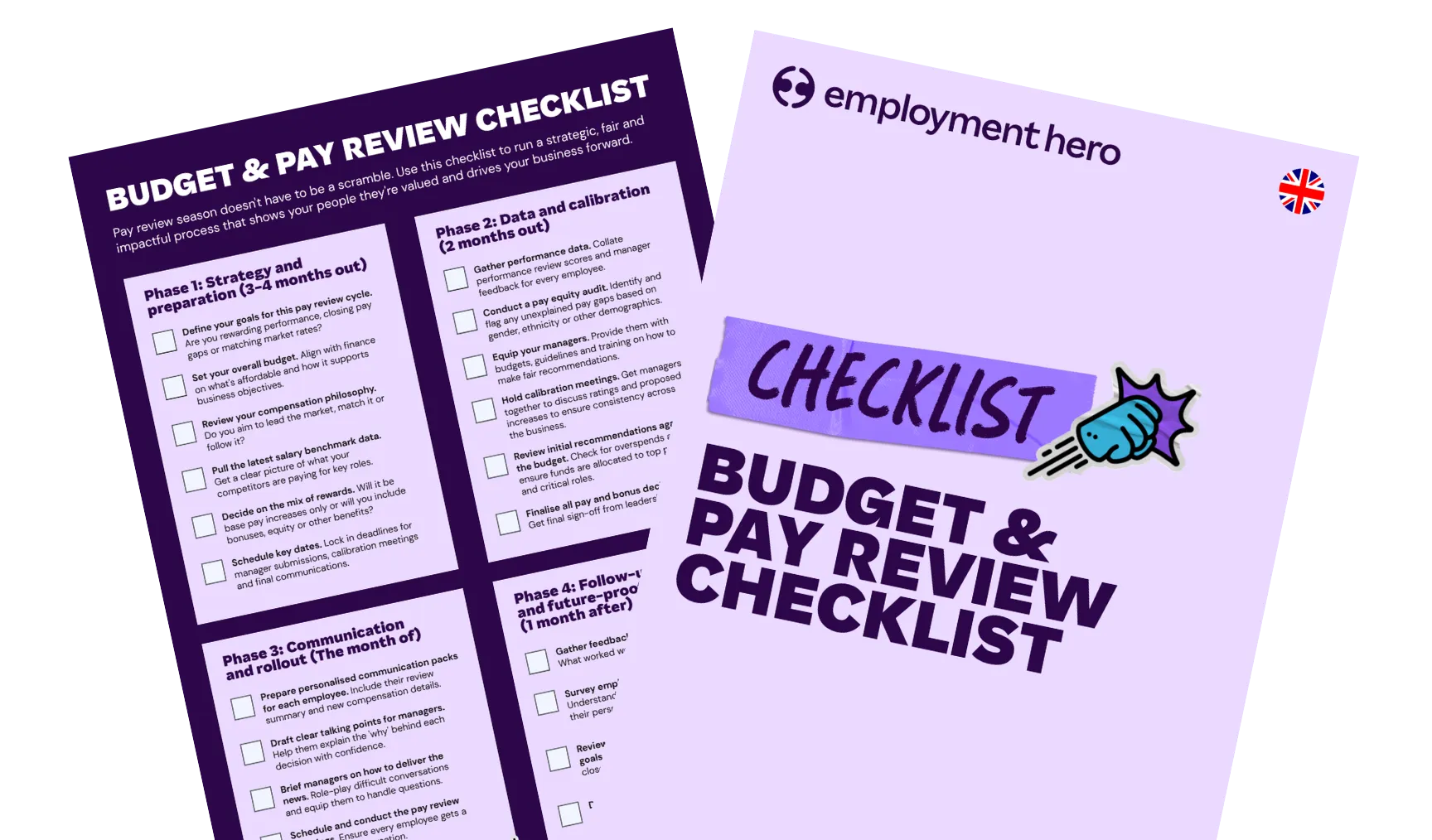 Read more: Budget & Pay Review Season: Shifting the Strategy for 2026
Budget & Pay Review Season: Shifting the Strategy for 2026
Learn how HR leaders can reward performance, boost engagement and show employees they matter.
-
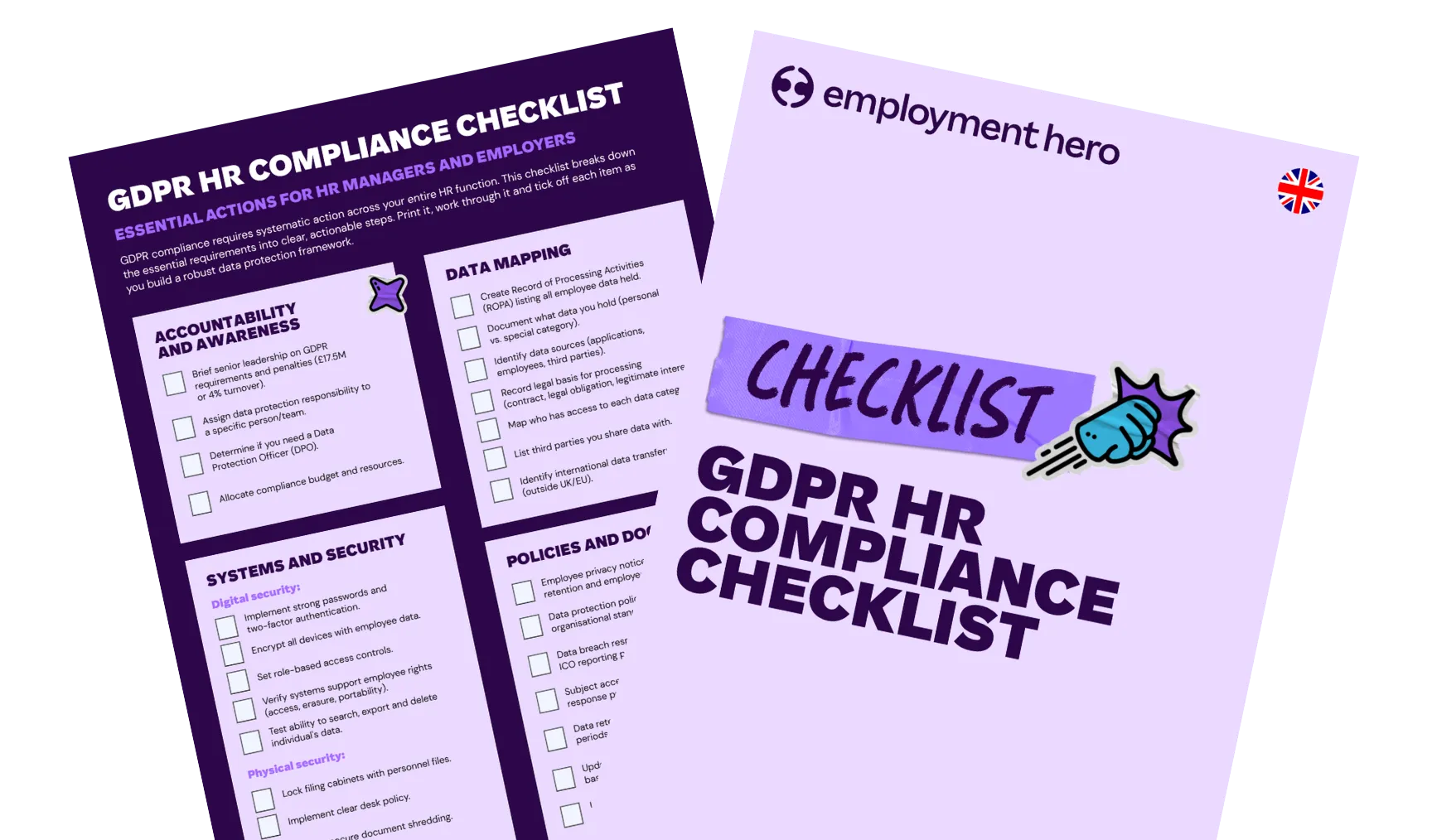 Read more: GDPR Checklist for HR Managers and Employers
GDPR Checklist for HR Managers and Employers
Check if your HR practices are GDPR compliant with our checklist.
