














Grief at work: A leader’s guide to supporting employees
Published
Grief at work: A leader’s guide to supporting employees
Published
Grief is a universal human experience, but it’s often met with silence in the workplace. As a leader, you know your team’s wellbeing is paramount, but navigating conversations around loss can feel like walking on eggshells. You want to offer support, but you might worry about saying the wrong thing.
This guide will arm you with the clarity and confidence to lead with compassion. You’ll be equipped to create a workplace where your team feels genuinely supported through their most difficult times, because every business is stronger when people know someone has their back.
What is in this guide?
You’ll discover a complete roadmap for handling grief at work with empathy and professionalism. From recognising the signs of grief and communicating with sensitivity, to supporting a smooth return to work for team members and creating practical workplace policies—every section is designed to help you be the leader your team needs. With the right knowledge, you can make sure your team feels safe and supported, no matter what life throws at them.
Let’s dive into why making space for grief is a vital part of a thriving workplace culture, one that’s good for both your people and your business.
Why should employers acknowledge grief at work?
Acknowledging grief in the workplace goes way beyond ticking the “good person” box; it’s core to building trust, engagement and psychological safety across your team. When someone’s grieving, their focus and productivity will inevitably take a hit. If you ignore what they’re going through, it can trigger disengagement, increased employee absenteeism and a weakened sense of belonging.
Stepping up and showing compassion proves to your people that you see them as human beings first. That kind of leadership builds loyalty and helps everyone show up as their authentic selves. It strengthens your workplace wellness efforts, too, giving your initiatives real meaning and impact.
Support is more than a sentiment—it’s about practical, impactful actions that truly make a difference. Let’s look at what that can look like in practice.
How to support a grieving employee

Supporting a grieving employee starts with one simple skill: listening. Grief doesn’t follow a script and neither should your support. Prioritise creating a safe space where the person is free to let you know what they need, on their own terms. This could mean giving them space, encouraging them to take time off or openly reassuring them that the team will pick up the slack for now.
Tailor your approach to each person. Some will want to talk. Others will want privacy. The most valuable thing you can do is show you’re there, ready to adapt to what they need, whether it’s flexible deadlines, periodic check-ins or just a kind word when it matters most.
It’s common to overthink what you say in these moments, but you don’t need to be poetic to have an impact. Even the simplest words, delivered sincerely, can carry real weight.
What to say to an employee when someone dies
When an employee loses someone, the way you respond matters more than anything you say. There’s no need to overcomplicate your support. Sincere words and actions always land best. Express heartfelt condolences and extend your support with no expectations or unnecessary questions attached.
Phrases like these go a long way:
- “I was so sorry to hear about your loss. Please accept my deepest sympathies.”
- “There’s no pressure to respond, but I wanted to let you know we are all thinking of you.”
- “We are here to support you. Please let us know if there is anything at all we can do.”
- “Please take all the time you need. Your wellbeing is our priority right now.”
After you’ve reached out, focus on listening. Give space for as much or as little as they’re comfortable to share. Your calm, consistent presence will say more than any perfectly crafted message.
Just as important as what you say, though, is what you avoid saying. Here’s how to sidestep some of the most common communication pitfalls.
What you should avoid saying and why
Trying to make things better can sometimes backfire if you use well-intentioned phrases that feel dismissive or minimising. Comments like “They’re in a better place,” “Everything happens for a reason,” or “Time heals all wounds” can come across as hollow platitudes.
Comparing the person’s grief with your own experiences is equally risky. Everyone’s loss is unique and these comparisons can make a person feel misunderstood or alone. The key is to focus on support over solutions. Make it clear that you’re there for them, not to fix their pain but to walk alongside them while they go through it.
It’s not just words that matter; structure and support from the company give your people a much-needed safety net. That’s where a strong bereavement policy becomes invaluable.
Bereavement policies
A clear, compassionate bereavement policy gives your team certainty at a time of confusion and distress. Go beyond the statutory minimum where you can. UK law offers Parental Bereavement Leave and employees will also be able to take sick leave if their level of grief makes them unfit for work, but extending additional compassionate leave makes a real difference and signals your values as an employer.
A comprehensive policy should lay out entitlement to different types of leave, flexible working options and absolute clarity around communication protocols. Don’t forget to include access to resources like Employee Assistance Programmes (EAP). This clarity not only supports employees but also empowers managers to respond decisively and fairly, leaving less room for doubt or regret. And if you’re ever in need of guidance, HR advisory services are there to help you create or review your existing policy.
Returning to work
Getting back to work following a loss is a sensitive transition, one that works best when handled at the grieving employee’s pace. Have a genuine conversation before they return, covering what adjustments might help: would a phased return, flexibility around hours or a lighter workload make things easier? Agree on regular check-ins and emphasise that it’s normal if things take a while to settle.
The aim is to provide steady support, free from expectation or judgement, while ensuring they know it’s okay not to be performing at full capacity right away. Make sure employees also have information on relevant wellbeing resources, like guidance on mental health leave, so they never feel alone in the process.
When to consider flexible working options
After a bereavement, strict schedules and rigid routines can make things unnecessarily hard. Integrate flexibility wherever possible; temporarily reduced hours, remote or hybrid work arrangements and freedom to adjust start or finish times all help employees focus on managing the practical and emotional fallout of loss.
Bespoke arrangements can ease the pressure immensely, ultimately supporting a healthier recovery and greater loyalty down the line. Invest in solutions like leave management software to make these adjustments easy for everyone involved. Flexibility is your strongest tool for empowering colleagues to balance recovery with workplace responsibilities—your approach sets the tone for their long-term engagement.
How to normalise emotions

No one should have to hide their feelings or struggle in silence at work. As a leader, you can normalise talking about emotions by modelling openness yourself. When you share your own stories or vulnerabilities thoughtfully, it shows your team that it’s okay to be human.
Encourage colleagues to lean on each other, consider training Mental Health First Aiders and promote peer-to-peer support. Make conversations about grief, wellness and mental health just part of the working day. This kind of authenticity creates a positive feedback loop—your workplace becomes more resilient by design, ready to handle challenges together. To truly champion your people, it pays to understand what grief actually looks like, because it rarely follows a script.
Understanding the grieving process
Forget the idea that grief moves neatly through predetermined stages. People can swing through sadness, anger, numbness or relief—sometimes all in a single day or in no set order at all. Every journey is personal.
Your job isn’t to analyse or “help” someone reach a specific milestone but to respect their way of coping and adapt to their cues. Stay curious and supportive, give your team room to move through this process at their own pace and keep checking in with empathy. Real leadership here is about steadiness and respect, not about having the right answers.
The impact of bereavement on employees’ health and wellbeing
Bereavement brings with it both emotional and physical challenges. Anxiety, depression, sadness and even physical symptoms like fatigue and reduced immunity are all common. Cognitive effects—like forgetfulness and trouble concentrating—may come as a surprise, especially in highly driven individuals. At work, these factors can show up as dips in performance, missed deadlines or a sense of disengagement.
Being aware of these signs means you can support your team without judgement, address any concerns proactively and offer timely help, such as wellbeing programmes and access to your EAP. It’s about acting early without waiting for someone to ask.
And with numbers as high as they are, this isn’t just a theoretical problem, it’s a reality for many UK employers today.
The prevalence of bereavement and its impact at work
Grief is not as rare as it might seem; at any point, around 1 in 10 UK employees may be affected by bereavement of any type (i.e. any family member or friend) per year, which costs the UK economy an estimated £23 billion in lost Gross Value Added (GVA). This common experience sees many struggle with the transition back to work, leading to prolonged shifts in performance, engagement and health.
The upshot? Having a compassionate plan for grief isn’t a nice-to-have—it’s business-critical. Employers who get this right are far better positioned to retain talent and build real trust.
Download the full guide
If you want to lead your team through life’s toughest valleys with courage, this comprehensive guide has you covered. Inside, you’ll find practical templates, conversation scripts and clear policy guidance—everything you need to create a genuinely supportive workplace environment. Arm yourself with the know-how to make a difference and ensure your team gets the care they truly deserve.
Download our Leader’s Guide to Grief at Work today and take the first step in empowering your people, fostering resilience and trust and building a culture where every team member knows you’ve got their back.
Register for the guide
Related Resources
-
 Read more: How to Turn EOFY into a Strategic Advantage
How to Turn EOFY into a Strategic Advantage
Join our expert led EOFY webinar to learn how to use payroll reports, legislative updates, and cost optimisation in 2026.…
-
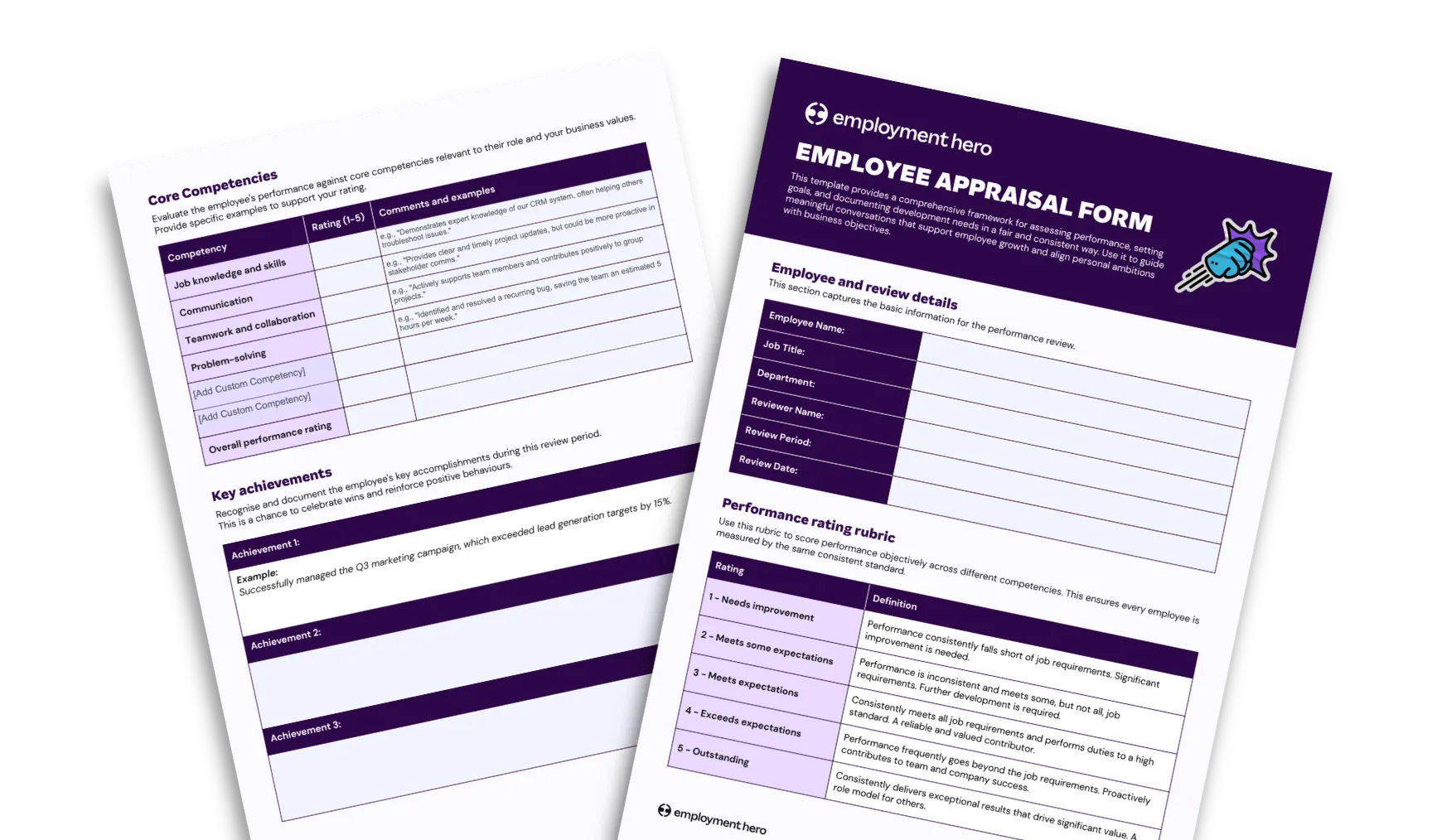 Read more: Performance appraisal form template and guide
Performance appraisal form template and guide
Download our appraisal form template to enhance employee performance reviews. Improve feedback processes and growth.
-
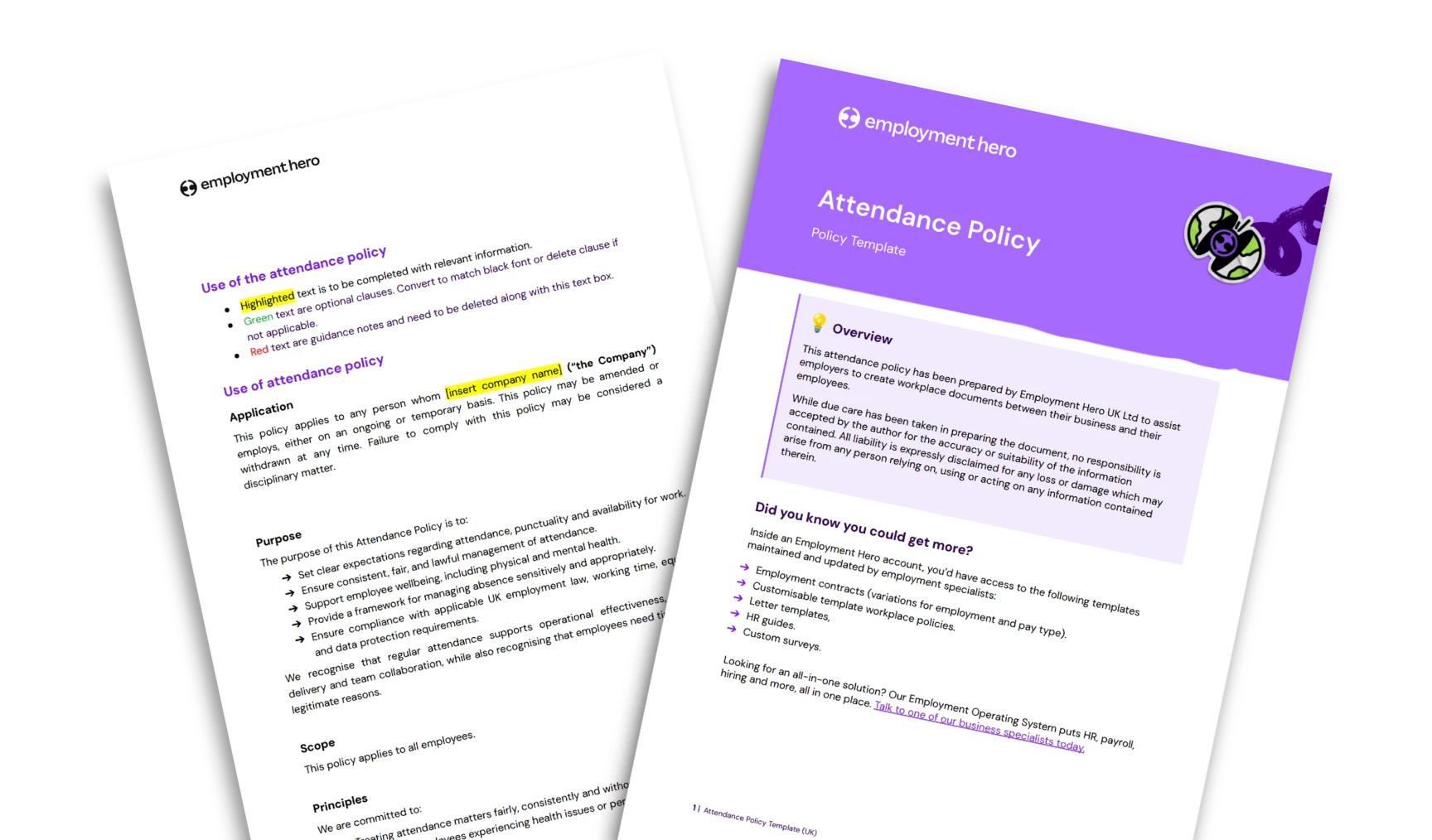 Read more: How to Build an Employee Attendance Policy in 2026
How to Build an Employee Attendance Policy in 2026
Learn how to create a fair and effective employee attendance policy in 2026. Discover strategies for managing attendance policies that…
