


















Performance appraisal form template and guide
Published
Performance appraisal form template and guide
Last Updated
Performance reviews without structure often feel like a tick-box exercise. They can be subjective, awkward and frankly, unproductive. You sit down, have a vague chat about “how things are going” and both leave feeling unsure about what actually happens next.
But when you get it right, a performance review is one of the most powerful tools in your arsenal. It aligns your team, boosts engagement and drives genuine business growth. The key lies not just in the conversation but in the framework that shapes it.
This guide gives you a comprehensive look at how to structure your appraisals, from frameworks to feedback, making sure you have a fair and consistent way to champion employee growth.
What is an appraisal form?
At its core, an appraisal form is more than just a piece of paperwork to file away in a dusty cabinet (or a digital folder you never open). It’s a structured roadmap for meaningful conversations about an employee’s contribution, achievements and future.
Think of it as the scaffolding for your performance management strategy. It ensures every manager in your business is evaluating their team against the same criteria, removing bias and focusing on facts. It documents the “what” and the “how” of an employee’s role, providing a clear record of progress over time.
Instead of a loose chat, an appraisal form forces you to look at specific competencies, goals and behaviours. It transforms a subjective opinion into an objective assessment.
Why use an appraisal form?
Why do we do this work? It’s not for the love of paperwork. It’s because a structured approach leads to a high-performance culture. It breaks down the barriers between managers and employees by creating a safe space for open communication, feedback, and recognition. This inevitably leads to an engaged workforce who feel valued and motivated to reach their full potential.
Appraisal forms are especially crucial for growing SMEs as they provide structure and accountability. As responsibilities increase and compliance demands become more complex, having a clear record of employee performance becomes even more critical. An appraisal form streamlines this process while also promoting transparency and fairness within the company.
Additionally, appraisal forms allow for better tracking of progress over time, making it easier to identify areas of improvement or excellence. This can help with making informed decisions about promotions, bonuses, and other rewards for employees. They help with:
- Clarity: Everyone knows what is expected of them.
- Fairness: Decisions on pay and promotions are based on documented evidence, not favouritism.
- Retention: Employees who see a clear path for growth and feel their work is recognised are far less likely to leave.
By streamlining this entire process with robust HR software, you cut the admin burden and maximise the strategic value of your people data, making performance reviews not just easier, but truly impactful. To drive these benefits, you need to create an effective form that truly works for your business.
Building an effective appraisal form
Creating an effective appraisal form isn’t about copying and pasting a generic template from the internet. It’s about building a document that reflects your company values and business goals.
- Start with the basics: employee details, review period, and reviewer’s name.
- Dive deeper into core competencies relevant to the role, such as: communication, technical skills and teamwork.
- Tailor the form: If innovation is a core value, add a “creative problem solving” section. In regulated industries, dedicate space for “compliance and safety.”
The goal is a document that enables fair, consistent evaluations across the board, giving you actionable data. Once you have your sections defined, you need a structured way to measure performance.
Rating rubric for performance reviews
Taking the guesswork out of evaluations is critical. “Good job” means different things to different managers, so use a clear, transparent system:
- Needs improvement: Consistently misses expectations.
- Needs improvement: Meets some but not all expectations.
- Meets expectations: Consistently does the job well.
- Exceeds expectations: Frequently goes above and beyond.
- Outstanding: Consistently delivers exceptional results and drives value.
Define what each number means with specific examples to keep evaluations objective and avoid defaulting to mid- or high-range scores just to keep things pleasant.
You can take your reviews even further by pairing our appraisal template with a 360-degree review template for a truly comprehensive look at performance—capturing feedback from peers, direct reports and managers for a fuller picture.
Conducting the appraisal process
But the form itself is just one piece of the puzzle. The appraisal process is an entire journey, not just a meeting. Let’s take a look at what the appraisal process can look like.
- Preparation: Set expectations at the beginning of the cycle. Gathering feedback is much easier when you’re backed by tools like performance management software, which lets you track wins in real time and capture valuable insights as you go. Both manager and employee should review the period, armed with this data for a smoother discussion.
- The meeting: Structure the meeting to be productive. Lead with positives to build psychological safety, be clear on improvements and use direct, supportive language. For a deeper dive on making every discussion count, explore our performance review guide packed with actionable tips and templates.
- Follow-up: The magic is in the follow-up, ensuring real ownership of feedback and progression.
The process should link past performance to future goals, fostering meaningful development conversations.
Enhancing the appraisal experience
Effective appraisals aren’t just ratings, they’re rich, two-way conversations grounded in recognition, accountability and goal setting. Here’s a few tips on how you can enhance the process to ensure a positive experience for all involved.
1. Set the tone
It’s important to establish a positive and collaborative tone from the beginning. Start by acknowledging the employee’s contributions and setting clear expectations for the appraisal process.
2. Encourage self-reflection
Give employees time to reflect on their own performance before the appraisal, allowing them to identify areas of strength and areas for improvement. This will help facilitate a more open and honest discussion during the appraisal meeting.
3. Use data and examples
Provide specific examples of accomplishments or challenges to support your feedback. This adds credibility to your assessment and allows for a more focused conversation on targeted areas for development.
4. Highlighting the employee’s achievements
Celebrate wins. Dedicate sections to specific achievements, reinforcing the behaviours you want to see again and again. When you recognise wins, your team knows you’re paying attention and you build a record for promotions or pay rises down the line.
5. Identifying areas for improvement
Growth comes from honest, constructive feedback. Use the form to document actionable steps, not vague complaints. “Needs to provide more timely updates on project status” is better than “Needs to communicate better.” Turn weaknesses into opportunities.
6. Tracking improvements since the last review
Check progress on previous goals. Did they hit them? If not, why? Keep employees accountable and show that development is a continuous journey, not a one-off event.
7. Setting the employee’s professional goals
Use this section to set SMART goals (Specific, Measurable, Achievable, Relevant, Time-bound). Inspiring, tailored targets give employees a clear path for growth within your company.
8. Including comments from the employee
Make the process a real conversation. Give employees their own voice on the form, space to provide their perspective, bring up challenges, or suggest improvements. This builds trust and turns feedback into fuel for growth.
Common challenges and solutions
The process isn’t always smooth. Here’s how to tackle common appraisal headaches:
- Defensiveness: Use data, not emotion. Focus on specific examples.
- Recency bias: Don’t let the last month skew the whole review; look at the entire review period.
- Preparation: If filling out forms is a burden, make them shorter or more frequent.
- Complex cases: Some situations call for external expertise. When you face challenging performance or HR issues, Employment Hero’s HR advisory service is on hand to offer fair, confident support, helping you navigate even the trickiest scenarios.
Structure and the right support make all the difference, turning challenges into opportunities for employee growth.
Ready to build a high-performance team?
Consistency is king. You can’t build a high-performance team on ad-hoc chats and gut feelings. A structured, repeatable process builds trust, protects your business, and drives your team, and your business forward.
Ready to cut through the chaos? Move from paper trails to a streamlined performance strategy, no more stress, just progress.
Download our appraisal form template, kickstart those growth conversations, and see your team thrive. And if you’re ready to ditch the admin entirely, book a demo and let Employment Hero take HR off your plate for good.
To download the template, we just need a few quick details.
Related Resources
-
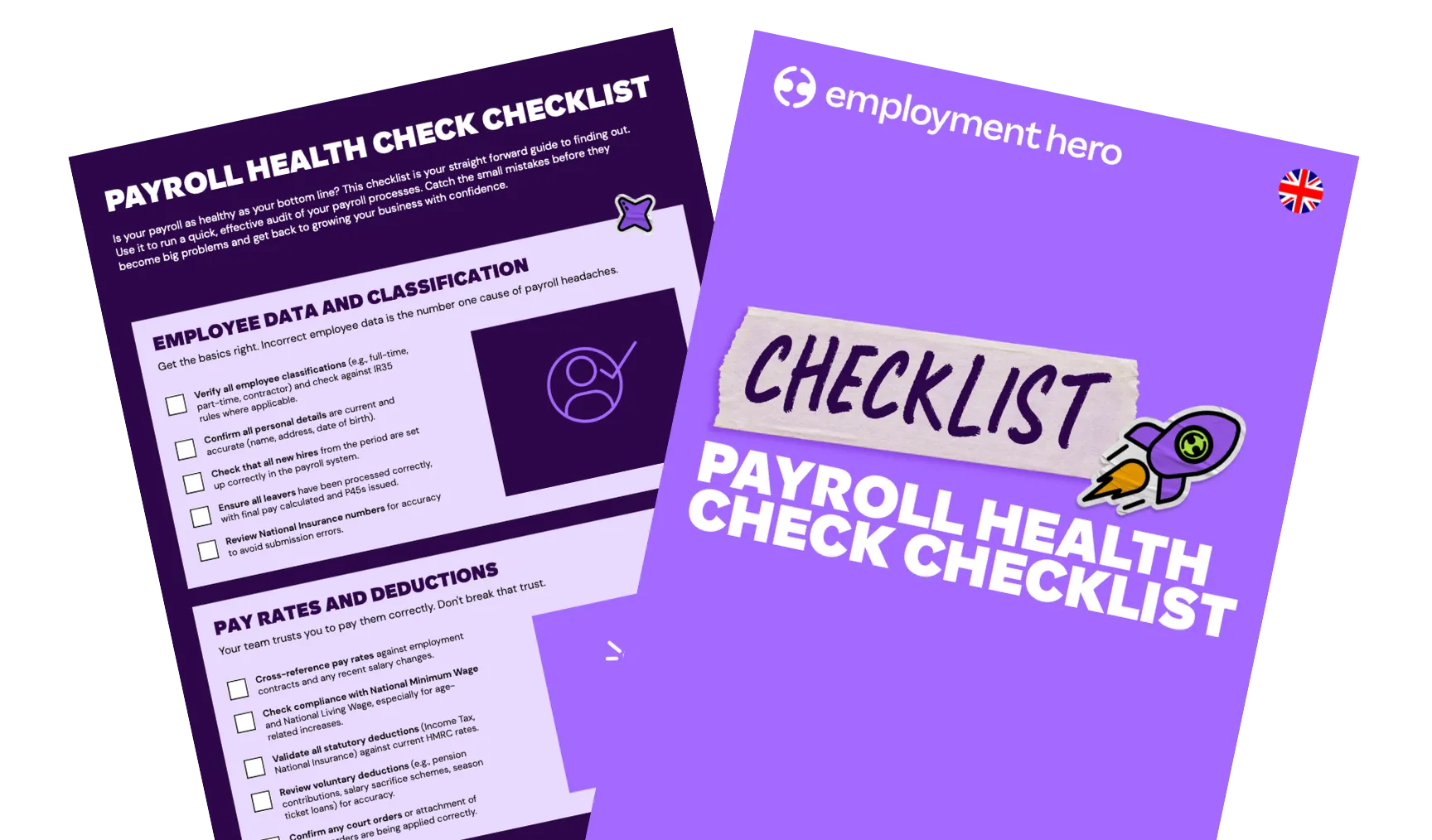 Read more: Payroll Health Check Checklist: Audit, Compliance and Review
Payroll Health Check Checklist: Audit, Compliance and Review
Is your payroll as healthy as your bottom line? Use our payroll audit, compliance, and review checklist to catch errors,…
-
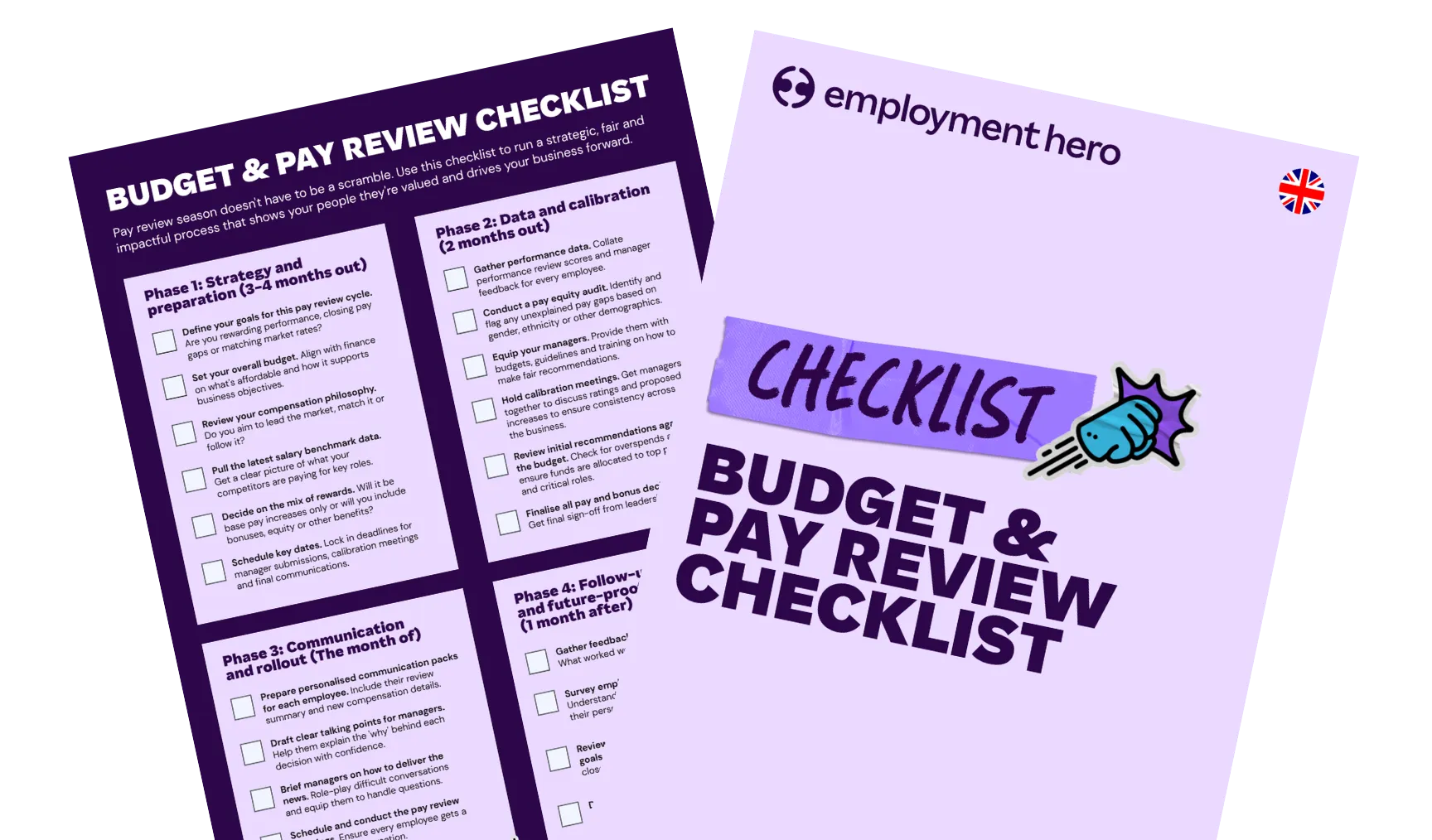 Read more: Budget & Pay Review Season: Shifting the Strategy for 2026
Budget & Pay Review Season: Shifting the Strategy for 2026
Learn how HR leaders can reward performance, boost engagement and show employees they matter.
-
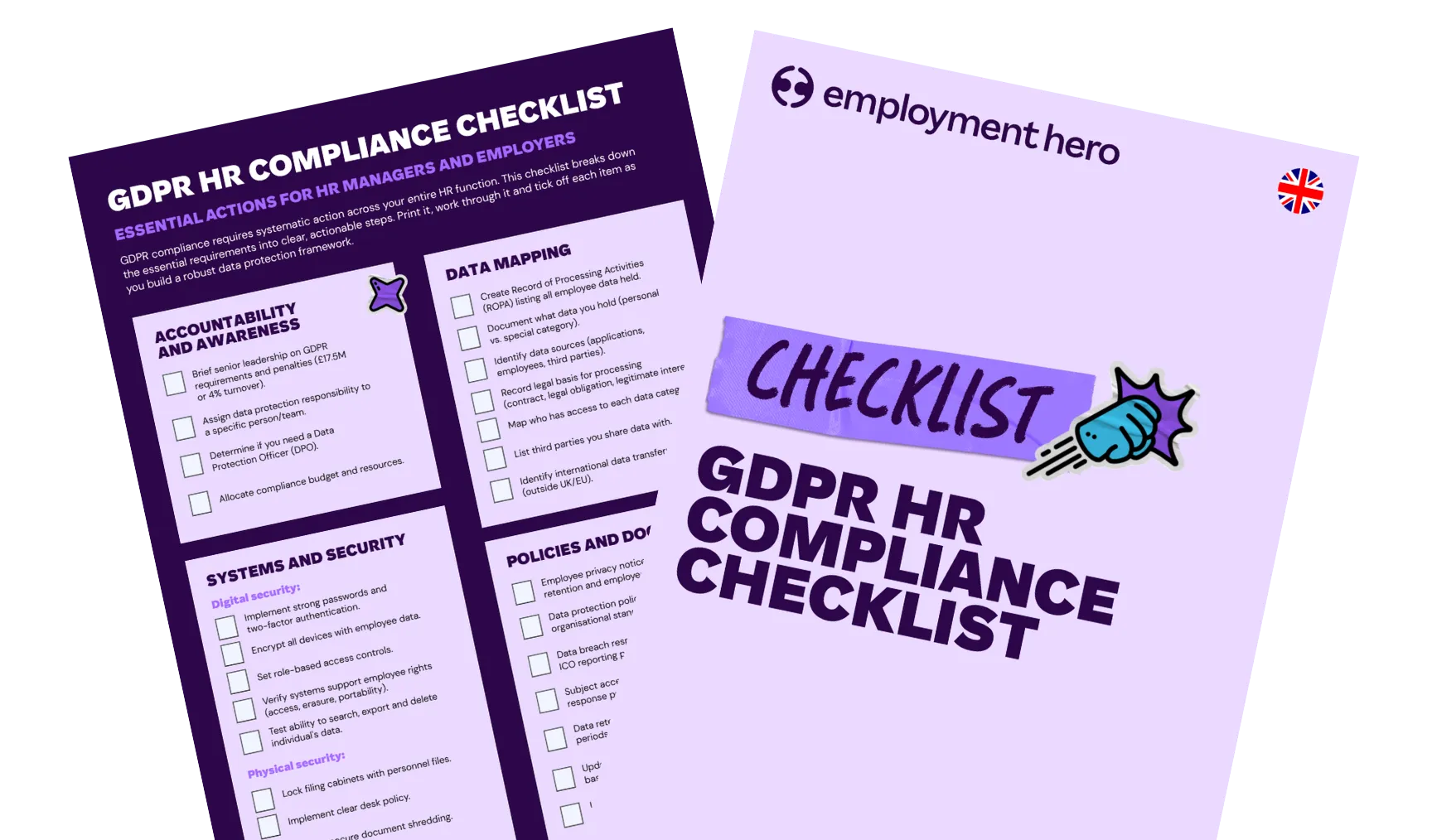 Read more: GDPR Checklist for HR Managers and Employers
GDPR Checklist for HR Managers and Employers
Check if your HR practices are GDPR compliant with our checklist.
