















How to Attract Gen Z Talent in 2026

Contents
In 2026, Gen Z makes up a significant (and growing) proportion of the workforce. No longer just interns and entry-level hires, they are reshaping expectations around flexibility, technology, purpose and workplace culture. So for SMEs, this isn’t a trend to be aware of, it’s a recruitment reality.
Traditional approaches are losing impact. Generic job ads, lengthy application processes and vague employer branding no longer resonate with a generation that researches companies as thoroughly as consumers research products.
Today’s hiring landscape requires a shift in approach. SMEs that embrace this shift won’t just appeal to Gen Z talent, they’ll position themselves to stand out in an increasingly competitive market.
Understanding Gen Z employees in 2026
In order to attract the next wave of talent, business owners and HR professionals first need to understand who they are and what makes them tick. While it’s easy to trick yourself into thinking that not much has changed from Millennials to Gen Z, this is not the case. Lots has changed and Gen Z are a unique generation with their own experiences, values and expectations that are reshaping the world of work.
Who is Gen Z?
Gen Z generally includes anyone born between 1997 and 2012. What’s different about Gen Z is that they’re the first generation of true digital natives. Given they grew up with smartphones and social media as part of daily life, this has shaped them into pragmatic, tech-savvy and highly informed individuals who are ready to challenge the status quo.
What matters to Gen Z in the workplace?
The Gen Z workforce has different expectations from their employers than previous generations. Yes, this means that ping pong tables and free snacks aren’t quite going to cut it anymore. So what are Gen Z really looking for from employers?
- Purpose: They want to work for organisations that have a clear mission and a positive impact on the world. They need to see how their role contributes to a bigger picture. In fact, Gen Z are the most likely age group (at 39% vs 32% of the total working population) to cite passion for the company or industry as a deciding factor when choosing a job*.
- Authenticity: For Gen Z, authenticity starts at recruitment. They value transparency and honesty from their employers and they want processes to feel straightforward. In fact, they are the most likely age cohort to agree that recruitment processes are too difficult, with 41% agreeing, vs. 35% among the total working population*. Clear job descriptions, salary transparency, simple applications and timely communication demonstrate that you respect their time. If you say you value people, your recruitment process should prove it.
- Flexibility and progression: Gen Z expects flexibility as a baseline, but it’s not just about where or when they work. It’s about autonomy, growth and clear opportunities to progress. 48% of Gen Z cite this, vs. 31% among the total working population as a deciding factor when choosing a job*. Roles that offer flexible working alongside varied responsibilities, skill development and a visible career path are far more engaging than rigid nine-to-five structures.
- Inclusivity: A diverse and inclusive workplace isn’t a nice-to-have, it’s a must-have. They expect employers to actively champion diversity, equity and inclusion at every level of the business.
The strategic advantages of attracting Gen Z
For SMEs, getting recruitment right can be a real competitive advantage. Hiring Gen Z talent isn’t just about filling roles, it has other benefits. Employing a younger workforce can often be seen as an investment in the business as well as pushing businesses to improve how they hire, communicate and support their people.
In practice, this means clearer job ads, faster and more transparent hiring processes, stronger use of technology, and a more inclusive, flexible workplace culture. These are all changes that benefit every employee, not just Gen Z.
So rather than trying to “appeal” to Gen Z with surface-level perks, the most effective SMEs use Gen Z recruitment as a prompt to strengthen their employer brand, improve the candidate experience and build a workplace where people genuinely want to stay and grow.
Fresh perspectives that drive innovation
Gen Z brings a unique combination of digital fluency, adaptability and curiosity. Having grown up alongside rapid technological change, they’re comfortable with new tools, platforms and ways of working… all things that make for great employees.
This generation also possesses a willingness to question why things are done and consider if there’s a more efficient way. The benefit of this is that it can spark innovation across teams, from improving internal workflows to identifying new ways to engage customers. When supported by inclusive leadership and clear structure, Gen Z employees can help businesses move faster, work smarter and stay relevant in a constantly evolving landscape.
Tech-savvy but people focused
While Gen Z is highly tech-literate, they’re not interested in technology for its own sake. They expect workplace systems to be intuitive, efficient and human-centred. Clunky recruitment processes, manual admin or outdated tools send a clear signal that a business isn’t keeping up.
Employers that invest in modern, integrated HR technology not only appeal to Gen Z candidates, they also create smoother experiences for hiring managers, HR teams and employees at every stage of the lifecycle.
Aligning your employer brand with Gen Z expectations
Gen Z talent evaluates employers holistically, which means that employer brand is more important than ever. But let’s not forget that your employer brand runs deeper than just your careers page; it spans job ads, interview processes, online presence and how your team talks about working at your company.
Getting employer branding right isn’t always easy. We know that. But for SMEs that want to attract Gen Z, it needs to be:
- Consistent: What you promise during recruitment must reflect the real employee experience.
- Transparent: Clear expectations around pay, flexibility, and progression build trust early.
- Purpose-driven: Clearly communicate what your business stands for and how each role contributes to something meaningful, whether that’s supporting customers, your community or a bigger mission.
For Gen Z it’s all about finding workplaces that feel credible, relevant and people first.
Building a people-first candidate experience
The hiring process is changing and in a digital age, it’s becoming more important than ever to have a people-first candidate experience. For many jobseekers, the recruitment process is a reflection of a company’s culture, so a slow, impersonal or unclear hiring journey can quickly turn off even the most interested candidates.
Not sure how to up your hiring game? Here are some of our top tips.
- Personalisation over process-heavy hiring: While structure is important, candidates don’t want to feel like they’re moving through a faceless system. Tailor communication, reference specific skills or experiences in interviews and make the process feel like a two-way conversation rather than a one-sided assessment.
- Transparency at every stage: Gen Z values clarity. Be upfront about responsibilities, salary ranges, progression opportunities, flexibility and team culture. Clearly outline what each stage of the recruitment process involves and realistic timelines for decisions. Transparency reduces uncertainty and builds trust early on.
- Speed and efficiency, without losing the human touch: Lengthy application forms, duplicated information requests and weeks of silence can deter strong candidates. Leveraging modern recruitment technology can help streamline applications, automate updates and coordinate interviews more efficiently. Remember, automation should enhance, not replace human connection.
- Create feedback loops: Actively ask candidates about their experience and use that insight to improve. Short post-interview surveys or informal check-ins can highlight friction points you may not see internally. Acting on feedback demonstrates that you value input and are committed to continuous improvement.
Key trends shaping Gen Z recruitment
Gen Z is rewriting the playbook of what a good job looks like. And if you want to win them over, you have to adapt your recruitment strategies to play by the new rules.
We get it, pivoting isn’t always easy and it can sometimes feel like a stab in the dark. But when it comes to recruitment for Gen Z, there are several key trends that UK SMEs should keep in mind. And we promise, they aren’t as out there as you might first think.
Technology driven hiring
Gen Z lives online and there is an expectation that hiring processes should be as seamless and intuitive as an app. That means it’s goodbye to clunky application portals and long, drawn out forms. If you want to impress the up and coming workforce, it’s essential to embrace technology that creates a more streamlined user experience.
So what does this mean in the real world? It could be anything from using AI-recruitment software to AI-powered chatbots for instant answers, engaging gamified skills assessments to virtual reality office tours. The possibilities are only as endless as your imagination.
It all sounds pretty futuristic, but it’s not just about appeasing the younger generation. It’s about speeding up processes and showing potential candidates that your business is an innovative and forward-thinking place to work.
Focus on wellbeing
Gone are the days where employee wellbeing was a fluffy term thrown around occasionally. Gen Z places a huge emphasis on mental health support at work. This is not a generation who is just looking for a paycheque, they want an employer who genuinely cares.
So what does meaningful support look like to Gen Z?
- Moments of connection: Simple actions like encouraging proper breaks, shared lunches, walking 1-2-1s or short wellbeing activities can strengthen connection and show you’re invested in your team beyond outputs.
- Mental health days: Normalise the idea of taking time off to recharge without stigma, this helps signal that wellbeing genuinely matters.
- Leadership that models openness: Train leaders to talk openly about stress, burnout and day-to-day wellbeing. When leaders genuinely check in, it creates psychological safety and encourages others to speak up.
- Practical mental health support: Offer access to professional resources such as counselling, workshops on stress management or bite-sized wellbeing sessions that give your team tools they can actually use.
Building a culture where it’s okay to not be okay isn’t a luxury, it’s essential for attracting and retaining Gen Z talent. When wellbeing is woven into everyday practices, it sends a clear message; your people matter, and you’re committed to supporting them.
The rise of benefits
A growing trend shaping Gen Z recruitment revolves around benefits, the idea that candidates actively assess and optimise the full value of an employment package, not just the salary.
For Gen Z, pay still matters, particularly in a climate of rising living costs, but it’s only one piece of the puzzle. The younger generation are looking at the bigger picture at the wider support on offer; wellbeing initiatives, flexibility, learning opportunities and meaningful benefits that improve day-to-day life.
This shift reflects a broader mindset. Gen Z wants to work for employers who genuinely care about their people, not just their output.
So what does that mean for SMEs?
It doesn’t mean adding flashy or expensive perks. It means being clear about the value you already offer and making sure candidates understand it.
- Wellbeing that goes beyond words: Access to mental health support, designated mental health days or simply leaders who talk openly about stress and burnout show that wellbeing is part of your culture, not just a statement on your website.
- Flexibility as a standard: Hybrid working, flexible hours or trust-based management are increasingly seen as baseline expectations. For many SMEs, this is already part of how they operate, it just needs to be clearly communicated.
- Development as a benefit: Clear progression pathways, mentoring and opportunities to build transferable skills can be more attractive than surface-level perks. In smaller businesses, faster responsibility and closer access to leadership can be a real advantage.
- Everyday support: Practical benefits, from enhanced leave policies to financial wellbeing tools, can make a tangible difference without stretching budgets.
For SMEs, this isn’t about adding expensive perks. It’s about clearly communicating the real value you already offer, whether that’s flexible hours, direct access to leadership or faster career progression. As the interest in benefits becomes more common, SMEs who articulate their full offering and back it up with consistent action will stand out.
Diversity, equity and inclusion (DEI)
According to Employment Hero commissioned research, Gen Z are 4x more likely to cite that a lack of diversity in their organisation is a red flag*. So for SMEs looking to attract Gen Z talent, this means DEI can’t just sit on a values page, it needs to be visible in day-to-day practice.
You don’t need a large HR team or complex frameworks to make progress. What matters most is showing that you’re committed to building a fair and inclusive workplace where everyone has the opportunity to succeed.
For UK SMEs, this could include being transparent about your approach to diversity and inclusion, reviewing pay to ensure it’s equitable and creating clear, accessible progression pathways for people from all backgrounds. Simple, consistent actions, backed by honest communication, can go a long way in building trust with Gen Z talent.
Actionable tips for UK SMEs
Understanding Gen Z is one thing, but pulling it all together to create a hiring strategy that attracts them is a whole other story. And one that can feel intimidating and expensive (don’t worry though, it doesn’t have to be).
Here’s how you can turn strategy into action and build a workplace that attracts the next generation of talent.
Invest in technology
Gen Z has zero tolerance for clunky, slow technology. So if your recruitment process involves outdated systems, they have to go. The reality is, Gen Z expects the same seamless digital experience at work that they get in their personal lives.
This starts with recruitment. Ditch the paper-heavy processes and manual spreadsheets. Use modern Applicant Tracking Systems (ATS) that allow for quick, easy communication. After hiring, this is likely to continue and your tech stack matters just as much. From workplace collaboration platforms to self-service HR tools, the technology you use sends a message about how innovative you are. Investing in the right tools doesn’t just improve efficiency; it signals to Gen Z that you value their time and are committed to a modern way of working.
Focus on culture
You can’t fake culture. To attract Gen Z, you need to build a workplace that genuinely feels inclusive, innovative and purpose-driven. This goes beyond writing a diversity statement. It requires tangible action. Review your policies to see if they support a diverse workforce. Do you offer flexible religious holidays? Are your parental leave policies inclusive of all family structures?
Create spaces for innovation where junior employees feel safe sharing ideas. Gen Z wants to know their voice matters. Implement mentorship programs that go both ways—where leadership learns from younger employees too. When you build a workplace culture where people feel they belong and can make a difference, recruitment becomes much easier.
Future-proof your business with Gen Z talent
Attracting Gen Z in 2026 is essential for any UK business wanting to thrive. But this isn’t about jumping on the bandwagon of passing trends, it’s about recognising a shift in what modern talent expects from employers.
The real win for employers here is that it gives them a clear opportunity to evolve with the shifting landscape to continue to attract top talent. The reality is, SMEs that take the time to understand and engage this generation have a clear opportunity to future-proof through modernising their employer brand, refining their recruitment processes and differentiating themselves in a competitive market.
By embracing authenticity, clearly communicating purpose and building a genuinely people-first candidate experience, organisations can create workplaces that feel relevant and credible. These changes don’t just appeal to Gen Z though, they raise the standard for every employee and candidate who interacts with your business.
The businesses who win tomorrow’s talent are the ones willing to evolve today. Ready to upgrade your recruitment processes? Talk to an employment specialist today.
*All data obtained from Employment Hero commissioned research: (1) Worker attitudes survey, conducted with One Poll, UK, February 2025, n=2000 employed adults; (2) Workplace trends survey, conducted with YouGov, UK, August 2025, n=1081 employed adults.
Related Resources
-
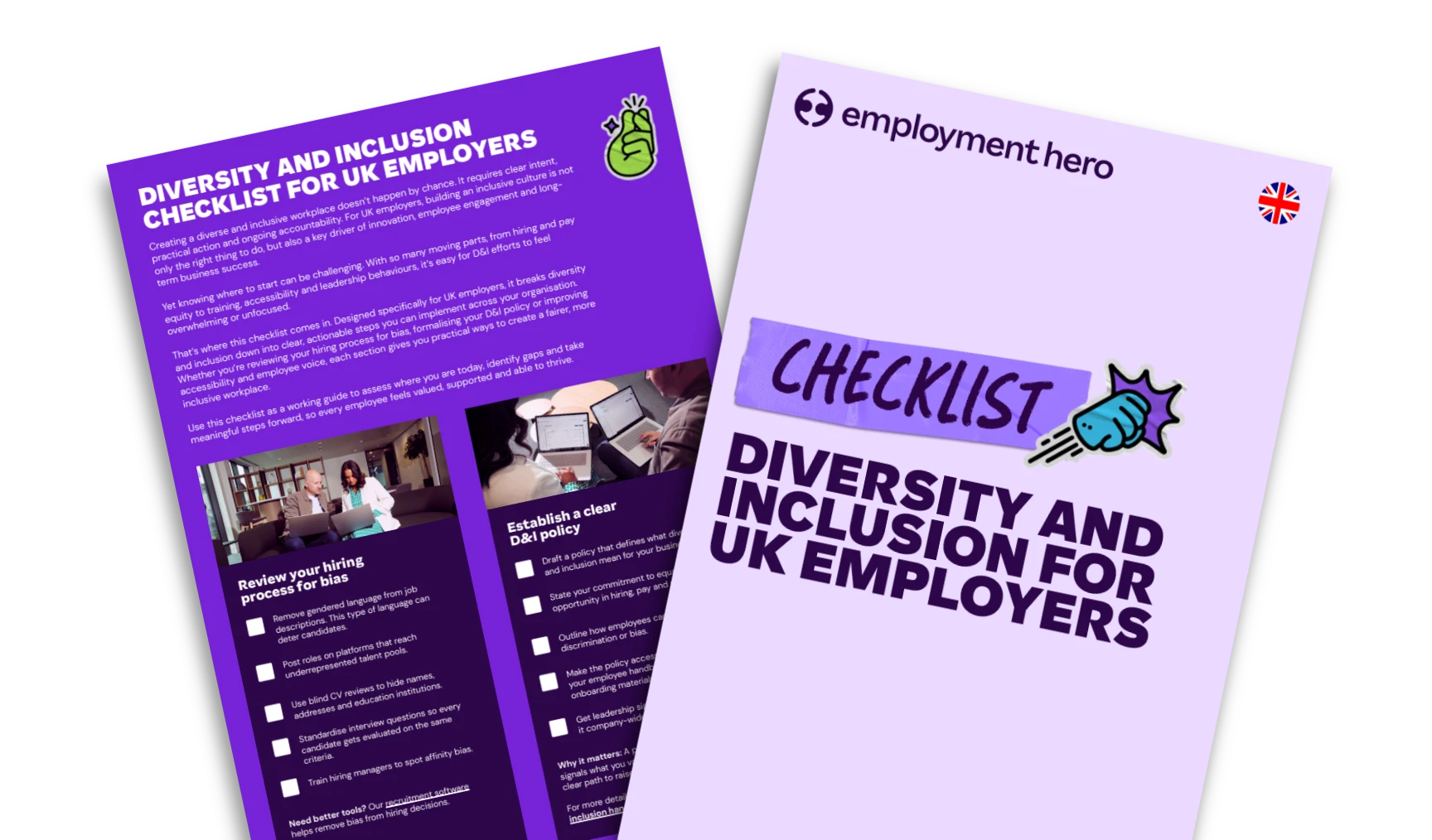 Read more: Diversity and Inclusion Checklist for UK Employers
Diversity and Inclusion Checklist for UK Employers
Create a truly inclusive environment with our diversity and inclusion checklist.
-
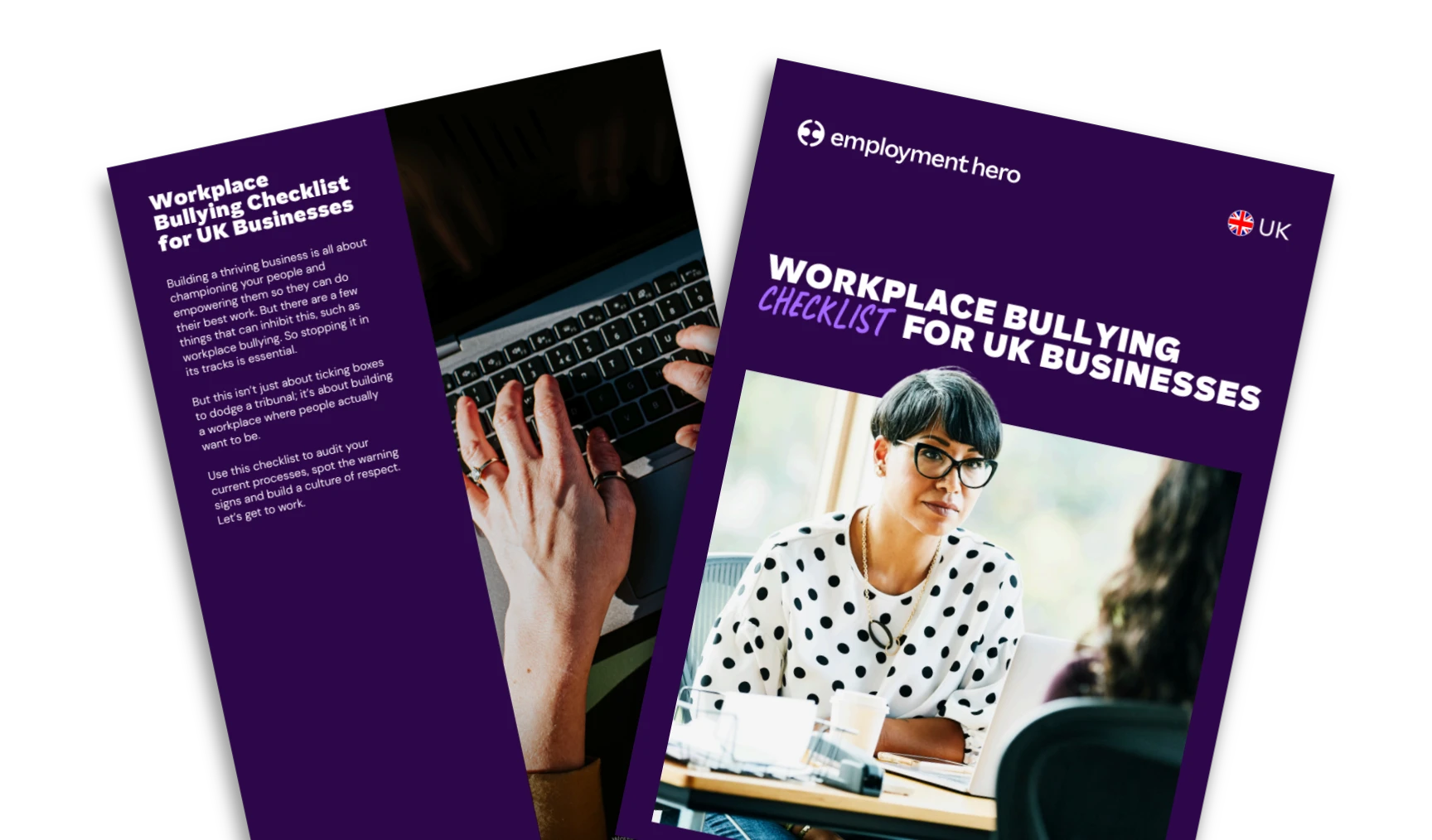 Read more: Workplace Bullying Checklist for UK Businesses
Workplace Bullying Checklist for UK Businesses
Are your employees protected from workplace bullying? Review your processes and learn how to handle arising issues with this checklist.
-
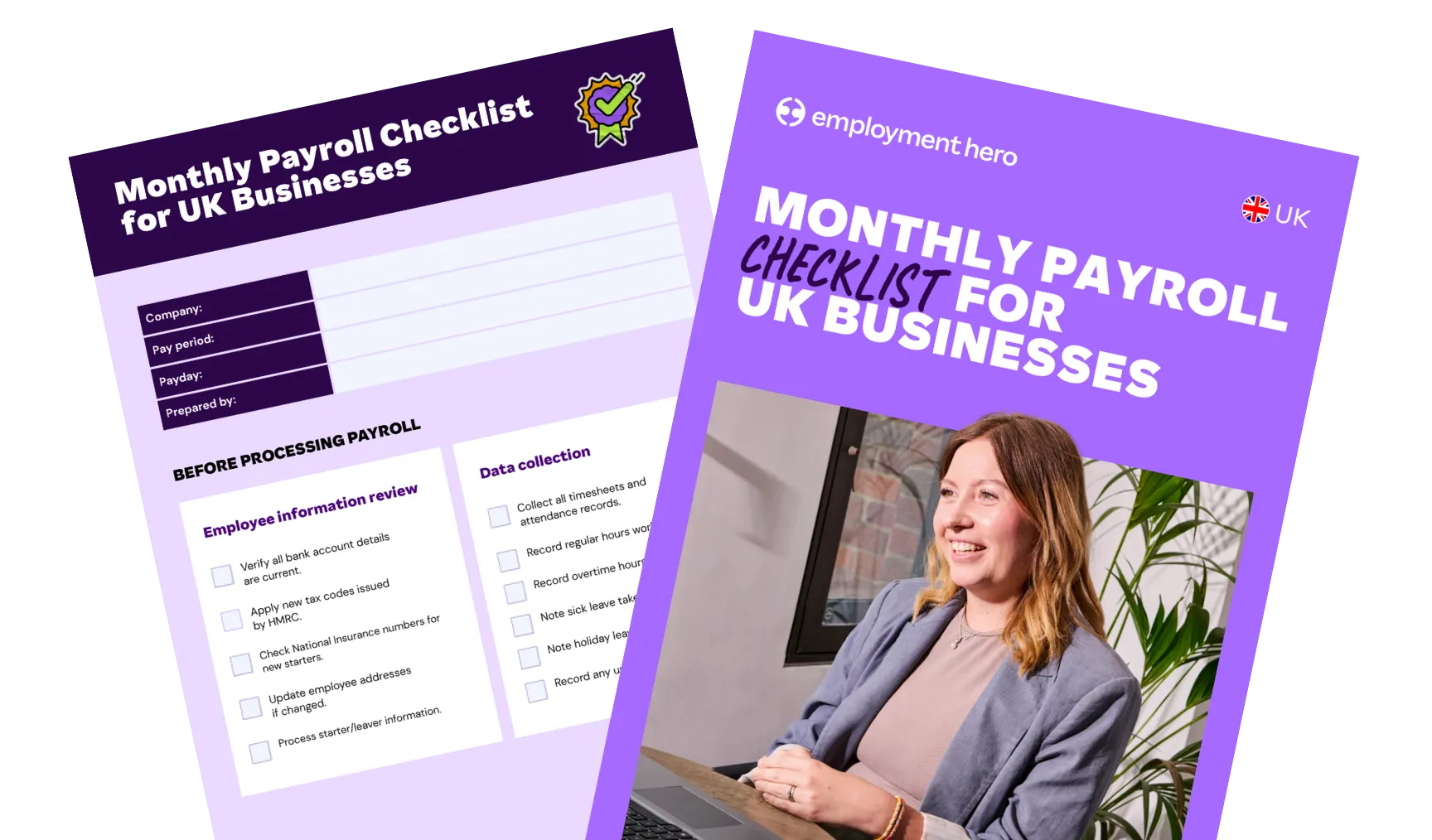 Read more: Monthly Payroll Checklist for UK Businesses
Monthly Payroll Checklist for UK Businesses
Manage your payroll processing with our monthly checklist. Streamline your tasks and improve efficiency.

