


















Advantages and Disadvantages of Internal Recruitment

Contents
When you’ve got a vacancy, the pressure is on. You need the right person and you need them yesterday. The big question is, where do you find them? Do you look to the talent you’ve already nurtured within your own walls or do you cast your net wider? This is the central puzzle of internal vs. external recruitment and getting it right can be a game-changer for your business.
Promoting from within can feel like the perfect solution—it’s faster, cheaper and a huge morale booster. But it’s not always the best move. Sometimes, you need a fresh perspective to shake things up and drive real growth.
This guide cuts through the noise. We’ll give you a straight-talking look at the advantages and disadvantages of internal recruitment, helping you make a strategic choice that aligns with your business goals, not just a quick fix to fill a seat.
What is internal recruitment?
Internal recruitment is the practice of filling an open position with an existing employee from your own company. Instead of looking outwards, you look inwards. It’s about promoting, transferring or developing the talent you already have.
This approach is more than just filling a gap; it’s a core part of building a strong company culture and a clear path for career progression. We explore a range of powerful internal recruitment strategies in another guide, but the core idea is simple: you’re betting on your own people.
Understanding the pros and cons is the first step toward building a recruitment process that truly serves your business.
The key advantages of internal recruitment

Leaning on your internal talent pool can deliver some serious wins. It’s a strategy that rewards loyalty, builds culture and can have a direct, positive impact on your bottom line. Let’s break down the major benefits.
Reduced recruitment costs and faster hiring
Let’s talk numbers. External hiring is expensive. When you add up the costs of advertising on job boards, potential agency fees (which can be a hefty percentage of the first year’s salary) and the man-hours spent screening and interviewing, the bill gets big, fast. Internal recruitment slashes these costs. Your candidate pool is smaller, you already know the contenders and the entire process is streamlined.
This speed is a massive competitive advantage. A shorter time-to-hire means less productivity lost from an empty seat. You can move a known high-performer into a role and have them adding value almost immediately, bypassing the lengthy search and screening process.
Improved employee morale and engagement
When your team sees a clear path for growth within the company, it’s a powerful motivator. Promoting from within sends a crystal-clear message: we invest in our people and your hard work will be rewarded. This isn’t just a nice-to-have; it’s a strategic tool for retention.
Employees who see opportunities for advancement are more engaged, more productive and more likely to stick around for the long haul. It transforms a job into a career. This creates a positive feedback loop—your best people stay, develop and become the future leaders of your business, which in turn attracts more ambitious talent.
Stronger cultural alignment and organisational fit
Every company has its own unique way of doing things—its own rhythm, communication style and unwritten rules. An external hire, no matter how skilled, has to learn all of this from scratch. This can be a bumpy process and a culture mismatch is one of the top reasons new hires don’t work out.
An internal candidate already gets it. They live and breathe your company culture every day. They know the people, the processes and the mission. This means they can integrate into their new role seamlessly, with a much shorter onboarding period and a far lower risk of clashing with the team. They can hit the ground running because they already know the track.
Better retention and succession planning
Internal recruitment is the engine of succession planning. By identifying and developing high-potential employees, you’re not just filling today’s vacancy; you’re building your leadership pipeline for tomorrow. It shows you’re thinking about your team’s future, not just your immediate needs.
This long-term approach fosters incredible loyalty. When employees feel that you are invested in their career development, they are far more likely to commit to your company. This reduces costly employee turnover and ensures that critical business knowledge stays within your organisation. Using talent management tools can help you track performance and identify the next generation of leaders, making this process even more effective.
The disadvantages of internal recruitment
While hiring from within has clear upsides, it’s not a silver bullet. Relying exclusively on internal talent can lead to stagnation, create friction within your teams and leave you with critical skill gaps. Acknowledging these drawbacks is key to making a balanced decision.
Limited talent pool and innovation
Your biggest asset can also be your biggest limitation. When you only recruit internally, you are fishing from a much smaller pond. You might have great people, but do you have the best person for the role available right now? The perfect candidate might be out there and by only looking inwards, you’ll never find them.
This can lead to “groupthink”—a dangerous state where everyone thinks alike and new ideas dry up. An external hire can bring a fresh perspective, challenge the status quo and introduce new skills and processes that your current team hasn’t been exposed to. Without that external influence, you risk becoming stale.
Potential internal resentment or competition
When one person gets the promotion, what happens to the colleagues who also applied and didn’t get it? Managing this process delicately is crucial. If it’s not handled with transparency and clear communication, it can breed resentment and damage team dynamics.
Unsuccessful candidates may feel overlooked or undervalued, which can lead to disengagement or even cause them to look for opportunities elsewhere. You might solve one vacancy only to create another. It’s vital to have a fair, well-defined process and to provide constructive feedback to those who weren’t selected. This is a core part of practicing ethical recruitment.
Skills and diversity gaps
If your team already lacks certain skills or diversity, only hiring internally will just reinforce the problem. You can’t introduce new skills into the team if you’re only promoting from the existing skill set. If you need expertise in a new technology or market, you’ll almost certainly need to look outside.
Furthermore, a lack of diversity in thought, background and experience can limit your company’s creativity and problem-solving ability. External recruitment is one of the most effective ways to bring in people from different walks of life, enriching your culture and making your business more resilient and innovative.
Vacancy chain effect
This is a simple but often overlooked problem. When you promote someone into a new role, you’ve successfully filled one vacancy. But you’ve also created another one—the role they just left. You’ve simply shifted the problem down the ladder.
This can create a domino effect of internal moves, leaving you with a more junior, entry-level position to fill externally anyway. While this can be a great way to create multiple promotion opportunities, you need to be prepared to manage this chain reaction and have a plan for backfilling the final role in the sequence.
How to maximise the benefits of internal recruitment

The key to successful internal hiring is to be intentional. It’s not about just giving the job to the person who’s been there the longest; it’s about building a structured, fair and transparent system that genuinely identifies and promotes the best internal candidates.
Set clear promotion criteria and transparent processes
Ambiguity is the enemy of fairness. To avoid claims of favouritism and ensure you’re complying with UK employment law, you must have a formal process. Define the skills, competencies and qualifications required for the role and communicate them clearly.
Treat internal candidates with the same respect you would an external one. Conduct proper interviews, have them complete assessments if necessary and ensure the decision is based on merit, not office politics. A clear process builds trust, even for those who don’t get the role.
Communicate effectively to avoid resentment
Communication is everything. Before you even advertise the role, be clear about the process. Once a decision is made, communicate it sensitively. Take the time to speak personally with any unsuccessful internal candidates.
Provide honest, constructive feedback on why they weren’t selected and, crucially, what they can do to develop themselves for future opportunities. This turns a moment of disappointment into a constructive conversation about their career path. It shows you still value them and are invested in their growth, which can prevent them from becoming disengaged.
Use HR software to support internal mobility
Managing internal talent shouldn’t be a guessing game based on who you spoke to in the kitchen last week. Modern hiring software can give you a complete view of the skills, performance and career aspirations of everyone in your organisation.
With performance management and career development tools, you can identify high-potential employees, track their progress and build a living succession plan. This allows you to spot talent proactively, not just reactively when a vacancy appears. It helps you make data-driven decisions about who is ready for the next step.
Building a balanced recruitment strategy
There is no one-size-fits-all answer in the internal vs. external recruitment debate. The smartest businesses don’t choose one over the other; they build a flexible strategy that uses both. The goal is to create a powerful, resilient talent pipeline that both develops your existing team and attracts the best external candidates.
Think of it as a portfolio approach. Sometimes you need the stability and cultural fit of an internal hire. Other times you need the innovation and fresh skills of an external one. A complete recruitment process guide will always incorporate both. By understanding the advantages and disadvantages of internal recruitment, you can make an informed, strategic choice for each role, every time.
Your recruitment marketing strategies should speak to both audiences, celebrating internal career progression while showcasing your company as an exciting destination for outside talent.
Ready to take control of your entire hiring process? Explore how Employment Hero’s all-in-one platform can help you find candidates, manage your talent and build the high-performance team your business deserves.
Related Resources
-
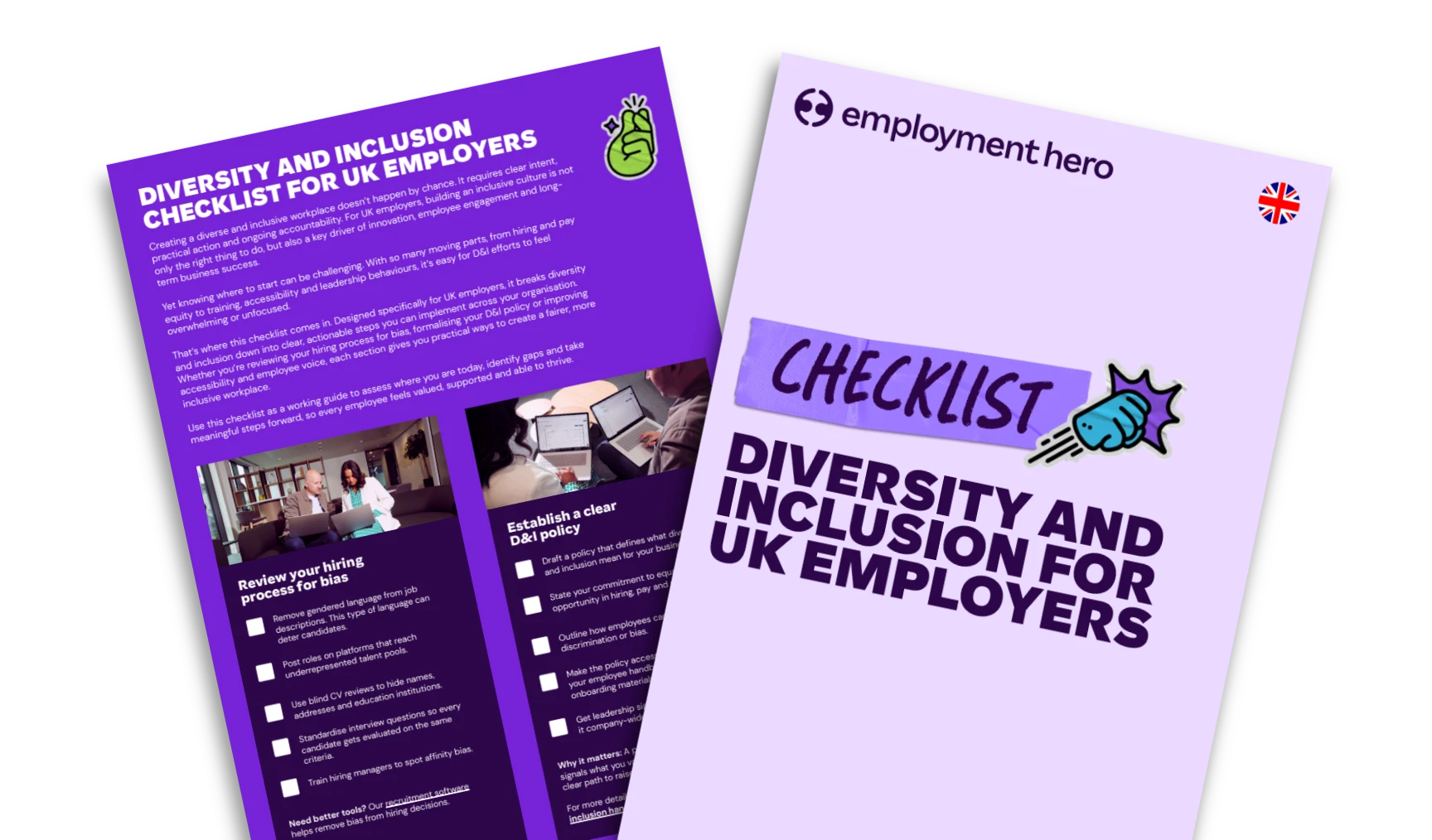 Read more: Diversity and Inclusion Checklist for UK Employers
Diversity and Inclusion Checklist for UK Employers
Create a truly inclusive environment with our diversity and inclusion checklist.
-
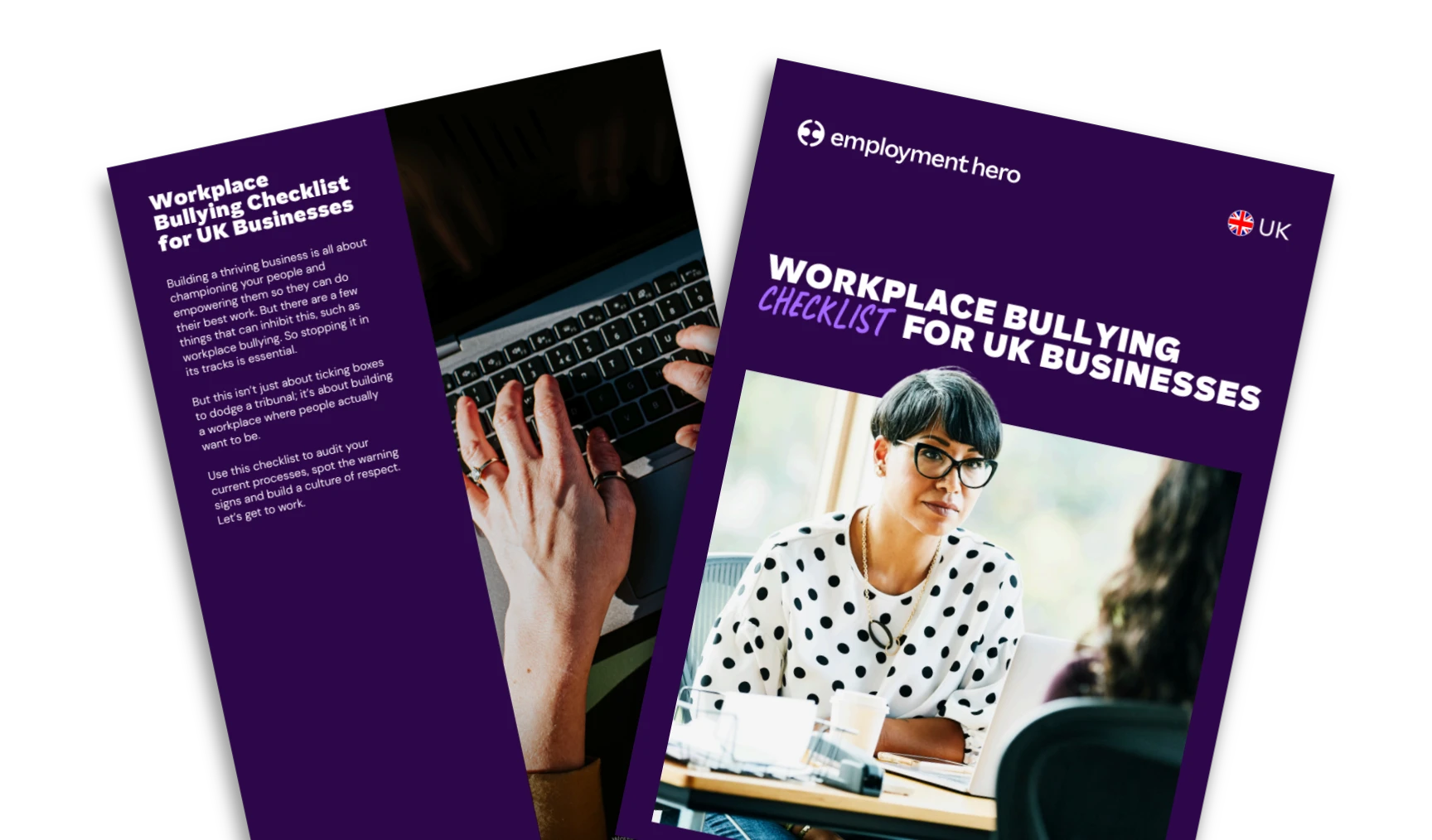 Read more: Workplace Bullying Checklist for UK Businesses
Workplace Bullying Checklist for UK Businesses
Are your employees protected from workplace bullying? Review your processes and learn how to handle arising issues with this checklist.
-
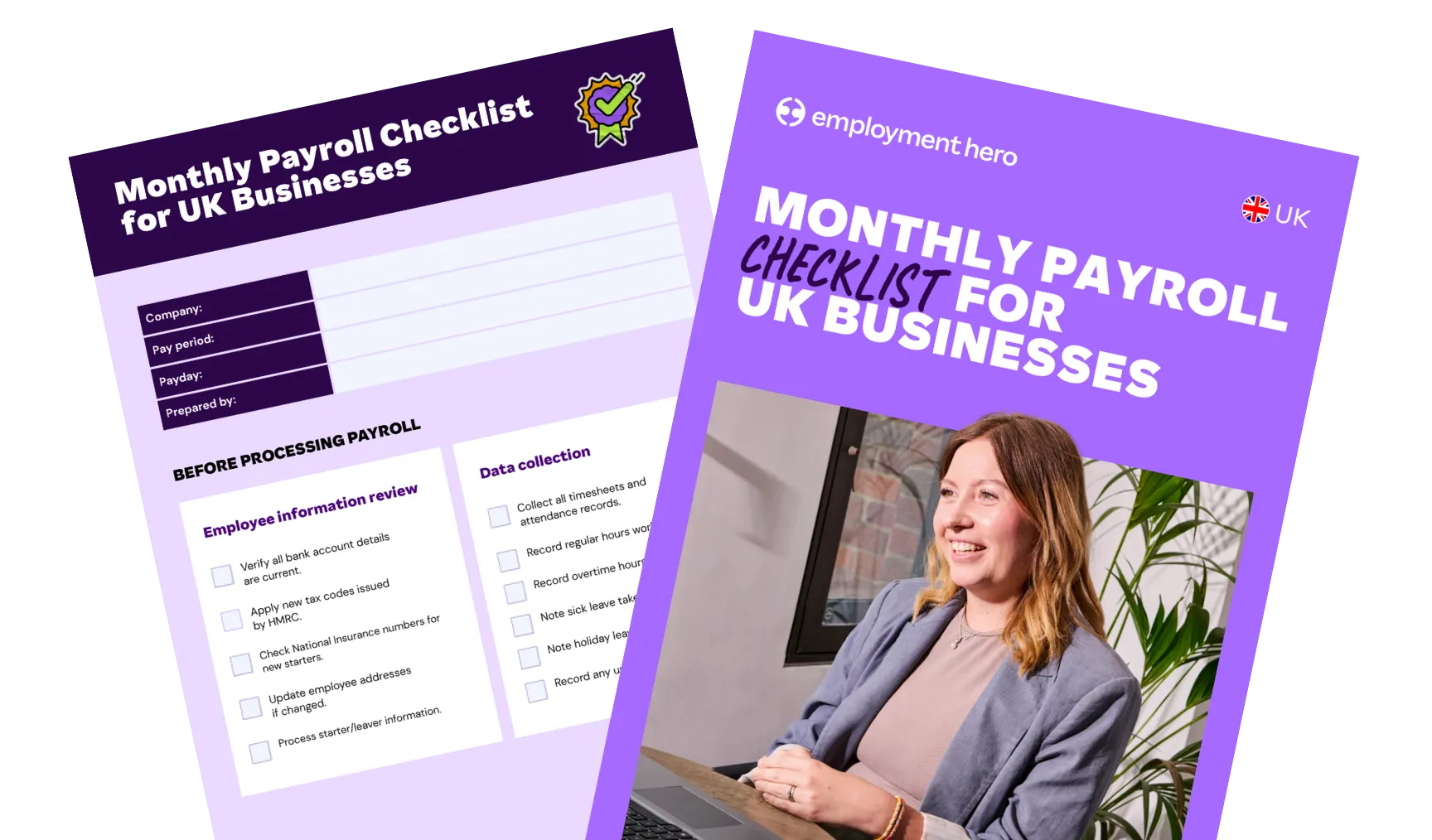 Read more: Monthly Payroll Checklist for UK Businesses
Monthly Payroll Checklist for UK Businesses
Manage your payroll processing with our monthly checklist. Streamline your tasks and improve efficiency.

