 Australia
  United Kingdom
  Singapore
  Malaysia
  Canada (Français)
 New Zealand




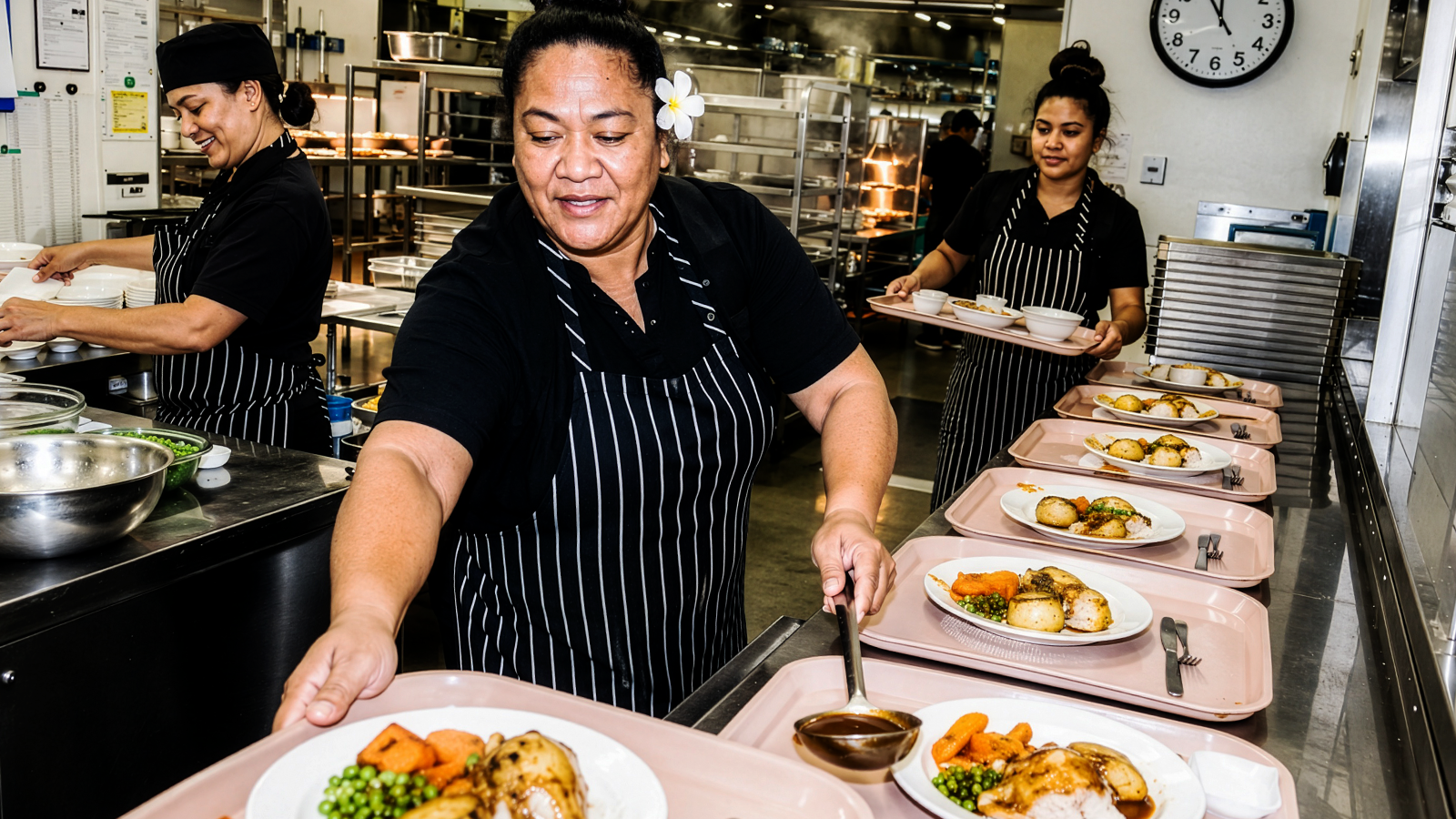
New Zealand businesses are acting as shock absorbers for near-record fuel hikes as new data reveals food prices have remained flat despite skyrocketing transport costs.
Stats NZ figures confirm petrol has risen 12.6 per cent and diesel 36.6 per cent in April, meaning fuel costs for some small and medium businesses have almost doubled in a short space of time. “In the two months since February, petrol has increased 33.6 per cent and diesel has increased 94.9 per cent,” says Stats NZ prices and deflators spokesperson Nicola Growden.
Yet, the statistics body has also found food prices were flat at 0.0 per cent over the same period, suggesting businesses across supply chains are absorbing sharply higher transport and energy costs rather than pushing them through to customers.
This, however, is set to become harder for SMEs to sustain, as Westpac forecasts inflation will climb into the mid-4 per cent range this year, compounding the squeeze on input costs, customer demand and financing.
Fuel and Energy Costs Have Kept Climbing
Year-on-year fuel price increases are also significant: 30.1 per cent for diesel and 91.3 per cent. This falls shy of the record spikes set after the Ukraine war began in 2022, of 37.7 per cent and 95 per cent respectively.
The trigger has been the ongoing conflict in the Middle East, which has damaged critical infrastructure and strained global refinery capacity. Westpac Chief Economist Kelly Eckhold predicts prices are likely to remain high even if tensions ease because of the time required to restore supply.
Other energy costs are compounding the pressure on small and medium businesses. Stats NZ reveals electricity bills have risen 2.4 per cent in April, continuing an upward trend. “Electricity prices have been increasing every month from December 2024,” Growden says. Year-on-year, electricity is up 13.1 per cent and gas is up 10.8 per cent, further straining budgets for businesses that move goods, run refrigeration, heat buildings or operate vehicles.
Flat Food Prices Mask Deeper Issues
The 0.0 per cent monthly food price figure masks sector-specific fluctuations.
Annual food prices are still 2.6 per cent higher than at the same time last year, with meat, poultry and fish up 7.8 per cent. The largest contributors to the annual rise were porterhouse steak, beef mince, takeaway coffee and white bread.
Of 147 food items Stats NZ has tracked over the past decade, only 7 are cheaper today than 10 years ago. Avocados are down 22 per cent, but eggs have risen 151 per cent, butter 143 per cent and bread 90 per cent over that period – figures that will not surprise cafe owners.
Commentators say the current flatness is due to seasonal falls in fruit and vegetables rather than to genuine easing. But it also suggests SMEs in food and transport, which are vulnerable to rising fuel prices, have not yet tried to recoup higher costs from customers.
While many businesses may be absorbing increases, this is unlikely to continue for much longer. Westpac analysis says it typically takes 3 to 6 months for input cost changes to filter through to retail prices. “While the April food price figures were a little on the soft side of expectations, we’re likely to see more pronounced upward pressure on food prices over the coming months,” says senior economist Satish Ranchhod.
Customer Spending Power Is Shrinking Too
The customers who sustain small businesses are also feeling the pinch. Westpac forecasts unemployment rising to around 5.6 per cent, a further increase in inflation and for wage growth to remain muted – all factors which affect discretionary spending power.
Eckhold notes there are “few signs of a discontinuous labour market reaction,” meaning no wild swings in employment trends. Employment Hero Jobs Report data confirms casual hiring remains strong, up 20.2 per cent year-on-year in April, in a sign SMEs are still recruiting but are holding off making permanent hires.
Businesses will watch with interest the Reserve Bank’s next Official Cash Rate announcement on May 27. Eckhold says the current 2.25 per cent rate is too low considering the current inflationary pressures, and expects the Bank will begin lifting rates towards 3 per cent. For SME owners with business loans or commercial property debt, rising rates would add another layer to already stretched cash flow.
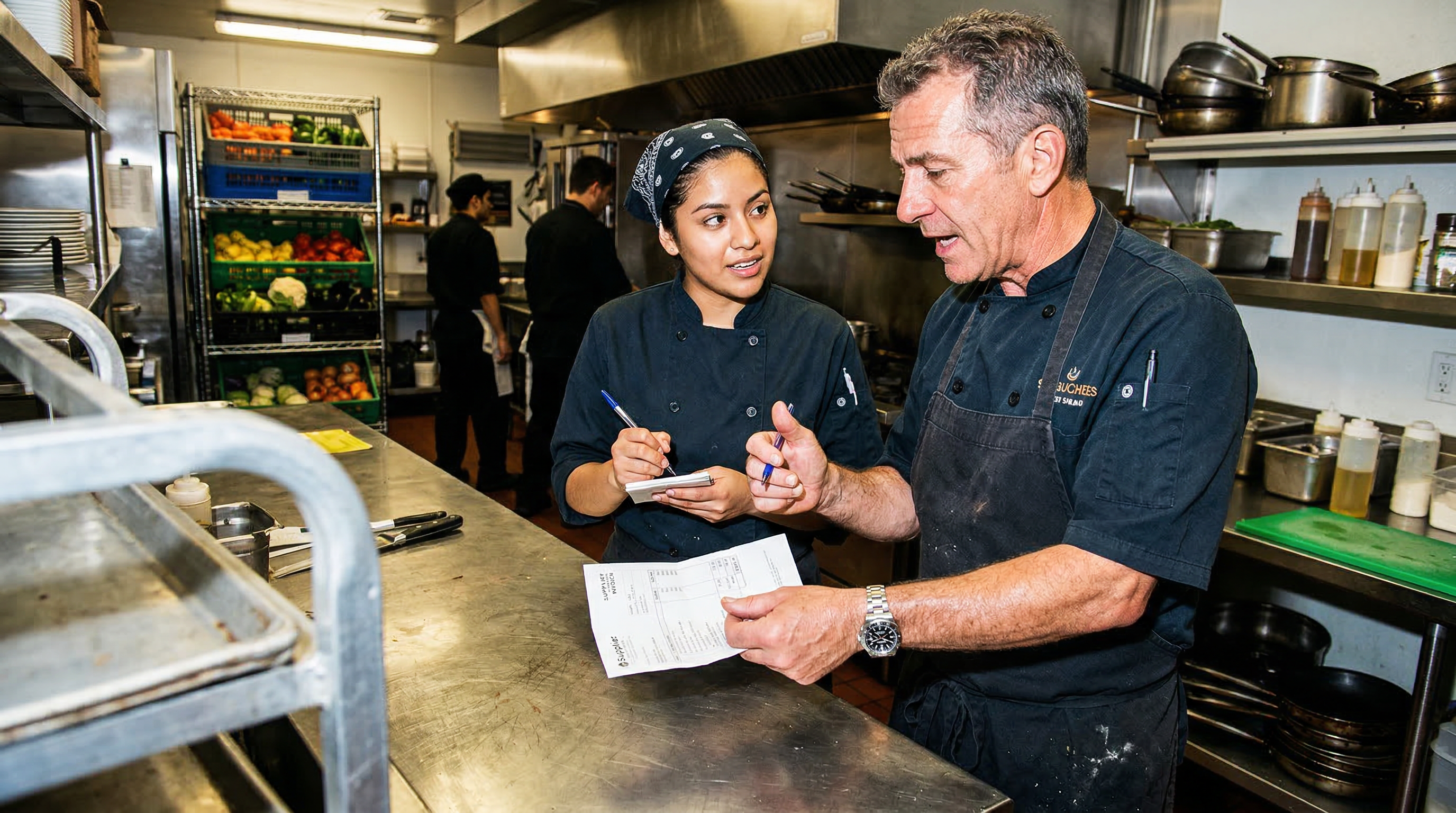
Business leaders can take practical steps in advance. Reviewing pricing strategies before costs catch up, auditing supply chains for fuel-exposed costs and building a cash flow buffer for the second half of 2026 may provide room to manoeuvre.