












What is SaaS HR? A comprehensive guide
Published
What is SaaS HR? A comprehensive guide
Published
Remember back in the 90’s, when software came in a box? You’d buy it, install it and then… it would sit there, slowly becoming obsolete. For years, this was the reality for HR management. Clunky, server-based systems that were expensive to maintain and a nightmare to update.
Thankfully, that world is firmly behind us. Today, there’s a much smarter, more agile way to manage your people: SaaS HR. It’s a game-changer for UK businesses, especially for ambitious employers like you who are focused on growth, not paperwork.
But what is SaaS HR, really? It stands for “Software as a Service” and it’s about to become your new best friend. Forget expensive installations and never-ending updates. This is HR that lives in the cloud, ready whenever and wherever you are. Let’s dive in.
What is in this guide?
This guide will cut through the jargon and show you exactly what SaaS HR means for your business. We’ll explain:
- How it works
- Why it’s so critical for modern people management.
- What you need to look for when choosing the right software.
By the end, you’ll see how this technology can free you from the admin trap and empower you to lead your team with confidence.
What is SaaS?
Software as a Service (SaaS) is a way of delivering software over the internet. Instead of buying a licence and installing it on your own computers, you pay a subscription fee, usually monthly or annually, to access the software via a web browser or mobile app. The provider hosts and maintains the software, handles all the updates and manages the security.
Think of it like Netflix. You don’t own the movies, you just pay a monthly fee to access a huge library of content that’s constantly updated. SaaS is the same principle applied to business tools.
For UK businesses, this model is particularly powerful. It supports flexible and remote work and with the provider managing the infrastructure, it helps you stay on top of complex regulations like GDPR.
What are the different types of SaaS HR software?
The term “SaaS HR” covers a range of platforms, each with a slightly different focus. You’ll often hear these acronyms thrown around, so let’s demystify them.
Human Resource Management System (HRMS)
An HRMS is often the most comprehensive type of platform. It’s designed to be an all-in-one solution that covers the core functions of HR, payroll and benefits administration. Think of it as the central nervous system for your people operations, connecting everything in one place.
Human Capital Management (HCM)
HCM platforms include all the core functions of an HRMS but add a more strategic layer. They focus on talent management, incorporating tools for performance reviews, goal setting and succession planning. HCM is about managing your people and helping them grow.
Human Resource Information System (HRIS)
An HRIS is primarily focused on managing employee data. It’s the digital filing cabinet for all your people information, from contact details and contracts to performance data. While many modern platforms have moved beyond being just an information system, a strong HRIS is the foundation of any good SaaS HR tool.
Why use a SaaS HR system?

Switching from spreadsheets or outdated software to a cloud-based system isn’t just an upgrade; it’s a total transformation of your people management. It moves you from reactive admin to proactive strategy.
A SaaS HR system streamlines your processes, reduces manual data entry and makes information accessible to your team wherever they are. It helps you manage compliance by centralising records and automating updates, giving you a clear, single source of truth for all your HR data. For any business that’s serious about taking HR digital, it’s a non-negotiable.
What are the benefits of a cloud-based HR system?
For UK SMEs, the advantages of a cloud-based system are huge. It levels the playing field, giving you access to the kind of powerful tools that were once only available to large corporations.
Key benefits include:
- Cost-effectiveness: You avoid the huge upfront cost of buying software licences and server hardware. The predictable subscription model makes it easier to budget.
- Scalability: The system grows with you. Adding new employees is as simple as updating your subscription. You’re not locked into a system you’ll outgrow in a year.
- Security: Reputable providers invest heavily in SaaS data security, often more than a single SME could afford. Your data is backed up and protected by experts.
- Ease of use: Modern SaaS platforms are designed with the user in mind. They are intuitive, accessible from any device and don’t require a team of IT experts to run.
How does SaaS differ from traditional software licences?
The old way of doing things involved buying a perpetual software licence, installing it on your own server and being responsible for all the maintenance, updates and security.
SaaS flips this model on its head.
- Access: SaaS is accessed via the internet; traditional software is installed locally.
- Cost: SaaS is a subscription fee; traditional software requires a large upfront investment.
- Updates: SaaS providers roll out updates automatically; with traditional software, you have to manage and install them yourself (often at an extra cost).
- Maintenance: The SaaS provider handles all maintenance; with traditional software, that’s your problem.
What should a business look for in a SaaS HR system?
Not all platforms are created equal. When you’re choosing the right HR software, you need to look beyond the flashy features and focus on what will really make a difference to your business.
Look for:
- All-in-one functionality: A system that integrates HR, payroll and benefits will save you the headache of managing multiple tools.
- Compliance support: Does it help you manage UK-specific requirements like right-to-work checks and GDPR?
- Great User experience: Is it easy for your employees and managers to use? If it’s not intuitive, people won’t use it.
- Strong support: What happens when you have a question? Look for a provider with a responsive, UK-based support team.
- Scalability: Will the platform support you as you grow from 50 employees to 150 and beyond?
Why do small businesses and enterprises need HR tools?

Whether you have 20 employees or 200, effective people management is the key to success. HR tools aren’t just for big corporations; they solve universal challenges that every employer faces. Automation helps businesses of all sizes save time, reduce errors and focus on growth.
Cost-efficiency
Manual HR is expensive. Think of the hours your team spends on admin. A SaaS HR platform automates these tasks for a fraction of the cost of hiring more admin staff.
Data centralisation
Spreadsheets, paper files, random documents saved on different drives… it’s a recipe for chaos. A SaaS HR system centralises everything, giving you one secure place for all your employee data. An HR audit checklist can quickly show you how scattered your data really is.
Automation of tasks
From onboarding new starters to calculating holiday pay, SaaS HR automates the repetitive tasks that drain your team’s time and energy.
Streamlined recruitment and onboarding
The platform can help you post job ads, track applicants, send offer letters and manage onboarding checklists, creating a seamless experience for new hires from day one.
Precision in performance management
With tools for setting goals, tracking performance and managing reviews, you can build a more engaged and high-performing team. Our HR goal-setter bundle can help you get started.
Simplified benefits administration
Managing pensions, health insurance and other benefits is complex. A good SaaS HR platform can simplify enrolment and administration.
Choosing the right HR software: Key considerations

Before you commit, do your homework. Consider these factors:
- Vendor reputation: What are other businesses saying about them? Check reviews and ask for case studies.
- Integration capabilities: Can the platform integrate with your existing accounting software or other tools?
- Customer support: Is support included in your subscription? What are their response times?
- Roadmap: Is the vendor still innovating? Look for a company that is constantly improving its product.
Implementing SaaS HR: Key aspects to keep in mind
Making the switch requires a plan.
- Data migration: You’ll need to move your existing employee data into the new system. A good provider will help you with this.
- Change Management: Communicate the change to your team. Explain why you’re making the switch and highlight the benefits for them.
- Employee onboarding: Run training sessions to get everyone comfortable with the new system. Appoint champions in each team to help drive adoption.
Is a cloud-based HR solution suitable for small and medium-sized businesses?
Absolutely. In fact, SMEs often have the most to gain. Cloud-based solutions offer affordable access to powerful tools that drive efficiency and support growth, without the need for a dedicated IT department. It’s the smart, scalable way for ambitious businesses to manage their people.
Can SaaS HR integrate with existing HR systems?
Yes. Most modern SaaS platforms are built with integration in mind. Through APIs (Application Programming Interfaces), they can connect with other business tools, like your accounting software, to create a seamless flow of data. This eliminates the need to enter the same information in multiple systems.
The future of SaaS HR
The world of SaaS HR is constantly evolving. The future will see even greater use of AI and machine learning to provide predictive insights—for example, identifying employees at risk of leaving. Employee self-service will become even more sophisticated, empowering your team to manage more aspects of their working lives. The focus will continue to shift from basic HR management to creating an exceptional employee experience.
Download the SaaS guide
SaaS HR is more than just software—it’s a new way of working. It’s about leveraging technology to build a more efficient, compliant and people-focused business. It handles the admin so you can focus on what you do best: leading your team and growing your business.
Ready to see how a modern HR platform can transform your operations?
Download our guide or book a demo with one of our specialists today.
To download the guide, we just need a few quick details.
Related Resources
-
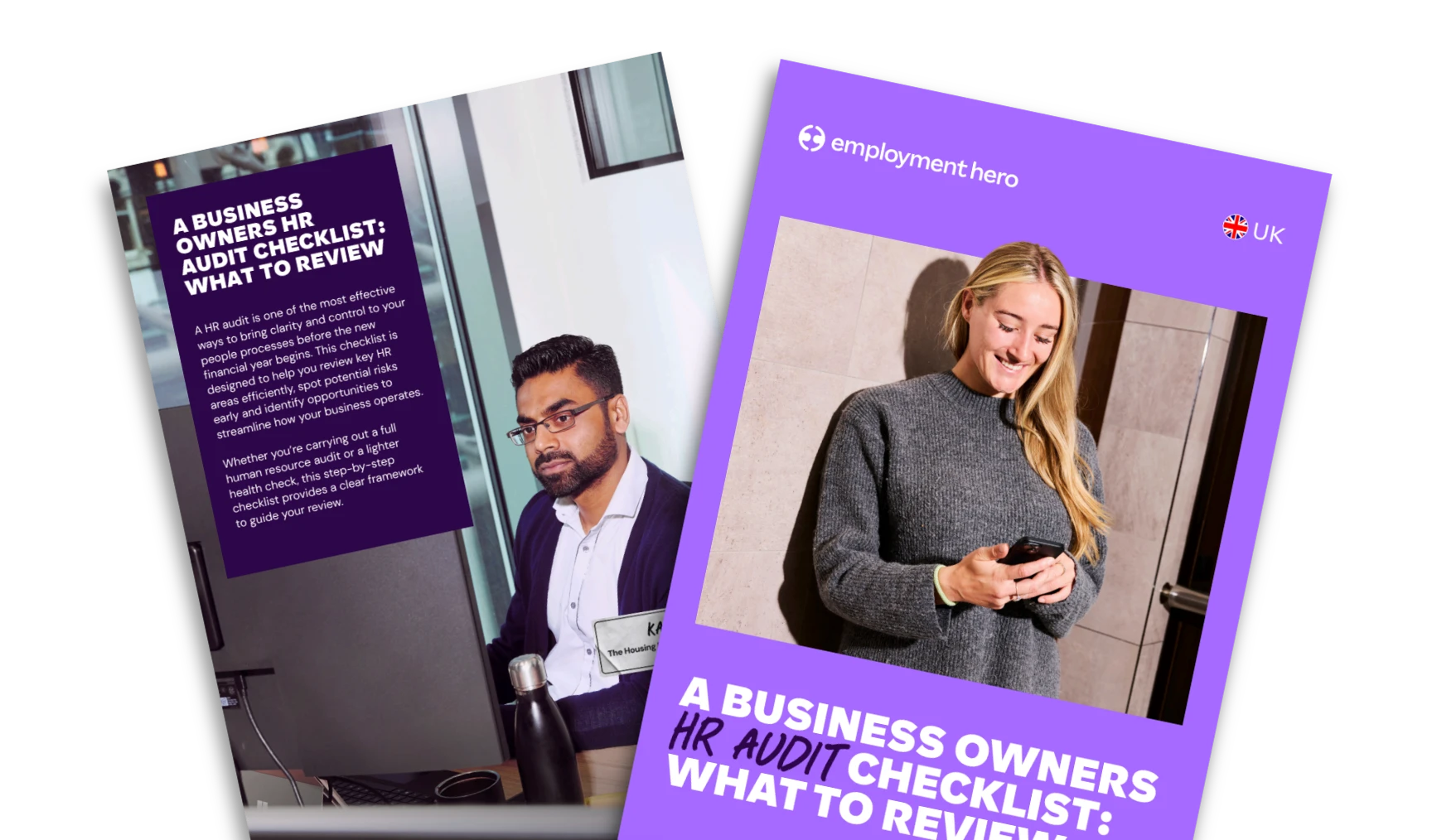 Read more: EOFY HR Audit: What to Review in March
EOFY HR Audit: What to Review in March
Complete a EOFY HR audit with our practical checklist. Review compliance, people processes and compliance to reduce risk before the…
-
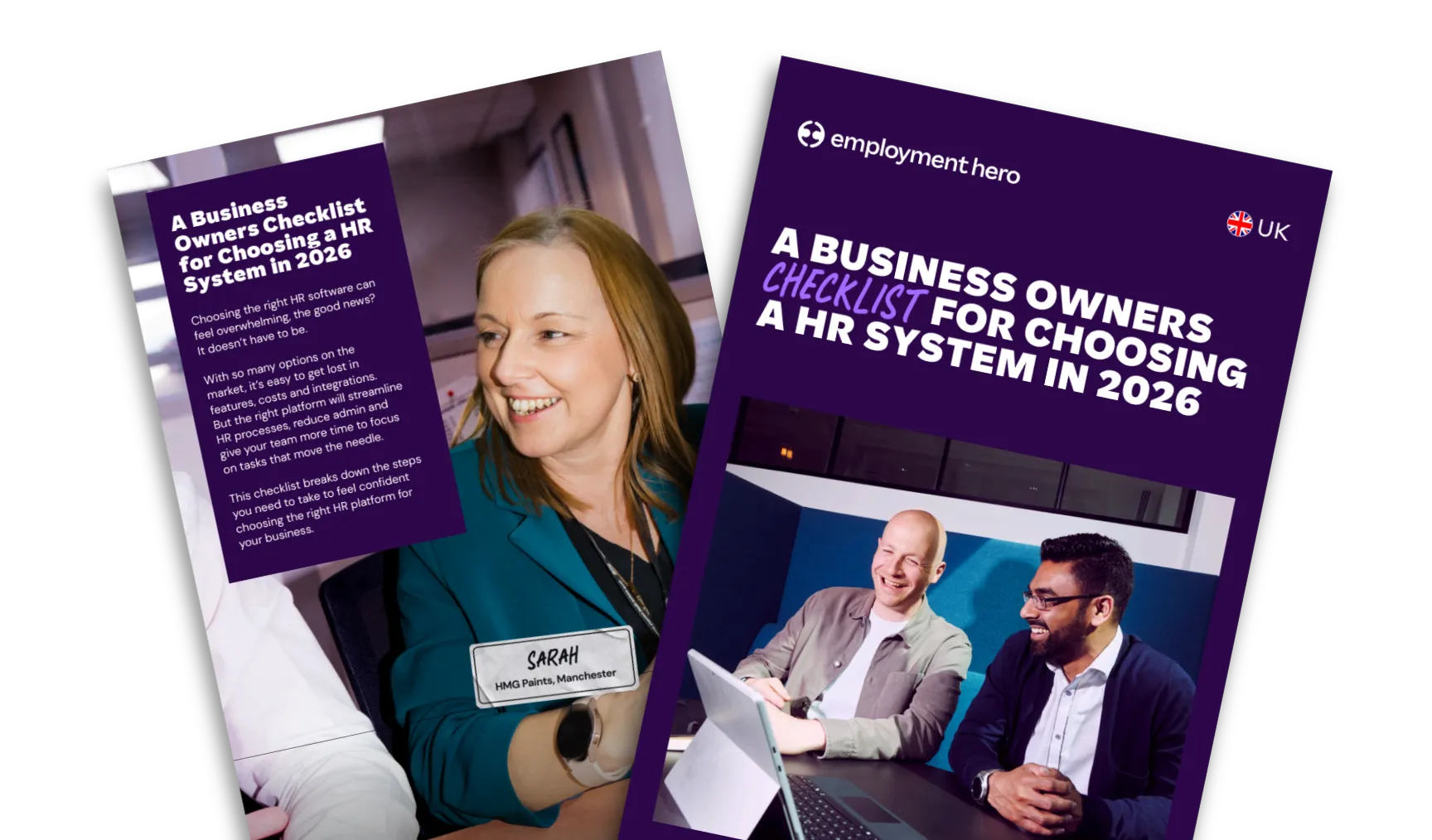 Read more: How to Choose an HR System: A 2026 Buyer’s Checklist
How to Choose an HR System: A 2026 Buyer’s Checklist
HR software is more than features. Discover how the right system can streamline operations, boost efficiency and future-proof workforce management.
-
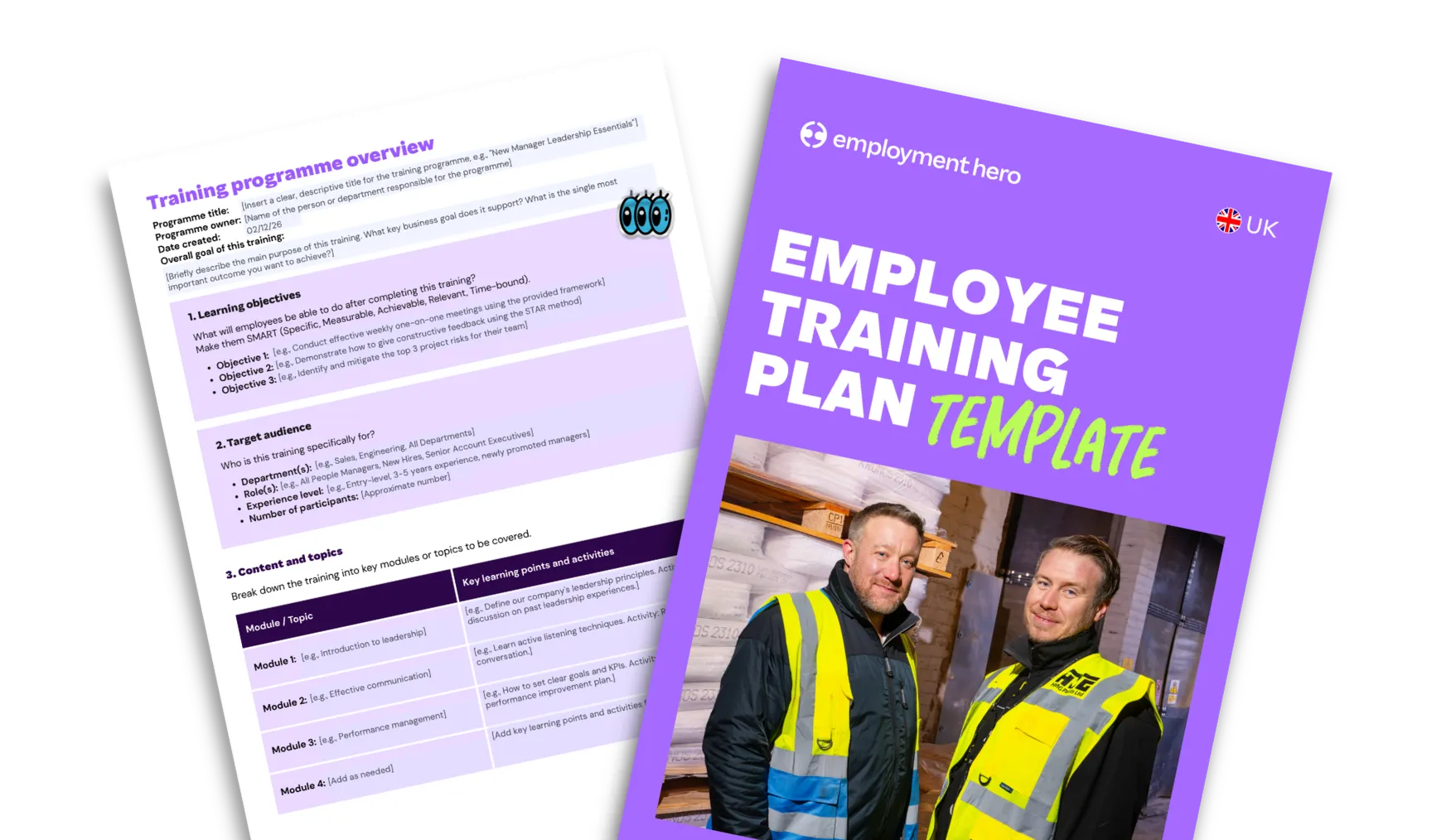 Read more: How to Create an Employee Training Plan: Template & Guide
How to Create an Employee Training Plan: Template & Guide
Ready to build a training program that drives results? Learn how to create an effective employee training outline that aligns…
