


















Information Security Policy Template
Published
Information Security Policy Template
Last Updated
Information security is no longer just an IT concern, it’s a fundamental part of running a modern business. From employee records and payroll data to customer information and commercial insights, UK businesses handle vast amounts of sensitive data every day. Without clear rules and safeguards in place, even a small mistake can lead to serious financial, legal and reputational consequences.
An information security policy provides the framework your business needs to protect its data, systems and people. It sets clear expectations for how information should be handled, defines responsibilities across the organisation and helps ensure you meet legal and regulatory obligations. Creating an effective policy from scratch can feel overwhelming, particularly for growing businesses with limited time and resources.
This resource is designed to make the process simpler. It combines practical guidance with an information security policy template you can adapt to your organisation’s specific needs. Whether you’re building your first policy or reviewing an existing one, this resource will help you strengthen your security approach, reduce risk and create a culture where protecting information is everyone’s responsibility.
Understanding an information security policy template
An information security policy template is designed to give you a clear starting point, not a rigid set of rules that every business must follow. It provides a structure that covers the essential areas of information security. The key benefit is that a template ensures all the important sections are covered, while reducing the time and effort needed to build a policy
Think of a template as a launchpad that includes core sections, such as:
- Data classification
- Access controls
- Acceptable use
- Incident response
- Employee responsibilities
These sections reflect best practice and regulatory expectations, while the customisable information security policy template lets you tailor it to your business size, industry, risk profile and the data you handle.
To customise a template effectively, start by assessing your business’ specific risks and operational realities. A small business with limited systems will need a very different level of detail from a larger organisation handling high volumes of sensitive or regulated data. Adapt the language so it’s clear and practical for your employees, avoiding overly technical or legalistic wording that may be ignored or misunderstood.
You should also align the template with your existing processes and tools. Strip out what doesn’t apply and double down on what does. By tailoring the template to fit your unique workflows and culture, you create a policy that your team can actually follow, rather than a document they ignore.
The importance of information security in modern businesses
Information security has become a core business responsibility, not just a technical concern. Every organisation relies on data to operate effectively, from employee payroll records and customer payment details to commercially sensitive information and intellectual property. This data has real value and that makes it an attractive target for cybercriminals.
But it’s not just about stopping hackers. It’s about trust. Customers, employees and partners expect their data to be handled responsibly and securely. Once that trust is broken, it can be extremely difficult to rebuild.
It goes further than trust though. In the UK, businesses must comply with GDPR. A serious data breach can lead to significant fines, enforcement action from the Information Commissioner’s Office (ICO), and reputational damage.
A robust information security policy is therefore far more than a box-ticking exercise. When implemented properly, it becomes a competitive advantage, demonstrating professionalism, reliability and respect for personal data. It helps safeguard your reputation and protects your business from the substantial financial, legal and operational risks that can follow a data breach.
Best practices for data protection
You don’t need an impenetrable fortress to keep your data safe; you need consistent, sensible habits. Strong data protection is built on getting the fundamentals right and embedding them into everyday working practices.
Here are the key steps every business should focus on:
- Access control: Not every employee needs access to every system. Apply the principle of least privilege so people can only view the information required for their role. For example, a junior marketing employee shouldn’t have visibility of company-wide payroll data. Use your HR software to manage permissions securely and restrict access to sensitive personal information.
- Strong authentication: Weak passwords are one of the most common entry points for attackers. Enforce strong, unique passwords across all systems and enable Multi-Factor Authentication (MFA) wherever possible. This simple measure can block the vast majority of automated and credential-based attacks.
- Secure onboarding: Information security should start on an employee’s first day. Rather than granting system access immediately, use your onboarding software processes to ensure new starters read, understand, and formally acknowledge your information security policy before accessing company systems. This sets clear expectations from the outset.
- Regular updates: Outdated software creates unnecessary vulnerabilities. Make sure operating systems, applications, and devices are set to update automatically so security patches are applied as soon as they’re released. This is one of the easiest and most effective protective measures available.
- Encryption: Protect data both at rest and in transit. Encrypt data stored on laptops and mobile devices, and ensure information is encrypted when sent via email or other communication tools. If a device is lost or stolen, encryption ensures the hardware may be compromised, but the data remains secure.
Responding effectively to data breaches
In information security, breaches are a realistic possibility for every organisation. While that may sound uncomfortable, it’s actually empowering. When you accept that an incident could happen, you can plan for it and respond effectively rather than being caught off guard.
In a security incident, panic only makes matters worse. A clearly documented response plan is what keeps the situation under control. Your information security policy template should set out a straightforward, step-by-step process, including:
- Containment: Act immediately to limit the damage. Isolate infected devices from the network, disable compromised user accounts, and prevent any further unauthorised access.
- Assessment: Investigate what has happened. Identify how the breach occurred, which systems were affected and whether sensitive data was accessed or is still at risk.
- Notification: Timely and transparent communication is essential. If personal data may have been compromised, you may be legally required to notify the Information Commissioner’s Office (ICO) within 72 hours under UK GDPR. Affected customers or employees should also be informed promptly and honestly.
- Review: Once the incident has been resolved, analyse what went wrong. Use the findings to strengthen your controls, update your policy, and reduce the likelihood of a similar breach in the future.
Crafting a comprehensive information security policy
So how do you pull this together as a business owner or HR professional? A comprehensive policy doesn’t need to be long. It just needs to be clear, practical and easy for anyone in your team to understand.
Start by clearly defining your security objectives. What types of information are you protecting and why does it matter to your business? Setting out these goals provides important context and helps employees understand the purpose behind the rules, rather than seeing them as restrictions.
Next, clearly outline employee responsibilities. Be practical and specific about what is expected. For example, requirements such as locking screens when stepping away from desks, using secure networks for sensitive work or following approved processes for handling personal data should be stated plainly and unambiguously.
Keep the language simple and accessible. Avoid unnecessary technical jargon or overly legalistic wording that could confuse or disengage your team. If employees don’t fully understand the policy, they’re far less likely to follow it consistently.
Ultimately, the aim is to create a security-first culture where protecting information is part of everyday behaviour. A well-crafted policy supports this by making good security practices feel normal and achievable, not like an inconvenient task imposed by IT.
Developing a robust security policy for your organisation
Your business isn’t static and your security policy shouldn’t be either. A policy written for a team of five working from a single office won’t work for a team of fifty working remotely across the UK.
You need to make your framework scalable. As you introduce new technology, like AI tools or new CRM systems, your policy needs to evolve to cover them. Make it a habit to review your policy at least once a year or whenever you make a significant change to how you operate.
Ask yourself: Are these rules still practical? Are they slowing us down unnecessarily? Security should enable safe work, not prevent work from happening. If a policy is too restrictive, people will just find ways around it, which creates “shadow IT” and even more risk.
Addressing disciplinary action in security policy breaches
This is often the most uncomfortable part of an information security policy, but it’s also one of the most important. What happens if the policy isn’t followed? The reality is, clear rules only work if there are clear consequences when they’re not followed.
If an employee disregards the policy, for example, by sharing passwords, bypassing security controls or installing unauthorised software, the issue needs to be addressed. Without defined outcomes, the policy becomes guidance rather than a requirement, weakening its effectiveness across the organisation.
Disciplinary matters should always be handled fairly, consistently and in line with your wider HR policies. Your information security policy should clearly explain how breaches will be investigated and what disciplinary action may follow, depending on the severity and intent of the incident.
In more complex cases, particularly where it’s unclear whether an incident was a genuine mistake or potential gross misconduct, expert support can be invaluable. Access to HR advisory services can help you navigate these situations confidently and compliantly, ensuring the business is protected while employees are treated appropriately and lawfully.
Your next step: Create an information security policy
Building an information security policy may feel like a daunting task, but it’s one of the most important investments you can make in protecting your business. By clearly defining your security goals, outlining employee responsibilities and putting practical procedures in place for managing risks and responding to incidents, you create a strong foundation for safeguarding your data, systems and reputation.
Not sure where to start?
To download the template, we just need a few quick details.
Related Resources
-
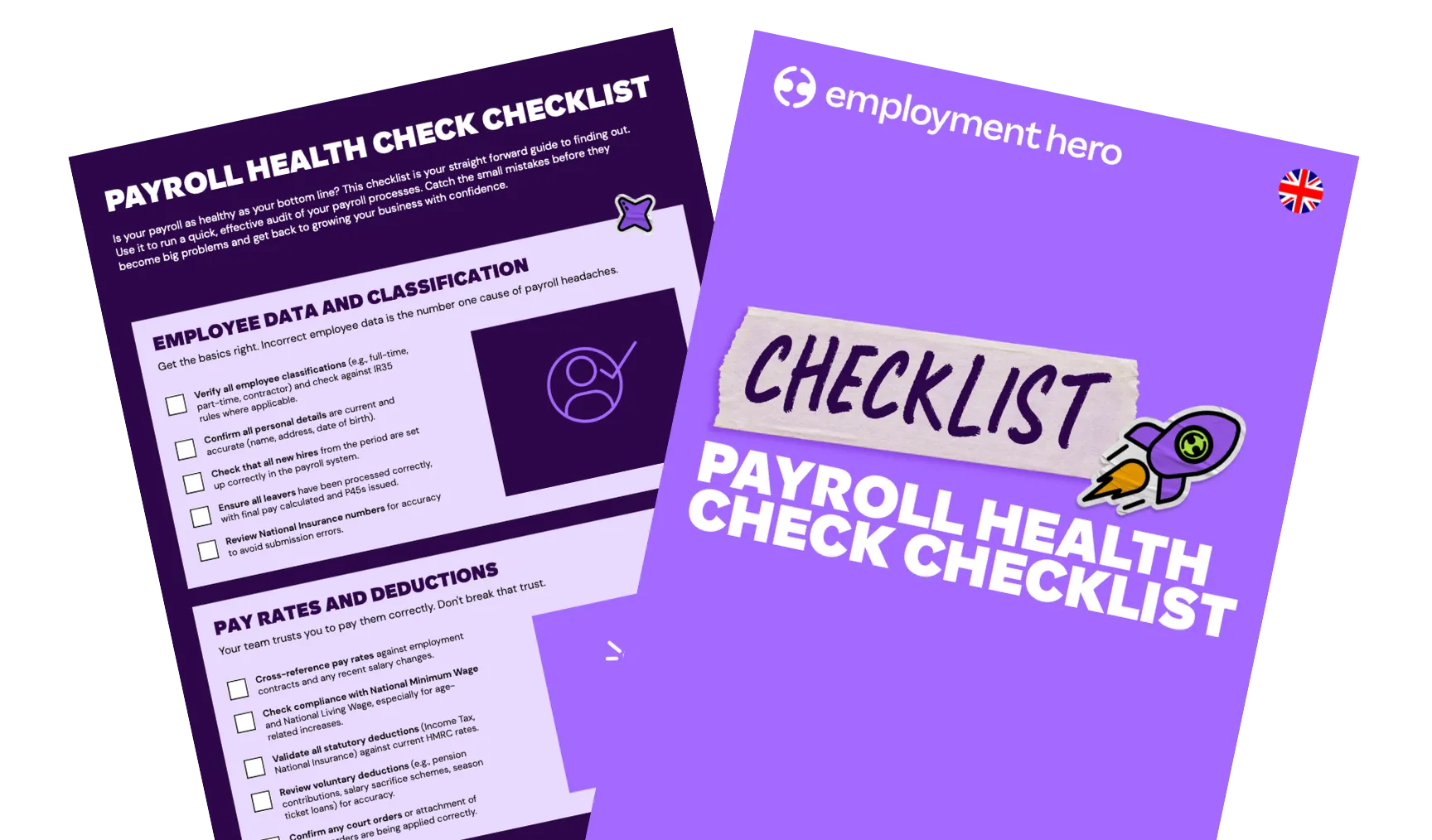 Read more: Payroll Health Check Checklist: Audit, Compliance and Review
Payroll Health Check Checklist: Audit, Compliance and Review
Is your payroll as healthy as your bottom line? Use our payroll audit, compliance, and review checklist to catch errors,…
-
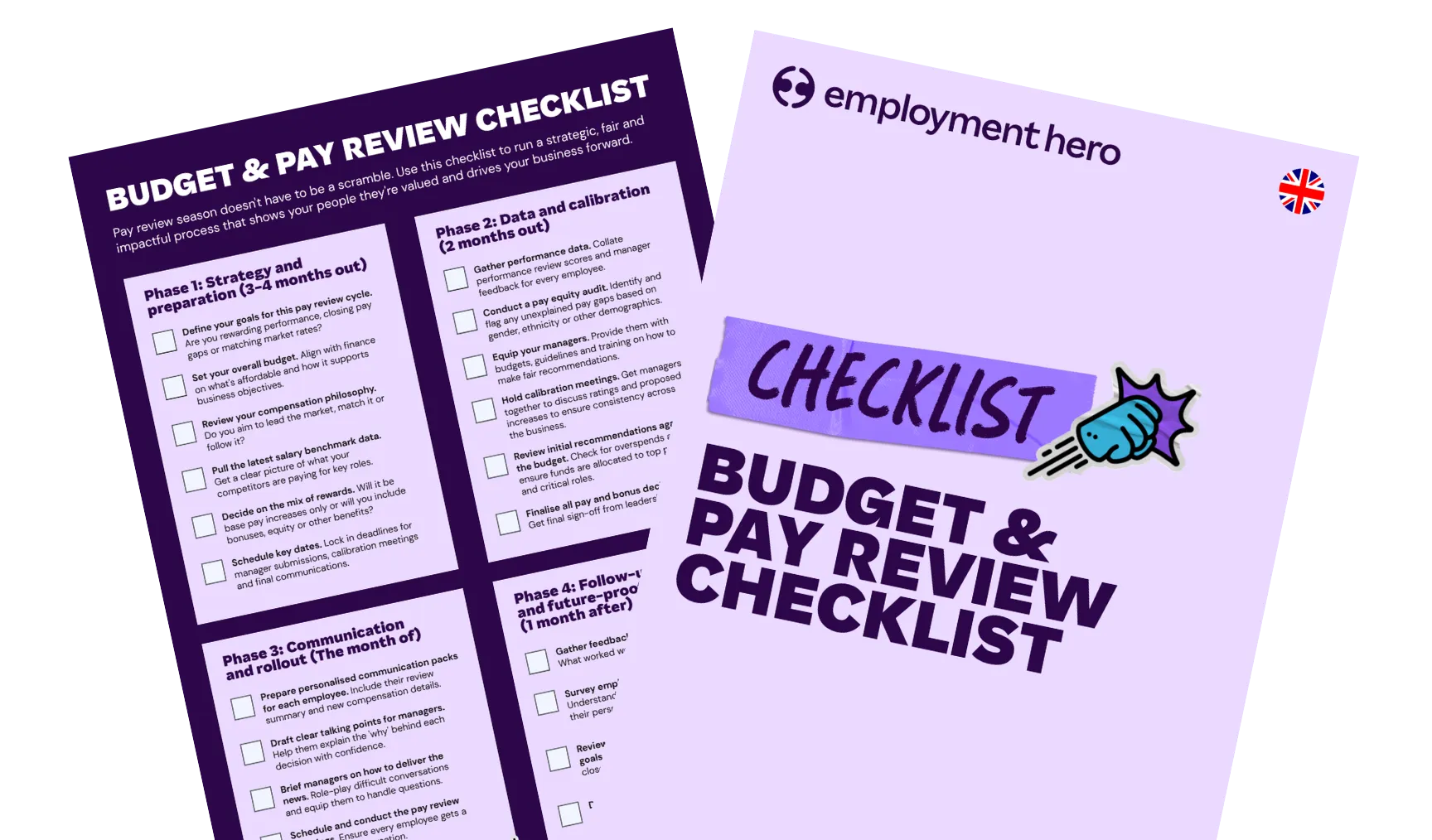 Read more: Budget & Pay Review Season: Shifting the Strategy for 2026
Budget & Pay Review Season: Shifting the Strategy for 2026
Learn how HR leaders can reward performance, boost engagement and show employees they matter.
-
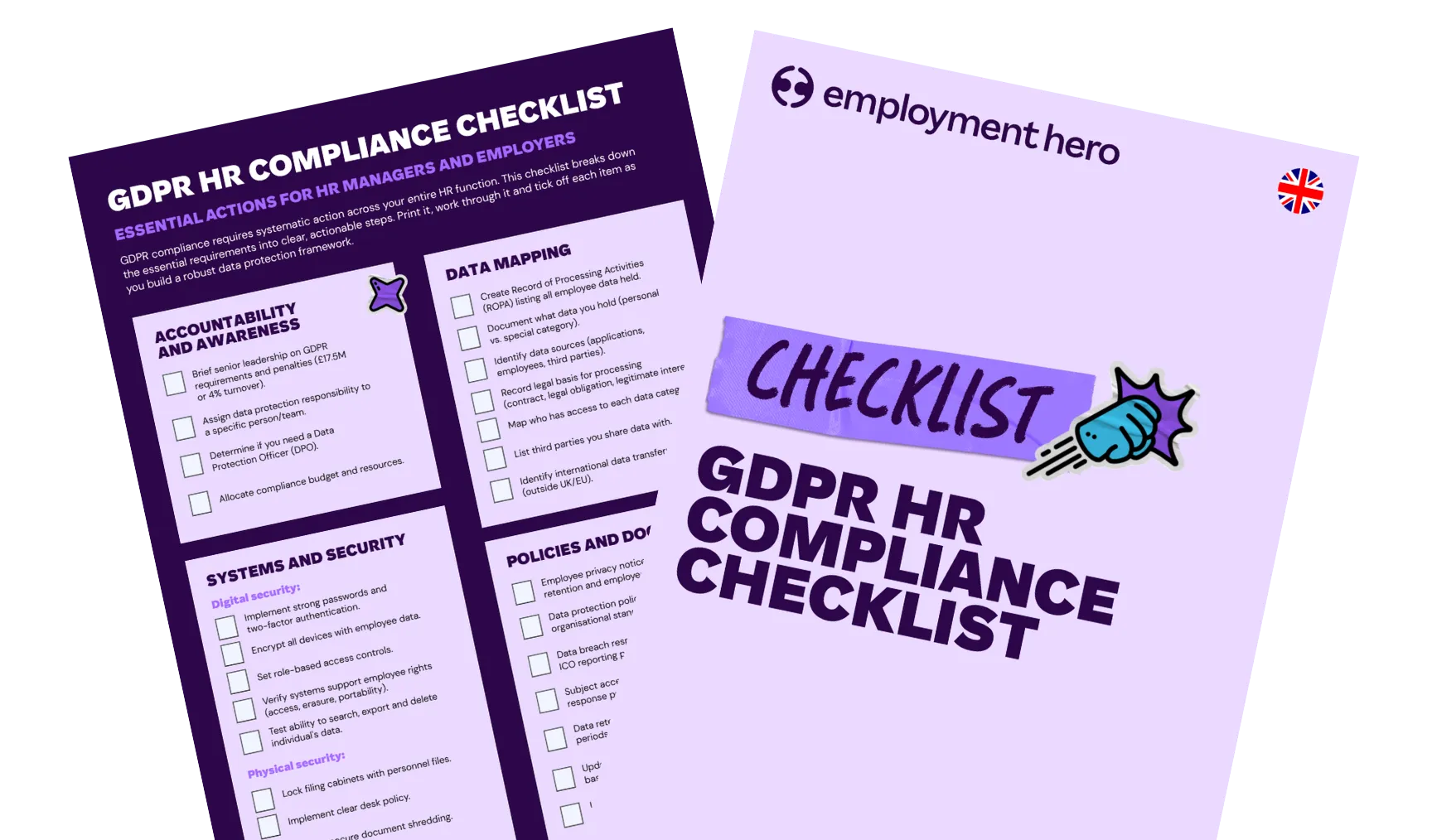 Read more: GDPR Checklist for HR Managers and Employers
GDPR Checklist for HR Managers and Employers
Check if your HR practices are GDPR compliant with our checklist.
