

















A Business Owners 2026 HR Compliance Calendar: Stay Confident, Stay Compliant
Published
A Business Owners 2026 HR Compliance Calendar: Stay Confident, Stay Compliant
Published
Running a business can be incredibly rewarding, but it also comes with a tangled web of rules and regulations. While this is important and adhering to HR employment law is a non-negotiable, we also know this isn’t exactly why many business owners wanted to become business owners. Let’s face it, you didn’t start your company to spend hours deciphering the code that is legal jargon.
But keeping up with the ever evolving employment law can feel overwhelming. It’s not what anyone wants. So to make your life easier, we’ve created a HR compliance calendar to help you navigate the year without stress.
We’ll break down all the important dates you need to remember. From tax deadlines to wage updates, we have your back. This HR compliance calendar 2026 is your essential tool for navigating the year with confidence. Let’s get you ready to tackle the year ahead.
Key features of the HR compliance calendar 2026
The HR compliance calendar 2026 is designed to help businesses stay ahead of the game by providing clarity and control over responsibilities throughout the year. We’ve cut through the noise to give you exactly what you need.
What’s included
We’ve packed this calendar with everything you need to navigate UK compliance with confidence.
- Quarterly breakdown of key dates: A clear quarterly view of every important deadline.
- Legal and employment law updates: Stay informed on critical changes to legislation that affect your business.
- Pay and benefits updates: Get timely reminders about changes to the National Minimum Wage and National Living Wage.
- Reporting deadlines: Never miss an important submission date, like Gender Pay Gap reporting or P11D forms.
- Public holiday tracking: Plan for public holidays and understand how they impact payroll and leave planning.
How it helps
Think of the HR compliance calendar 2026 as your business’s secret weapon for making compliance work for you. It offers practical reminders for each important date, giving you the advice you need to plan effectively.
By staying ahead of deadlines, you can move from reactive problem-solving to proactive, strategic planning. It’s about managing your obligations without the admin headache, so you can focus on leading your team and growing your business.
Why compliance is key for UK businesses
Managing employment law is not easy and it’s fundamental for all UK businesses. But it also doesn’t have to be a total minefield. This is where being prepared and knowing what’s around the corner comes in handy.
And, what if knowing what’s ahead empowers you to view employment law as a launchpad instead of a barrier? Staying on top of your obligations isn’t just about avoiding risks and penalties. It’s about building a business that’s resilient, respected and ready for anything.
When you plan proactively, you transform the HR compliance calendar from a source of stress into a tool for confidence. It sends a clear message to your team that you care about their rights and wellbeing which builds powerful, lasting trust. Getting ahead of these changes also gives you a major advantage. It protects your business, empowers your people and sets you apart as a forward-thinking employer.
UK specific compliance considerations 2026
With the introduction of the Employment Rights Act, 2026 and beyond is set to be a huge legislative shake up for businesses. With so much changing, staying up to date with the latest legislation is more important than ever.
Employment law updates
2026 brings sharper focus to employee rights driven by ongoing updates to the Employment Rights Act. These changes aren’t just legal boxes to tick, they’re opportunities to strengthen your business reputation and retention.
- Flexible working: With statutory rights evolving, it will be harder to refuse employees’ flexible work requests. Your policies must offer genuine flexibility and align with the latest guidance, ensuring fair and timely responses to requests.
- Parental leave and family-friendly rights: The Act extends protections around parental leave and introduces new neonatal care entitlements. Staying updated means your business can better support working parents and create an inclusive culture.
- Worker status and employment contracts: A clear definition of who counts as an employee, worker or contractor is fundamental. Misclassification can lead to disputes and backdated entitlements. So it’s essential to get contract terms right from the start and keep records clear and compliant.
Pay and benefits
Under the Act, employees are entitled to fair pay and transparent benefits.
- National Minimum Wage and National Living Wage: You’re legally required to pay at or above these rates which will increase in April. Review your payroll ahead of time to remain on the right side of the law.
- Pension contributions: Auto-enrolment thresholds and qualifying earnings can shift each year. Watch the updates closely and make sure every eligible team member is enrolled as required.
- Statutory pay: Compliance with new statutory sick pay, maternity, paternity and shared parental pay rates is a must. Adjustments tend to land every April, set your payroll to reflect these changes.
Sector-specific notes
The Employment Rights Act applies to every business, but certain sectors deal with extra compliance layers.
- Construction: The Construction Industry Scheme adds its own set of deadlines and documentation to your employment responsibilities. Keeping CIS records accurate is essential.
- Healthcare: With heavy emphasis on employee rights and safe working conditions, you must keep pace with updated checks, CQC standards and regular training reviews.
- Hospitality: New rules under the Employment (Allocation of Tips) Act build on the foundation set by the Employment Rights Act. Fair, transparent distribution of tips is now non-negotiable. Written policies and record-keeping protect your team and your business.
Staying up to date with the Employment Rights Act isn’t just about compliance, it’s about building trust, transparency and a positive workplace that sets your business apart.
Navigate HR compliance in 2026 with confidence
With so many tasks on the to-do list, we know staying up to date with legislation can be overwhelming and stressful for business owners and HR professionals. The HR compliance calendar 2026 is here to give you the visibility you need to handle legal updates, pay changes and reporting deadlines… without the last minute panic.
By staying one step ahead, you transform compliance from a burden into a competitive advantage. You build trust with your team, protect your business and free up your time to focus on what you do best.
Ready to make 2026 your most organised year yet?
To download the downloadable, we just need a few quick details.
Related Resources
-
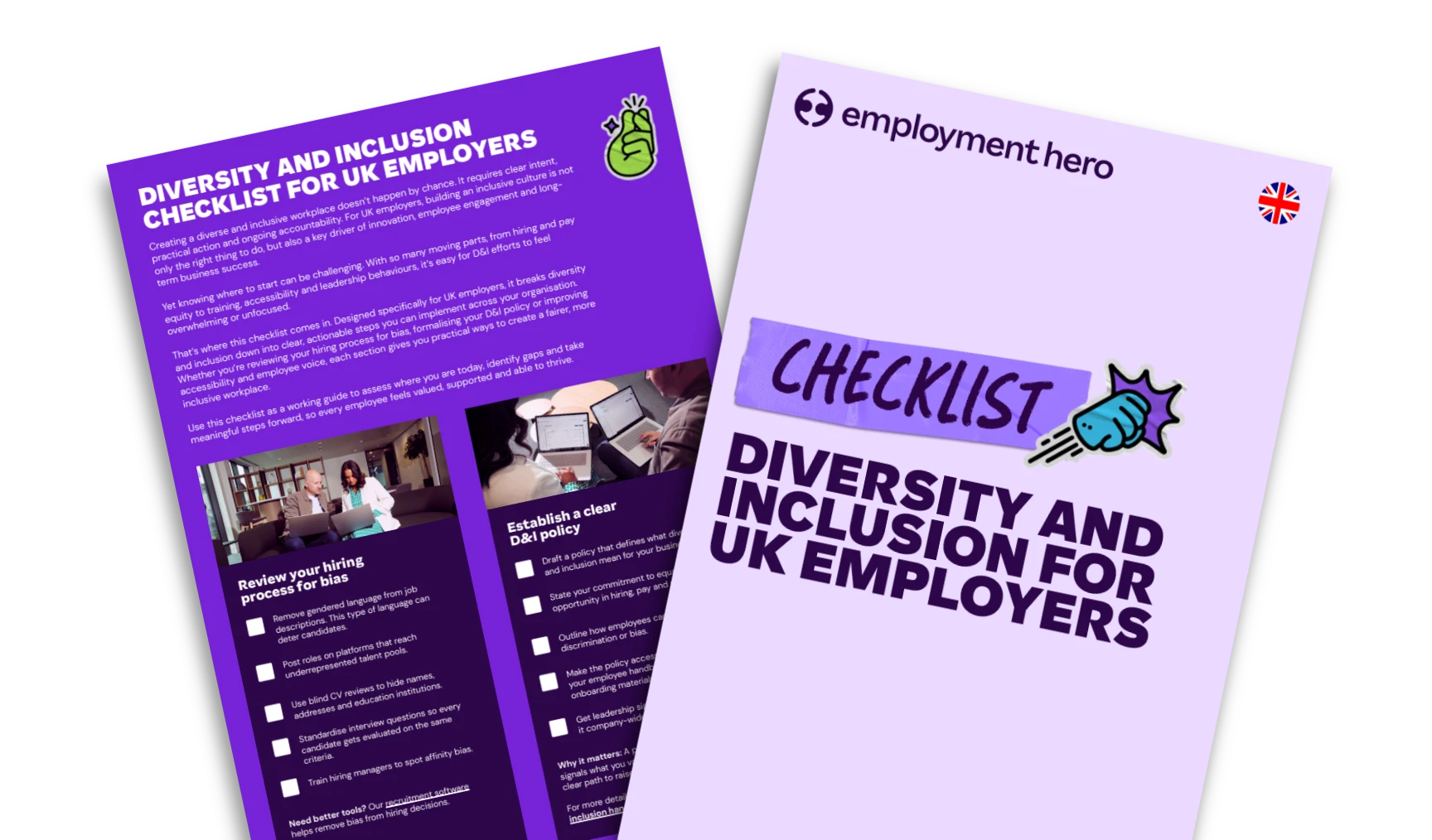 Read more: Diversity and Inclusion Checklist for UK Employers
Diversity and Inclusion Checklist for UK Employers
Create a truly inclusive environment with our diversity and inclusion checklist.
-
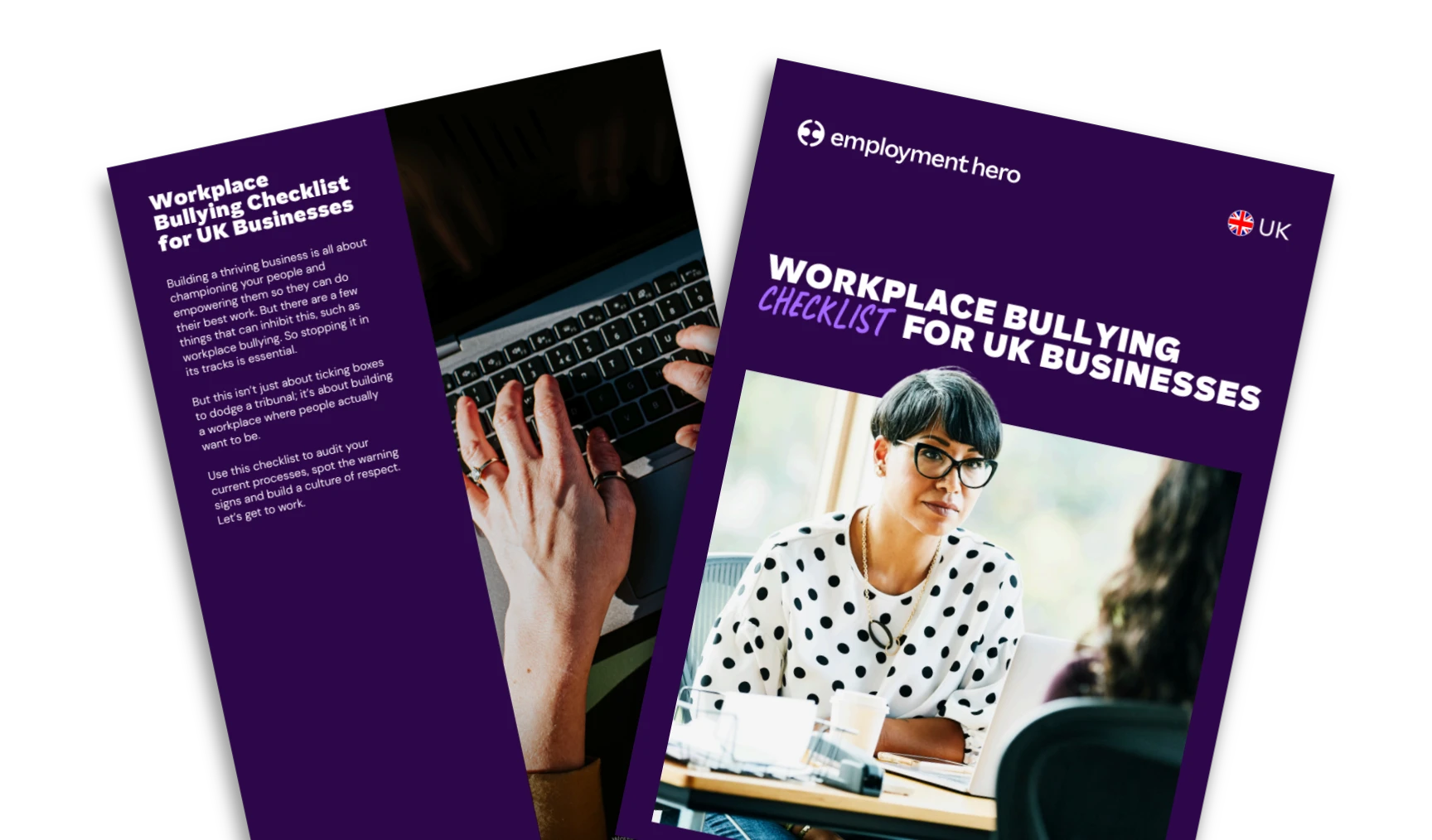 Read more: Workplace Bullying Checklist for UK Businesses
Workplace Bullying Checklist for UK Businesses
Are your employees protected from workplace bullying? Review your processes and learn how to handle arising issues with this checklist.
-
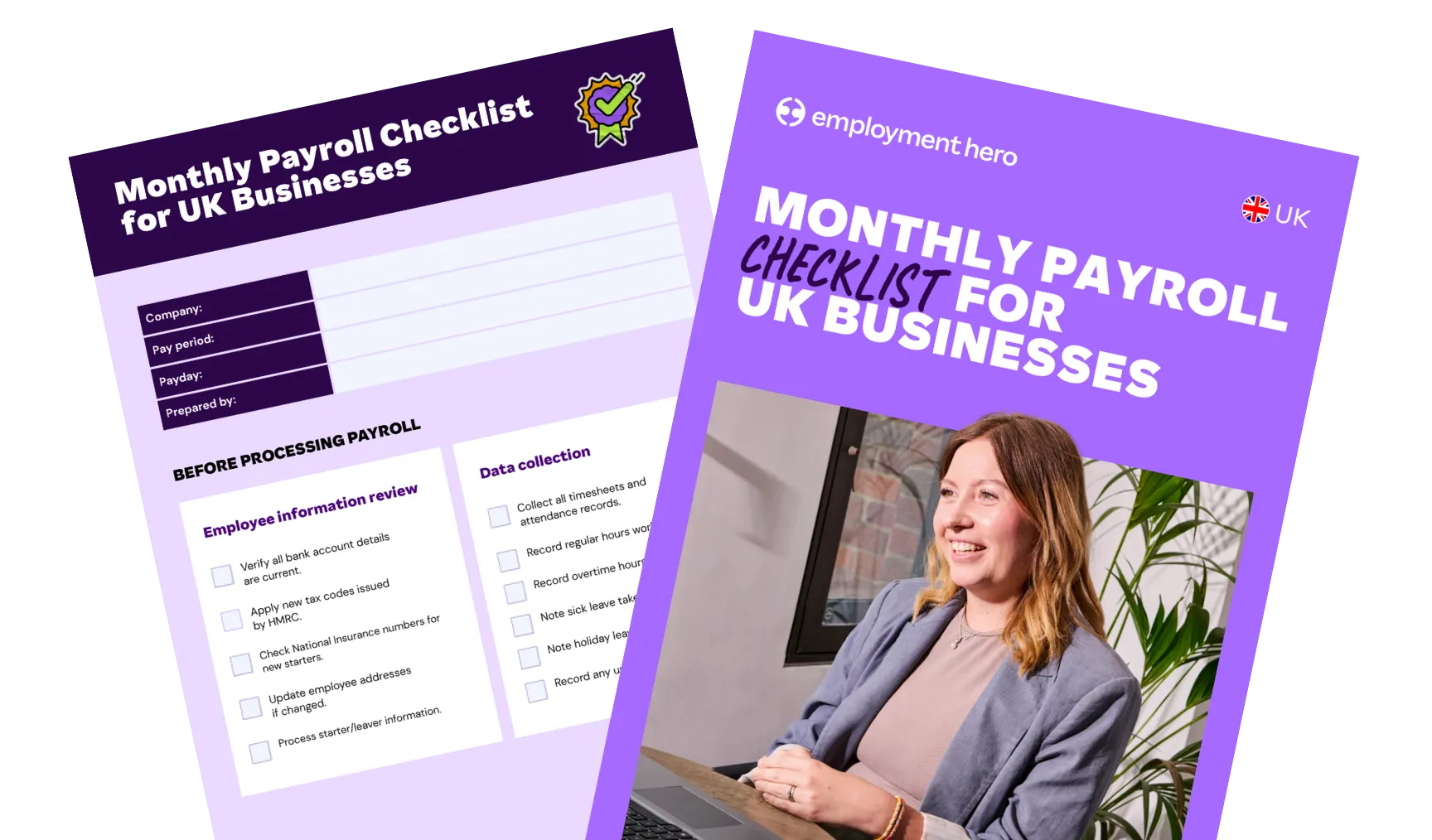 Read more: Monthly Payroll Checklist for UK Businesses
Monthly Payroll Checklist for UK Businesses
Manage your payroll processing with our monthly checklist. Streamline your tasks and improve efficiency.
