













How to Choose an HR System: A 2026 Buyer’s Checklist
Published
How to Choose an HR System: A 2026 Buyer’s Checklist
Last Updated
Did you know 95% of SMEs say they face challenges managing employment and human resource processes? On average, they’re juggling three to four different systems just to keep things running and spending £47,000 a year for the privilege. No thanks.
This is why having the right platform is more than a nice to have, it’s business critical. But knowing how to choose HR software can be a bit of a minefield. It’s a task that feels like it should be simple, but in practice never is.
Let’s be honest, it’s not about swapping out old spreadsheets or keeping pace with digital trends. It’s a chance to level up, streamline HR processes and set your people free from the burden of admin. In a world fuelled by speed and change, the right people management software is the quiet force unlocking growth and future-proofing your business.
With a million things on your to-do list, the last thing you need is another clunky platform that you’re paying to not use. This is why knowing how to choose HR software is a key skill.
We’ll break down how to make this choice with confidence. Whether you’re overhauling an outdated legacy setup or investing in your business’s first true people management system, you’ll come away feeling clear on the do’s and don’ts of choosing software.
Understanding the role of HR software in 2026
It’s no surprise that the role of human resource platforms have evolved. Once little more than digital filing cabinets for employee data (and, if you were lucky, payroll), they’re now strategic tools for workforce management.Yet only 67% of business leaders say their current HR system gives them a strategic advantage, highlighting a clear gap between what technology can do and how it’s being used today.
According to Employment Hero’s Work That Works Report, over half of SMEs are spending one whole day a week on administrative tasks related to employment, HR and payroll. So for business owners and HR managers, more efficient solutions are a game changer. It saves time, reduces errors and empowers people to focus on activities that move the needle.
In simple terms, a good platform is the command centre that helps you hire smarter, onboard more efficiently, manage employee data, deal with compliance and run payroll. It’s no longer about simply managing people; it’s about empowering them.
How to choose HR software
It’s clear that having a modern platform is beneficial for business owners and HR professionals. In fact, the Work That Works Report found that 9 in 10 leaders agree there is real potential for innovation within their HR function, making the right technology a key driver of change rather than just an administrative tool.
But knowing how to choose HR software doesn’t always feel simple. Looking at long, jargon-filled lists of features can easily get overwhelming. And who even has time for that anyway?
Here, we’ll cut through the noise and show you what you really need to be paying attention to when you’re wondering how to choose HR software.
Step 1: Assess your business needs
Okay, let’s start off with the basics. Before you even begin looking at products, you need to first look at your own business.
What’s actually holding you back? What do you need to change to thrive? Understanding this gives you a strong idea of where your time and energy is being spent and how you can streamline princesses to solve the real-world challenges your business faces every day. You know, the ones that drain your time and energy. No one wants to be doing those.
This could be anything from spending days on payroll, to onboarding being overly complicated or the worry of keeping up with UK compliance and employment law. List your top three to five frustrations. This list becomes your compass, guiding you toward a solution that will make a genuine difference.
Step 2: Research and compare your options
Once you’ve established the challenges you want to solve, it’s time to consider who can solve them. This means it’s time to do your research and conduct some HR software comparisons. Consider:
- Key features of the platform.
- Pricing structure.
- Integration with existing tools.
- Vendor implementation and ongoing support.
- Useability.
- Scalability.
Create a simple scorecard to compare your top contenders. Note their strengths, weaknesses and how they stack up against your list of must-have features. This isn’t about finding the perfect piece of software, more about finding a solution that feels like the right fit for your business.
Step 3: Test drive before you buy
You wouldn’t buy a car without a test drive, so don’t buy software without getting your hands on it. So schedule demos with your top two or three vendors and ask them to show you exactly how their platform solves your specific pain points. Don’t let them give you a generic tour, remember you want to understand how this platform can resolve your specific pain points, not just generic challenges.
This is an important step when it comes to HR software comparisons and it’s your opportunity to get bit clearer about things such as:
- The total cost, including any hidden fees.
- What the implementation process looks like, how long it takes and what level of ongoing support you can expect.
A good partner will be transparent and ready to answer your questions with confidence.
Step 4: Make the business case
It’s time to make the business case and get buy-in from the leadership team. Investing in a modern human resources platform seems like an easy yes for you, but you have all the crucial information. This is how you can get the leadership team onboard too.
Frame the investment not as a cost, but as a strategic move to boost efficiency and reduce risk. Show them the numbers such as the predicted hours saved on admin, the reduced risk of compliance penalties and the impact on employee retention.
Summarise your findings and present your top choice, backed by your research and scorecard. When you show them the clear ROI of HR tech, you’re not just asking for a budget; you’re showing them a more efficient way of moving forward.
Step 5: Plan for a smooth rollout
Once you’ve decided on a specific platform and got leadership backing, it’s time for the fun bit. Planning for a smooth rollout.
The good news is that you don’t need to do this bit alone. Work closely with your new vendor to create a clear implementation plan. It’s also good practice to designate someone on your team to lead the charge for implementation.
Make sure that throughout this process you keep the wider team updated. Communicate the plan, timeline and benefits to your entire company. Organise training to ensure everyone feels confident using the new system from day one. A smooth rollout sets the stage for long-term success and proves you made the right call.
Avoiding common mistakes
Knowing how to choose HR software isn’t without its challenges. But to prevent you from falling into the most common pitfalls, here’s a list of where most buyers go wrong and how you can steer clear of them.
Chasing the lowest price
For SMEs finding cost effective solutions is essential. But it’s important to recognise that cheap can end up being costly. One big mistake many businesses make is prioritising price over value.
But the reality is, the right system will help you save time and streamline processes meaning you can get more done and use less human hours. Make sure you look beyond the monthly fee, instead consider hidden costs like integration, training or limitations that may result in expensive workarounds further down the line.
Instead of choosing what appears to be the cheapest option, go for the software that aligns with your business needs the closest.
Ignoring user experience
We hate to say it, but software is pointless if your team doesn’t use it. And if they find it clunky or hard to navigate, they’re going to avoid it at all costs. To avoid this, put usability and user experience at the forefront of your decision. Test each platform with both HR teams and other employees. What’s intuitive for one group might be confusing for another. Ask for feedback during trials and demos to catch red flags before you commit.
Underestimating integration issues
In today’s technology driven world, integration is everything… and lack of integration can cause headaches. While 74% of leaders agree that payroll and HR should be integrated systems rather than separate tools, only 11% are actually using a single, consolidated platform. This gap often leads to duplicated work, data inconsistencies and unnecessary admin.
That’s why, when considering new platforms, it’s essential to choose software that integrates seamlessly with your existing tools (such as payroll). Better still, look for a solution like Employment Hero’s Employment OS that brings everything together in one place.
But don’t just take the vendor’s word for it, ask for demonstrations of these integrations in real-time and ask the vendor to connect you with a customer who has the same tech stack.
Your next move: Choosing the right HR software
Overlooking security and compliance
We don’t need to tell you how important getting HR compliance right is for UK businesses. With 3 in 4 businesses saying that legislation changes related to employment are a challenge, staying on top of evolving requirements can feel overwhelming.
Knowing how to choose HR software in 2026 isn’t about chasing trends or ticking feature boxes. It’s about making a smart, strategic decision that supports how your business operates today and how it will grow tomorrow.
Before diving into joining any platform, get a solid understanding of the vendor’s compliance features and certifications. Ask for security certifications, details on how your data is encrypted and evidence of regular software updates. For compliance, see how the system keeps pace with changing employment laws and automates necessary reporting.
The right platform should simplify complexity, reduce admin, strengthen compliance and give your people the tools they need to do their best work. When chosen well, it becomes a long-term partner in your business’s success… not just another piece of software to manage.
By taking the time to assess your needs, compare options properly, test before you buy and plan for a smooth rollout, you put yourself in control of the decision. You avoid costly mistakes, maximise ROI and invest in a platform that genuinely moves your business forward.
If you want a practical way to apply everything covered in this blog, Employment Hero’s 2026 HR software buyer’s checklist will help you evaluate options side by side and make a confident, informed choice.
To download the checklist, we just need a few quick details.
Related Resources
-
 Read more: EOFY HR Audit: What to Review in March
EOFY HR Audit: What to Review in March
Complete a EOFY HR audit with our practical checklist. Review compliance, people processes and compliance to reduce risk before the…
-
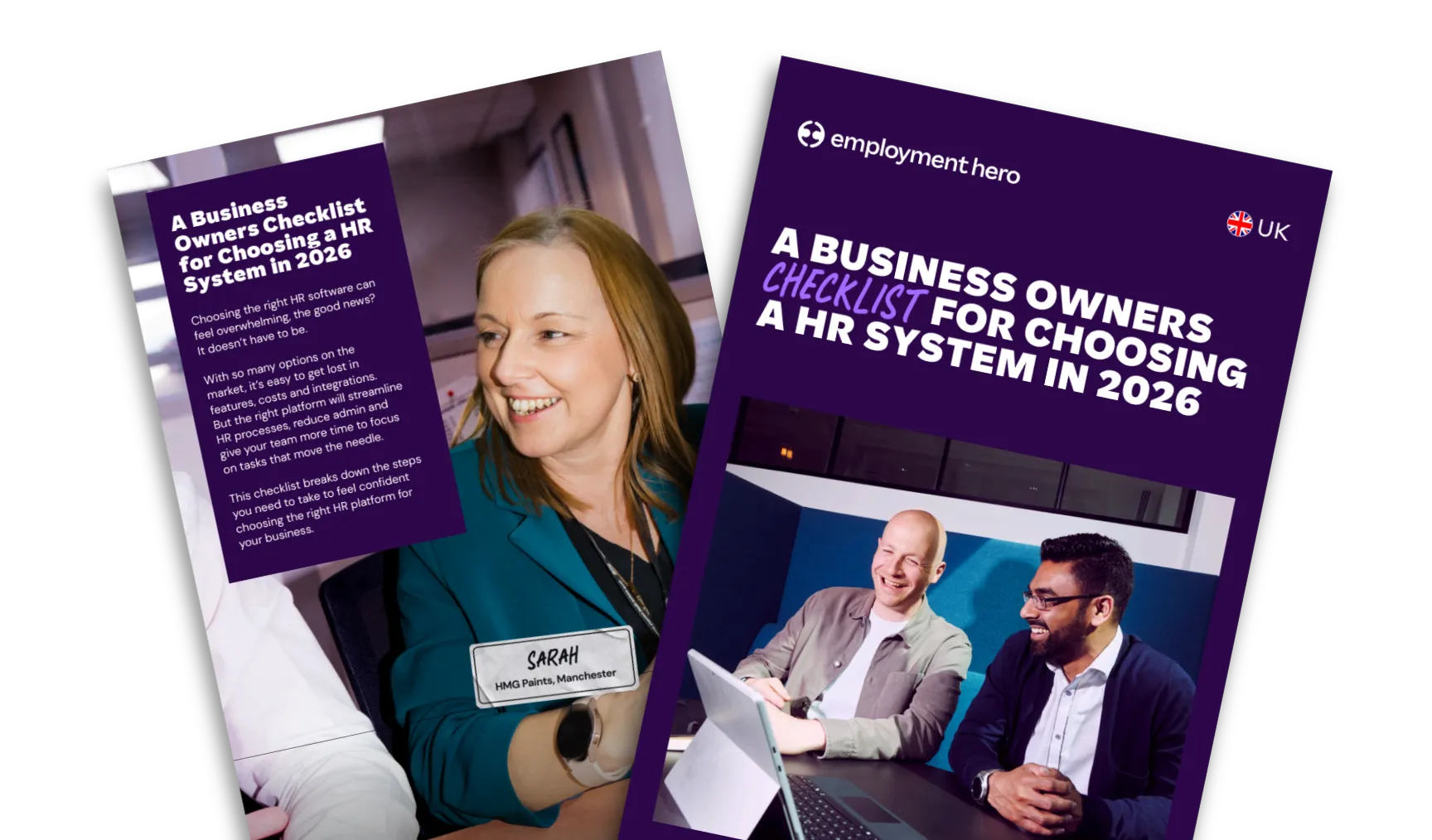 Read more: How to Choose an HR System: A 2026 Buyer’s Checklist
How to Choose an HR System: A 2026 Buyer’s Checklist
HR software is more than features. Discover how the right system can streamline operations, boost efficiency and future-proof workforce management.
-
 Read more: How to Create an Employee Training Plan: Template & Guide
How to Create an Employee Training Plan: Template & Guide
Ready to build a training program that drives results? Learn how to create an effective employee training outline that aligns…
