














Your 60 day onboarding plan: The free template for building momentum
Published
Your 60 day onboarding plan: The free template for building momentum
Published
The first month of a new job is about learning the ropes. The second month? That’s about building momentum. When a new hire hits the 30-day mark, they should have a handle on the basics. Now, it’s time to help them transition from learning to actively contributing. Leaving them to figure it out on their own is a recipe for stagnation and lost potential.
You’ve invested time and resources into finding the right person; the next step is to empower them to make a real impact. This is where a structured plan for their second month becomes an invaluable tool for success, for them and for your business.
What is in this template?
This template is your command centre for the first two months of a new hire’s journey. It’s a complete, customisable framework designed to guide new starters from initial learning to active contribution. Think of it as the strategic playbook for turning potential into performance.
It includes dedicated sections for:
- Setting clear goals.
- Defining key activities.
- Tracking progress throughout the first 60 days.
With this structure in place, you ensure no new hire is left wondering, “What’s next?” and every manager is equipped to provide meaningful support.
What is a 60 day plan?

A 60 day plan is a strategic onboarding tool that moves beyond the basics of induction. It’s a structured roadmap that outlines a new hire’s priorities, goals and objectives for their first two months. The core purpose is to focus on transitioning them from learning the ropes to actively contributing to team goals. It’s the bridge between knowing and doing.
While the first 30 days are typically about absorbing information—understanding the company culture, meeting the team and learning systems—days 31 to 60 are about application. This plan helps you and your new hire define what meaningful contribution looks like and provides a clear path to get there. It transforms onboarding from a passive experience into an active, goal-oriented process.
This clarity and direction are essential for setting your new team member up for long-term success.
The benefits of a structured 60 day plan
The first two months are critical for building momentum and a 60 day plan is your tool to make them count. When new hires see that you have a clear roadmap for their development, it does more than just help them find their feet; it builds confidence and commitment from the outset.
A structured plan provides new hires with a clear sense of purpose, accelerating their ability to make a tangible impact. They know what’s expected of them and can see how their work connects to broader team and company objectives. This clarity reduces the anxiety that often comes with a new role and empowers them to take initiative. Ultimately, it reinforces that you have a structured plan for their success, boosting their engagement and showing them they’ve made the right choice in joining your team. It’s a key part of an effective onboarding process.
By providing this framework, you not only speed up their journey to full productivity but also strengthen their connection to the business.
Key components of a well-crafted 60 day plan
A powerful 60 day plan is built on clarity and action. To be effective, it can’t just be a list of tasks; it must be a strategic document that guides a new hire toward meaningful contribution. It needs to include three core elements to truly drive performance.
First, it requires role-specific goals that move beyond basic training. These are objectives tied directly to the job’s function, encouraging the new hire to apply their skills in a real-world context. Second, you need clear success metrics that define what achievement looks like. This removes ambiguity and allows both the employee and their manager to track progress effectively. Finally, the plan must outline key projects or contributions they will begin to take ownership of during this period, marking the shift from learner to doer.
Without these components, a plan lacks the focus needed to turn a new starter into a confident, contributing team member.
What should new hires accomplish in their first 60 days?
By the end of two months, a new hire should be a confident contributor. This is the ultimate goal of a 60 day plan. They’ve moved beyond passively learning and are starting to actively execute tasks and take ownership. This transition is a crucial indicator that your onboarding is working.
Here is a checklist of key achievements to look for:
- Taking ownership of their first small project: They should be able to manage a task from start to finish with minimal supervision.
- Demonstrating a solid understanding of core processes: They can navigate key workflows without needing constant guidance.
- Actively participating in team meetings with valuable input: They’re not just listening; they’re contributing ideas and asking insightful questions.
- Building collaborative relationships with key team members and stakeholders.
- Proactively identifying areas for improvement or asking how they can add more value.
This level of engagement is particularly important when bringing on board casual employees, who need to get up to speed quickly.
How to write a 60 day plan that drives contribution
This isn’t about creating a longer to-do list. It’s about building a strategic plan for contribution. A great 60 day plan empowers your new hire to start delivering real value to your business by giving them a clear and achievable path forward. It turns the ambiguity of a new role into a set of actionable steps. Here’s how you can build one that works.
Step 1: Review the first 30 days
Before planning the next 30 days, it’s essential to review the first. The 30-day mark is a natural checkpoint to assess progress and make adjustments. Sit down with your new hire and have an open conversation about their experience so far.
- What went well?
- Where are the knowledge gaps?
- What have they enjoyed most and what challenges have they faced?
Use the 30-day review as the foundation for setting meaningful goals for the next phase. This ensures the plan is a continuation of their journey, not a disconnected list of tasks. This feedback loop is also crucial for adapting the process for others, including neurodiverse employees who may have different needs.
Step 2: Set goals focused on contribution
With insights from the 30-day review, you can set goals for the second month. The focus now shifts from learning to doing. It’s time to move beyond training modules and shadowing colleagues. Set realistic goals that involve active contribution and allow the new hire to apply what they’ve learned.
For example, a sales representative might be tasked with leading their first discovery call. A software developer could take ownership of a small feature development. A marketing coordinator might be asked to present a competitive analysis to the team. These types of goals empower them to take the lead and demonstrate their capabilities.
Step 3: Define milestones for days 31-60
The second month is all about taking ownership. To make this manageable, break this phase down into key milestones. These act as smaller, measurable steps towards achieving the larger contribution-focused goals. Milestones provide a sense of accomplishment along the way and keep momentum high.
This could include completing a specific project deliverable, successfully collaborating with another team on a task or identifying an opportunity for process improvement and presenting it to their manager. It’s about creating tangible evidence of their growing impact. Using smart onboarding software can help you track these milestones seamlessly.
Step 4: Measure progress and provide feedback
Regular feedback is the fuel for growth. A plan without a feedback mechanism is just a document. Continue with weekly manager check-ins to track progress against the 60 day plan. These sessions are an opportunity to discuss successes, address challenges and align on next steps.
This is the time to provide more specific, performance-based coaching to help them refine their skills and build their confidence. Consistent, constructive feedback shows you’re invested in their development and helps them stay on track, ensuring they feel supported as they take on more responsibility. This is a core part of any good employee onboarding guide.
Use frequent check-ins to build autonomy
Check-ins during the second month should evolve. In the first 30 days, they were likely focused on answering basic questions and providing direction. Now, they become less about hand-holding and more about coaching and removing roadblocks. This shift is crucial for building independence.
Use these meetings to ask coaching questions like, “What’s your plan for tackling this?” or “What support do you need to move forward?” This approach empowers the new hire to solve problems independently, fostering the autonomy and confidence you need from a fully integrated team member. It’s about guiding them to find the answers, not just giving the answers to them. This is equally true whether they are in the office or require a remote onboarding structure.
The manager’s role in the 60 day plan

In the second month, the manager’s role shifts decisively from guide to coach. Your job is no longer just to oversee tasks but to actively build capability. This means empowering the new hire to take on more responsibility and trusting them to deliver.
A great manager provides a safety net for them to try new things (and maybe fail in a low-stakes environment), offering constructive feedback that accelerates their development. It’s about focusing on their growth, helping them navigate internal politics and connecting them with the right people and resources. This proactive coaching is what turns a promising new hire into a high-performing, long-term asset for your team.
Download the template and accelerate new hire impact
Ready to transform your new hires into confident, contributing team members faster? It’s time to stop leaving the critical second month to chance. A structured process shows your team you are invested in their success from day one and beyond.
Download our free 60 day onboarding plan template to build a process that sets clear expectations, builds momentum and accelerates your new hire’s impact on the business.
To download the guide, we just need a few quick details.
Related Resources
-
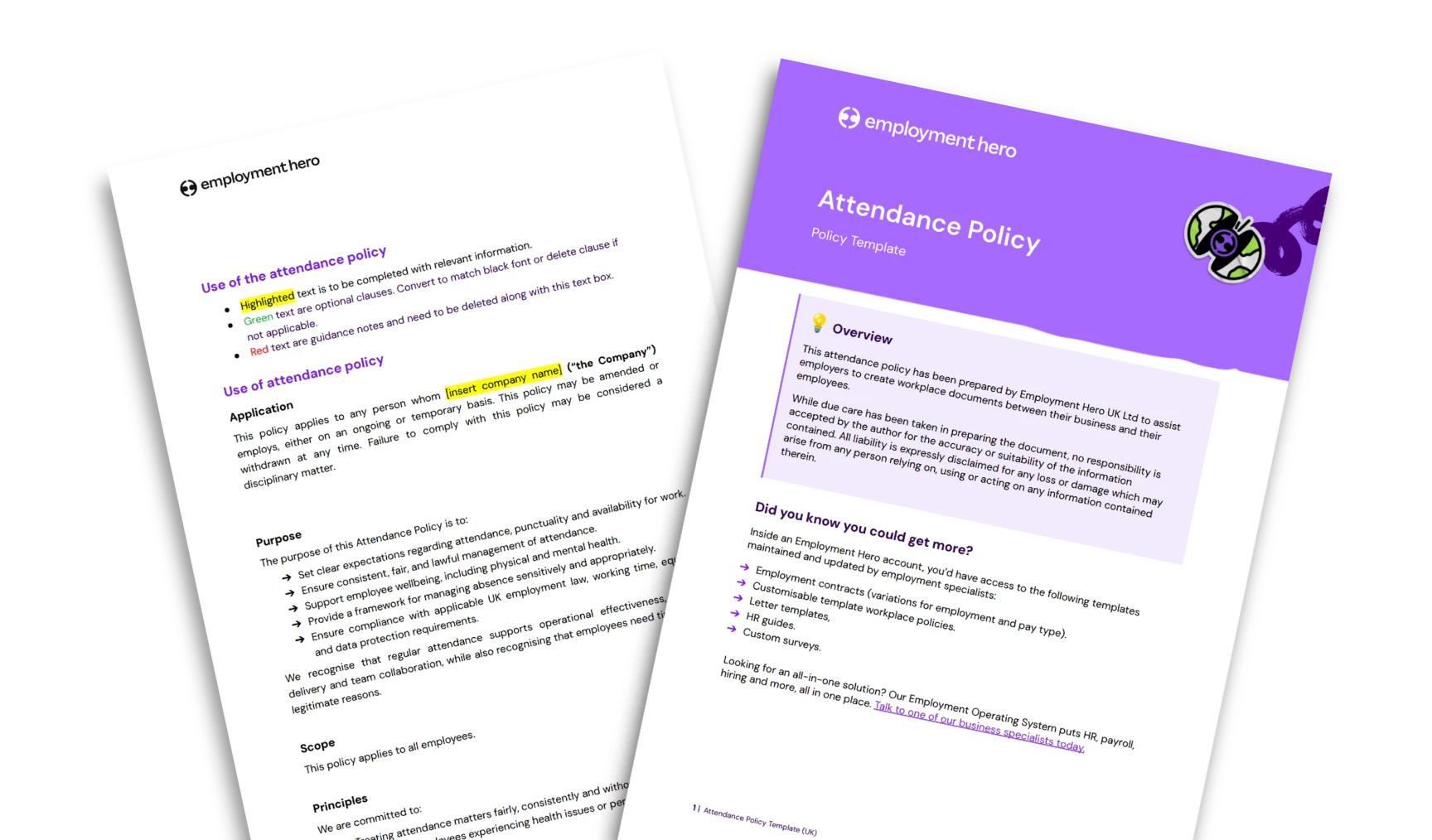 Read more: How to Build an Employee Attendance Policy in 2026
How to Build an Employee Attendance Policy in 2026
Learn how to create a fair and effective employee attendance policy in 2026. Discover strategies for managing attendance policies that…
-
 Read more: EOFY HR Audit: What to Review in March
EOFY HR Audit: What to Review in March
Complete a EOFY HR audit with our practical checklist. Review compliance, people processes and compliance to reduce risk before the…
-
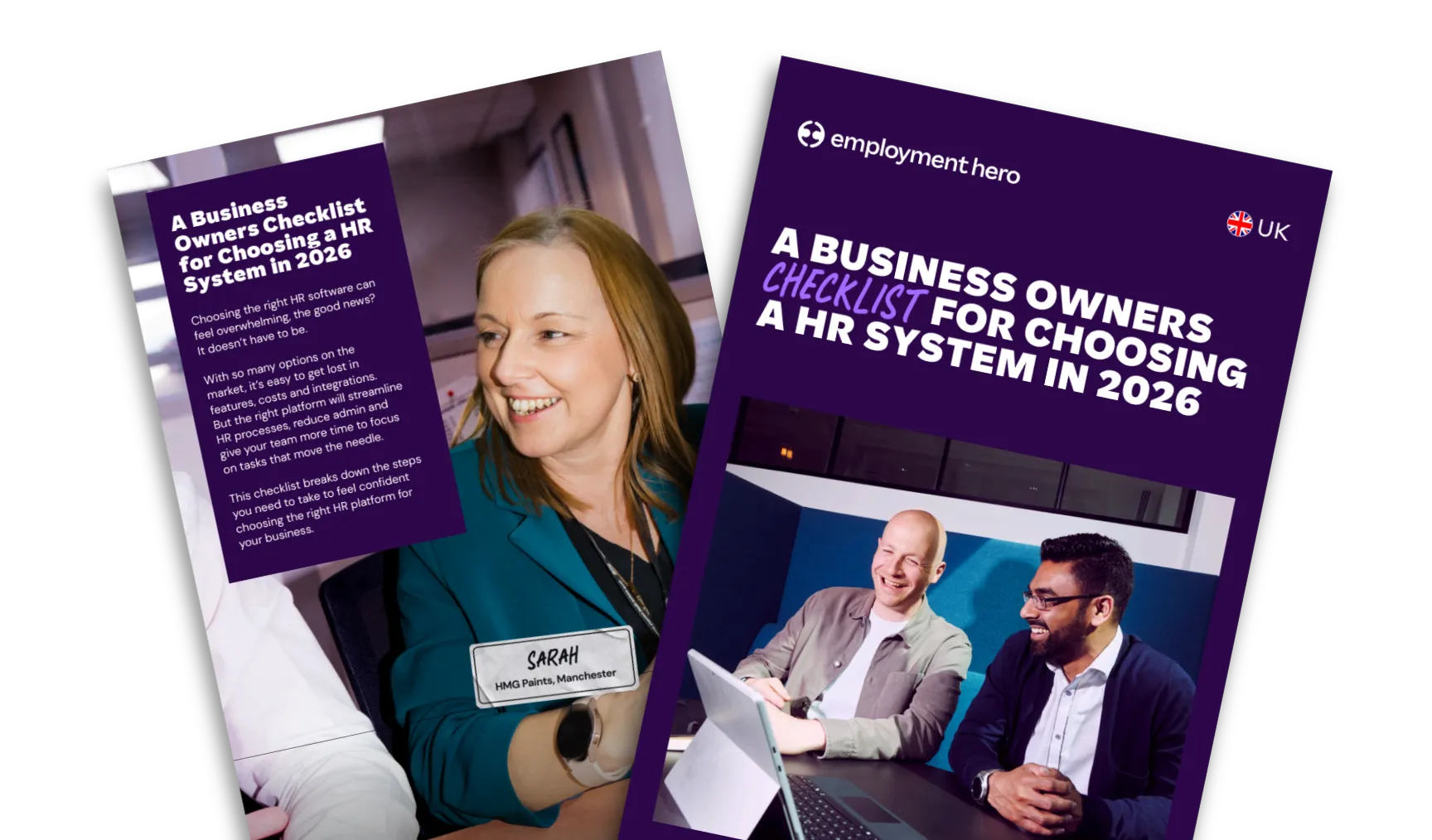 Read more: How to Choose an HR System: A 2026 Buyer’s Checklist
How to Choose an HR System: A 2026 Buyer’s Checklist
HR software is more than features. Discover how the right system can streamline operations, boost efficiency and future-proof workforce management.
