















Flip National Sickie Day Into a Wellness Win

Contents
Employment Hero is prescribing a more productive approach to National Sickie Day.
The first Monday of February has a bit of a reputation and similar to Blue Monday, it’s not a good one. Widely known as National Sickie Day, it’s statistically the day when more UK employees are likely to call in sick than any other.
For business owners and HR professionals it often becomes a familiar pattern each year; a spike in absence and a lingering suspicion that not everyone is genuinely unwell. Because, let’s face it, it’s rarely “just a cold”. More often, it’s a symptom of burnout, disengagement and depleted energy (at this time of year, when there’s little sun and days are still short, it’s not really a surprise, is it?).
What is surprising, though, is how often these warning signs are ignored. Employment Hero’s Work That Works report found that employee wellbeing is the number one driver of productivity, yet days like National Sickie Day UK are still treated as an attendance issue rather than a wellbeing signal.
So what if we stopped treating National Sickie Day UK as a problem to be managed and started seeing it as a message to listen to? Instead of policing absence or bracing for staff shortages, forward-thinking HR teams can flip the script and use it as a catalyst to champion rest, flexibility and genuine connection.
Why HR teams should rethink National Sickie Day
It’s time to stop playing cat and mouse with absenteeism. Instead of counting empty desks or tightening sickness policies, it’s a chance for forward-thinking HR professionals to get creative. And National Sickie Day UK is the perfect catalyst for a much needed wellbeing revolution.
This revolution begins with understanding employee absenteeism and the reality is that “sickies” are often a survival tactic for employees running on empty. Not convinced? We’ve got the numbers to back up this bold claim. In fact, Employment Hero data indicates that burnout is the real driver, with 28% of UK workers admitting to taking at least one sick day when they weren’t physically unwell and 17% taking more than one. When asked why, nearly half (49%) said they took a sick day because they felt mentally or emotionally exhausted, while 39% said they felt overwhelmed and needed a break.
So this leads to the bigger question of what is really causing this burnout. According to the data, in 2025 a quarter of employees didn’t use all of their allocated leave and 44% felt pressured to keep working during their time off. These stats are a sharp wake-up call. But by rethinking your approach to National Sickie Day you can turn a moment of hidden burnout into an open conversation about sustainable working.
Prioritising wellbeing isn’t just fluffy HR talk; it’s a strategic move that pays dividends in morale, productivity and loyalty. When you show your team that you value their health over their physical presence in a chair, you build trust. And trust is the currency of high-performing teams. So by transforming this day from a statistic of “skiving” into a championing of rest, you’re not just plugging a leak, you’re rebuilding the foundation of your company culture. It’s about creating an environment where people don’t have to fake a flu to get the mental space they need to function.
Strategies for turning National Sickie Day UK into a wellness win
It’s clear that employee wellbeing is an area that could use a bit of TLC (but don’t worry, we’re not asking you to chase waterfalls). It’s really just about taking proactive steps to show your team you value them as people, not just as producers.
Forget policing absences. Instead, use this day as a launchpad for a culture of genuine wellbeing. Here are five strategies to get you started.
Promote rest and recovery
Burnout plays a huge role in National Sickie Day being a thing. So perhaps it’s time for businesses to stop waiting for it to happen and instead reframe the conversation about noticing the signs and taking time off. National Sickie Day UK is the perfect time to open this conversation.
Think about it, it’s important for your team to do their best work when they’re at work, but in order to do this, they also need some down time. So encourage your team to use their leave for proactive rest, not just for holidays or physical illness. Introduce the idea of mental health days and make it clear that taking a day to recharge is not just accepted but celebrated. When people know they can take a break without judgement, they don’t need to fake a cold.
Offer practical flexibility for your small team
For SMEs every team member counts, so while being ultra productive is what we’re all striving for most of the time, it’s also not sustainable to be at that level every single day. HR professionals and business leaders can showcase they understand their team’s needs by acknowledging this.
If the first Monday of February is a low-energy day, lean into it. Where possible, offer flexibility. Flexible working could be in the form of letting people work from home or having more flexible hours (such as starting late or finishing early). For SMEs, flexibility doesn’t have to be formal or complex, it can be agreed quickly, communicated clearly, and adjusted to suit both business and employee.
This small gesture shows you trust your team to manage their energy and their workload. It’s a powerful way to turn National Sickie Day UK from a day of absence into a day of autonomy and trust. For smaller businesses especially, this kind of autonomy can transform National Sickie Day UK from a spike in absence into a moment that strengthens loyalty, accountability and team morale.
Host wellness activities
Turn a day that can feel negative into something positive and find ways to encourage people to come into work. Some great ways of doing this include:
- A virtual mindfulness workshop.
- A yoga session.
- Providing breakfast or lunch.
- Walking meetings.
These activities send a clear message that you care about your team and their wellbeing. It shifts the focus from sickness to wellness and transforms a potentially negative day into a positive, team-building experience.
Make recognition a habit
Ironically, recognition could be one of the most underrated wellness and productivity factors, with the Work That Works report showing that of 20 productivity factors tested, recognition ranks 19th for importance among business leaders. But you shouldn’t be underestimating the power of a simple thank you. The report also shows that when employees feel their work is recognised, they are 33% more likely to go ‘over and above’ what is expected.
National Sickie Day UK could be the perfect chance to up your recognition game. This could be as simple as shouting out team achievements and celebrating hard work through highlighting everyday wins. Whether it’s a quick message in the group chat or a small team award, regular recognition makes people feel valued…and it lifts morale in ways that spreadsheets can’t measure.
Open conversations about wellbeing
This might be the most important strategy of all. Use the buzz around National Sickie Day UK to start an open and honest conversation about stress, burnout and mental health in the workplace.
This matters more than many businesses realise. Research from our Work That Works report shows that while business leaders rate employee wellbeing as the number one driver of productivity, it only ranks sixth on the list of priorities organisations plan to focus on over the next 12 months.
There’s also a clear perception gap. Just 46% of employees rate their organisation highly (8–10 out of 10) for focusing on wellbeing at work, dropping to 42% among workers aged 55–64.
National Sickie Day is a timely opportunity to close that gap. Creating a safe space for your team to acknowledge when they need support doesn’t just help reduce unplanned absence, it gives HR professionals and business owners valuable insight into where improvements are needed. Run a survey, host a town hall, or encourage managers to check in with their teams. Building a culture where it’s safe to talk about these challenges is the ultimate antidote to “pulling a sickie” and a crucial step towards a more productive, resilient workplace.
The best cure for National Sickie Day is a healthier culture
This year, let’s stop dreading the first Monday of February. National Sickie Day doesn’t have to be a symbol of low morale and burnout. Instead, it can be an opportunity to do things differently and a chance to treat the cause rather than managing the symptoms.
When large numbers of employees feel the need to check out, it’s rarely about dodging work. It’s a signal that something deeper needs attention. By acknowledging this, HR teams and business owners can transform National Sickie Day from an annual headache into a genuine wellbeing check-up for their teams.
So the challenge for business owners and HR managers is 2026 is clear; will you let National Sickie Day be another epidemic of absenteeism or will you use it as a springboard towards a healthier way of working? Because when wellbeing is taken seriously, fewer people feel the need to pull a sickie… and that’s one workplace trend you want to be contagious.
Want to know more about managing absenteeism and boosting employee morale? Employment Hero has you covered.
Related Resources
-
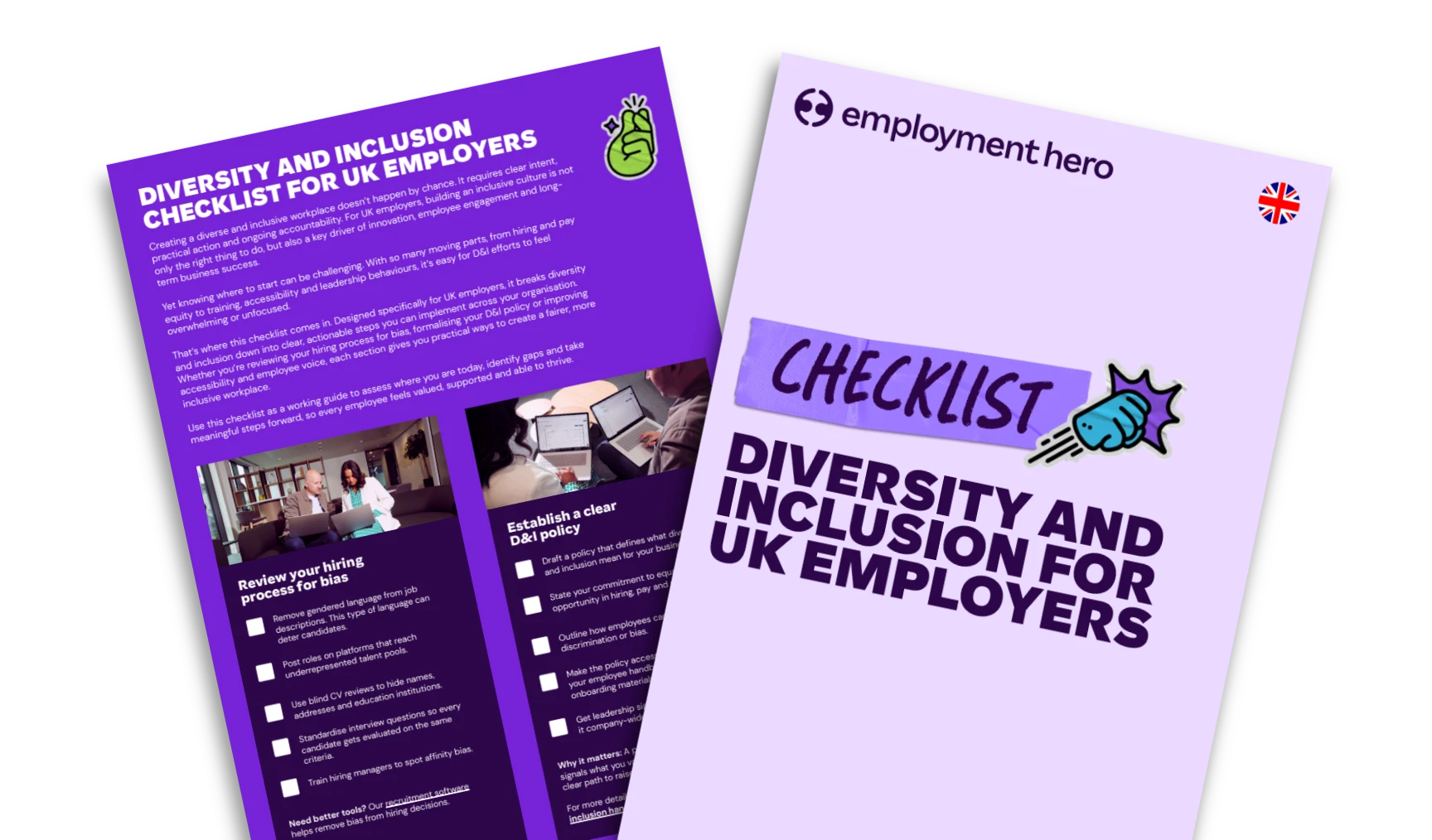 Read more: Diversity and Inclusion Checklist for UK Employers
Diversity and Inclusion Checklist for UK Employers
Create a truly inclusive environment with our diversity and inclusion checklist.
-
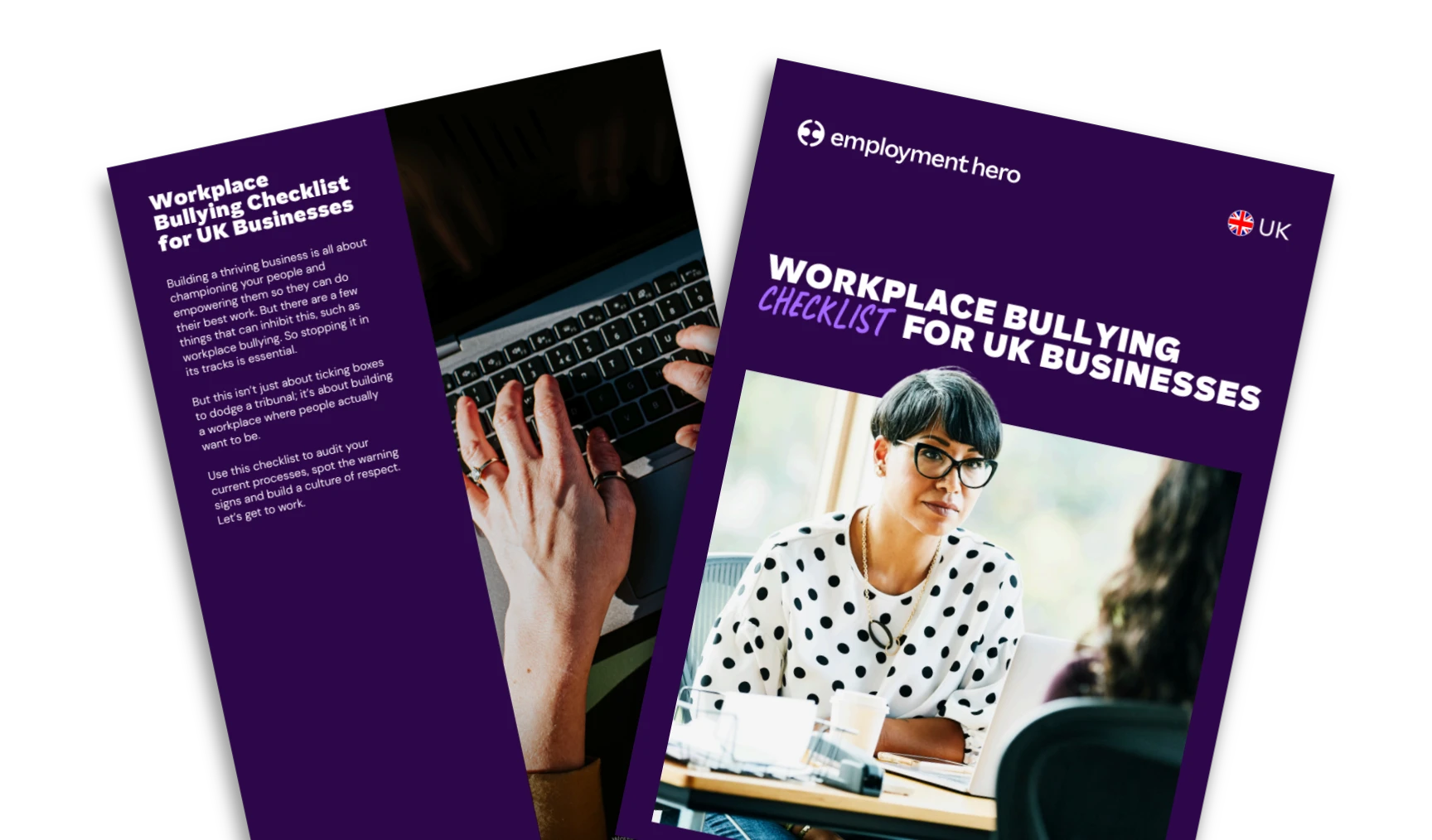 Read more: Workplace Bullying Checklist for UK Businesses
Workplace Bullying Checklist for UK Businesses
Are your employees protected from workplace bullying? Review your processes and learn how to handle arising issues with this checklist.
-
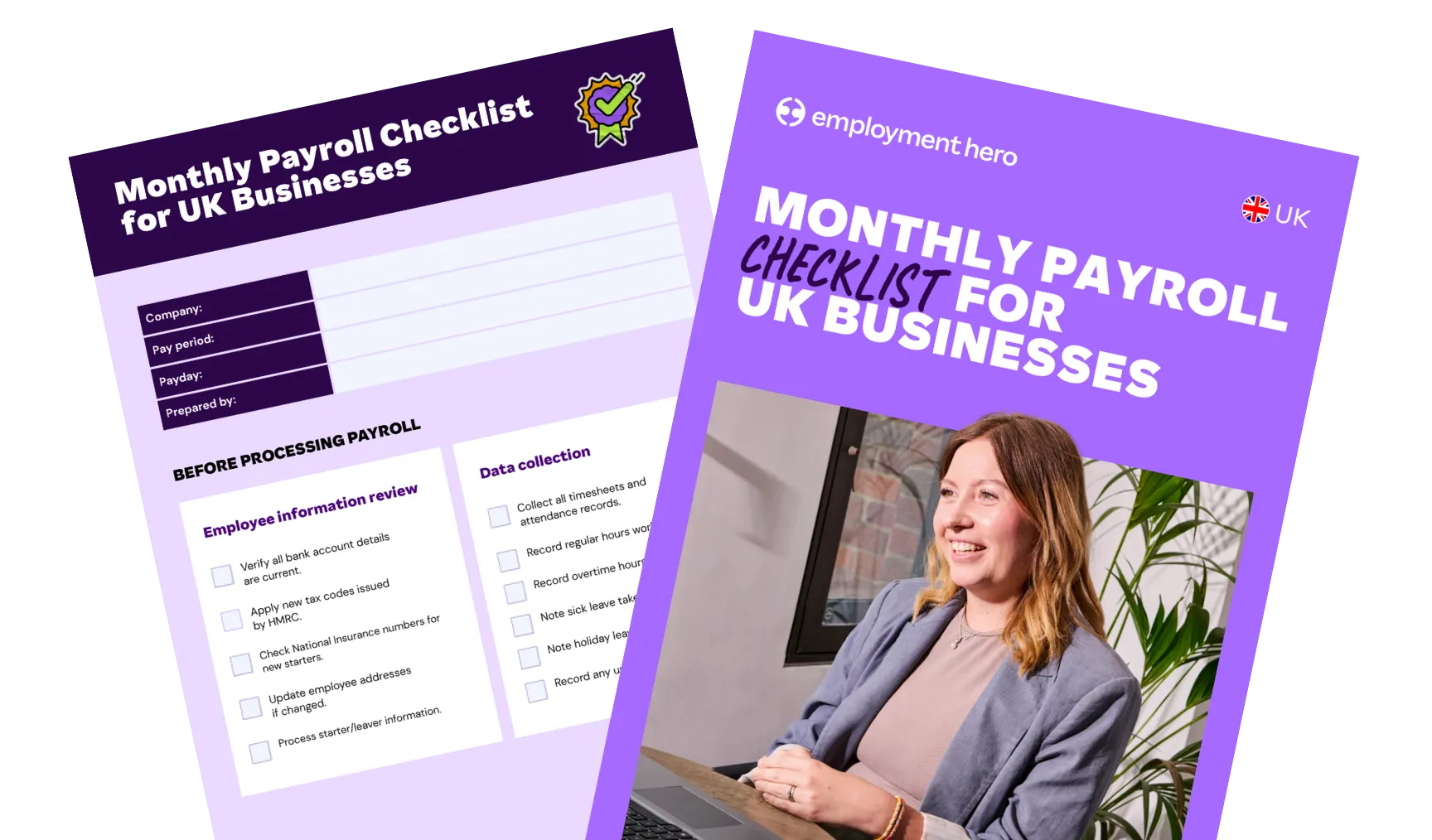 Read more: Monthly Payroll Checklist for UK Businesses
Monthly Payroll Checklist for UK Businesses
Manage your payroll processing with our monthly checklist. Streamline your tasks and improve efficiency.

