













Small businesses are showing that real success isn’t measured in billions and growth doesn’t have to mean getting bigger.
The business playbook says growth equals scale: open more locations, hire more staff, turn an SME into an empire. But what if expansion isn’t the goal? What does growth look like when scale doesn’t equal success?
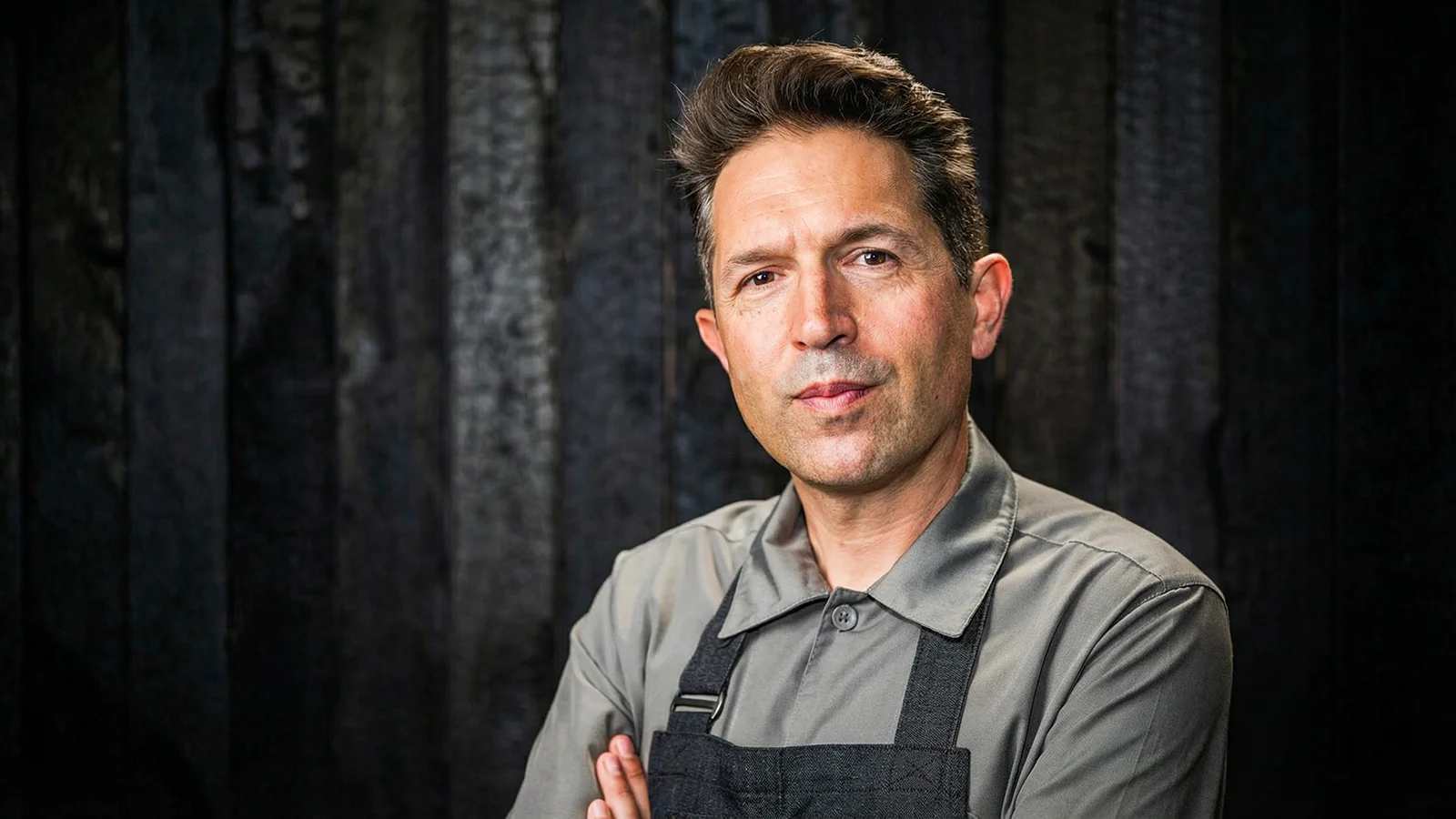
Renowned chef, Ben Shewry, has spent two decades building Attica into Australia’s most acclaimed restaurant – repeatedly named among the world’s best eateries for its inventive modern Australian cuisine. So sought after is the $385 degustation menu, tables are booked three months in advance. But despite demand, there’s no plan for a second location. The only scale in this business is in the kitchen.
“I don’t really get the fascination with rampant expansion,” Shewry explains. “I really like doing this business. And how much is enough money? Do you know what I mean?”
Shewry’s mindset aligns with what’s known as the growth paradox, where the realities of growing a small business clash with the things that made the business work in the first place. While some owners view this as a challenge to overcome, Shewry sees it as a reason to stay the course. He’s redefined his concept of growth for his business, with lessons that can be applied beyond hospitality.
The Maths Can Be Hard For A Hands-on Owner To Ignore
Glance at the annual list of the World’s Best 50 Restaurants – in which Attica has been included 7 times – and you’ll generally see only stand-alone ventures. These luxury brands are rarely replicated or franchised, Nobu being a rare exception. The artisanal nature of their food means they can’t be compared to billion-dollar success stories at the other end of the market, like Guzman Y Gomez and Zambrero, or even the hot up-and-comer El Jannah. Some of Australia’s top eateries are flagships in larger groups of more casual outlets, like Sydney’s Quay. But even this business model does not appeal to Shewry.
“If I had two venues, then I’m 50 per cent less here immediately,” he points out. “It’s probably less than that, because I have other things that I have to do, like family, like children. So, it’s probably more like I’m there 30 per cent.”
He thinks the impact would be amplified by the fact his business was built around a culture of excellence and wellbeing with himself at the centre. “Nobody can convince me that the quality doesn’t deteriorate because of that decision. That’s just simple business, right? I don’t feel the need to open multiple other venues.”
Shewry says before setting expansion goals, an owner must think deeply about their business: are they the secret sauce or is something else driving success that could be replicated elsewhere?
Shewry is confident Attica needs more than 30 per cent of his energy and vice versa. “I’m so embedded in doing this each day, and I have such a tremendous group of people to do it with. I honestly wake up every day looking forward to seeing them.”
Despite The Pressure, There’s No Need To Rush
Alongside the expectation to scale a small business comes pressure to do it fast and not just because hospitality is a dynamic sector.
“Everyone is in such a rush today,” Shewry laments. “I think social media drives that a little bit as well, that sort of envy and jealousy and ‘I need to be somewhere else in my life.’” These people are inevitably young and cause him to reflect on his own background, growing up in New Zealand, without much money, and with a passion for punk music and skateboarding. “Realistically, I think I wasn’t an owner until I was 38 or 39 and that was plenty early enough looking at it now.” In reality, even that is young, with the average age of SME owners in Australia now sitting at 50.
Shewry says becoming a business owner in mid-life has its advantages. “If I’d come into this business at 45, I’d feel pretty good about my life experience and skills and my ability to hold this all together, and the stress and the anxiety sometimes that business will put you through.” He believes he couldn’t have created his team culture if he’d started earlier. “My understanding of managing people, I didn’t develop until probably my late 30s, early 40s, just because I don’t think I had the life experiences to do so before that.”
His advice: withstand the pressure – external or internal – to walk before you can run. “Just start small and be patient and try to build something. It’s a bloody long life, you know. What’s the rush?”

It Pays To Go It Alone If You Can Afford It
Another benefit of starting small, Shewry says, is you’re more likely to own both your business and your vision. “Really try to do it without an investor,” he says bluntly. “A lot of restaurants have opened up in the last 10 years to the tune of $10-15 million – it’s not necessary. Humble yourself, start small and see if you can build something. Put your house on the line, if that’s what you want to do. It’s what I’ve done.”
Shewry acknowledges financial independence is out of reach for many owners but recommends weighing up the cost of control if the thing being questioned is a competitive advantage.
“Kylie, my wife, and I are the owners of the company and if our labour cost is 55 cents, so be it. We can choose to spend that much. But if we had investors, they would sure as hell be going, ‘Jesus, you’re about 20 per cent above where you should be on labour, your costs are out of control.’ And I’d be, like, ‘No, costs are not out of control. Everybody’s working very hard. It’s just what it costs to do this business.’”
You Can Grow Out Instead of Scaling Up
While Shewry is adamant he doesn’t need an empire to consider his business successful, he has embraced opportunities he says amplify the Attica brand without diluting it.
During the pandemic, he had no choice but to pivot – hurriedly turning out lasagnes and an at-home version of his famous gourmet menu, often delivered personally, to keep the business float and staff employed. Since then, he’s been able to be more deliberate with his choices. He has become a keynote speaker, a product consultant, and a writer, sharing food, culture and business wisdom in his book, Uses For Obsession. “There’s all these different jobs, other than just cooking. I’ve evolved that naturally so that I can have longevity in this.”
Attica itself will also evolve but any changes will be incremental. Shewry’s approach to problem-solving is deliberate and methodical. “Changing the world is about changing small things, not big things. Small things add up to become big things. People just need to start one with one issue, one thing that they’d like to solve and embed it. So, it’s one at a time.”
While he tries to avoid perfectionism, Shewry’s ultimate goal is clear. “I want to protect this one beautiful thing that we’ve made long-term.”