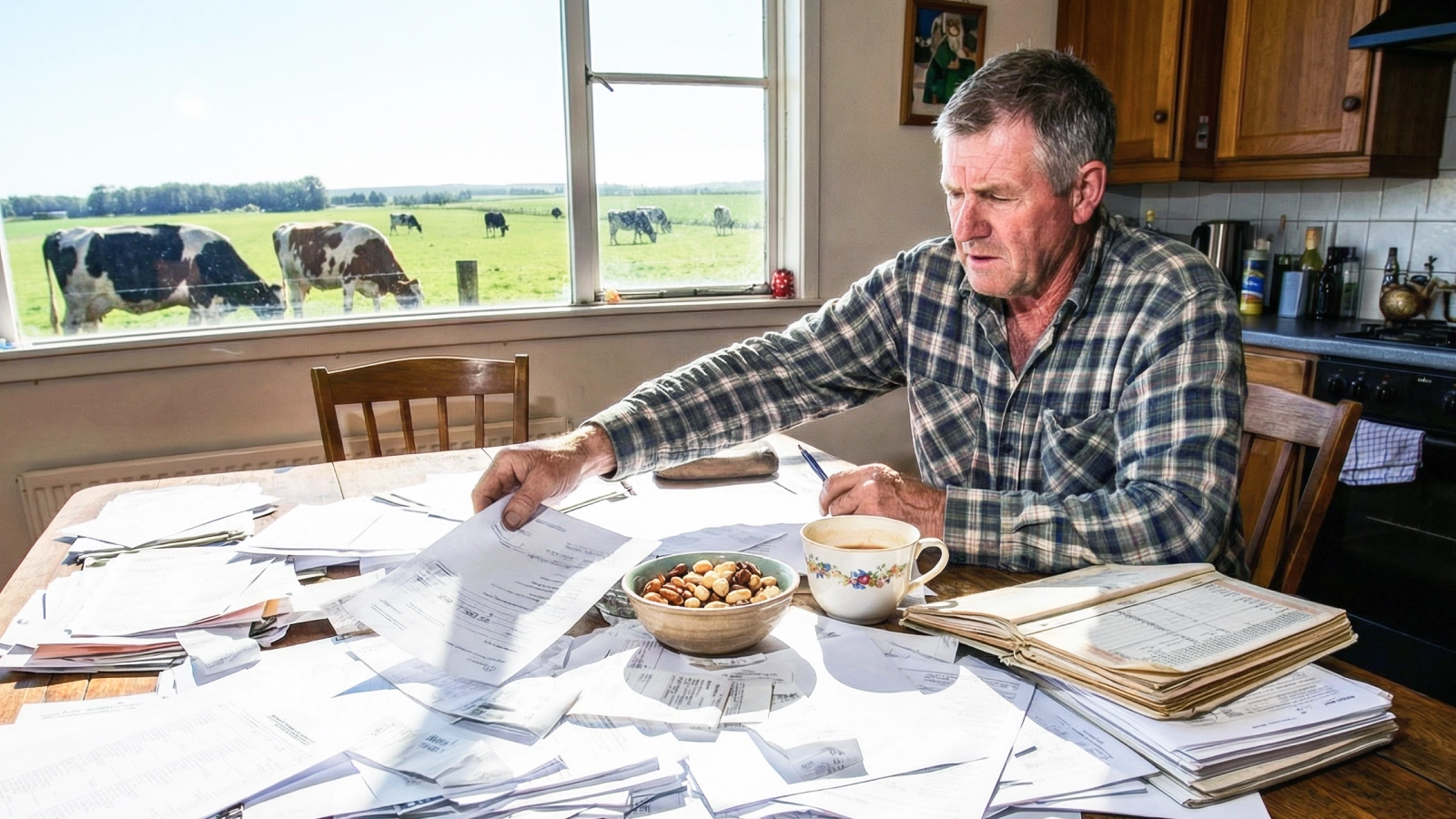















The Reserve Bank of New Zealand has warned that the Middle East conflict will drive near-term inflation higher, squeezing business costs during an already fragile economic recovery.
The warning, delivered by the RBNZ Governor in a public address on 24 March, comes as annual inflation sits at 3.1 per cent, already above the central bank’s target band. With fuel, fertiliser, and broader input costs rising, employers face a cost squeeze made worse by weak consumer demand. The BusinessNZ Planning Forecast, released the same day, reflects cautious business sentiment heading into the shock.
The Governor acknowledged the bind facing business owners directly, noting it will be “difficult for businesses to pass those costs on to consumers” given current demand conditions. The central bank is now watching closely for signs that rising costs feed through into wage demands, a dynamic that could force interest rate hikes and tighten conditions further for indebted businesses.
Rising Costs Hit an Economy With Little Room to Absorb Them
Unlike the post-COVID inflation episode, when strong demand and high household savings provided a buffer, the current shock hits an economy carrying spare capacity, a weak labour market, and cautious consumers.
The Governor noted that the recovery is “broadening” across sectors but remains fragile. Treasury’s worst-case modelling suggests inflation could reach 3.7 per cent, well above the RBNZ’s target band.
“Households should feel very comfortable that over the medium term inflation will be low and stable,” the Governor said. But with inflation already sitting at 3.1 per cent, the gap between that reassurance and the lived experience of rising costs is notable for employers managing tight margins.
The BusinessNZ Planning Forecast provides further context, with business confidence indicators reflecting caution even before the latest geopolitical escalation registered in the data. For SME owners, the combination of climbing input costs and subdued demand creates a margin problem with no obvious short-term relief.
The Wage-Price Spiral Warning Employers Cannot Ignore
The RBNZ’s most pointed message for employers centres on what it calls “second round effects,” the risk that rising living costs trigger wage demands that embed inflation across the economy.
The Governor was explicit on the consequences. If inflation expectations become “deanchored” or a wage-price spiral emerges, the central bank will respond with interest rate hikes. For businesses carrying debt, that would compound the cost squeeze already underway.
“For those businesses who have the ability to see through temporary cost pressures, that would be really welcome in the longer run,” the Governor said.
The comment amounts to a direct signal that the RBNZ views employer pricing and wage decisions as critical to whether this inflationary episode stays temporary or becomes structural.
For SME owners reviewing compensation, this creates a delicate balancing act. Employees facing higher living costs will inevitably seek relief. But broad-based wage increases that outpace productivity risk triggering exactly the monetary policy response the RBNZ has flagged. Businesses that lack clear visibility over their current labour costs and payroll accuracy may find themselves making wage decisions based on incomplete data, a risk that grows when margins are already under pressure.
Interest Rates Could Move in Either Direction
With the Official Cash Rate sitting at 2.25 per cent, the Governor refused to rule out either hikes or cuts at upcoming decisions. Market pricing currently suggests 75 basis points of hikes by year-end, though the RBNZ cautioned that low liquidity in financial markets may be distorting those signals.
The Governor described the central bank’s task as determining whether cost pressures prove “temporary” or are becoming embedded. That determination will hinge on incoming data over the next several months.
“We need to be really careful that we don’t overreact to what could be a temporary shock,” the Governor said during the press conference, while stressing the bank stands ready to act if inflation broadens.
The two-way risk on interest rates means business plans built on a single assumption, whether rates fall further or stay flat, may prove inadequate. Employers carrying variable-rate debt or planning to take on new borrowing face particular uncertainty.
Practical Steps for NZ Employers Navigating the Squeeze
The RBNZ’s warning shifts the planning environment for New Zealand SMEs in several concrete ways.
Reviewing current cost structures and margins is an immediate priority. The Governor’s acknowledgment that firms face “somewhat higher cost pressures” from fuel and fertiliser means input costs are unlikely to ease quickly.
Auditing payroll and compensation data before making any wage-related decisions becomes critical when every dollar counts. Inaccurate payroll or unclear labour cost data can lead to decisions that either overshoot budgets or undershoot employee expectations, both costly outcomes in a margin-constrained environment.
Stress-testing business plans against both rate-hike and rate-cut scenarios is prudent given the RBNZ’s refusal to signal a direction. Ensuring workforce planning is driven by data rather than reaction helps employers avoid cutting too deep or hiring too late as conditions shift.
The next RBNZ monetary policy decision is scheduled for 8 April 2026, with a full forecast update to follow in May. Both dates represent critical milestones for employers planning investments, expansions, or staffing changes. The months ahead will test whether New Zealand’s recovery can absorb an external shock without triggering the inflationary feedback loop the central bank is working to prevent.