














At the 2026 Winter Olympics in Italy, French figure skating coach and choreographer Benoit Richaud has officially gone viral. The 38-year-old from Avignon has become a global talking point not for a single performance, but for his wardrobe.
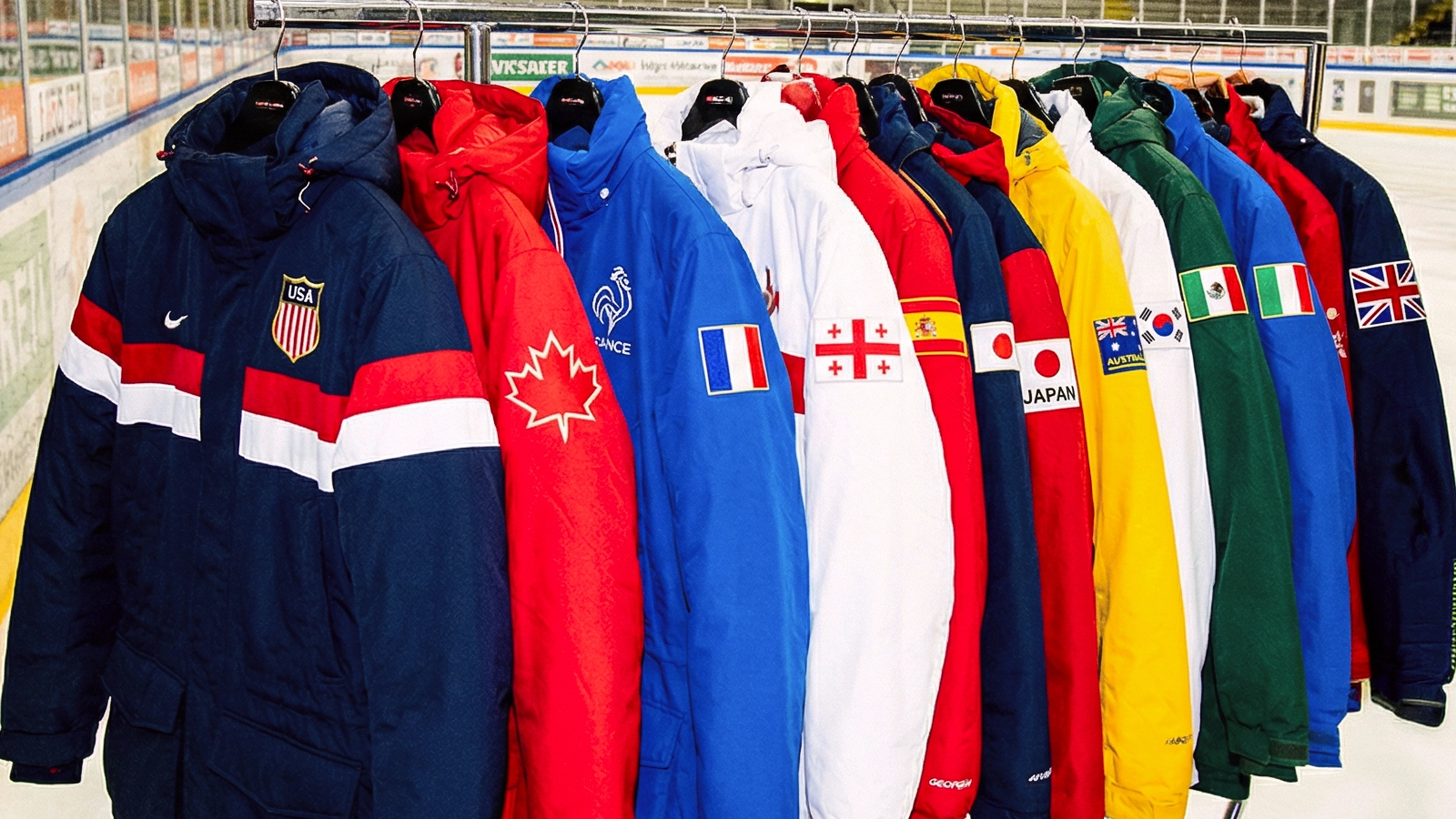
In a sport traditionally defined by national loyalty, Richaud has been photographed in a frantic cycle of outfit changes, swapping the team jackets of France, Georgia, the USA and Mexico as he guides a staggering 16 skaters representing 13 different nations across the ice.
Richaud embodiesa tectonic shift in how we work. He may very well be the world’s most successful fractional worker: a professional who doesn’t belong to one “team” but provides elite, specialised expertise to a portfolio of clients simultaneously.
While Richaud’s “multi-jacket” model is on display at the Olympic level, the data shows that this “fractionalisation” is becoming the default for the broader workforce. According to the Australian Bureau of Statistics September 2025 Labour Account, the multiple job-holding rate has sustained an all-time high of 6.5%, with secondary jobs increasing by 3.8% in the last quarter alone.
This isn’t just gig work. It’s reshaping high-level professional services.The Frak Conference’s State of Fractional Industry Report (late 2025) indicates that the fractional leadership market has doubled in the last two years, now encompassing over 120,000 professionals globally.
Businesses aren’t looking for one person to do everything. They’re looking for specialists they can bring in for 10 hours a month to solve high-stakes problems.
The primary reason a single individual can now manage 16 Olympic-level athletes, or 16 corporate clients, is the integration of AI. In the past, the administrative burden of such a portfolio would lead to immediate burnout. Today, AI handles the operational weight.
“The role of AI in this new labour market can’t be overstated,” says Russel Dias, Project Manager for AI at Employment Hero. “We’re moving into an era where AI tools help people manage multiple roles at once. It’s not just job-hopping. It’s building a portfolio career. AI handles the admin so specialists can focus on delivering real value.”
This is backed by OECD data (early 2026), which shows that 41.1% of people in employment are now regularly using generative AI tools to augment their work. For the elite fractional worker, AI is a force multiplier, handling data analysis and scheduling while leaving the human free to focus on the emotional nuance of choreography or strategy.
The data from Employment Hero’s 2025 Jobs Report paints a picture of a labor market that is reshaping, not shrinking. While hiring remains resilient, average hours per job are dipping as SMEs opt for a more modular workforce. Government data from Jobs and Skills Australia (May 2025) further notes that nearly 1-in-10 workers in service-heavy sectors are now multiple job-holders.
We are seeing a new class of professional emerge. The ‘High-Value Fractional Worker’, like Richaud, uses AI to maintain a premium price point across a diverse client base. The ‘Flexible Multi-Tasker’, who the ABS cites as the most likely to hold multiple roles at 8.2%, are using flexibility to hedge against economic volatility.
Benoit Richaud’s performance in Milan is more than a quirk of the 2026 Games; it’s a preview of the next decade of employment. Whether you’re on the ice or in the boardroom, the goal is no longer to find one “jacket” that fits for life, but to be the person who can wear 13 of them and still deliver gold for every team.