 Australia
  United Kingdom
  Singapore
  Malaysia
  Canada (Français)
 New Zealand

What NZ startup founders are really saying about hiring, scaling and AI: a discussion with Caffeine
Contents
Founders are often more candid around a table than they are on a stage. When the room is full of people navigating the same challenges, the conversation goes deep, fast.
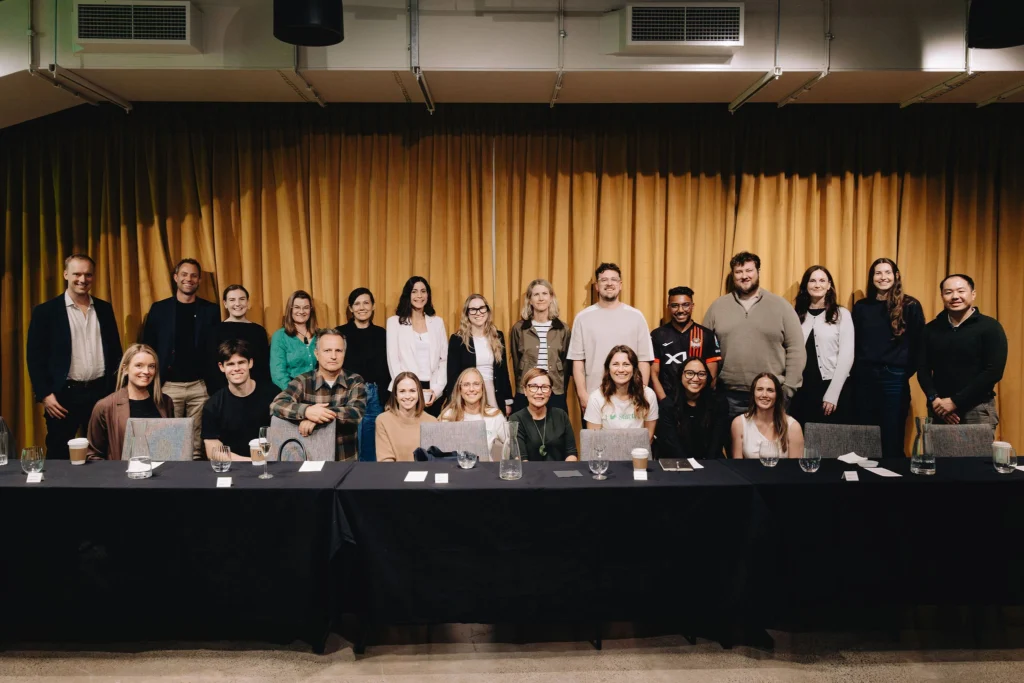
That’s the thinking behind Employment Hero’s partnership with Caffeine, New Zealand’s content and community platform for the startup ecosystem. It aims to accelerate Aotearoa’s startup community by capturing and sharing real lessons from the people living them.
Here at Employment Hero, we work with thousands of Kiwi businesses at exactly the growth stages Caffeine’s community is navigating. Bringing the two communities together made a lot of sense so on 19 May in Auckland, we did just that.
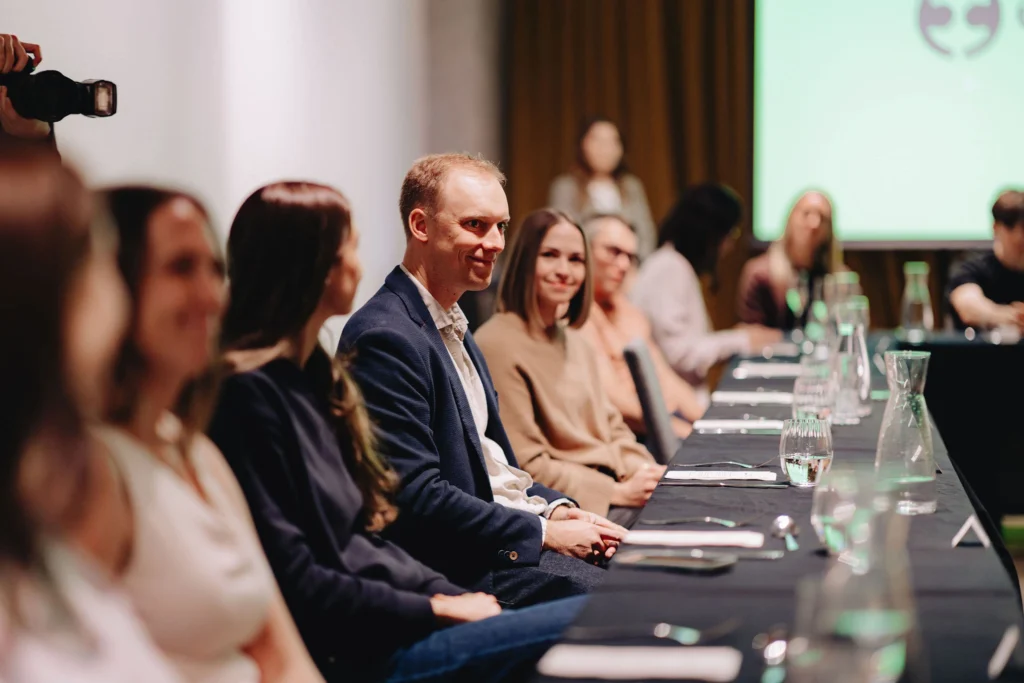
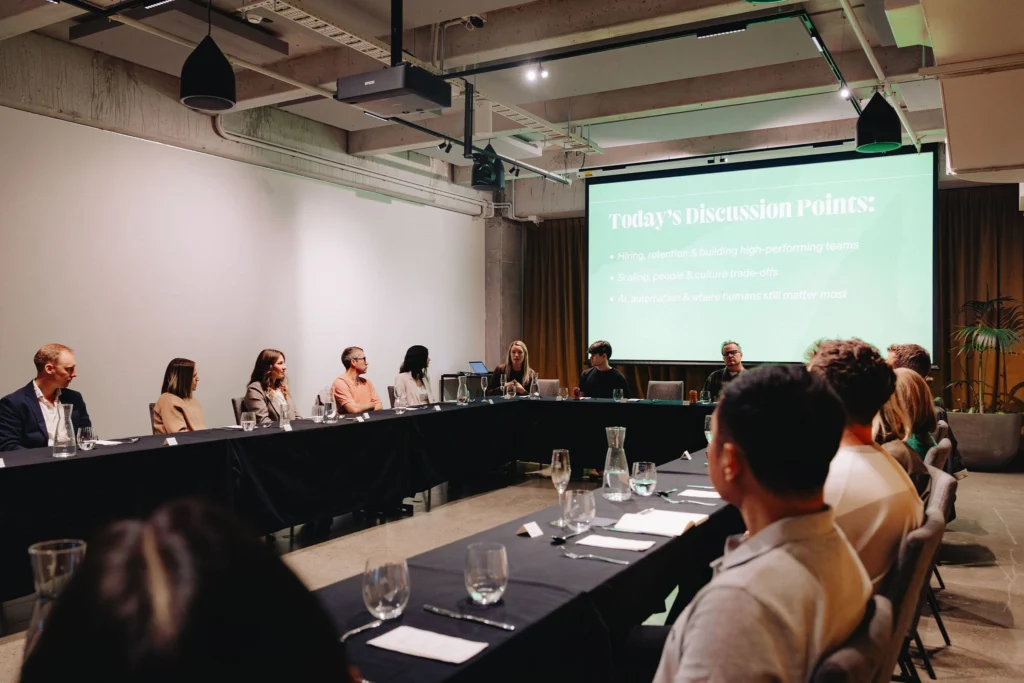
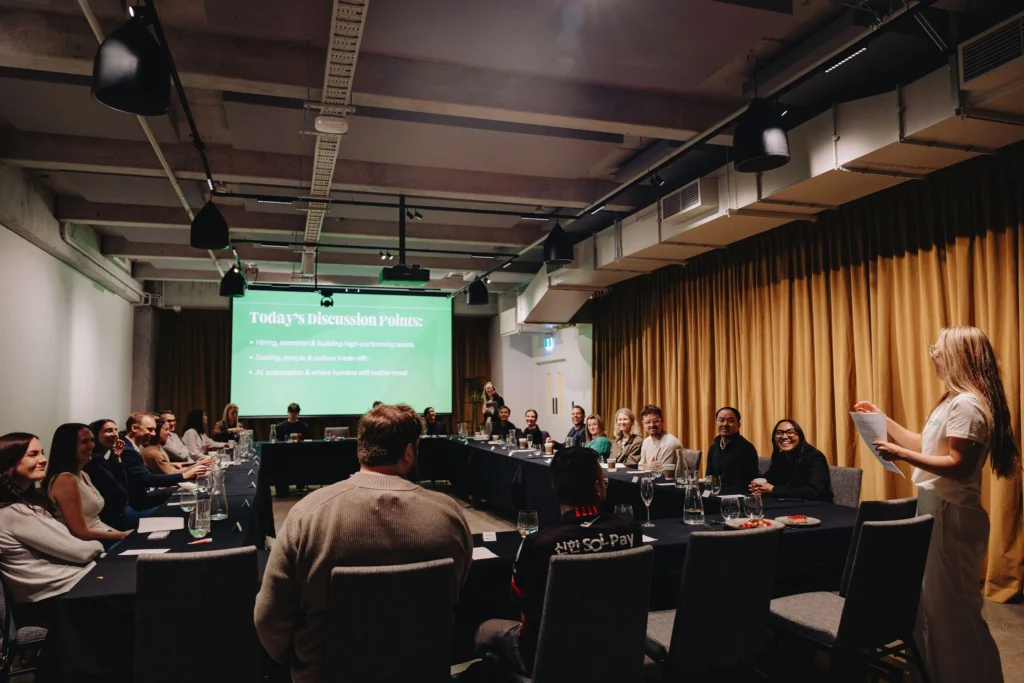
Founders, operators and people and culture leaders from across the startup ecosystem joined Employment Hero’s APAC Managing Director, James Keene, for an open conversation about hiring, scaling teams and figuring out where AI fits into all of it. Rather than polished success stories, the room leaned into the messy stuff. Here’s what came out of it.
Traditional hiring is no longer enough, startup founders and leaders are fixing it themselves
A big theme early on was how badly conventional hiring processes perform in startup environments. Founders around the room had all experienced it: someone who looked great on paper, interviewed well and then struggled once the pace and ambiguity of startup life kicked in.
Several founders had responded by ditching CVs and interviews almost entirely in favour of testing candidates in real conditions. Leaders in the room emphasised the value of live working sessions and placing candidates directly into real product discussions with existing team members to observe how they communicated, asked questions and handled uncertainty. Technical ability mattered less than how people thought and whether they naturally oriented toward outcomes, rather than just tasks.
Culture fit matters, but so does knowing what your business actually needs
There was an honest conversation about the risk of “vibe checks” quietly filtering out people who could bring genuinely valuable alternative perspectives. Cohesive teams are worth building but teams that all think the same way tend to stop challenging each other in the ways that matter.
Most founders build too much process, too early
Almost every version of the scaling-too-fast story came up during the session. Some businesses had built polished internal processes to appear more mature or organised, only to find those same processes slowing them down six months later. Others had grown so quickly that systems couldn’t keep up and had to be thrown out and rebuilt from scratch.
The recurring theme the room kept returning to was straightforward: done is better than perfect. Startups often overcomplicate documentation, approvals and systems when speed and iteration are far more valuable. The businesses navigating growth well were the ones willing to build what they needed now, rather than what they imagined they might need later.
AI is already embedded in how these businesses run
Most businesses in the room were already using AI but the conversation that generated the most energy wasn’t about which tools people had adopted. It was about where founders were actively choosing not to rely on them.
Several leaders said they now ask candidates specifically where they chose human judgement over automation during hiring assessments, because that reveals far more about critical thinking than a polished AI-assisted submission does.
The concern across the room wasn’t really about AI replacing jobs in the near term. It was about how it will reshape what organisations look like and what they expect from people over the next few years.
Scaling a business is emotionally heavier than most talk about publicly
The thread that ran underneath the whole conversation was one that rarely makes it into polished PR narratives.
Employment Hero’s James Keene shared our company’s own experience of cultural drift during rapid remote growth. Scaling from a 100-person office-based business to a fully remote global organisation during COVID opened up access to incredible talent but it also gradually changed how the business operated. People hired from structured corporate environments unintentionally brought those habits with them. Decisions slowed, processes multiplied and eventually the business had to consciously rebuild aspects of the culture that had originally made it work.
It was a candid moment that clearly connected with a room full of founders navigating their own versions of the same challenge.
The strongest takeaway from the day wasn’t a tactic or a framework. It was just the value of being in a room where people are willing to say what’s actually hard. If you’re a Kiwi founder, or a people and culture leader thinking through hiring, scaling or people operations, Employment Hero works with businesses at every stage of that journey. We’d love to talk.
Related Resources
-
 Read more: From Admin to Impact: How AI is Reshaping HR
From Admin to Impact: How AI is Reshaping HR
Join Employment Hero’s free International HR Day webinar, 21 May. Hear how AI is helping NZ HR teams cut admin…
-
 Read more: How to secure executive sign-off on new people technology
How to secure executive sign-off on new people technology
Get clear, confident answers to leadership’s toughest questions about bringing in new technology. Address risk, strategy, cost, and workforce decisions.
-
 Read more: Leading Through Change: Employer’s Guide to Restructures & Redundancies
Leading Through Change: Employer’s Guide to Restructures & Redundancies
Learn how to navigate restructures and redundancies. Employment Hero’s Employment Counsel walks you through process, obligations and common pitfalls.


