 Australia
 United Kingdom
 Singapore
 Malaysia
 Canada (Français)

 New Zealand





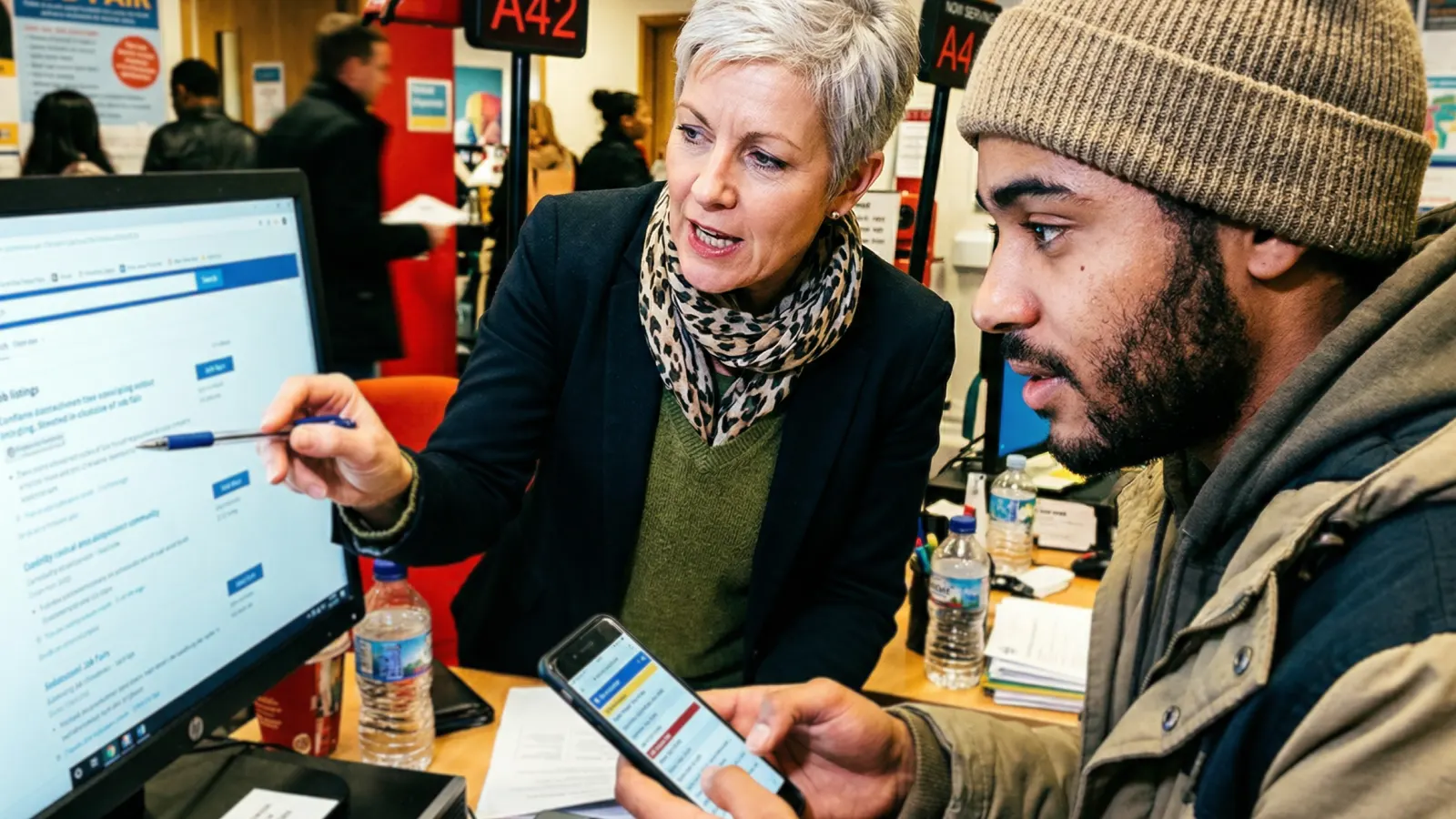
Trick or treaters aren’t the only people being spooked.
According to new research from Employment Hero, more than two in five (44 per cent) of the New Zealand work force have been ghosted whilst searching for a job.
40 per cent of the candidates reported receiving little or no feedback after not landing a role, 25 per cent have applied for a role that had already been filled or was no longer available, and around 10 per cent applied for a role that appeared to be fake or never open.
But the findings highlight a job market haunted on both sides, providing further insights into the root cause behind candidate ghosting, highlighting administration overload for hirers, and shedding light on the importance of business-employee cultural fit.
Ghosting concerns go both ways, with up to 23 per cent of Kiwi hiring managers saying they worry about candidates dropping out of the process unexpectedly and having to start again.
Two-sided issue
The findings come as both job seekers and employers face a range of recruitment quandaries, including record numbers of applicants applying for roles, outdated hiring systems and slow recruitment processes.
Employment Hero General Manager for New Zealand Neil Webster says New Zealand’s biggest recruitment challenge is a two-headed monster with candidates being ghosted while hirers feeling overwhelmed with floods of candidates and not fit for purpose AI-generated applications.
“Applicants are frustrated by long wait times whilst businesses find it hard to cope with the sheer number of applications. Add to this New Zealand’s highest unemployment level since 2015 and it creates intense pressure across the board,” he said.
Efficiency versus hirer-candidate fit
Drawn out and inefficient recruitment processes mean employers potentially miss out on potential candidates and top talent, with a fifth (20 per cent) of job seekers saying that they lose interest in a role waiting to hear back.
Similarly, 17 per cent of job seekers stopped a job application because the process took too long.
From a business perspective, 47 per cent lose good candidates because their process moves too slowly, and 46 per cent agree they spend too much time reviewing applications and co-ordinating interviews.
Webster added that better recruitment is about making the process work for both sides.
“Technology helps take some of that pressure off, freeing up time for the conversations and connections that matter because behind every application and vacancy is a person looking for the right fit.”