 Australia
  New Zealand
  United Kingdom
  Singapore
  Malaysia
  Canada (Français)















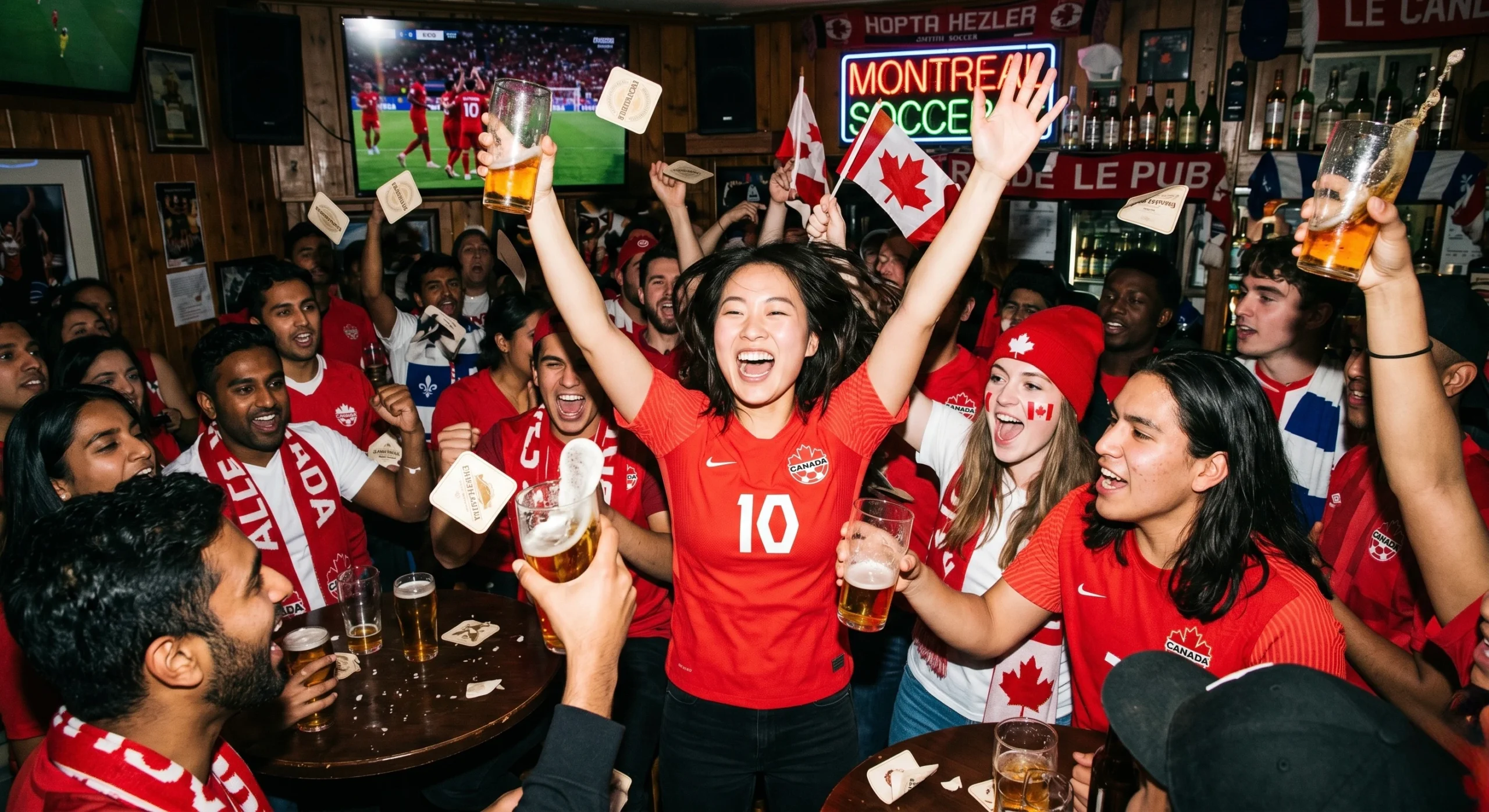
Canadians are ready to flood local bars, pubs and independent eateries to cheer on the national team this summer, but a widening gap between foot traffic and actual profitability means small business owners face an uphill battle to convert soccer fever into tangible revenue. The excitement surrounding the tournament is palpable across the country, yet the reality on the ground for hospitality operators is shaped by a tough economic landscape that makes scaling up for major events a risky venture.
The 2026 Small Business Pulse by Merchant Growth (reported by Business Wire) reveals that one in five Canadians (22%) plan to watch World Cup matches at a locally or independently owned business. That represents a massive vote of confidence for the neighbourhood pub, with consumers 11 times more likely to support local spots over national chains or large corporate venues. Yet despite this wave of local loyalty, a parallel study by Merchant Growth shows that 58% of small business owners expect the tournament to have absolutely no impact on their revenue compared to a typical summer. It’s a striking disconnect that highlights just how severely rising operational costs are squeezing Canada’s small business sector, preventing them from turning high consumer interest into cash in the bank.
High overhead eats into the tournament’s economic promise
For independent restaurateurs and pub owners, the excitement of hosting packed houses for the matches is being overshadowed by tight margins. The desire to welcome soccer fans requires upfront investments in extra inventory, extended operating hours, specialized marketing and increased staffing, which many owners are hesitant to take on in the current economic climate. Without the deep pockets of national franchises, independent operators have to be incredibly strategic about every single dollar they spend ahead of the opening whistle.
“The World Cup is a major economic moment, but it’s not going to benefit every small business equally,” says KJ Lee, CEO of Employment Hero Canada. “On the other hand, businesses with the right location, staffing and cash flow may be able to turn increased consumer activity into revenue.”
The reality for many independent operators is that overhead inflation has outpaced what they can reasonably charge on the food menu. With labour costs, commercial rents and food supplies remaining stubbornly high, filling tables no longer automatically translates to a healthy bottom line. This has forced small businesses to be incredibly cautious about scaling up their operations ahead of the summer rush, as the risk of over-scheduling staff or over-ordering stock could easily push a profitable game day into the red. Many owners feel they’re walking a tightrope between missing out on a historic crowd and hurting their financial stability.
Generational spending patterns reveal lucrative targets for owners
While business owners are understandably worried about margins, the data shows that Canadians aren’t planning to skip out on the bill when they head out to watch the games. Fans who plan to watch the tournament outside the home expect to spend an average of $52 per visit on food and drinks, though how much hits the cash register depends largely on which demographic walks through the door. This variation gives operators a clear roadmap for where to focus their energy.
A closer look at generational spending habits shows a clear opportunity for businesses to target their marketing efforts to maximize returns:
- Generation X: Leading the pack with the highest expected spending at an average of $60 per visit.
- Baby Boomers: Following closely behind, planning to shell out an average of $56 per visit.
- Millennials: Landing right near the national average at $51 per visit.
- Generation Z: Budgeting the least for their World Cup outings at an average of $41 per visit.
For local venues that naturally attract older demographics like Gen X and Boomers, the revenue potential per table is significantly higher. Business owners who tailor their promotions, viewing environments, seating arrangements and premium menu offerings to these bigger spenders will be much better positioned to offset their high operating costs. It’s about working smarter, not just harder, to ensure that the patrons taking up space during a three-hour match are contributing meaningfully to the business survival.
High consumer demand collides with defensive financial planning
The spending data highlights a fundamental structural challenge, as the $19 gap between the highest-spending Generation X and lowest-spending Generation Z indicates that consumer traffic will not yield uniform returns across commercial spaces. While an overwhelming 22% of Canadians are actively choosing independent establishments over corporate chains, the operational reality of handling this foot traffic amid high overhead inflation has forced business operators to adopt a defensive posture. The data shows that the sheer volume of anticipated patrons is directly colliding with the reality of tight commercial margins.
The Angus Reid and Merchant Growth metrics together show that rather than triggering aggressive expansion or widespread seasonal hiring, the tournament is driving small business owners to prioritize cash flow preservation over speculative growth. Because full tables do not automatically guarantee profitability when offset by high food, drink and operating costs, business owners are leaning into strict operational caution. Ultimately, the data indicate that the economic success of the tournament will not be measured by general consumer attendance, but by whether independent operators can keep their overhead low enough to let those $52 average visits flow directly into net revenue.