 Australia
  New Zealand
  United Kingdom
  Singapore
  Malaysia
  Canada (Français)















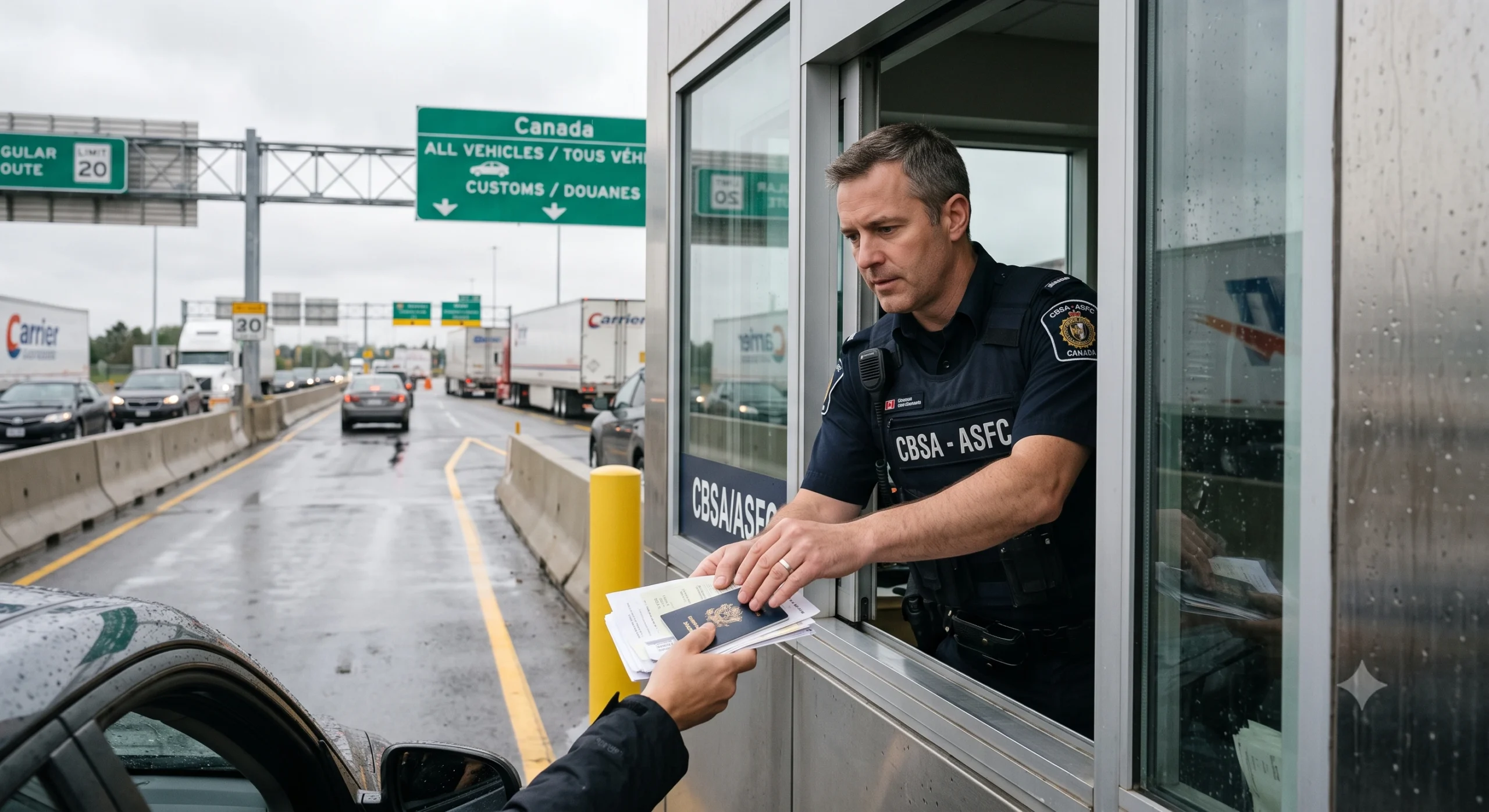
The long-awaited Gordie Howe International Bridge officially opened to vehicle traffic today, according to a CBC News article, providing a critical new freight link for Canadian exporters despite mounting diplomatic friction and tariff threats from Washington.
Connecting Windsor, Ont. and Detroit, Mich., the $6.4-billion, six-lane cable-stayed crossing gives small and medium-sized businesses (SMBs) a vital secondary route along North America’s busiest commercial land corridor. While the physical infrastructure offers long-term relief to regional logistics networks, ongoing trade disputes have overshadowed the launch. Canadian officials held a solitary ceremonial gathering on July 24 near the customs inspection booths on the Canadian side, cancelling a planned joint international event after Washington threatened new 50% tariffs on Canadian products. Members of the Howe family and a commercial truck from Tecumseh-based Onfreight Logistics were among the first to cross the span ahead of the public traffic rollout today, whilst pedestrians and cyclists will gain access to the multi-use path on Aug. 5.
Revenue disputes and tariff threats overshadow long-awaited launch
Construction on the mega-project began in 2018 to alleviate severe bottlenecks at the nearby, century-old Ambassador Bridge, which previously carried over 70% of Canadian exports entering American markets. The Ambassador Bridge has long served as a major pain point for heavy commercial transport moving between Southwestern Ontario and Michigan.
Financial negotiations between federal authorities postponed the bridge’s planned June opening. Ottawa initially planned to recover full construction costs through toll collection before sharing profits. Following pressure from U.S. President Donald Trump, who demanded ownership shares and compensation, Canada agreed to split net crossing revenues with the U.S. for the first 15 years of operation.
Tensions escalated further after Washington announced proposed 50% levies targeting Canadian rules on automobiles, supply-managed dairy products and provincial bans on American alcohol. Infrastructure Minister Gregor Robertson’s office confirmed that hosting a joint celebration was inappropriate given the sudden trade actions. Prime Minister Mark Carney noted Canada remains committed to free trade, whilst Ontario Premier Doug Ford urged federal leaders to negotiate from a position of economic strength.
Despite political disputes, logistics companies and small business employers across Southwestern Ontario are actively integrating the route into their supply chain operations. The new bridge features dedicated commercial truck lanes and 60 customs screening booths across both borders designed to eliminate multi-hour queues. Standard passenger vehicle tolls are set at $8 ($5.75 US), with commercial trucks charged $12 ($8.75 US) per axle.
Supply chain relief for Canadian small and medium business employers
Physical infrastructure directly shapes daily operational planning, freight expenses and staffing stability for small and medium-sized enterprises across the province. Persistent border congestion hasn’t just delayed shipments; it’s forced transport and manufacturing employers to hold expensive buffer stock and absorb unpredictable freight costs. “Cross-border trade isn’t just about large multi-nationals, it’s the lifeblood of thousands of Canadian SMBs.” Says Chris Pinkerton, Managing Director at Employment Hero Canada. “When border infrastructure runs smoothly, it’s much easier for small employers to manage supply chains predictably, keep freight costs under control and maintain stable staffing schedules without emergency overtime.”
The addition of the new span expands total border crossing capacity between Windsor and Detroit by nearly 50%. Logistics operators expect reduced transit times’ll deliver immediate operational advantages to auto parts manufacturers, agricultural producers and retail freight distributors operating across Southwestern Ontario.
Labour market stability hinges on predictable trade channels
The opening arrives at a critical junction for Canadian employers balancing shifting international trade policies. With the U.S. acting as Canada’s primary trading partner, reliable physical infrastructure offers a cushion for business owners navigating broader economic volatility.
Data shows transport and warehousing employment in Canada experienced minor shifts, down –0.2% MoM as employers adjusted to changing freight requirements. At the same time, trade-exposed manufacturing sectors remained resilient, with overall employment holding steady, up +0.5% YoY despite elevated border scrutiny.
Small business owners who rely on cross-border logistics are tracking federal trade discussions closely to gauge how potential tariffs might impact order volumes in the coming months. The physical completion of the bridge guarantees permanent infrastructure capacity, even as diplomatic discussions continue between Ottawa and Washington.
Direct corridor connections improve long-term efficiency
Beyond immediate freight relief, the six-lane span provides a direct highway-to-highway connection between Highway 401 in Windsor and Interstate 75 in Detroit. By bypassing local municipal streets, commercial transport drivers can save valuable travel time, reduce idling emissions and cut operating expenses.
For small business employers managing tight delivery windows, predictable transit routes reduce operational risk. As federal leaders work to resolve broader trade tariffs, the completed Gordie Howe International Bridge provides essential support for long-term regional trade efficiency.