









I was looking through Team Canada’s Olympic roster recently when something struck me. Behind every name, every photo, every flag beside a sport, is a story most of us never see. Not just one of talent and training, but of early mornings, late nights and a level of personal commitment that goes far beyond what happens on the world stage.
We often talk about Olympic success as a moment: a race, a routine, a final score. But for Canadian athletes, that moment is the result of years of investment, much of it personal and unpaid, and supported by people and businesses who believe in them long before the podium is even a possibility.
This week, Mikaël Kingsbury reminded us what long-term investment can look like. The most dominant moguls skier in history captured Canada’s first gold medal of these Games in dual moguls — the fifth Olympic medal of his career. “I gave everything,” Mikaël told CBC reporters after his run. “I trusted all the work I put [in] with my team, through all the years, and skied with no regrets.”
For more than a decade, Kingsbury has been setting records, winning Crystal Globes and standing on podiums around the world. But even a career as decorated as his is built on years of training, travel, injury recovery and financial commitment long before the medal ceremony.
Different sports come with very different price tags. For some athletes, costs are relatively modest. For others, they are eye-watering. Ice time, equipment, coaching, travel, physiotherapy, sport science and competition fees add up quickly. In sports like hockey, bobsleigh or alpine skiing, annual expenses can climb into the tens of thousands of dollars. Even in less equipment-heavy disciplines, the cost of international travel alone can make high-level competition inaccessible without support.
What makes this unique in Canada is that these costs are often incurred without a guarantee of return. Athletes invest year after year knowing that only a handful will ever reach the Olympics, fewer still will medal and most will never see a direct financial payoff for their efforts. That doesn’t stop them. They keep going because the goal matters.
The true cost of training for Team Canada athletes
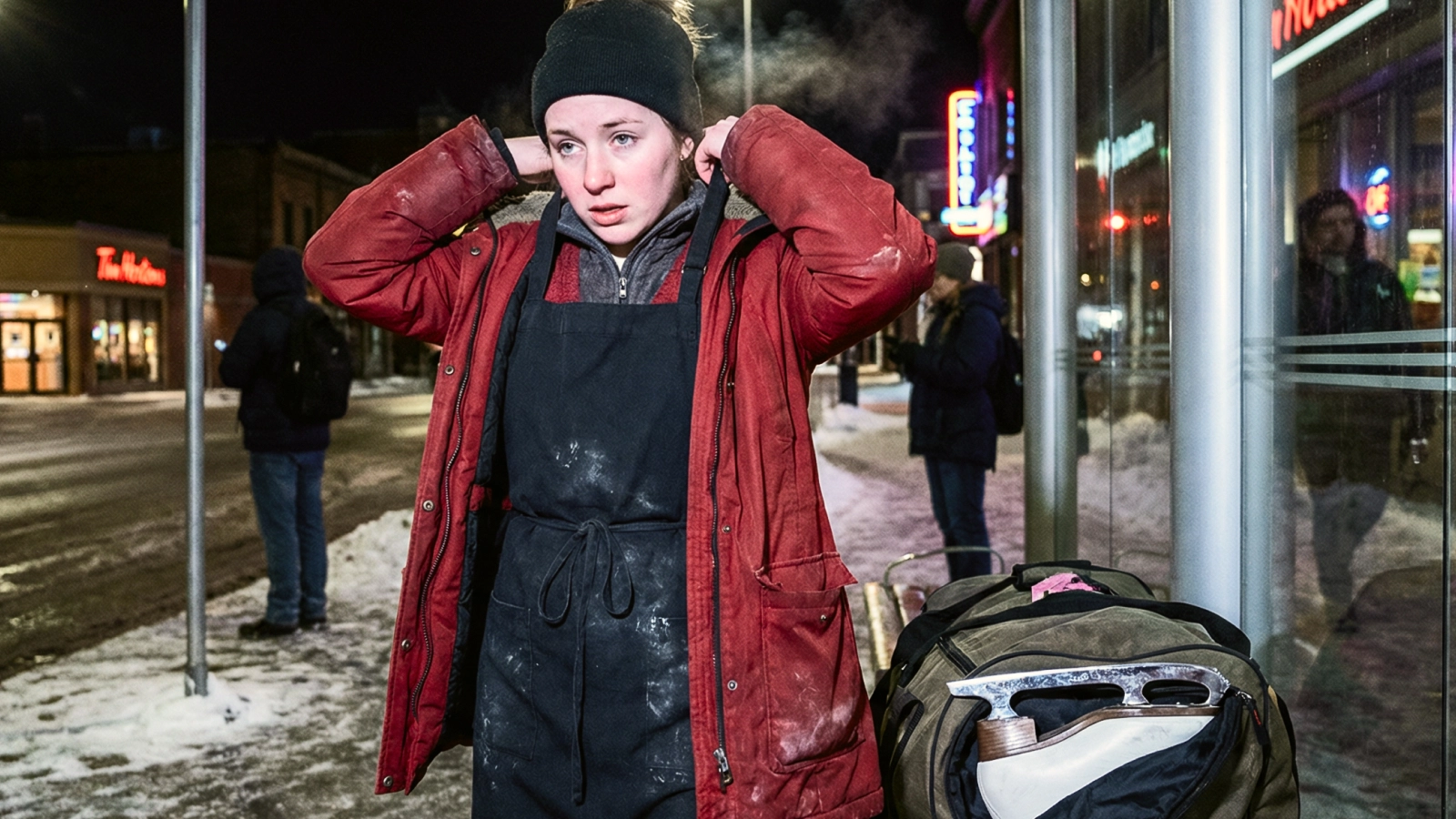
For many Canadian athletes, elite sport exists alongside everyday work. They take on day jobs, part-time roles, contract work or seasonal employment to fund their training. They schedule workouts around shifts. They plan competitions around vacation days. Their calendars are a constant exercise in balance.
When an athlete does reach the podium, the financial reward is meaningful but modest. A gold medal comes with a one-time payment of $20,000 through the Athlete Excellence Fund. It’s a moment of recognition, but it doesn’t reflect the cumulative cost of years of preparation. And of course, for every medal winner, there are dozens of athletes who invest just as much without ever receiving that payout.
This isn’t a complaint. It’s simply the reality of amateur sport in Canada. What makes the story remarkable isn’t the gap between investment and reward. It’s how often that gap is bridged by community. “When you look at what Canadian athletes put on the line: years of income, stability and certainty, success is never a solo effort. Small businesses and local employers are often the quiet force that makes the pursuit of gold possible.”
Across the country, small and medium-sized businesses play a quiet but powerful role in supporting elite athletes. They sponsor local competitors. They offer flexible hours. They keep athletes on payroll during training blocks or international competitions. Sometimes they provide services instead of funding — accounting, marketing, equipment, space to train or simply understanding when schedules don’t align neatly.
These businesses don’t do it for headlines. They do it because the athlete is part of their community. Because success feels shared. Because backing someone’s ambition is something to be proud of.
How small businesses and local communities support Canadian olympians
Local communities amplify this support in countless ways. Fundraisers. Club memberships. Volunteer coaching. Parents driving vans full of equipment across provinces. Friends showing up to competitions long before the spotlight arrives. It’s a collective effort that reflects something deeply Canadian: a belief that success is rarely individual.
For small businesses, supporting athletes isn’t about return on investment in a traditional sense. It’s about values. About backing discipline, resilience and long-term commitment: qualities that also define strong workplaces.
And for athletes, that support is often the difference between staying in the sport or stepping away. Knowing that an employer understands, that a sponsor believes, that a community cares, creates a foundation that money alone can’t. This is why Olympic moments resonate so deeply here. When a Canadian athlete wins, it feels personal. Not because we know them from advertisements, but because their journey mirrors the reality of so many working Canadians: juggling ambition with responsibility, dreaming big while staying grounded.
Winning gold may be the visible outcome, but the real achievement is the ecosystem that makes it possible. Athletes investing years of their lives. Families and friends offering unwavering support. Small businesses stepping up, often quietly, to make room for greatness.
That’s something worth celebrating. Because behind every medal is more than talent. There’s trust. There’s community. And there’s a network of people and businesses who believed, supported and showed up. Not for recognition, but because helping someone reach their potential is its own reward.