








After more than a decade of sustained growth, Canada’s craft beer sector is under pressure. Independent breweries, once the poster children of local innovation and small business grit, are now contending with a slowdown that’s reshaping the industry. Sales have flattened, consumer preferences have shifted and rising operational costs are squeezing margins. For a sector that once seemed future-proof, the current correction offers a sharp reality check.
According to a report from CBC News, beer sales in Canada have declined by roughly two per cent each year for the past five years. More notably, the number of craft breweries in operation has decreased for two years running, down 2.9 per cent in 2025 and 3.4 per cent in 2024. Those figures mark a clear turning point after more than a decade of consistent expansion across provinces.
The craft beer boom, which began in earnest in the late 2000s, was driven by a combination of deregulation, cultural momentum and consumer appetite for local, artisanal products. That mix created space for thousands of small breweries to carve out loyal followings and turn taprooms into community hubs. But growth without constraints rarely lasts forever—and for many brewers, the current climate is proving harder to navigate than anticipated.
Market saturation, rising costs and shifting demand
While craft beer once offered an alternative to the big brands, the market is now heavily saturated. Consumers are faced with hundreds of options, and the novelty that once differentiated small producers has become harder to sustain. In many cases, the proliferation of microbreweries has created stiff competition for limited shelf space, tap lines and customer loyalty.
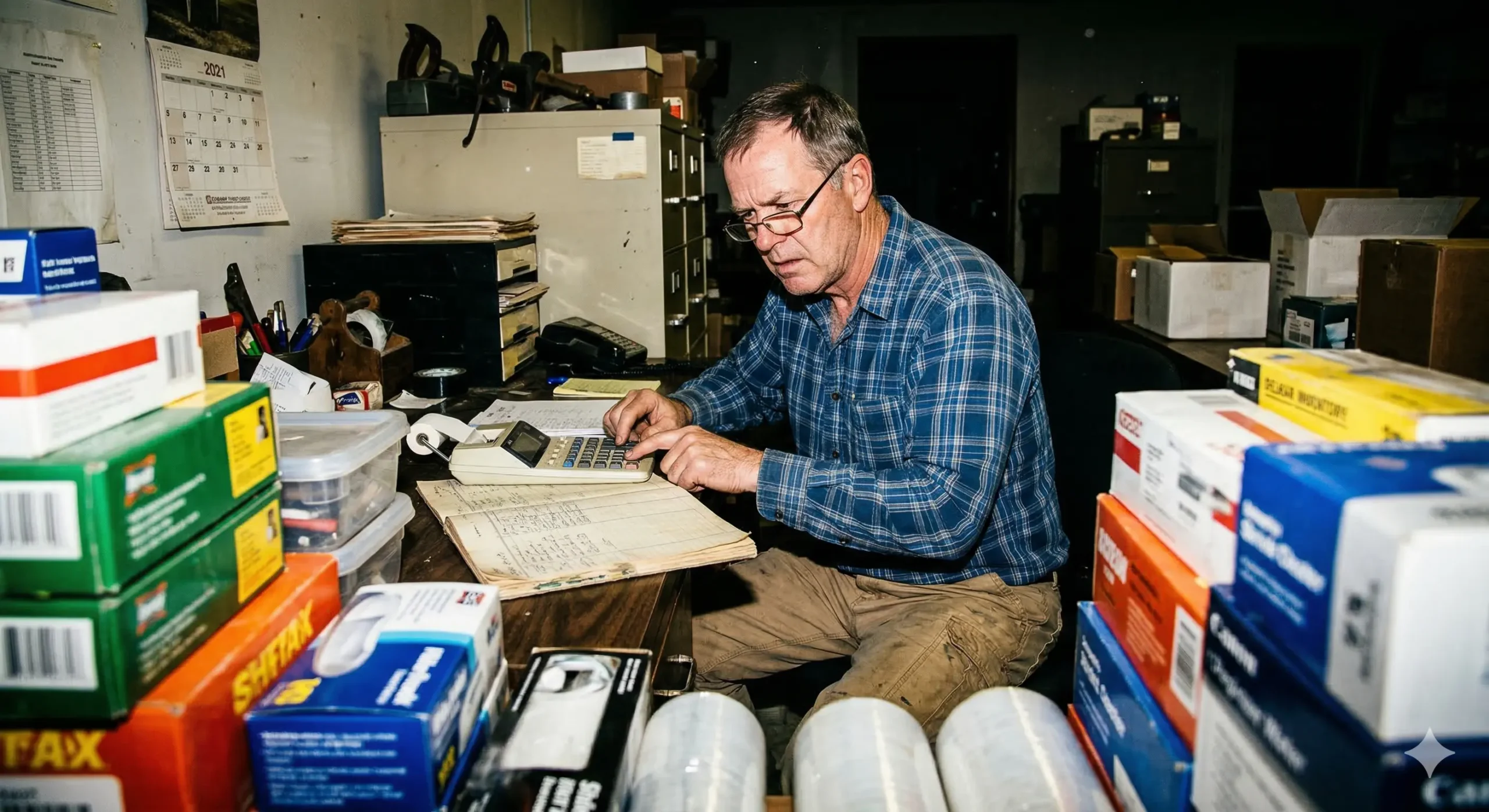
At the same time, breweries are grappling with rising input costs across ingredients like hops and barley, as well as packaging materials and energy bills. These pressures have hit smaller operations particularly hard. Without the economies of scale that benefit larger producers, independent brewers are more exposed to cost fluctuations and supply chain disruptions.
But perhaps the most significant challenge is the changing nature of consumer demand. CBC’s reporting points to a decline in beer consumption among younger Canadians, who are more likely to choose spirits, ready-to-drink cocktails or non-alcoholic alternatives. The demographic shift is compounded by cultural changes among new Canadians, who may not have the same beer-drinking habits as earlier generations. Together, these trends are undercutting the demand base that many brewers built their business models around.
In Alberta, for example, Evil Corporation Brewing—a Calgary-based label once considered one of the city’s most distinctive players—shut its taproom in 2025. The brewery struggled to recover from the pandemic and never regained the momentum it needed to remain viable. “Everything bad that could happen to us, happened to us, essentially,” said the brewery’s former owner and co-founder, Quan Ly, to CBC. “We just had to cut our losses and, unfortunately, learn from it and move on.”It’s one of dozens of closures across the country in the past 18 months.
Regulatory hurdles and the policy gap for SMBs
While economic factors play a key role, policy structures are also exacerbating the sector’s decline. In British Columbia, more than 20 breweries have closed this year, and industry groups point to what they describe as inequitable taxation models. The BC Craft Brewers Guild has repeatedly raised concerns about the province’s production-based mark-up rates, which they argue disproportionately affect small producers.
These concerns are echoed by brewers across Canada. Many argue that the current tax and regulatory environment is better suited to large-scale producers than to the small businesses governments often claim to support. Licensing costs, distribution rules and compliance requirements can all add layers of complexity—and cost—that smaller operations struggle to absorb.
It’s a tension familiar to SMBs in other sectors: public rhetoric often champions entrepreneurship and innovation, but policies don’t always reflect the unique needs of smaller firms. In a climate where every dollar counts, this misalignment can be enough to push a business over the edge.
From hype to resilience: what the next phase looks like
Despite the downturn, analysts caution against painting the entire craft beer sector as doomed. Instead, they suggest the industry is transitioning into a new phase—one that prizes sustainability over expansion and adaptability over novelty.
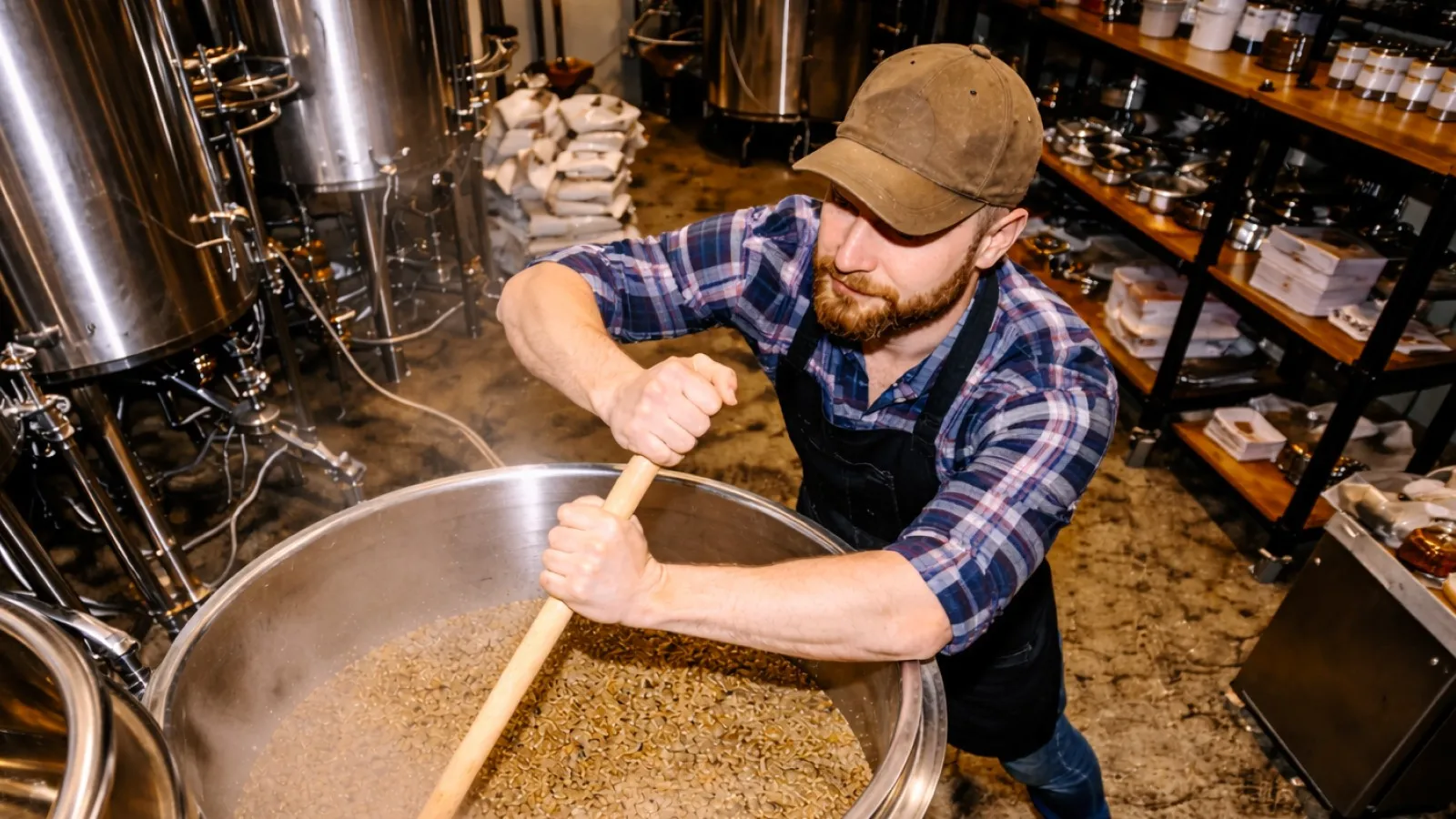
Many breweries are already evolving their models. Taprooms are being reimagined as multi-purpose venues with food offerings, live events or retail tie-ins. Others are experimenting with alternative product lines, such as seltzers, low-ABV beverages and non-alcoholic craft drinks. For brewers with a strong brand and a clear audience, these pivots could help maintain relevance in a more selective market.
There’s also an opportunity to rethink what success looks like. The past decade rewarded rapid growth and headline-grabbing expansions. The next chapter may be about stable margins, tighter operations and diversified revenue streams. It’s a shift from scale to endurance.
For policymakers, the challenge is equally urgent. If local manufacturing, regional tourism and creative industries matter—as they so often claim—then tax frameworks, grant schemes and licensing regimes need to support those priorities in real terms. That means recognizing that one-size-fits-all approaches rarely work for SMBs, especially in high-cost, low-margin industries.
The Canadian craft beer story isn’t over. But the narrative has changed. What was once a symbol of unfettered growth is now a mirror for broader economic realities facing small businesses nationwide. Whether through smarter policy, sharper business models or more responsive consumer strategies, the brewers that adapt will write the next chapter. The ones that don’t, won’t.