











AI is no longer a side project. In 2026, HR leaders are done experimenting; they’re adopting, hardwiring artificial intelligence into how work gets designed, delivered and measured.
In interviews with Canadian HR Reporter, HR executives said 2026 will be marked by sharper strategic focus, new internal tools and increased reliance on skills-first workforce design: all shaped by rapid developments in AI capability.
Sara Cooper, chief people officer at Jobber, described the year ahead as “a reset” for HR. “There’s nothing sacred,” she said. “There’s nothing holding us back, and stuff is going to fail.”
HR leaders aren’t just open to failure; they’re budgeting for it. In 2026, testing and breaking things is fast becoming part of the job description, particularly in areas like internal support, talent mobility and organizational design. For many, the goal isn’t just to manage AI adoption, but to lead it.
AI’s role in internal support and workforce design is expanding
AI is increasingly being used to replace fragmented employee support with faster, more consistent systems. At Jobber, Cooper said her team is building an internal AI tool tentatively called Jobber Coach, which uses company-specific policies and values to respond to leadership queries. The idea: meet employees where they are, while reinforcing organizational standards. “If they’re going to do it anyway,” she said, referencing the use of public AI platforms like ChatGPT, “let’s direct them to the Jobber resource that is going to give them the information that aligns with our values.”
Beyond one-off queries, HR teams are treating AI as a long-term design partner. Holly Ackert, executive director in People and Change Consulting at KPMG, said mature organizations are starting to embed AI more strategically, moving past tool procurement and into process transformation.
That includes rethinking organizational structures in anticipation of “agentic AI” — systems that can act independently within defined parameters. These systems are shaping how work is split between humans and machines, forcing fresh conversations around what roles actually need to look like in the future.
Ackert noted that while some companies are still building foundational tech infrastructure, others are pushing ahead with more complex questions around human–AI collaboration and return on investment.
AI is supporting strategy and engagement, not just efficiency
At Ontario highway operator 407 ETR, AI is pushing HR teams out of transactional work and into more strategic territory. Vice-president of HR, Lydia Iacovou, said artificial intelligence is handling more of the transactional tasks, which in turn is creating space for her team to operate with greater impact. “It really is enhancing our role,” she told Canadian HR Reporter. “It’s going to elevate and give us capacity to do more… we’re not chasing [efficiency gains] today — today we’re chasing the benefits of AI and how we can do more.”
One area of application has been the company’s call centre, where a new AI-powered telephony system has been introduced. The fear that AI would spark backlash hasn’t materialized. In fact, customer service reps are more engaged, not less. According to Iacovou, employees are feeling more empowered and more engaged because AI is helping remove friction rather than adding control.
That sense of contribution also ties into how companies are handling potential fears around AI-driven job change. Cailey Brown, head of HR for Canada at food delivery platform Skip, said her team is focusing on internal development to help employees feel they have a future in the organization, even as technology changes. “All we can do is continue to have people feel like they’re adding value,” she said. “I think those skills will transfer elsewhere as well.”
Skills-first planning and pay transparency are rising priorities
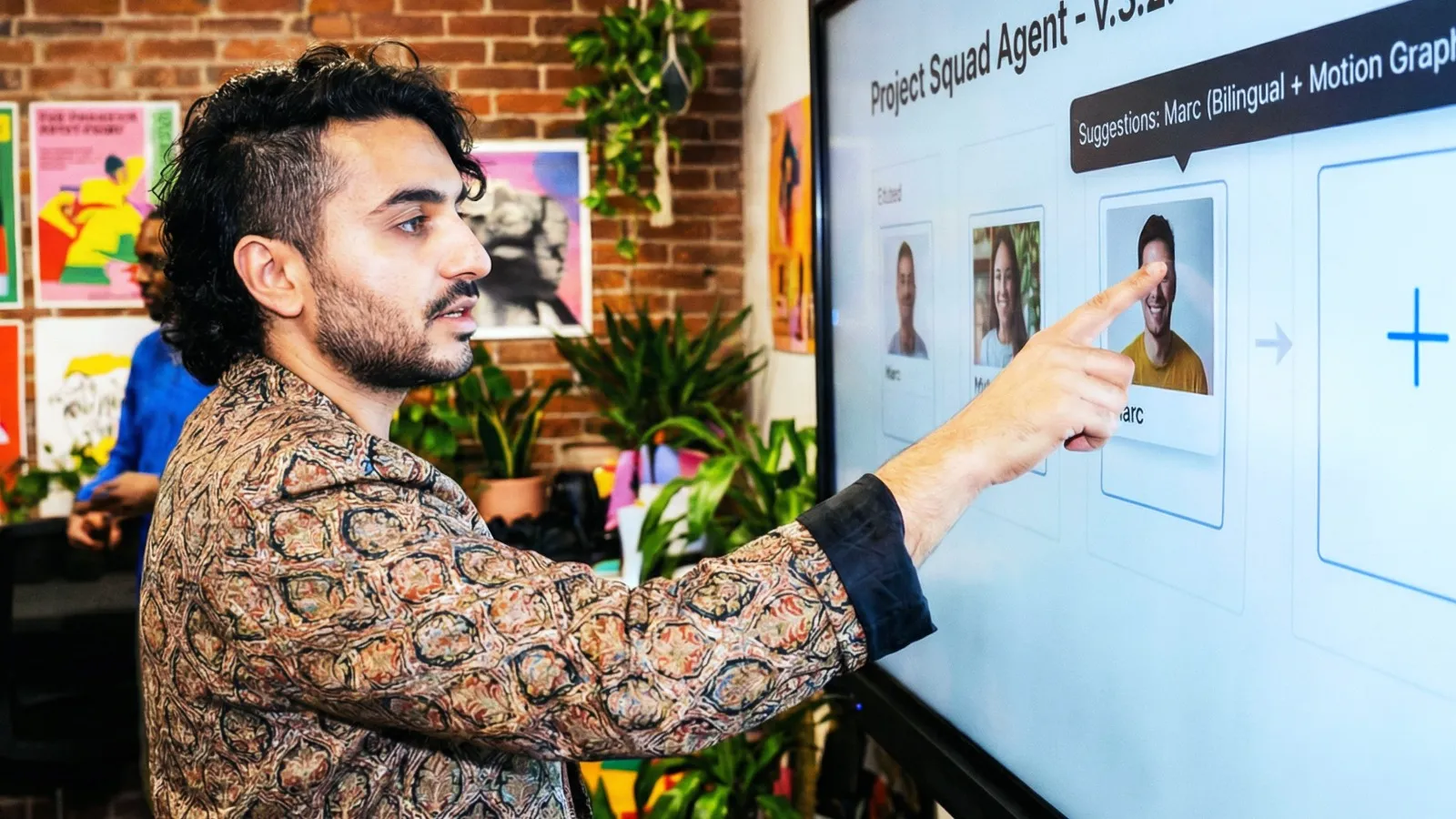
As job requirements evolve, organizations are breaking their reliance on job titles and moving toward skills-first workforce planning. Ackert said AI is playing an increasing role in this shift, helping HR teams identify, map and match employee skills to internal needs. “AI is being used to match people to internal projects and identify skills that could be really powerful,” she said. This is supporting internal mobility and reshaping how companies think about talent development.
It’s also driving more integrated thinking between skills, learning and the overall employee experience, especially as new job categories emerge and traditional pathways blur.
Meanwhile, external factors like regulation are adding pressure to redesign compensation strategies. Ackert pointed to pay transparency legislation, including recent changes in Ontario, as a key area where HR is adapting both systems and messaging to meet evolving expectations.
Organizations are beginning to align clearer pay structures with a broader employee value proposition, one that includes growth, inclusion and purpose as much as dollars.
AI in HR: beyond trend, toward transformation
While AI may have entered the HR mainstream through automations and chatbots, its role in 2026 is broader and deeper. It’s shaping how teams are structured, how leaders make decisions and how employees navigate their careers.
From building internal AI coaches to redesigning call centres and investing in skills-first planning, HR teams are no longer reacting to change; they’re shaping it. As Cooper put it, the mindset for 2026 isn’t one of fear. It’s about experimentation. “There’s nothing sacred,” she said, “and stuff is going to fail.” But as more HR teams find their rhythm with AI, the risks seem worth it. Because what’s at stake isn’t just efficiency: it’s the future of how people work.