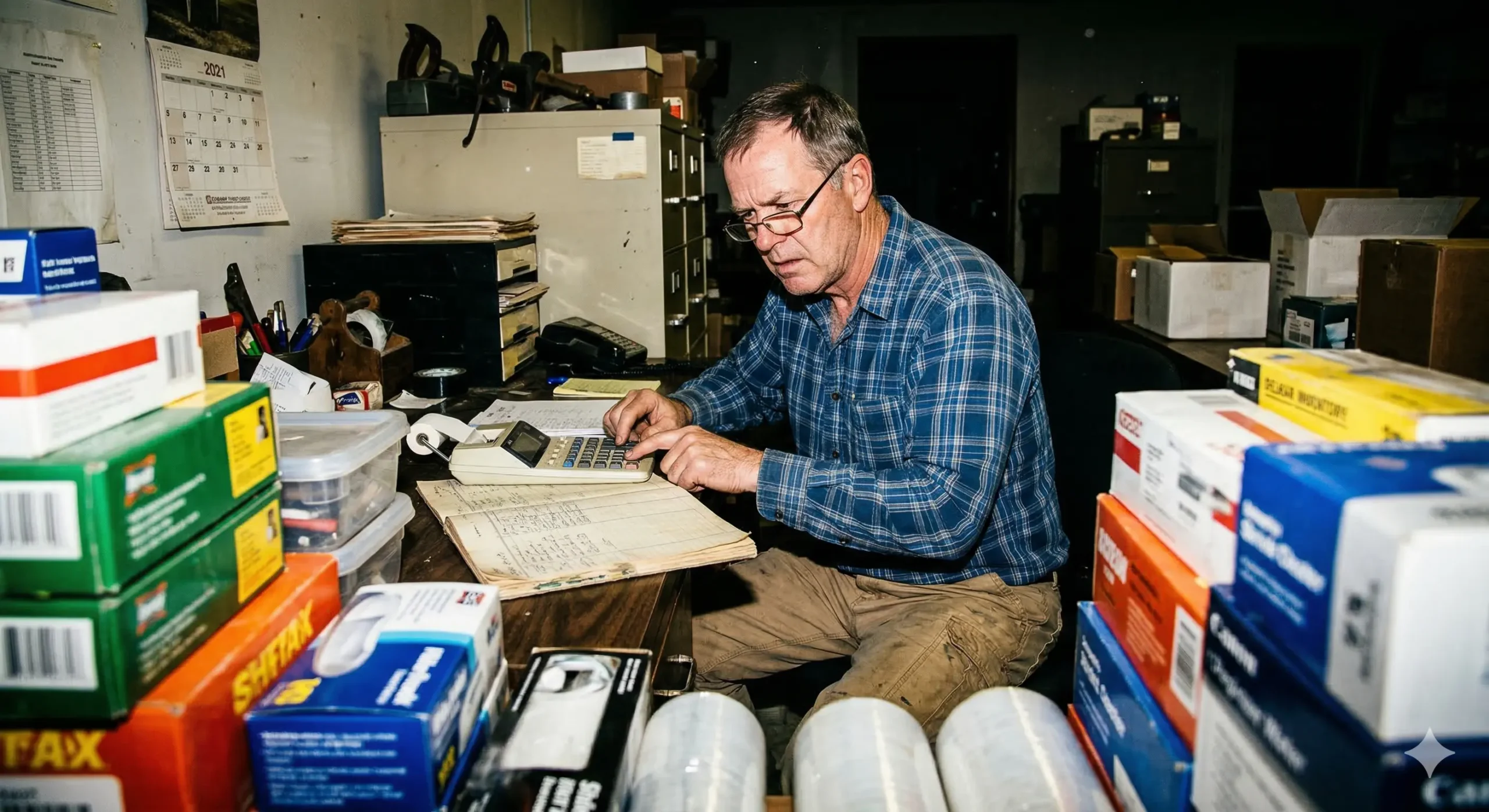









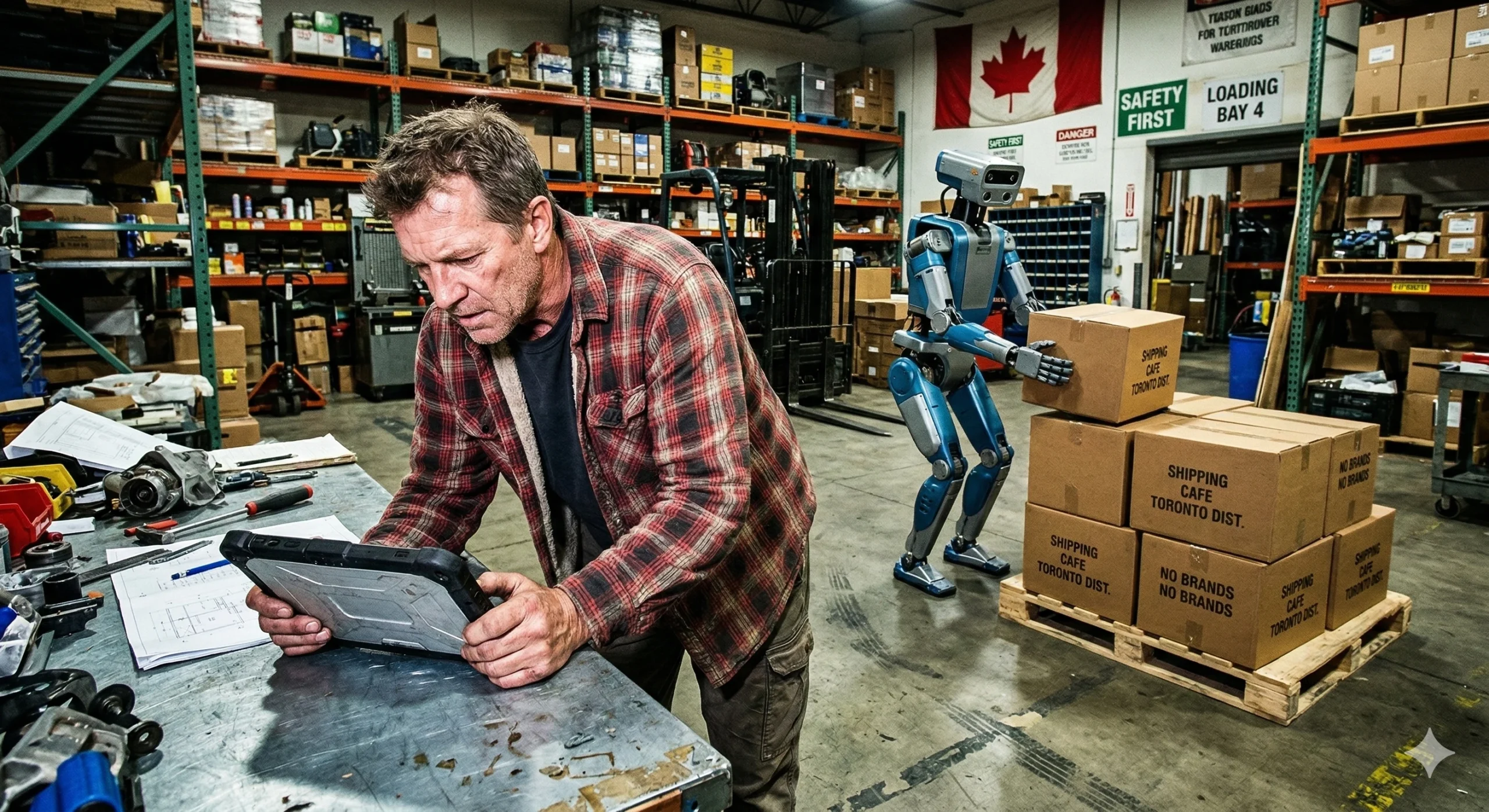
Humanoid and general-purpose robots are moving out of the laboratory and onto the shop floor across Canada. Major organizations like Toyota Canada and Canadian Tire have launched pilot programmes that take these machines beyond research environments and into everyday business operations. This shift is prompting a conversation about the impact on the national workforce as robots begin to handle physically demanding, repetitive tasks. For small and medium-sized businesses, this isn’t just a glimpse of a distant future; it’s a prompt to reconsider how human labour and automation can coexist to drive productivity.
These machines are designed to take on the dull, dangerous and dirty parts of a job. The goal is to free up staff for more value-added roles that require a human touch. For Canadian SMB employers, navigating this transition requires a balance of technical adoption and a human-focused approach to change management. The focus should remain on empowering the workforce to adapt rather than simply reacting to the technology itself.
Pilots at Toyota and Canadian Tire signal a shift
Toyota Motor Manufacturing Canada is currently testing three humanoid robots focused on internal logistics. These machines are picking up parts and moving totes from rack to rack to reduce the physical strain on human employees. This move is intended to let staff focus on more complex production tasks within the facility, where human problem-solving is still superior to any algorithm. It’s an example of using tech to handle the heavy lifting while keeping people at the heart of the operation.
Canadian Tire also tested a general-purpose robot at a Mark’s store in British Columbia. Over a week, the robot correctly finished 110 retail tasks, including folding, tagging and cleaning. Company leadership noted the pilot allowed them to focus human resources on customer engagement and higher-value work. This demonstrates that even in a retail environment, automation can handle manual prep work, allowing staff to prioritize the customer experience.
“We shouldn’t view these advancements as a threat to headcount, but as a massive opportunity to elevate the human experience at work,” explains KJ Lee, CEO at Employment Hero Canada. “When you strip away the dull and dangerous tasks, you’re left with the parts of the job that actually require empathy, creativity and complex problem solving.”
Addressing job security and the surveillance factor
While the physical benefits include fewer workplace injuries and less strain, the psychological impact on a team is a significant factor for any manager to track. Research suggests that when workers feel a robot outperforms them, it can lead to a sense of job insecurity and lower job satisfaction. There is also a growing concern regarding workplace privacy; robots equipped with sensors can inadvertently make employees feel like they’re being monitored around the clock. This “surveillance” feel can erode the very trust that a high-performing culture is built on.
Experts suggest a bottom-up approach where workers are involved in the deployment process from day one. This creates a sense of ownership rather than a feeling of being replaced by a top-down management decision. For SMBs, this might mean having open forums or pilot groups where staff can give feedback on how the robots are actually affecting their daily workflow. “If you’re introducing robotics without talking to your team first, you’ve already lost the battle for culture,” Lee goes on to say. “Transparency is the only way to build trust; you have to be honest about why the tech is there and exactly how it changes the career path for your people.”
Measuring success beyond the balance sheet
The integration of robotics technology creates a new set of workplace metrics that extend far beyond simple efficiency gains or cost savings. For Canadian SMBs, the success of an automated rollout is increasingly tied to human-centric data points like employee turnover and trust levels. When a workspace undergoes rapid digitization, social dynamics often shift; if a facility becomes too automated, the resulting lack of human connection can trigger disengagement.
Autonomous systems reorganize labour rather than simply eliminating it. Current trends show workers moving into supervisory roles over robotic systems or pivoting toward high-touch customer service and strategic planning. By positioning the employee as the central figure of this technological shift, Canadian businesses build a more resilient and innovative future. “Now is really the time, again, to engage the HR people,” Julie Carpenter, a research fellow at Ethics + Emerging Sciences Group at California Polytechnic State University, explained to Canadian HR Reporter. “To make them really proactive throughout this process, to be on the ground and get feedback and signals… on how their labour is changing and addressing that so the company grows together.”
The goal for any SMB isn’t just to build a faster business, but a more sustainable one where technology supports human potential. As humanoid robots become more common, the competitive edge won’t belong to the company with the most machines, but to the one that uses them to amplify its people. True leadership in this era means ensuring that while robots handle the mechanics of the job, humans continue to drive the mission, the culture and the connection.