 Australia
  New Zealand
  United Kingdom
  Singapore
  Malaysia
  Canada (Français)


The “Psychosocial Audit” – Moving from surface wellness to systemic safety this Mental Health Awareness Month
Published
The “Psychosocial Audit” – Moving from surface wellness to systemic safety this Mental Health Awareness Month
Last Updated
Mental Health Awareness Month is a strong moment to ask a bigger question. Are your wellbeing efforts helping people cope with work or helping create better work in the first place?
That’s where this guide comes in. The psychosocial audit: Moving from surface wellness to systemic safety helps Canadian employers look beyond surface-level wellness initiatives and take a closer look at the systems, behaviours and work design factors shaping psychological safety every day.
Wellness support matters. But it’s not the whole picture
Perks, webinars and awareness campaigns can play a valuable role. But they can’t fix the root causes of burnout, stress and disengagement on their own.
If your people are dealing with unclear expectations, constant overload, poor communication or low trust in reporting processes, the real issue goes deeper than benefits.
This guide helps you move the conversation forward.
Why this matters now
Canadian businesses are under pressure from every angle. Teams are leaner. Workloads are heavier. Remote and hybrid work have changed how people connect, collaborate and raise concerns.
At the same time, employees expect more than good intentions. They want workplaces that feel clear, fair and sustainable.
A psychosocial audit helps you spot the conditions that may be driving:
- Burnout and stress
- Disengagement and turnover
- Poor manager-employee trust
- Communication breakdowns
- Role confusion
- Reporting hesitation
- Hidden risks in remote and hybrid teams
This is about more than wellbeing messaging. It’s about building stronger systems that support better work.
Our webinar on May 14th talks about treating burnout as a business risk and addresses how leaders can fix it proactively. Sign up to learn what leaders often get wrong, how to course-correct and how to implement practical strategies that reduce burnout while protecting performance.
[or catch up on demand if you’re reading this after!]
What is a psychosocial audit?
A psychosocial audit is a structured way to assess the workplace factors that influence psychological health and safety.
It looks at how work is designed, managed and experienced across your business. That includes areas like workload, leadership behaviour, role clarity, recognition, communication and reporting culture.
In other words, it helps you move from reacting to problems after they show up to identifying risk earlier and acting with more confidence.
Who this guide is for
This resource is built for Canadian business leaders and people teams who want to take a more practical, systems-level approach to workplace wellbeing.
It’s especially useful for:
- HR leaders and people managers
- Founders, owners and CEOs
- Operations leaders
- Team managers navigating growth or change
- Businesses with remote or hybrid teams
- Employers reviewing their mental health and wellbeing strategy
If your business is growing and your people practices need to keep up, this guide is for you.
What you’ll learn in the guide
Download the guide to explore:
- The difference between surface wellness and systemic safety
- The most common psychosocial hazards at work
- How leadership behaviour shapes psychological safety
- Where workload, role clarity and communication can create risk
- What to review in remote and hybrid work environments
- How to assess reporting culture and trust
- Practical ways to move from reactive support to proactive change
You’ll also get clear frameworks, useful prompts and practical checklists to help you start the conversation internally.
Why download this guide?
Because good intentions aren’t enough.
If you want to improve retention, reduce people risk and create a better employee experience, you need more than awareness. You need a clearer view of what’s happening in the day-to-day reality of work.
This guide helps you:
- Understand where pressure may be building
- Identify gaps in your current approach
- Give leaders a better lens for people risk
- Start making practical changes that matter
It’s designed to be useful, actionable and easy to put into practice.
What makes this guide different
A lot of workplace wellbeing content stays at the surface. This guide goes further.
Instead of focusing only on perks and programs, it helps you examine the underlying conditions that shape how people actually experience work. It’s a smarter starting point for businesses that want lasting change, not just good optics.
Download the guide
Mental Health Awareness Month is the perfect time to take a closer look at the systems behind employee wellbeing.
Download The psychosocial audit: Moving from surface wellness to systemic safety and get practical guidance to help your business move from surface-level support to stronger, more sustainable workplace practices.
Register for the guide
Related Resources
-
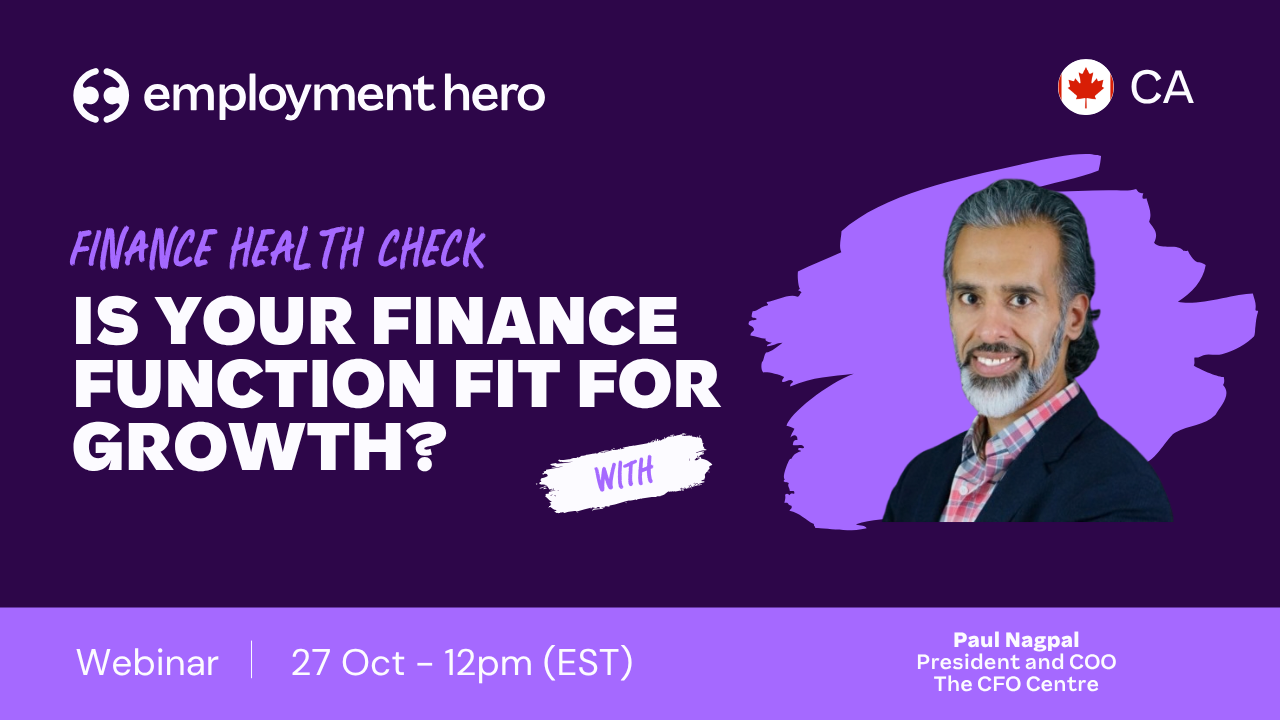 Read more: Is Your Finance Function Fit for Growth?
Is Your Finance Function Fit for Growth?
Join our webinar for a practical finance health check. Learn how to evaluate your finance function and gain the confidence…
-
 Read more: Newfoundland and Labrador Labour Standards Act guide
Newfoundland and Labrador Labour Standards Act guide
Master compliance with this guide to Newfoundland and Labrador employment standards. Discover rules for minimum wage, overtime, leave, and more.
-
 Read more: New Brunswick employment standards: a guide for employers
New Brunswick employment standards: a guide for employers
Struggling with New Brunswick’s changing labour laws? Ensure compliance with the latest 2026 wage, leave, and termination rules. Read the…