 Australia
  New Zealand
  United Kingdom
  Singapore
  Malaysia
  Canada (Français)














Hire Employees in Canada
Looking to hire employees in Canada? Employment Hero’s global teams is your Employer of Record of choice for your hiring needs.

General Overview
Canada is a developed country with a population of approximately 40 million and ranks among the top ten global economies by gross domestic product (GDP). The Organisation for Economic Co-operation and Development (OECD) consistently ranks Canada’s education system highly, with a significant proportion of the population having completed post-secondary education. Canada maintains a comprehensive framework of employment legislation, covering areas such as minimum employment standards, working conditions, leave entitlements, and industry-specific wage regulations. These laws vary across jurisdictions, with both federal and provincial/territorial governments responsible for enforcing employment standards depending on the sector.
Key Country Facts
- Capital: Ottawa
- Currency: Canadian Dollar (CAD)
- Languages: English, French (some provinces)
- Minimum Wage: CAD $15.00–$19.00 (varies per province)
Time Zones
Newfoundland Time Zone (GMT-3:30), Atlantic Time Zone (GMT-4), Eastern Time Zone (GMT-5), Central Time Zone (GMT-6), Mountain Time Zone (GMT-7), Pacific Time Zone (GMT-8)
Employment Standards
Types of Employment
Most common employment types in Canada include full-time, part-time, casual, fixed-term, and seasonal arrangements.
Working Hours & Overtime
The standard full-time working week is 40 hours, which is typical for salaried professionals. Variations are common but must be agreed upon in writing. Overtime pay is typically set at 1.5 times the regular rate of pay for each hour worked over the standard hours. However, there may be variations in overtime rules depending on the industry, job position, and collective bargaining agreements.
Probationary Periods
The duration of probationary periods can vary depending on the employer, industry, and job position, but they typically range from one to six months.
Payroll Cycles
The most common payroll cycle is bi-weekly, although some employers may choose to pay employees weekly or semi-monthly. Employers must comply with employment standards legislation related to payroll and pay periods.
Compensation, Benefits & Pension
Statutory Compensation
Statutory compensation in Canada requires employers to pay at least the provincial or territorial minimum wage, which ranges from CAD $15.00 to $19.00 per hour. Employers are also legally obligated to provide overtime pay, typically at time-and-a-half, for hours worked beyond the standard workweek.
Pension Scheme
The retirement scheme in Canada includes several components, such as the Canada Pension Plan (CPP), Old Age Security (OAS), and private retirement savings plans. The Canada Pension Plan (CPP) is a mandatory, contributory public pension plan that provides retirement, disability, and survivor benefits to eligible individuals. It requires both employers and employees to contribute to the plan, calculating the contribution rate based on a percentage of earnings up to a certain maximum amount.
Common Market Benefits
Common market benefits in Canada often exceed statutory minimums to attract top talent. These typically include extended health care plans that cover prescription drugs, dental care, and vision care, which are not fully covered by the public healthcare system. Many employers also offer Registered Retirement Savings Plan (RRSP) matching contributions, life insurance, and supplemental long-term disability coverage.
Leave Entitlements
- Annual Leave: Federally regulated employees in Canada are entitled to a minimum of two weeks of paid vacation per year after completing one year of continuous employment with the same employer. This entitlement increases to three weeks after five consecutive years of employment and four weeks after ten consecutive years of employment with the same employer.
- Sick Leave: Federally regulated employees are entitled to up to ten days of paid medical leave per year. This leave can be used for personal illness or injury, organ or tissue donation, attending medical appointments, or quarantine.
- Parental Leave: Under the Employment Insurance (EI) program, parental benefits can be paid for up to 35 weeks at 55% of the employees’ average weekly insurable earnings. This can be extended up to 61 weeks at a rate of 33% of the average weekly insurable earnings with a maximum amount.
- Public Holidays: Public holidays in Canada vary by province and territory, with each jurisdiction designating several statutory holidays that employers must observe. On public holidays, eligible employees are generally entitled to a day off with pay or premium pay if they work.
- Compassionate and Bereavement Leave: Employees can take a certain amount of unpaid bereavement leave due to the death of a family member or relative. Additionally, compassionate care leave allows employees to take unpaid time off to care for a family member or relative who has a serious medical condition with a significant risk of death.
- Other Leave: Employees are entitled to various other unpaid leaves, including personal leave, jury duty leave, reservist leave for military training or deployment, and domestic violence leave.
Termination & Severance
Notice Period
The minimum notice period for employer dismissal under the Canada Labour Code is two weeks, but it can be longer depending on the circumstances and provincial legislation. For employee resignations, the notice period is generally dictated by the employment contract or common law, typically ranging from two to four weeks.
Termination Pathway
Terminations must strictly adhere to the labor laws of the employee’s jurisdiction. As the legal Employer of Record, HeroForce will manage the termination and off-boarding processes in coordination with the stakeholders. Depending on the jurisdiction and specific case, this may involve mandatory notice, severance, or specific administrative steps and ad-hoc fees.
A valid reason is required to dismiss an employee. There are four main categories for dismissal, which include incapacity to meet the inherent requirements of the role, unacceptable performance, misconduct, and redundancy.
Severance Pay
Employees who have worked for at least 12 consecutive months are entitled to severance pay, which is calculated as two days’ wages for each full year of service, with a minimum of five days’ wages. However, severance laws in most provinces may differ and can require more substantial payouts based on common law notice periods.
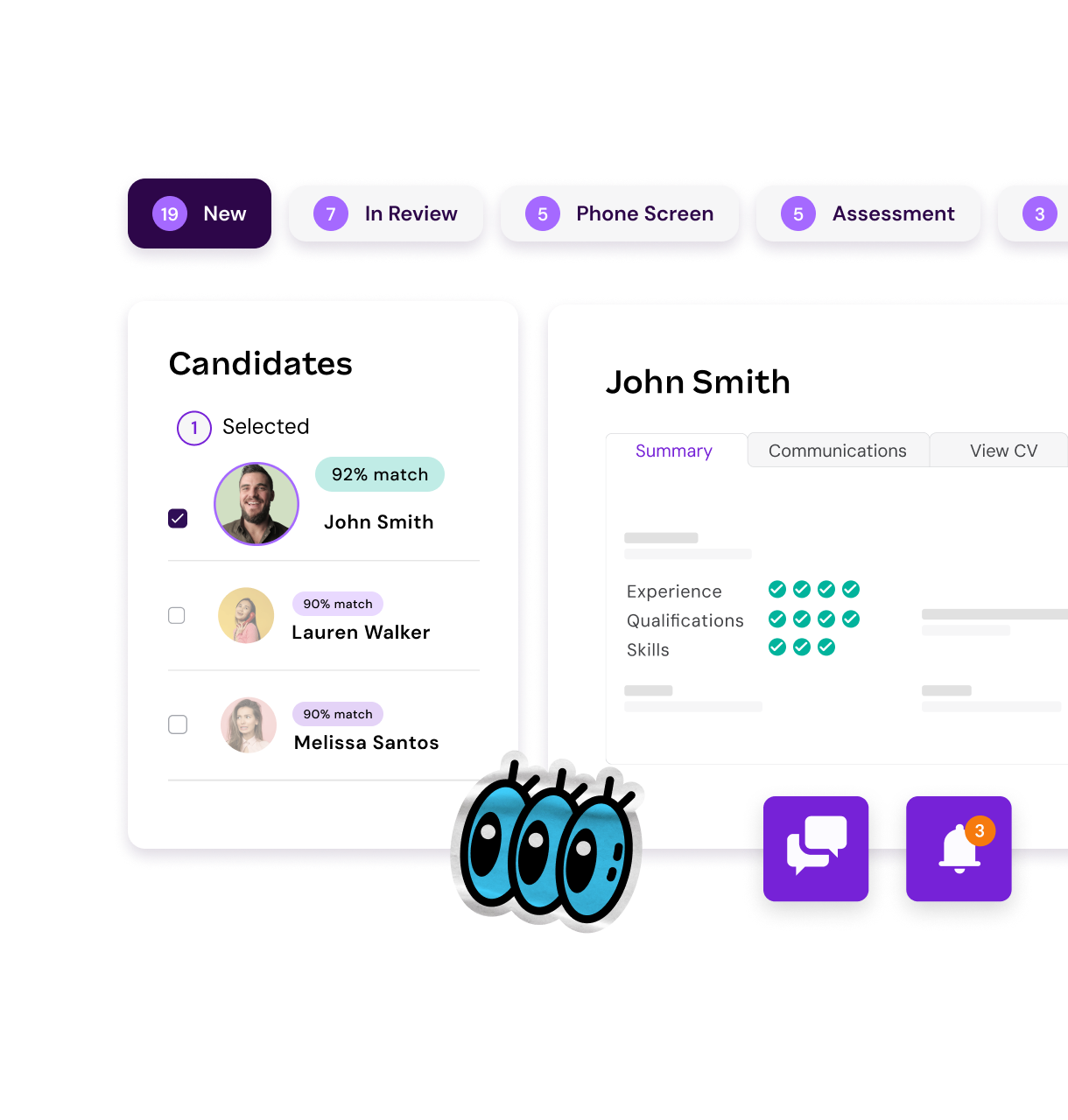
Hiring Process in Canada Sorted.
Hiring an employee in Canada is no easy task. Especially, if you are overseas, and lack the knowledge of employment law and regulations relating to international HR compliance, payroll, benefits and taxes.
Employment Hero started in Australia and we fully understand all the ins and outs of hiring in the local market, so we can help you throughout the step-by-step process.
Canadian Employment Law Law Decoded.
Canada has laws that help keep workplaces fair. You should be aware of the rules and what your employer’s rights and responsibilities are. Under Canadian employment law, employers and employees both have rights and responsibilities. Do you know your responsibilities?
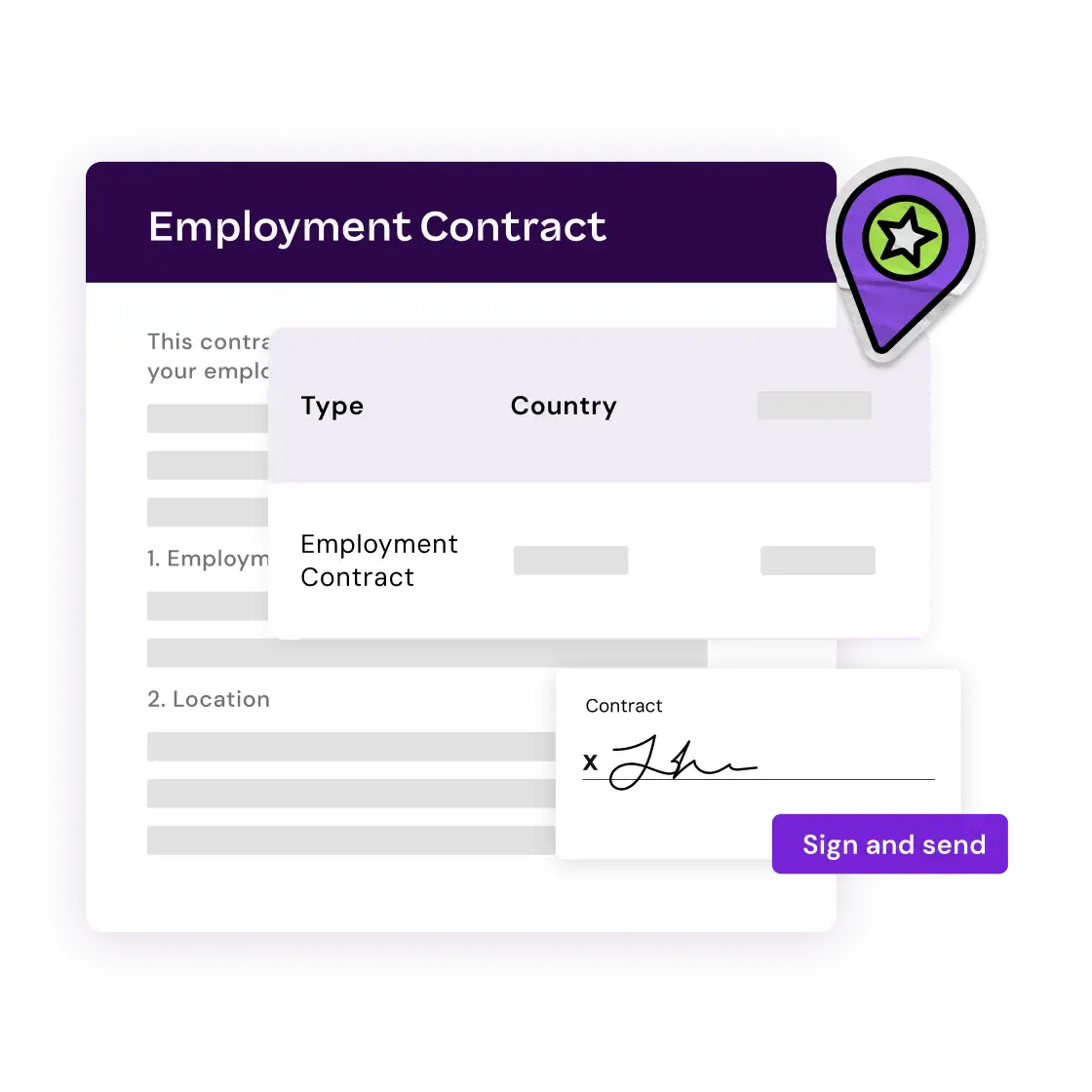
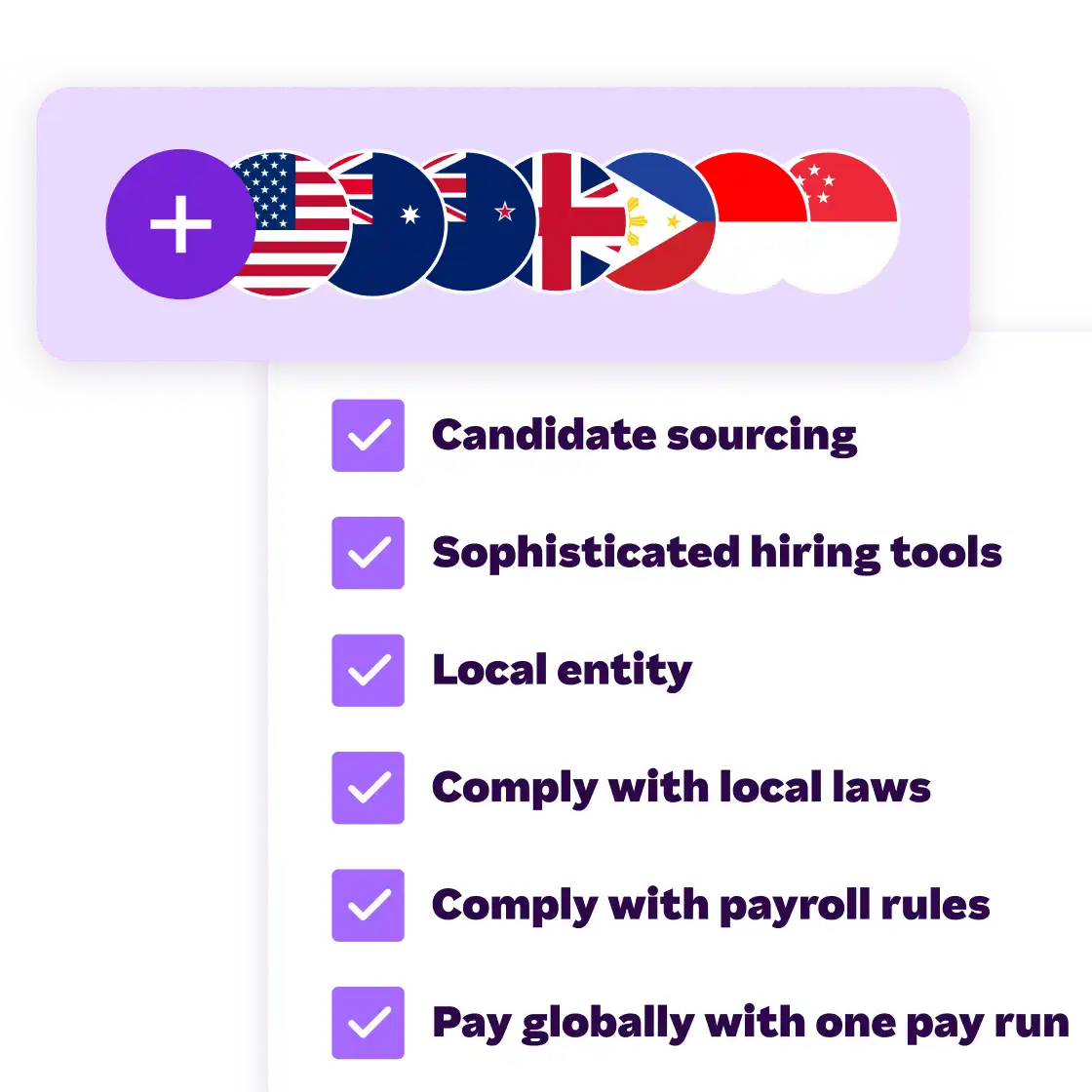
Employ anyone, anywhere. Easily.
Employment Hero’s Employer of Record (EoR) service takes care of the complex admin; international employment legislation, local tax and pension minimums, insurance obligations and more. Hiring incredible talent from anywhere in the world has never been easier.
Try our Applicant Tracking System
Employment Hero’s ATS makes hiring and managing new staff easier than ever.

Customers rate us 4.5
Employer of Record.
Hire Remotely
HeroForce EoR is the best-in-class global (EOR) Employer of Record that enables you to hire based on skill, not location. Whether you’re expanding into new markets or struggling to fill open roles, we connect the best talent with the best employers, legally and ethically.