














Top 7 communication barriers in the workplace and how to overcome them
Communication issues are the main causes of unnecessary workplace conflict—here’s how you can prevent these problems from happening again.

Contents
Key points:
- Why is effective communication important at work?
- What are the most common communication barriers in the workplace?
- 5 ways to overcome communication barriers in the workplace
- Good communication in the workplace comes from a positive work environment
Poor communication or communication breakdowns can affect workplace productivity, staff turnover and professional relationships within teams. Recognizing the communication barriers that exist in your workplace and adopting strategies to resolve them will help you build and maintain a more positive work environment for all employees.
Why is effective communication important at work?
Everything done at work starts with communication. Texts, emails, meetings, announcements…
“Great things in business are never done by one person. They’re done by a team of people.” — Steve Jobs
1. Increases productivity
Effective communication helps to eliminate unnecessary roadblocks, increase overall productivity, and strengthen relationships in the team. Statistics show that well-connected teams that leverage social technologies to improve communication and collaboration see an increase in productivity.
2. Increases retention
Effective communication leads to stronger employee engagement—when employees feel recognized, validated, and supported at work, they are more committed to contributing towards organizational goals. Employees who feel that their voice is heard are 4.6 times more likely to feel empowered to perform their best work, according to Salesforce.
3. Facilitates stronger relationships built on trust
Teamwork begins by building trust. Having a company culture that fosters transparency through open communication allows employees to feel better connected to their workplace and identify with company values.
4. Mitigates conflict
Conflicts often arise due to a lack of understanding of differing communication styles. Better communication within the team allows each individual to express and address their needs, laying the foundation for smoother collaboration.
What are the most common communication barriers in the workplace?

1. Physical barriers
Work environments play a huge role. If an organization has team members scattered on different floors or is adopting hybrid models where team members are never in the office at the same time, it may hinder communication. Background noise is also a factor—whether it’s loud colleagues in an open-plan office or construction noise for those working from home.
2. Geographical barriers
Time and distance primarily affect remote teams. This can make real-time communication inconvenient or near impossible unless compromises are made to find a suitable meeting time across different time zones.
3. Cultural differences
Cultural barriers arise when employees have different communication styles stemming from their own social norms. For example, maintaining strong eye contact is seen as assertive in some cultures but aggressive in others. Prejudice and stereotypes (ethnocentrism) are extremely detrimental to a healthy workplace culture.
4. Language barriers
Language is a crucial barrier, especially in global teams. Some people might have strong accents or use slang that doesn’t translate well. For example, Canadian-specific terms like “loonie” or “double-double” might confuse international colleagues.
5. Generational barriers
Ageism (or reverse ageism) is pervasive. Older employees may dismiss the opinions of younger staff as “inexperienced,” while younger employees might view older colleagues as “out of touch” with new technology. This creates workplace silos.
6. Hierarchical barriers
In organizations where hierarchy is strictly enforced, communication often becomes one-sided (top-down). Subordinate employees might be fearful of communicating honestly with their superiors for fear of hampering their career opportunities.
7. Emotional/psychological barriers
Emotions like anger, pride or social anxiety can hold employees back from listening attentively. If an individual is too proud to listen to other opinions or too anxious to speak up in a virtual meeting, communication suffers.
5 ways to overcome communication barriers in the workplace
1. Identify differing communication styles
As a leader, you need to identify each individual’s communication style. Personality tests, such as the MBTI or DiSC assessments, can help team members understand themselves and their colleagues better.
2. Establish OKRs (Objectives and Key Results)
Communication is easier when everyone knows the goal. By having company-wide OKRs that are public, all employees have a clear picture of what is expected of them, which cultivates trust and team spirit.
3. Embrace asynchronous communication
With team members spread across different time zones, embracing asynchronous working is key. This provides big chunks of focus time and ensures progress is made regardless of the hour. Incorporating digital tools like Slack or Microsoft Teams is essential here.
4. Create an inclusive workplace
You don’t want your employees masking their authentic selves at work. Fostering an inclusive culture should be a priority so that unique backgrounds and ideas are used as strengths rather than being seen as barriers.
5. Encourage two-way feedback
Having consistent 1:1 meetings is a great way to provide feedback and facilitate communication without the weight of hierarchy. It provides a safe environment for employees to raise red flags or discuss difficulties they are facing with certain communication styles.
How can time and attendance software help?
Managing communication around absences is a common flashpoint for conflict. Using a system like Employment Hero allows you to streamline these processes. With built-in 1:1 features, happiness surveys, and digital records of important company announcements, you can ensure everyone is “in the know,” regardless of where or when they work.
Want to explore more ways to break down communication barriers at work?
Related Resources
-
 Read more: 55 fun icebreaker games and activities for your team in 2026
55 fun icebreaker games and activities for your team in 2026
Break the ice and boost meeting productivity. Discover 55 fun and engaging icebreaker games to help your team feel comfortable,…
-
 Read more: 11 professional goal examples for 2026
11 professional goal examples for 2026
Help your team thrive in 2026. Discover 11 practical professional goal examples and actionable steps to drive growth, productivity, and…
-
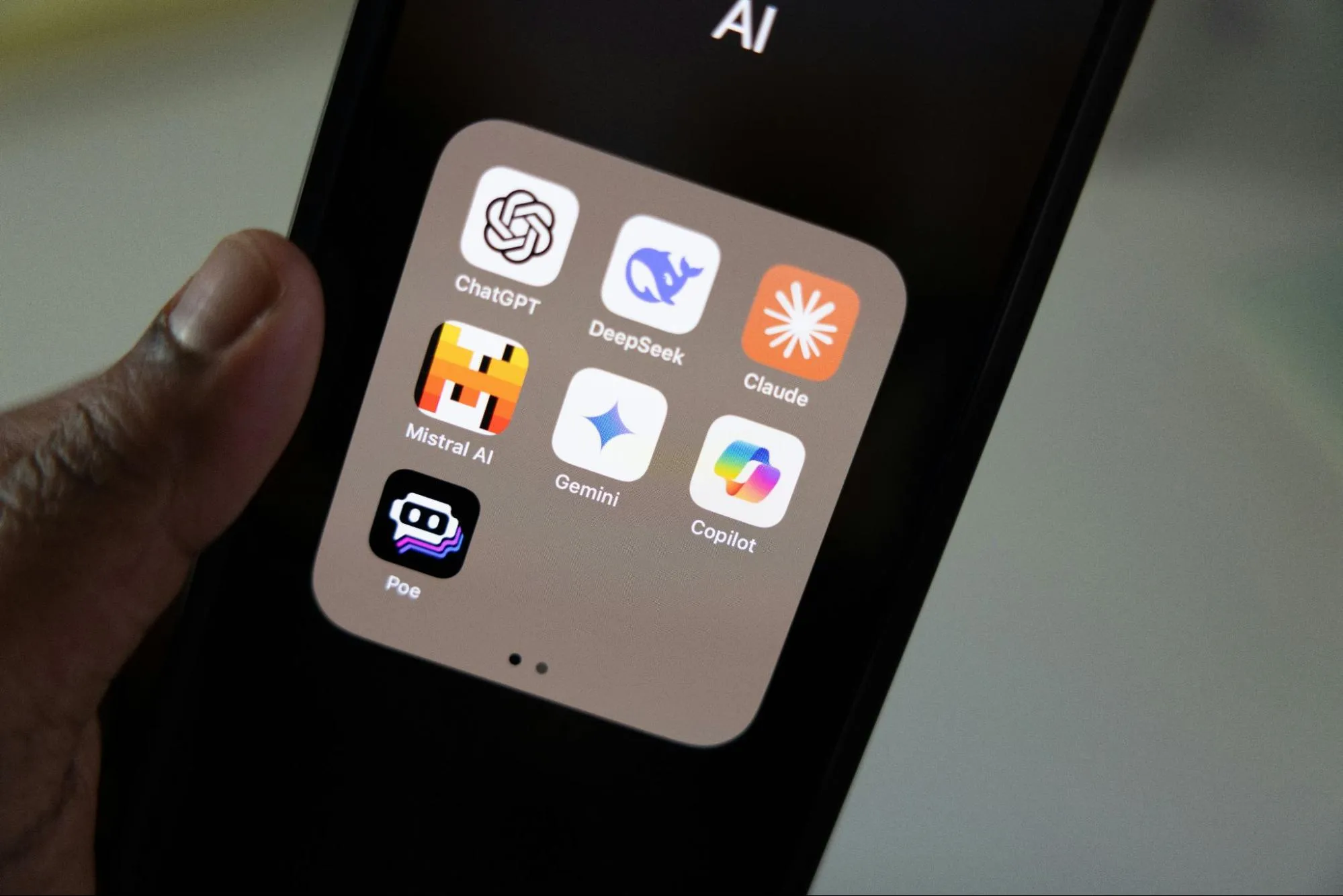 Read more: The beginner’s guide to AI at work
The beginner’s guide to AI at work
Is AI complex? It doesn’t have to be. Learn how Canadian businesses are using AI to automate repetitive tasks, boost…

