 Australia
  New Zealand
  United Kingdom
  Singapore
  Malaysia
  Canada (Français)













AI prompts for HR: Practical guide to generative AI in human resources

Contents
HR teams spend an absurd amount of time rewriting the same things in slightly different ways. One day it’s interview questions. The next it’s a policy summary, a manager email, an onboarding schedule or a survey analysis for leadership. None of this work is pointless, but plenty of it is repetitive.
That’s where AI prompts for HR can help. A prompt is simply the instruction you give a tool to produce a draft, summary, outline or analysis. Give it vague input and you’ll usually get vague output. Give it strong direction and it can help you move much faster.
This guide is for HR leaders, people managers and employers who want practical ways to use generative AI in human resources without handing over their judgment. We’ll cover how to write better prompts, where they can help across HR workflows and what you need to watch for when privacy, fairness and accuracy are on the line.
Want to cut HR admin, speed up drafting and give your team more room for the work that actually needs judgment?
Why generative AI matters for HR leaders
HR leaders are expected to move quickly and get the details right. You’re drafting policies, supporting managers, reviewing employee feedback, preparing hiring materials and trying to keep everything clear, consistent and fair. That’s a lot to carry, especially in growing businesses where the HR function is often lean.
Generative AI matters because it can speed up the first-draft stage of work. It can turn rough notes into a structured document, summarize long comments into themes or help you shape a message before you polish it. That can save real time across a month, especially for teams juggling recruitment, onboarding, employee communication and reporting.
It also comes with risks that HR leaders can’t shrug off. Outputs can be bland, inaccurate, biased or overconfident. Tools can produce something that sounds polished while quietly missing the point. That’s why the role of HR doesn’t get smaller here. If anything, it gets more important. Human review, context and good judgment still do the heavy lifting.
If you’re looking at the broader role of AI across operations, our guide to AI in business explores where these tools can help and where employers need a steadier hand.
Four steps to craft better AI prompts for HR teams
Good prompts save time because they reduce guesswork. If the tool has to infer the audience, purpose, format and tone, it’ll fill in the blanks itself. Sometimes that works. Often it doesn’t.
Define the desired output clearly
Start with the exact thing you want created. Don’t ask for “something about employee retention” when what you really need is a one-page manager briefing on reducing turnover among frontline staff. Be specific about the task, the business context and the intended use.
Strong inputs usually include the type of document, the topic, the audience and the outcome. The clearer the brief, the less time you’ll spend fixing a draft that wandered off in the wrong direction.
Specify audience and tone
HR writing changes depending on who’s reading it. A note to employees about a policy update should feel clear and calm. A paper for leadership should be concise and commercially focused. A manager guide should be practical and direct.
Tell the tool exactly who the content is for and what tone it should use. Ask for plain English, supportive wording, professional language or a neutral style where needed. If you don’t specify this, you may end up with something that sounds like a legal disclaimer wearing a party hat.
Include format and length constraints
Format matters. If you need a short email, say so. If you need a table, a checklist, a five-day plan or a 300-word summary, say that too. Tools tend to fill space unless you give them boundaries.
Length constraints are just as useful. They help the output stay readable and closer to what you can actually use. They also stop a simple request from turning into a wall of text that nobody in HR has time to rescue.
Request follow-up clarifying questions
One of the easiest ways to improve output is to ask the tool to pause and ask questions before drafting if anything important is missing. That’s especially helpful for policy work, manager communications and anything tied to employee experience.
A simple line like “Ask up to five clarifying questions before drafting if more context is needed” can improve the result straight away. It turns the process into more of a working exchange and less of a blind guess.
Example prompt workflow for an HR professional
Let’s say an HR manager needs help drafting a performance review guide for line managers. The goal isn’t to publish the first thing the tool returns. The goal is to get to a useful draft faster.
Here’s a practical starting prompt:
“Create a manager guide for running fair and constructive performance reviews in a 100-person Canadian business. The audience is people managers with mixed experience. Use clear headings, plain English and a practical tone. Keep it under 700 words and include preparation tips, conversation prompts and follow-up actions.”
Now refine it:
“Revise the guide to include a short section on avoiding bias, three example questions managers can ask and a checklist for documenting outcomes. Make the tone more direct and less formal.”
Expected deliverables from this prompt would include a structured guide with a short introduction, key preparation steps, sample talking points, a bias reminder and a simple follow-up checklist. HR should still review it for legal accuracy, local requirements and alignment with internal policy before it goes anywhere near a manager.
Tools and templates: AI tools and prompts for HR
HR teams don’t need more scattered systems. They need tools that reduce friction, support consistency and fit into real workflows without creating extra admin on the side.
Useful tools in this space include writing assistants for first drafts, survey tools for summarizing feedback, analytics platforms for spotting trends and HR software that ties employee data, workflows and communication together. Where possible, it helps to use connected systems rather than bouncing between documents, spreadsheets and chat threads.
Employment Hero’s AI-enhanced HR supports teams that want to streamline routine work while keeping people in control of decisions and communication. If you’re also reviewing your broader workflows, our guides on what is business process automation and how to automate HR processes are useful next steps.
Template names worth keeping in your HR library include policy summary template, interview question bank, onboarding schedule, employee communication draft, manager coaching guide, survey analysis brief, retention action plan and executive HR metrics summary. Store approved versions centrally, label them clearly and keep version history tidy so nobody grabs the wrong draft six months later.
How To Use This Prompts Collection for HR Teams
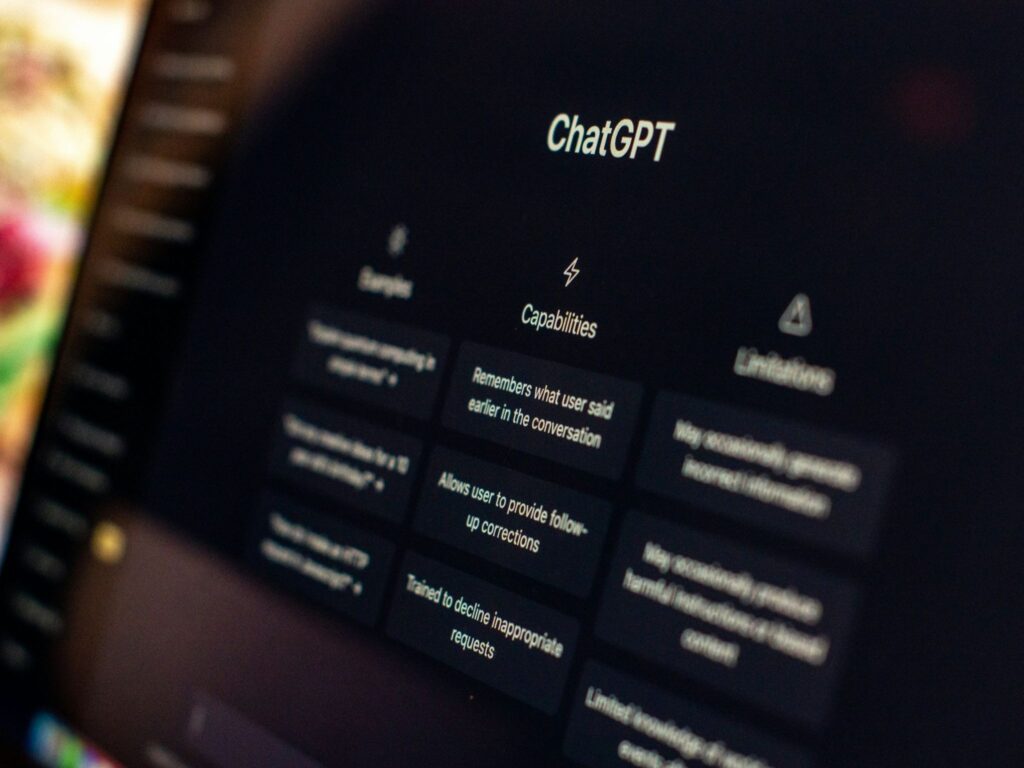
Start by matching the prompt to the task in front of you. If you need interview questions, use the relevant one-pager. If you need a survey summary or onboarding plan, start there instead. Don’t overcomplicate it.
Paste the prompt into your chosen tool and add your company context. That might include headcount, industry, role type, employee audience, province, internal terminology or policy requirements. Then review what comes back and refine the wording until the output fits your standards.
This works best when teams build a shared library over time. Save prompt templates by category, note what they’re good for and record any guardrails around use. That way, your team isn’t starting from zero every time someone needs a manager memo or a hiring brief.
Compliance and Legal Considerations for Human Resources
HR deals with sensitive information every day, which means caution isn’t optional. Before your team starts using generative AI in any serious way, set clear rules around what can be entered, what needs to be removed and who reviews outputs before they’re used.
Review the privacy and employment requirements that apply to your business in Canada. Depending on where you operate, that may include federal privacy law, provincial privacy rules and different employment standards across provinces and territories. If a task touches legal interpretation, employee relations or anything high risk, get qualified advice before relying on generated content.
Redact personal information before entering anything into a tool. Remove names, contact details, compensation data, medical information, performance notes and anything else that could identify an employee or candidate unless you’re using an approved secure process. It’s also smart to document how tools are used in HR workflows and keep records for high-impact decisions, particularly in hiring, performance, promotions and restructuring.
Bias checks matter too. Review outputs for assumptions, loaded language or gaps that could affect fairness. A generated answer might look polished and still lean in the wrong direction. HR owns the final judgment.
ChatGPT and Generative AI Use Cases for HR Team Workflows
Used properly, these tools can help with a wide range of HR tasks. They’re particularly helpful when you need a structure, a first draft or a way to summarize a large amount of information quickly.
You can use them to draft internal policies with clear headings and plain language, especially when you already have approved source material to work from. They can also summarize employee survey feedback into themes, saving time when leadership wants a quick read on what people are saying.
Recruitment teams can generate interview questions for hiring rounds based on competencies, role level and working style. HR can also automate routine employee communication drafts, including reminders, recognition notes, onboarding messages and training updates. The output still needs a human pass, but it gives teams a faster place to start.
Employee engagement and employee communication prompts
Employee engagement work often involves writing the same kinds of content in fresh ways. Prompts can help create a starting point without draining time from more valuable work like acting on the feedback itself.
Try prompts like:
- “Create 10 neutral employee survey questions about workload, manager support, communication and career growth for a 70-person business. Use plain language and avoid leading wording.”
- “Draft three recognition messages for email or Slack celebrating an employee who supported a teammate during onboarding. Keep the tone warm, professional and specific.”
- “Analyze these anonymized open-text survey comments and group the themes into strengths, concerns and suggested next steps for HR.”
These are useful because they create structure quickly. They don’t replace your team’s judgment, but they do reduce the friction of starting from a blank page.
Talent acquisition: interview questions and job description prompts
Hiring is full of repeatable writing tasks, and that makes it a strong fit for prompt-based support. Recruiters and hiring managers often need job descriptions, interview questions, candidate summaries and outreach messages at pace.
Useful examples include:
- “Generate eight behavioural interview questions for a customer success manager role, grouped by communication, problem-solving and stakeholder management.”
- “Write a job description draft for a payroll specialist in a growing Canadian business. Include role purpose, responsibilities, essential skills and preferred experience.”
- “Summarize these anonymized candidate applications into short briefs with strengths, relevant experience, possible gaps and recommended interview focus.”
- “Create an outreach template for passive candidates in the software sector. Keep it concise, professional and conversational.”
This kind of support can make the hiring process more consistent, especially across busy teams that need a shared standard.
Talent development, DEI and retention prompts for HR leaders
HR leaders also need support with planning, development and retention, not just day-to-day communications. Prompts can help shape a first draft for these more strategic tasks, provided the underlying data is solid.
For example, you might ask a tool to run a skills gap analysis using role lists and capability requirements, or to draft a learning and development program outline with outcomes for new managers. You can also use prompts to review promotion and demographic trends, then suggest areas that deserve closer human review.
Retention prompts can help HR turn broad problems into practical action. A prompt like “Propose targeted retention interventions for early-career employees in a high-turnover team” can generate useful ideas that you then test against your business context, employee feedback and budget.
Data analysis and people analytics prompts
People analytics can eat time quickly, especially when leaders want the short version and the data doesn’t come neatly packaged. Prompts can help HR teams organize findings, identify patterns and shape reporting drafts faster.
Examples include:
- “Analyze attrition rates by department and tenure using this anonymized data. Identify notable patterns and possible questions for HR to investigate.”
- “Benchmark compensation for these roles against available industry data and summarize where pay may sit above, below or near market.”
- “Suggest visual charts for monthly HR metrics covering turnover, absenteeism, time to hire and engagement.”
- “Produce an executive summary of these analytics findings for a leadership team, using clear headings and three recommended actions.”
As always, the output should be reviewed carefully. Data interpretation still needs context and experience, especially before it informs business decisions.
Policy, onboarding and program development prompts
This is one of the most practical areas for prompt use because the work often needs structure, clarity and repetition. HR teams regularly draft policy summaries, onboarding plans, training rollouts and employee FAQs.
Useful prompts include:
- “Draft a concise internal policy summary based on this approved policy text. Use clear headings and plain English for employees.”
- “Build a five-day onboarding schedule for a new operations coordinator, including manager check-ins, system setup and role training.”
- “Create a phased compliance training rollout for a national business with office-based and frontline employees.”
- “Draft a return-to-office FAQ for employees that explains expectations, flexibility, workspace arrangements and manager support.”
These kinds of prompts can help teams move faster while still keeping the final message grounded in internal policy and local obligations.
Internal brand, visuals and employee communication templates
Not every HR task is policy-heavy. Sometimes the work is about helping internal communication feel clear, consistent and actually worth reading.
Prompts can help with onboarding welcome banner copy, internal campaign messaging briefs and visual directions for culture or DEI materials. For example, HR might ask for copy options for a welcome banner in the employee portal, or a short campaign brief to support a wellbeing initiative.
If your team is using prompts for visuals, be specific about tone, audience and purpose. “Inclusive” on its own is too broad. Spell out what the visual is for, who will see it and what feeling or message it should support.
Best practices for writing effective AI prompts for HR professionals
The strongest prompts are specific, grounded and practical. They explain who the content is for, what it needs to do and how it should be structured. They also avoid stuffing in unnecessary detail that muddies the request.
Include examples where helpful, especially if your team already has approved materials with the right tone and structure. Set expected output formats so the draft comes back in a shape you can actually use. Keep inputs factual and based on real source information rather than asking a tool to invent details that matter.
Most importantly, verify facts before publishing or sharing anything. If the content touches law, compensation, employee rights, privacy or formal policy, review it through the proper internal process. Fast drafting is useful. Sloppy publishing is not.
Advanced prompts and questions for HR leaders
Once your team is comfortable with the basics, prompts can also support higher-level analysis. That might include asking for possible relationships between engagement and turnover, modelling hiring funnel conversion rates or estimating the potential return on investment for a proposed HR program.
These advanced prompts are useful for shaping early analysis, but they need caution. They depend on solid data, clear assumptions and a proper review before they inform decisions. Treat them as a way to speed up thinking and structure, not as a machine-delivered verdict on what your business should do next.
For HR leaders, that’s often the real value. You get a quicker route to a sharper draft or a more focused question, then apply your own judgment to decide what holds up.
Appendix: prompt templates and cheat sheets for HR
Below are 10 one-page prompt templates HR teams can adapt, save and reuse.
- Policy summary template
“Summarize this approved policy for employees in plain English. Include key obligations, employee actions, manager responsibilities and a short FAQ.” - Interview question template
“Create six behavioural interview questions for [role] based on [competencies]. Include follow-up prompts and what strong answers should cover.” - Job description template
“Draft a job description for [role] at a growing Canadian business. Include purpose, responsibilities, required skills and preferred experience.” - Onboarding schedule template
“Create a five-day onboarding plan for [role]. Include tasks for HR, the manager, IT and the employee.” - Survey question template
“Create 10 neutral employee survey questions for [topic] aimed at [employee group]. Use plain language and avoid leading wording.” - Survey analysis template
“Analyze these anonymized survey comments and group them into key themes, strengths, risks and suggested actions.” - Performance review template
“Create a manager guide for performance reviews, including preparation steps, discussion prompts, documentation reminders and follow-up actions.” - Retention action plan template
“Suggest practical retention actions for [employee group] based on [issue or data]. Include quick wins, longer-term ideas and risks to monitor.” - L&D program template
“Design a learning program outline for [audience] focused on [skill area]. Include outcomes, modules and measures of success.” - Employee communication template
“Draft an employee communication about [topic]. Use a clear and supportive tone, explain what’s changing, why it matters and what happens next.”
For tool selection, keep it simple. Use writing tools for drafts, survey tools for feedback collection, analytics tools for reporting and connected HR software for workflows and employee records. The less your team has to jump between systems, the easier it is to work consistently and keep information under control.
Bringing it all together
AI prompts for HR are most useful when they help teams get to a strong first draft faster. They can support recruitment, onboarding, communication, reporting and policy work, but they don’t replace judgment, context or accountability. HR still needs to review, refine and make the final call.
For growing businesses, the opportunity is practical. You can save time, reduce repetitive admin and create more consistent outputs across the team. The trick is using prompts with clear guardrails, better inputs and a firm grip on privacy, fairness and quality.
Want to see how Employment Hero can help your team streamline HR, reduce manual work and support growth with smarter tools?
Related Resources
-
 Read more: Payroll calculator BC 2026: How to run payroll in British Columbia
Payroll calculator BC 2026: How to run payroll in British Columbia
Struggling with BC payroll compliance? Master deductions, stat holiday pay, and the latest 2026 tax rates to pay your team…
-
 Read more: Employee recognition ideas for Canadian businesses
Employee recognition ideas for Canadian businesses
Over 58% of employees feel undervalued at work. Discover creative, budget-friendly ways to reward your team, reduce turnover, and build…
-
 Read more: Issue #16: Turns out your customers can tell when you didn’t try
Issue #16: Turns out your customers can tell when you didn’t try
Canada’s newest unicorn shops second-hand, steel feels the squeeze and Tim’s goes athleisure. Read More…

