





The 2024 Wellness At Work Report
Published
The 2024 Wellness At Work Report
How do you feel at work right now? Stressed? Burnt out? Productive?
With so many economic factors at play, from the rising cost of living to the gradual removal of subsidies implemented on essential goods like fuel, electricity and food items, it’s clear we’re all feeling an unnerving mix of uncertainty and concern. These events influence our lives in a major way, and they can significantly impact one’s sense of well-being, which can seep into every part of life – including work. You may be in perfect physical health, but do you feel well if you’re in financial distress? You may have a strong sense of occupational fulfilment, but if you don’t feel that you can authentically communicate with others, you might feel lonely. Did you know that on a national level, the cost of mental health issues in the workplace to the Malaysian economy is conservatively estimated to be around RM14.5 billion? Given the long working hours and stressful way of life here, the results may seem unsurprising to many. We spend, on average, one-third of our lives at work, which can be exhausting if our wellbeing isn’t supported. The good news is, what employers do to support their employees’ wellness can make a big difference. By being informed about how your team is feeling, employers can make employees feel more supported, fight risks to their wellbeing, and improve overall happiness in every aspect of their lives. We polled more than 1000 employees across Malaysia in April 2024, and asked employees about their mental health, how happy they are with their professional relationships, how comfortable they are talking to their manager and colleagues about sensitive topics, how they’re managing the current cost of living crisis, and so much more. The results are essential reading for any business leader in 2024. Some results might surprise you, but they reveal one main thing that’s crystal clear — more needs to be done to prioritise well-being in the workplace, and it needs to start now. We want you to know that wellness can be fostered in the workplace and it doesn’t have to break the bank. We hope these insights will help make employment easier and more valuable for you and your team this year.In the 2024 Wellness at Work report, we cover;
- The wellness progress report: 2022 vs. 2024
- The 2024 wellness headlines
- Mental health and an unstable world
- How are Malaysians holding up with the cost of living?
- Better together: Camaraderie in the workplace
- How similar are we with our Singaporean neighbours?
Key findings


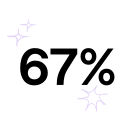
of Malaysians have felt burnt out in the past 3 months due to work.
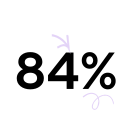
of Malaysians are satisfied with the working relationships they have with their colleagues.

of Malaysians are satisfied with the working relationship they have with their manager.
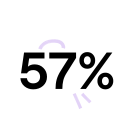
of Malaysians are happy with their overall mental health.
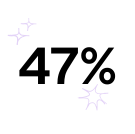
of Malaysians feel uncomfortable talking to their manager about their mental health and wellness concerns.
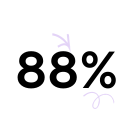
of Malaysians are experiencing stress at least a few times a month or more.

The majority of Malaysians indicated that financial stress and the cost of living were by far the main sources of stress in the last 3 months.

Fully remote employees have a greater sense of work-life balance and are overall happier with their mental health, compared to hybrid and on-site workers.

Millennials are the most prone to burnout (69%), followed by Gen Zs (64%), Gen X (61%) and Boomers (38%).

The top perk (outside of pay) that employees are looking for is remote and flexible work options.

Insights from Badrie Abdullah, Principal (Talent) at GCEO Office, Talent Corporation Malaysia Berhad
Why are flexible work arrangements so important for employee wellbeing?
Flexible work arrangements are crucial for employee well-being as they enable individuals to effectively balance their professional and personal lives. These flexible options allow employees to adjust their work schedules to accommodate personal responsibilities and commitments, reducing stress and preventing burnout. By supporting diverse needs, flexible work policies promote a healthier, more engaged, and productive workforce. They also signal an organisation’s dedication to valuing and supporting its employees, which enhances morale, job satisfaction, and overall well-being.
TalentCorp strongly advocates for these practices through its Flexible Work Arrangement initiative, aiming to set a standard for workplace flexibility. This commitment is further underscored by TalentCorp’s efforts to optimise Malaysian talent through the Diversity and Inclusion (D&I) agenda. By providing end-to-end advisory services, TalentCorp supports companies in adopting Work-Life Practices (WLPs) that foster an inclusive environment.
This is especially important for attracting new and emerging talent, who often look for employers that provide adaptable work environments suited to their changing needs and lifestyles. Younger workers particularly value work-life harmony and the ability to blend their professional and personal lives smoothly. From my experience, such flexible arrangements lead to a more motivated and resilient workforce, drawing in top talent and retaining them by demonstrating a commitment to their comprehensive well-being.

Insights from Sudesh T, Head of Diversity, Equity and Inclusion, Manulife Asia
What are some tips you can provide employees with, on dealing with stress at work?
Dealing with stress at work is a common challenge that many employees face, and addressing it effectively is crucial for both personal well-being and professional performance. Drawing from my experience, I have found several strategies that can make a significant difference.
Prioritising mental health: Encourage regular breaks and activities that promote mental well-being, such as mindfulness or meditation. Create an environment where seeking professional support is normalised and encouraged. Provide mental health days and access to resources such as Employee Assistance Programs (EAPs), stress management workshops, and resilience training.
Work-life balance: Offer flexible working arrangements, remote work options, and flexible hours so employees can better manage both personal and professional responsibilities. Flexibility can significantly reduce stress and improve overall job satisfaction.
Create a supportive environment: Create a culture where employees feel comfortable discussing their stress and mental health openly. Train managers to recognise signs of stress so they can offer support. Maintain an open-door policy, and conduct regular check-ins so employees feel valued and heard.
Employee resource groups: Participating in these groups can also provide a sense of belonging and psychological safety at work. They offer a platform for employees to share experiences and interact with like-minded colleagues, which can be incredibly comforting and supportive. Feeling connected and understood within the workplace community can significantly alleviate stress.
Ultimately, you want to foster a culture where everyone can bring their best selves to work every day.

Insights from Roopy Dhaliwal, Head of People Experience, Volvo Car Manufacturing Malaysia
With our younger workforce struggling particularly hard with stress and burnout, how can employers and leaders help?
Addressing stress and burnout among the younger workforce requires a multi-faceted approach tailored to the unique needs of different employee clusters. From my years of experience, I have found that personalised work options are essential.
For example, working mothers/parents with young children benefit from flexible policies that support their dual responsibilities, while new talents who are still studying need options that accommodate their academic commitments. Similarly, older employees may require different types of flexibility to balance their professional and personal lives. It is crucial to align current workforce policies with the evolving needs of future generations. This involves continuously assessing and adapting to what employees need to thrive.
Incorporating fun and engagement into the workplace can significantly motivate employees and reduce stress. This can include games, stress management workshops, and platforms such as EAP’s where employees can openly discuss their challenges without fear of judgment. Support groups are another valuable resource to help employees feel understood and supported.
Ultimately, flexible work policies are at the core of this strategy. By providing these options, we can create a work environment where all employees, regardless of their life stage, can perform at their best while maintaining their well-being.

Methodology and sample profile
The findings in this report have been determined from a survey organised by Employment Hero. The 10 minute online quantitative survey was deployed using the QuestionPro platform, and survey responses were collected from Malaysia-based respondents which fit the survey respondent criteria below. To complete the survey, respondents had to be employed in any capacity (full time, part time, casual, fixed term) and not own the business they worked in. Readers should be mindful that this places a skew on the sample distribution with fewer respondents in the 18-24 and 65+ age groups, as they are more likely to either not be employed or be retired. In total there were 1015 survey participants. The survey collected responses between 12 April to 1 May 2024.
Before you download the report, we just need some details:
Related Resources
-
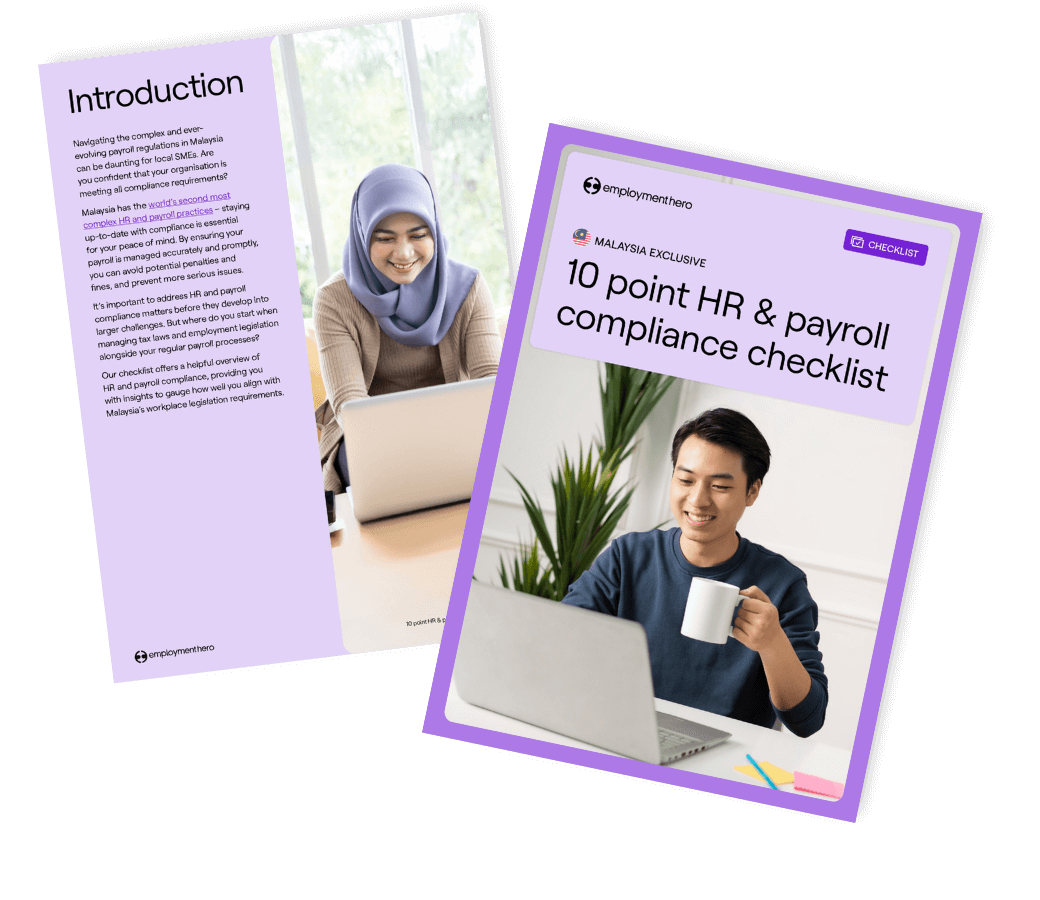 Read more: 10 point HR and payroll compliance checklist
10 point HR and payroll compliance checklist
Get peace of mind with our 10 point HR and payroll compliance checklist.
-
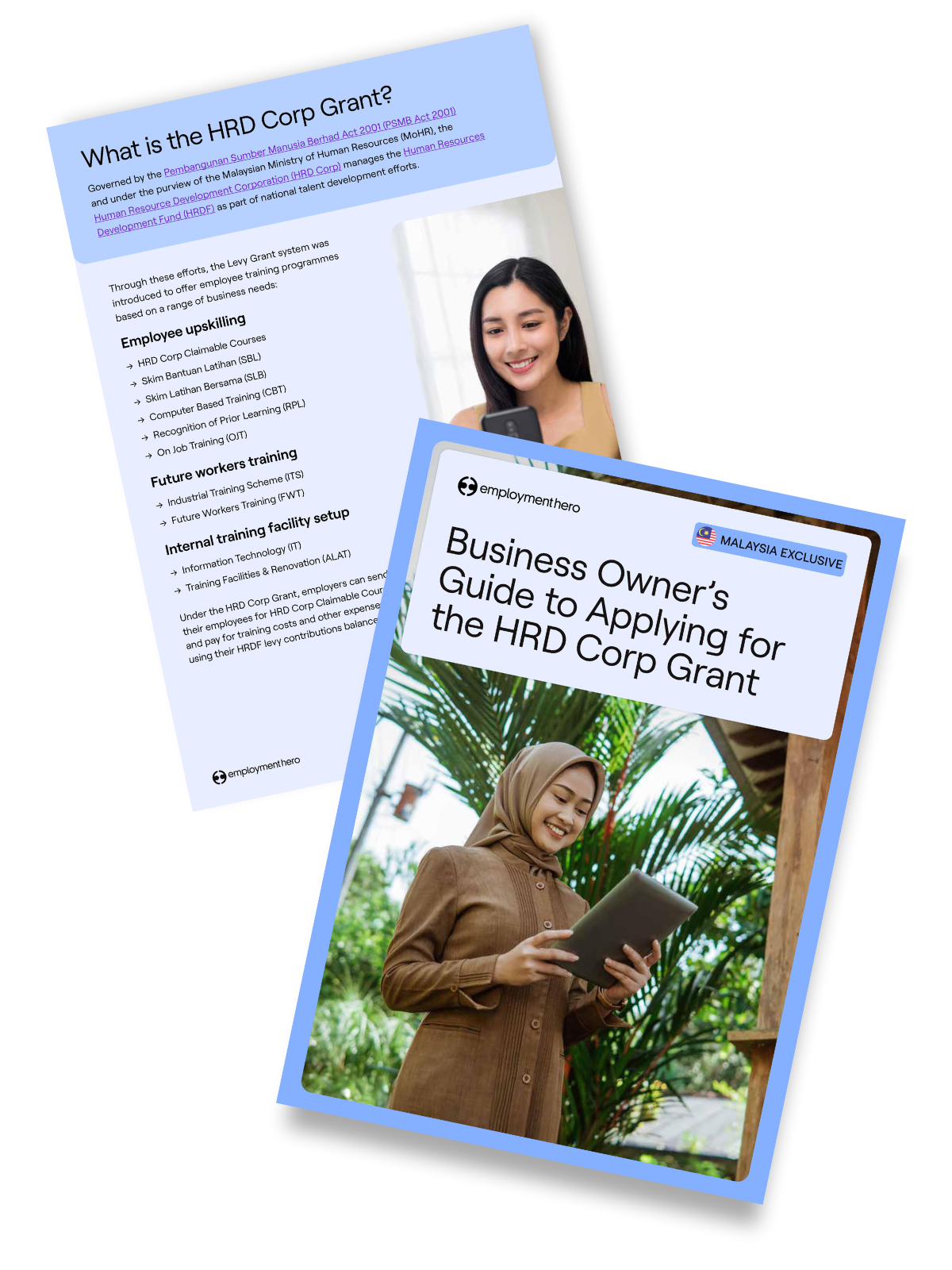 Read more: Business Owner’s Guide to Applying for the HRD Corp Grant
Business Owner’s Guide to Applying for the HRD Corp Grant
Find out if you are eligible for the HRD Corp Grant and how to apply for it here.
-
 Read more: From Hi to Hired: Hire Faster, Hire Smarter.
From Hi to Hired: Hire Faster, Hire Smarter.
This session will equip you with techniques to streamline hiring, enhance candidate experience.

